ALTEA White Paper Warns Alternative Propulsion Aircraft Makers Face Capital Timeline Mismatch and Battery Residual-Value Risk
Why It MattersSurvival of electric and hybrid regional programmes may hinge on capital endurance and on who carries battery residual-value and early-technology risk, which would shape how lessors and operators structure commitments.
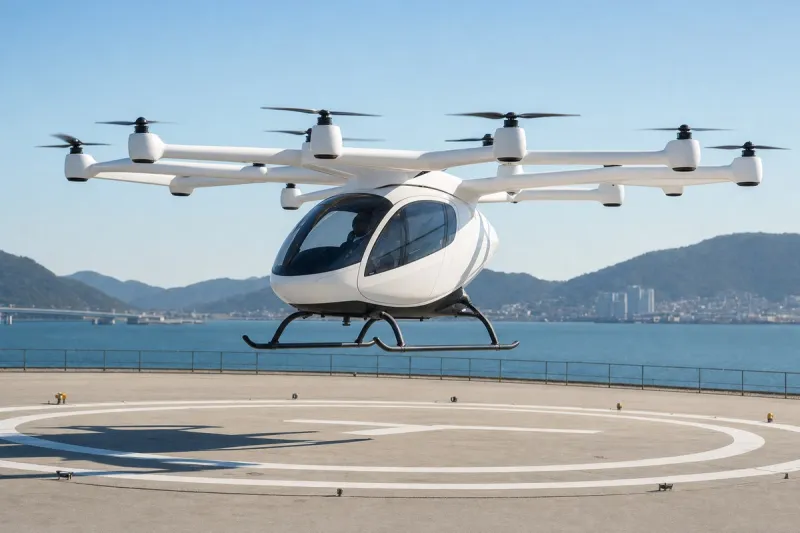
Alternative propulsion programmes targeting the regional market face a structural mismatch between aircraft certification timelines and venture-capital return horizons, according to a white paper from aviation advisory firm ALTEA. The report, *Beyond the Hype: The Real State of Alternative Propulsion for Regional Aviation*, assesses the electric, hybrid-electric and hydrogen aircraft landscape as of September. It was written by ALTEA associate and regional aviation specialist Chris Holliday, and concludes that capital endurance and commercial structure are now as critical to programme survival as technology.

Holliday said clean-sheet aircraft programmes can require eight to ten years or more to progress from design to entry into commercial service, while venture capital investors typically work against substantially shorter return horizons. ALTEA cautions operators and investors against treating letters of intent, memoranda of understanding and other pre-certification commitments as equivalent to deposit-backed aircraft orders.
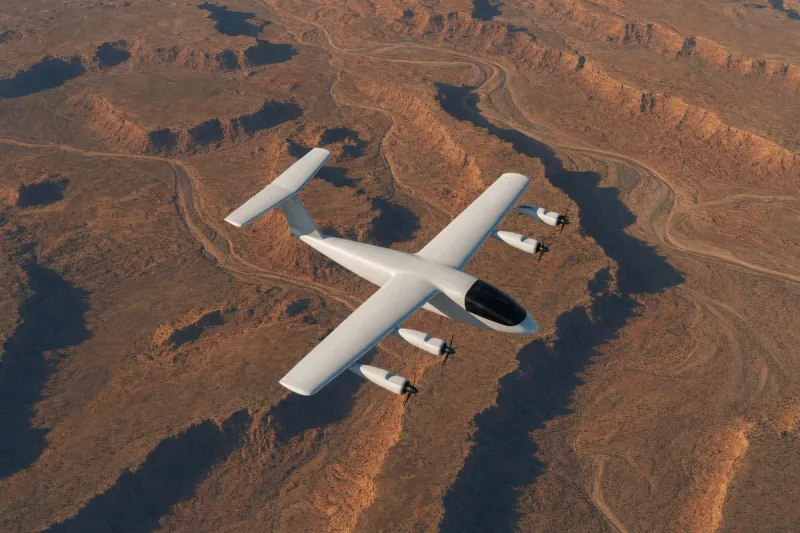
The report also identifies a potential shift in aftermarket economics. Electric and hybrid aircraft manufacturers are expected to retain control of batteries, powertrain software, health monitoring, operational data and recurring support services, allowing them to capture a greater share of lifetime aircraft value than traditional manufacturers. Citing public-market disclosures from BETA Technologies, ALTEA notes that an aircraft operating for 20 years could require 18 to 20 replacement battery sets, generating approximately $13 million in battery revenue.
At route level, thin regional routes, island connections and essential air services are the natural markets for sub-30-seat electric and hybrid aircraft, but frequently have no fallback capacity if new technology fails in service. ALTEA calls on operators, manufacturers, lessors, financiers and public authorities to agree how risk is allocated, including who underwrites early-technology risk on essential routes, who carries the downside if battery residual-value assumptions prove wrong, what data OEMs should provide to appraisers and lessors, and who funds supporting infrastructure.