U.S. Navy Carrier Remotely Controls MQ-25A Stingray Unmanned Refueler From More Than 2,100 Miles Away
Why It MattersControlling an unmanned tanker across an ocean from a carrier's ground station moves naval aviation toward drone-supported air wings, reshaping how refueling and strike roles are divided.
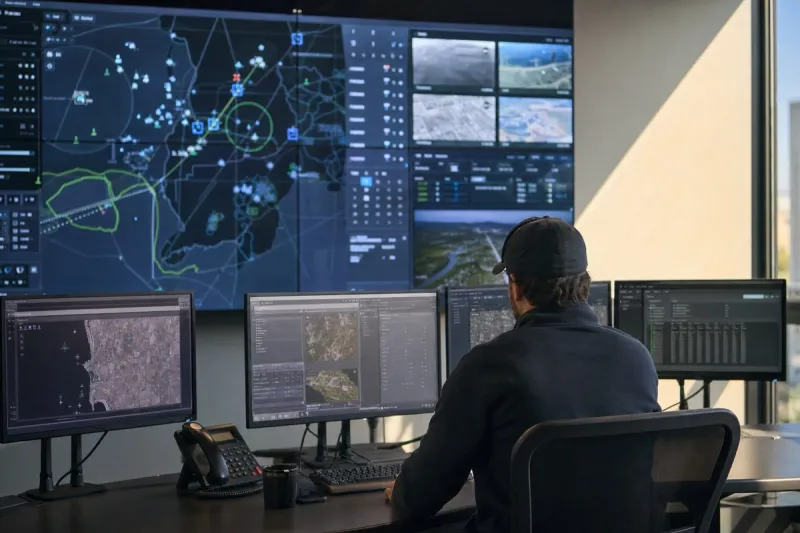
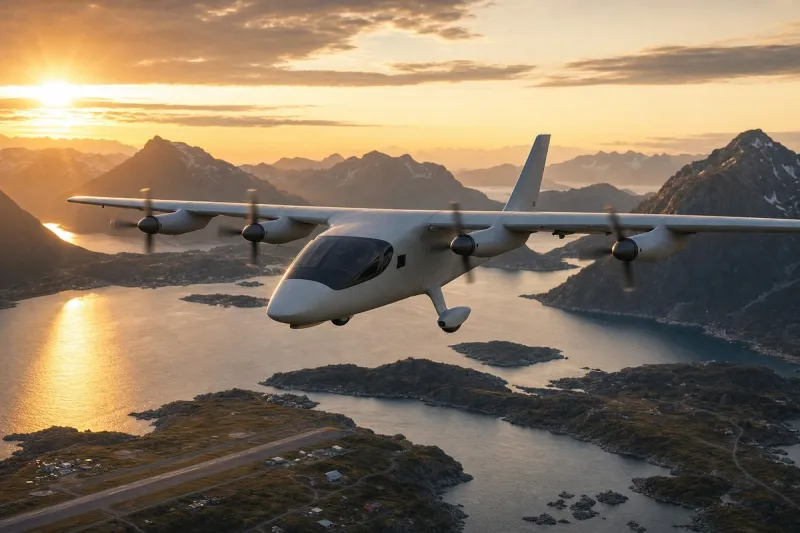
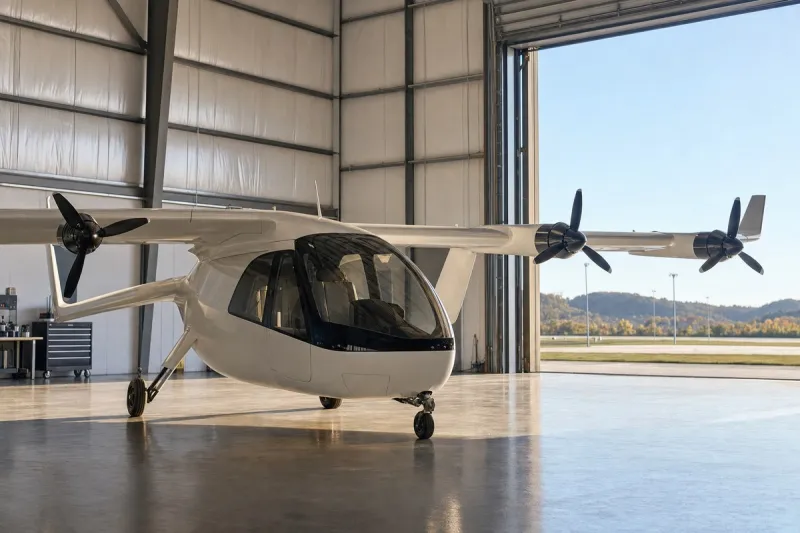
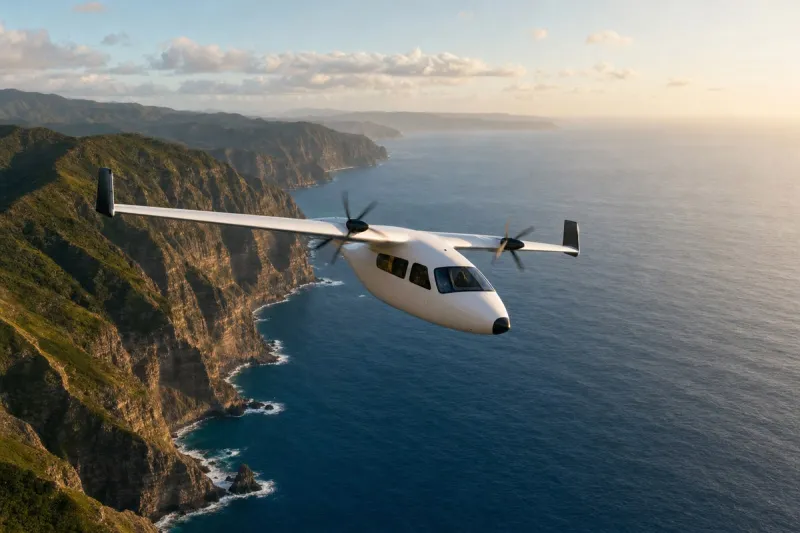
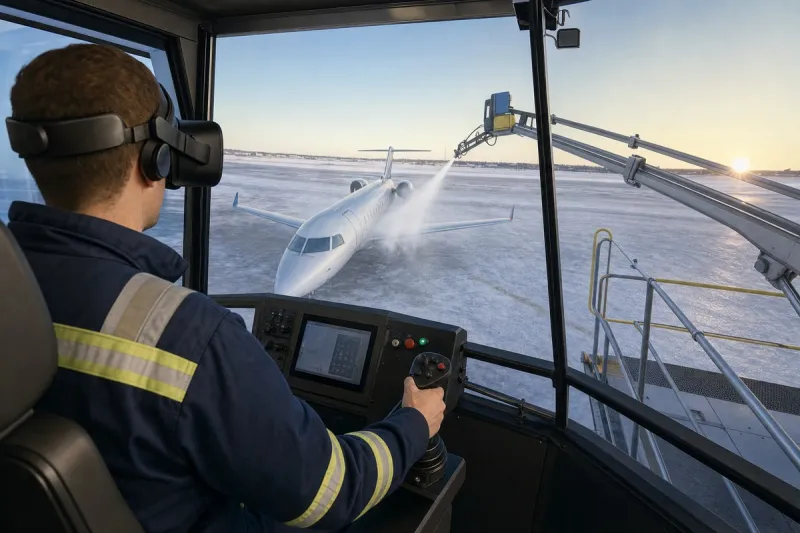
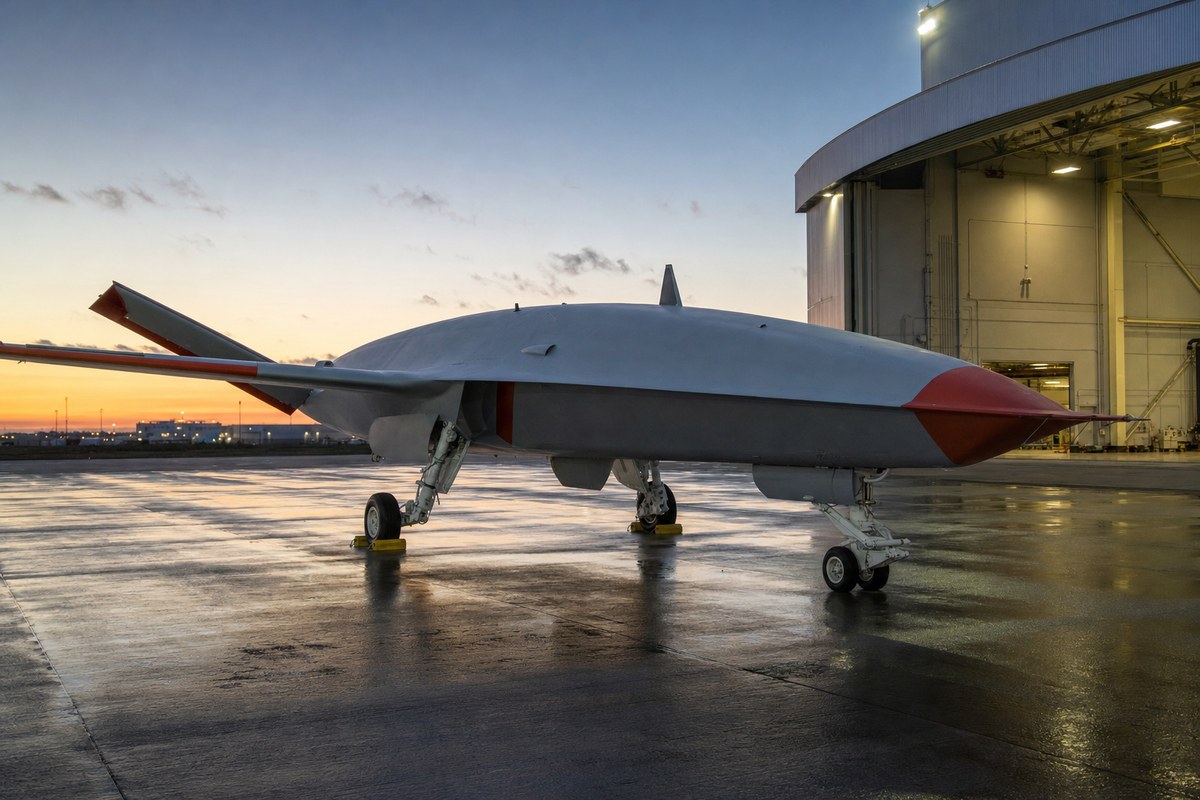
On Oct. 19, 2026, the U.S. Navy announced that an aircraft carrier underway in the Pacific Ocean connected to and controlled an MQ-25A Stingray unmanned aerial refueler located more than 2,100 miles away, at Boeing's facility in Mascoutah, Illinois. The Navy described it as a historic event in naval aviation. The test was one in a series of build-up exercises designed to validate procedures, networks and interfaces, and Capt. Daniel Fucito, program manager of PMA-268, called it the first-ever underway connection between a carrier-based UAWC and an MQ-25A aircraft.
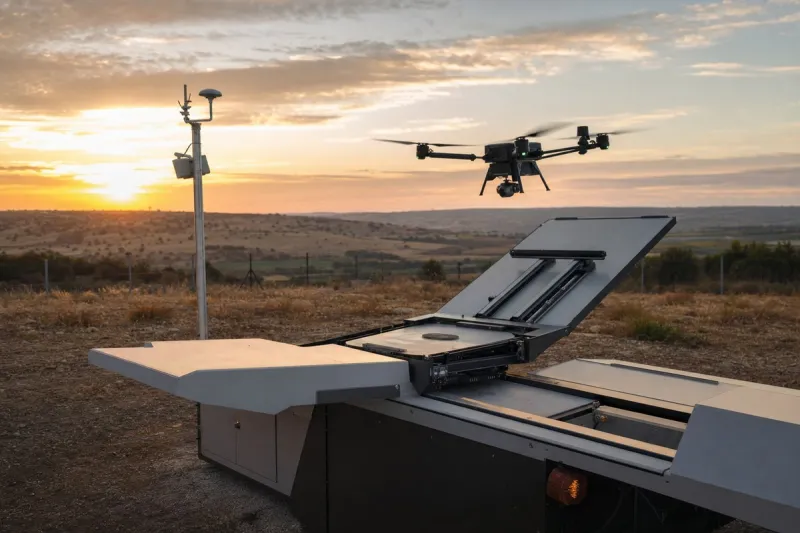
The MD-5C ground control station integrates the Navy's Command, Control, Communications, Computers and Intelligence (C4I) network with Lockheed Martin's MDCX hardware and software and other government-produced equipment to provide command and control of the MQ-25A. The system will also provide command and control for the Navy's future unmanned carrier aircraft and the Air Wing of the Future.
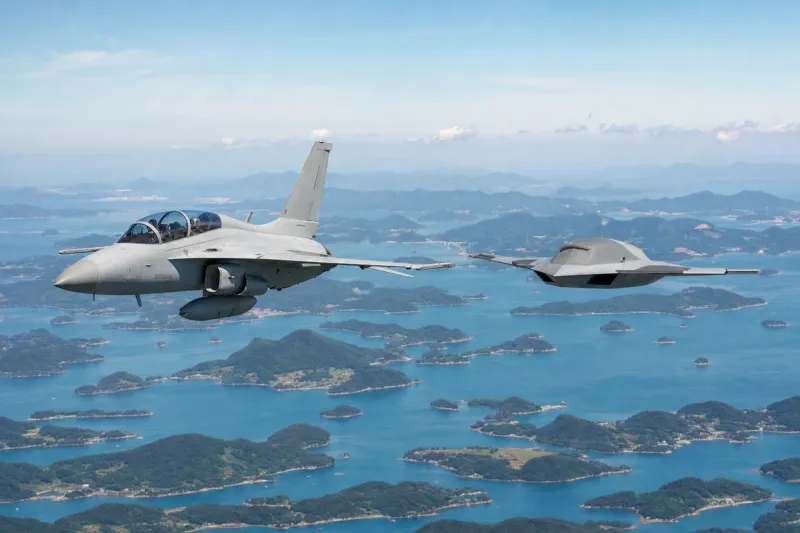
Acting Secretary of the Navy Hung Cao said the MQ-25A's carrier-based refueling capability enables F/A-18 Super Hornets to fly farther and longer. The Navy describes the MQ-25A as the world's first fully integrated, carrier-based unmanned aerial vehicle and the pathfinder for unmanned carrier aviation. The Stingray will give the Carrier Air Wing organic refueling, allowing more F/A-18E/F aircraft to focus on strike missions and extending the air wing's operational reach.