Boeing 777-300 and 777-300ER: Key Specifications, Development Milestones and Differences
Why It MattersThe 777-300ER's longer range and exclusive GE90 powerplant made it the best-selling 777 variant, showing how a stretched, higher-thrust derivative can outsell the program's original and longer-range models.
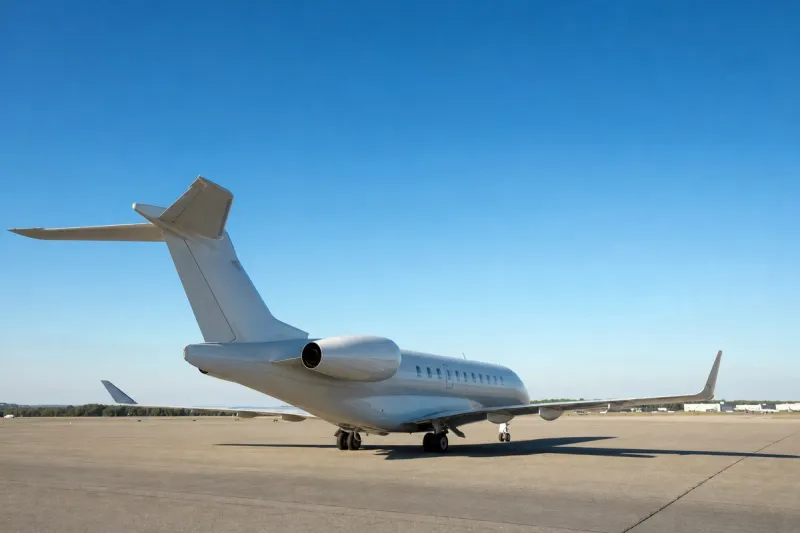
The Boeing 777-300 is a stretched version of the 777-200, adding about 10 meters of fuselage for a total length of 242.4 ft. It seats up to 368 passengers in a typical configuration or up to 550 in an all-economy layout, roughly 20% more than the 777-200 in standard layouts. Extra exit doors, reinforced main landing gear and structural updates accommodate the added weight.
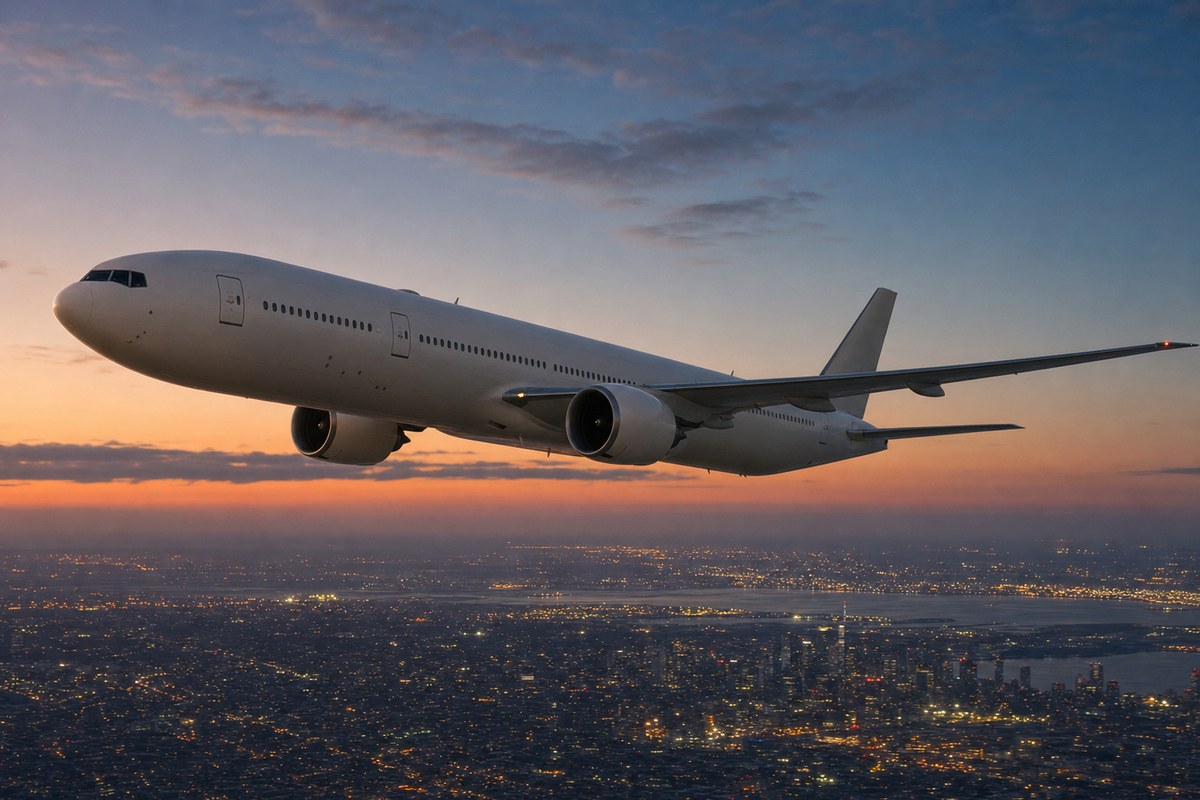
Boeing launched the 777 program in 1990. Major assembly of the first aircraft began on January 4, 1993, and the first 777 flew on June 12, 1994. The first delivery went to United Airlines on May 15, 1995, with the first commercial flight on June 7, 1995. The 777-300 program was formally launched in mid-1995; the first 777-300 flew on October 16, 1997, and was certified by the FAA and JAA on May 4, 1998. It entered service with Cathay Pacific on May 27, 1998, becoming the world's longest commercial airliner at the time.
The standard 777-300 has a range of 6,005 nautical miles. The extended-range 777-300ER reaches 7,370 nautical miles, uses more powerful GE90-115B engines, has a higher maximum takeoff weight and features raked wingtips. It runs exclusively on GE90 engines and became the best-selling 777 model by the 2010s. The 777-200LR, which Boeing named the Worldliner, has a maximum design range of 8,555 nautical miles.
Cabins on both variants typically offer economy, premium economy, business class and sometimes first class. Airlines such as British Airways use the aircraft on intercontinental routes across Asia, North America and the Middle East.