Brownfield Vertiports Follow Same Aviation Rules as Greenfield Sites but Face Tighter Constraints, Industry Executives Say
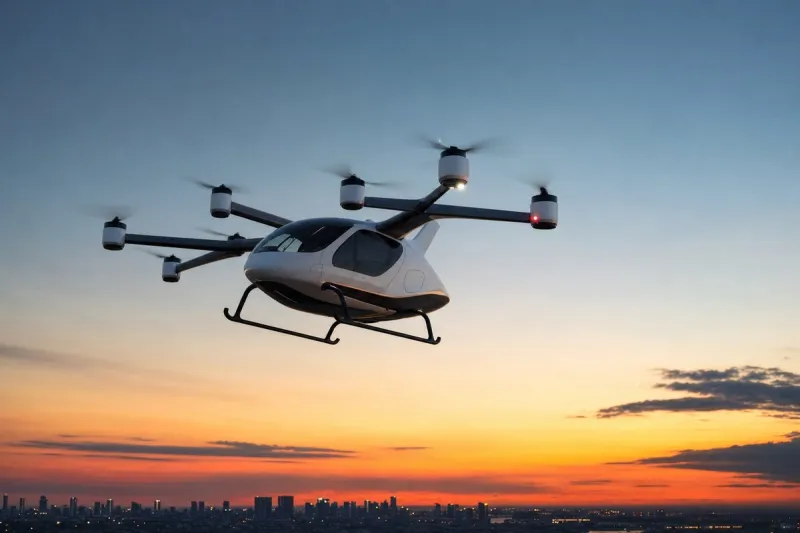
Why It MattersEarly eVTOL networks will likely grow from existing heliports and city-linked sites rather than new builds, so power supply, structural upgrades and code compliance will shape where services launch.
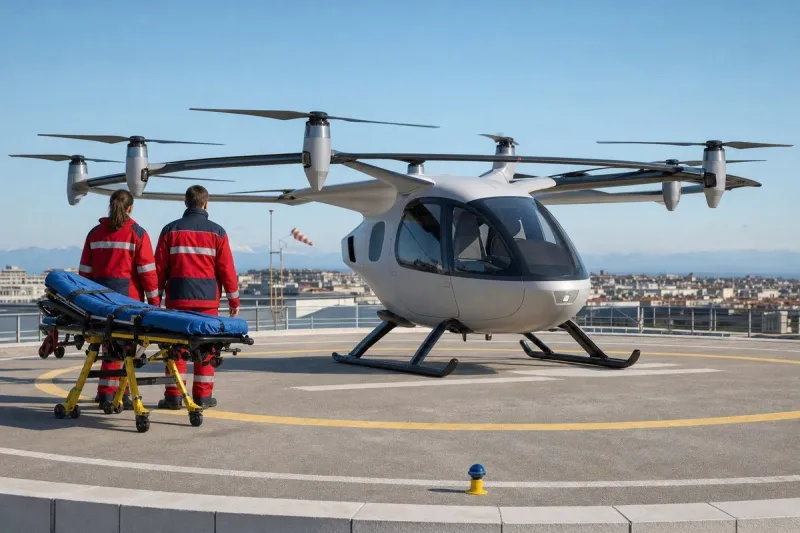
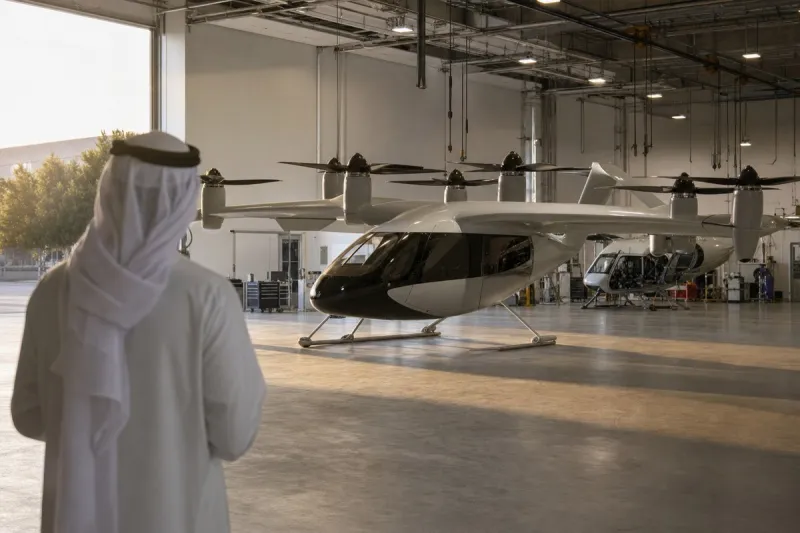
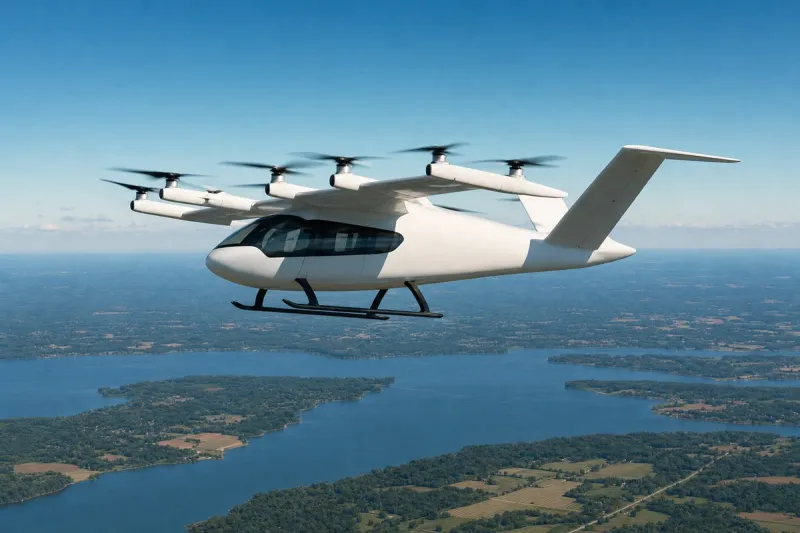
Regulations and principles for vertiports on brownfield sites are the same as those for greenfield sites, according to Addison Ferrell, director of infrastructure at Skyports Infrastructure, who said the facility is still aviation infrastructure and the same rules apply to making it safe. John Reavy, aviation director for the Middle East at Mott MacDonald, said a brownfield site must meet aviation requirements such as approach and departure paths, obstacle clearance, visual aids, emergency response and safety management, as well as local planning, building, fire, security and environmental requirements.
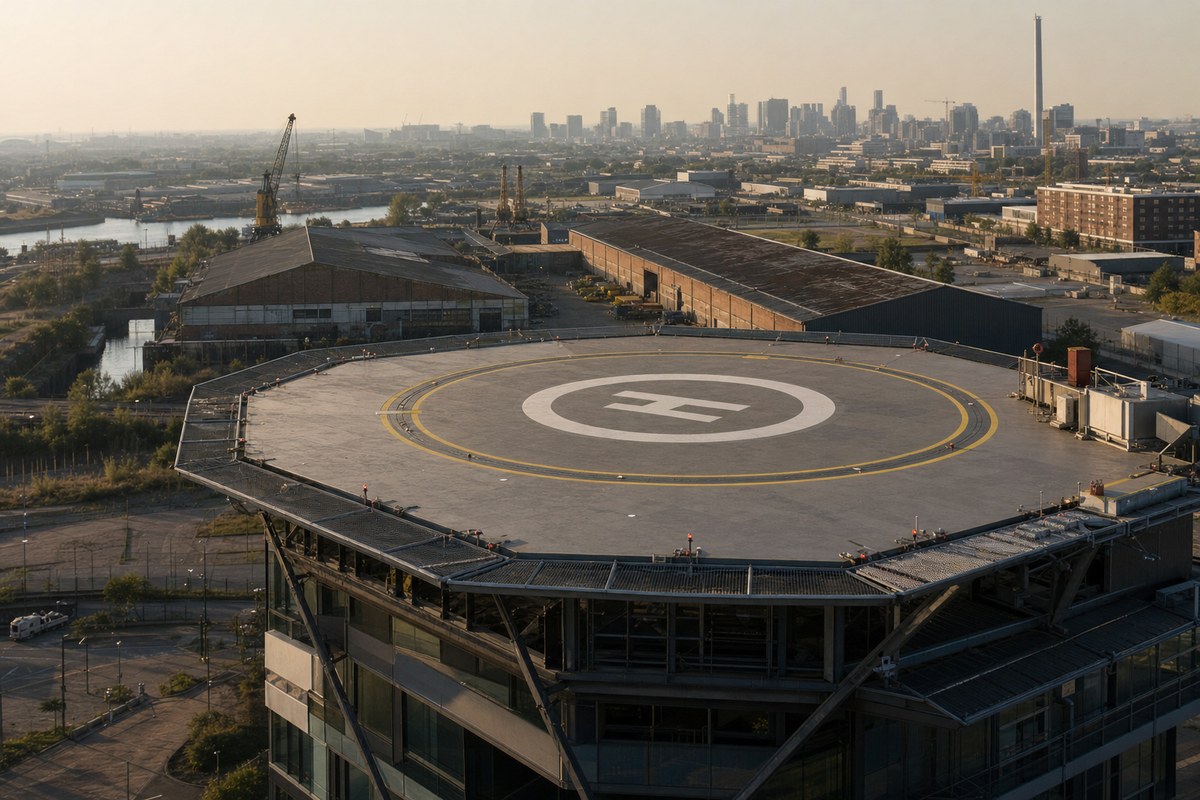
Reavy said the main difference is that a brownfield site starts with constraints while a greenfield site starts with flexibility. He said the key issues are nearby buildings, roads, power lines, cranes, rail infrastructure and people flows, and that a site should not be developed as a vertiport if operational risks cannot be mitigated through design. He added that eVTOL operations need reliable, high-capacity electrical infrastructure for charging, and that the grid connection can become one of the biggest risks in both cost and programme.
Ferrell said adding a skyport to a site originally permitted under different rules may trigger a requirement to upgrade the whole facility to current code, at significant extra cost. He said building on elevated structures is complicated and expensive, while building at ground level is more cost effective, which favours greenfield locations. Brownfield sites can, however, act as demand generators or allow an existing structure to be repurposed as a terminal. Reavy said brownfield does not automatically mean cheaper, because costs can rise with structural strengthening and fire upgrades.
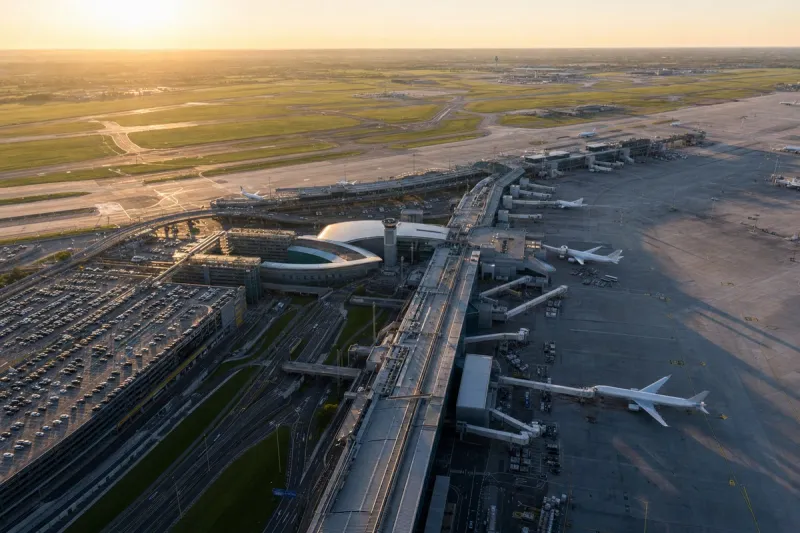
Kevin Cox, chief executive of VertiPorts by Atlantic, said the company applies a "fit test" to each site, covering how aircraft get in, compatibility with existing traffic, work with the Federal Aviation Administration, whether structures can handle new loads, security, airspace, passenger onward travel and economic viability. Reavy said likely early routes include airport to city centre, airport to business district, city centre to city centre and city to regional airport, and that the strongest routes will connect to existing transport networks.
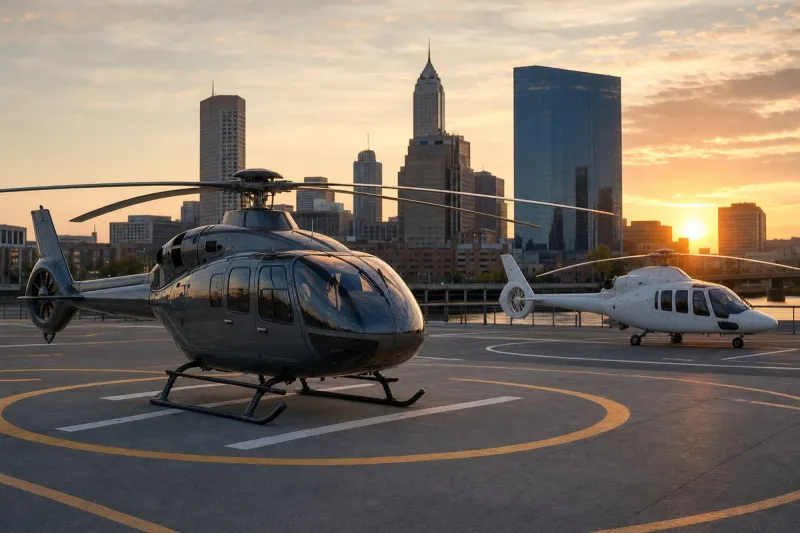
The UK Civil Aviation Authority has indicated that early UK eVTOL operations are expected to use existing infrastructure. Reavy said existing heliports offer a practical testbed for questions on charging, passenger processing, fire safety, turnaround, downwash and mixed helicopter/eVTOL operations. Skyports uses its London Heliport and Downtown Skyport in New York City for this purpose, and Skyports and Groupe ADP plan to transition Downtown Skyport into a hub for eVTOL operations, sustainable transport and last-mile freight.