FAA Flight Restriction Over SpaceX Texas Site Fuels Speculation on Tesla Roadster Hover Capability
Why It MattersThe episode shows how existing aircraft definitions, which treat any lift off the ground as flight, would pull a road vehicle with thrusters into aviation rules, airspace restrictions and corridor-approval regimes.
What happened
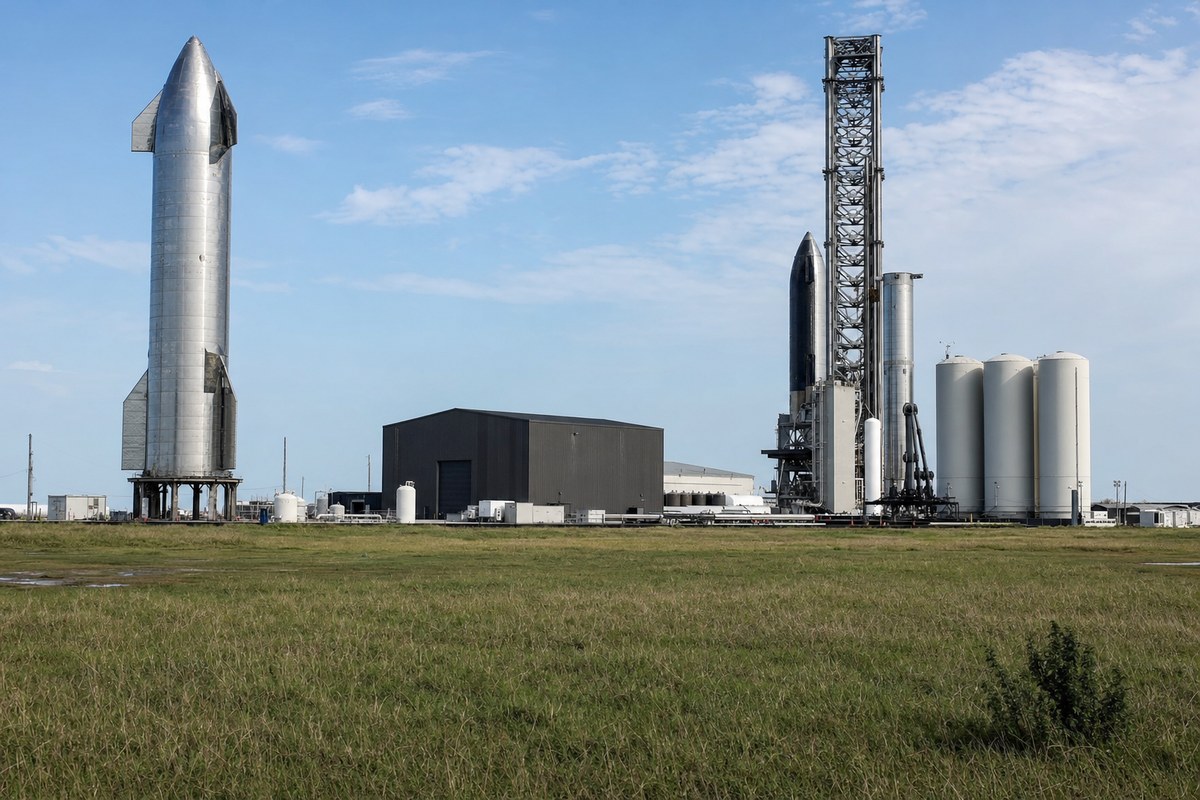
The Federal Aviation Administration issued Temporary Flight Restriction NOTAM FDC 6/3825 ZFW TX over SpaceX's test facility in McGregor, Texas, where the launch of Tesla's next-generation Roadster was originally set for October 1. The NOTAM, issued under 14 CFR Section 91.137(a)(3) and labeled "ground hazard – high energy testing," prohibits aircraft within a 1.5-nautical-mile radius of the site, from the surface up to 10,000 feet above ground level.
SpaceX is named as being in charge of the operation. The restriction ran from 1200 UTC on September 18 to 1200 UTC on October 2, 2026.
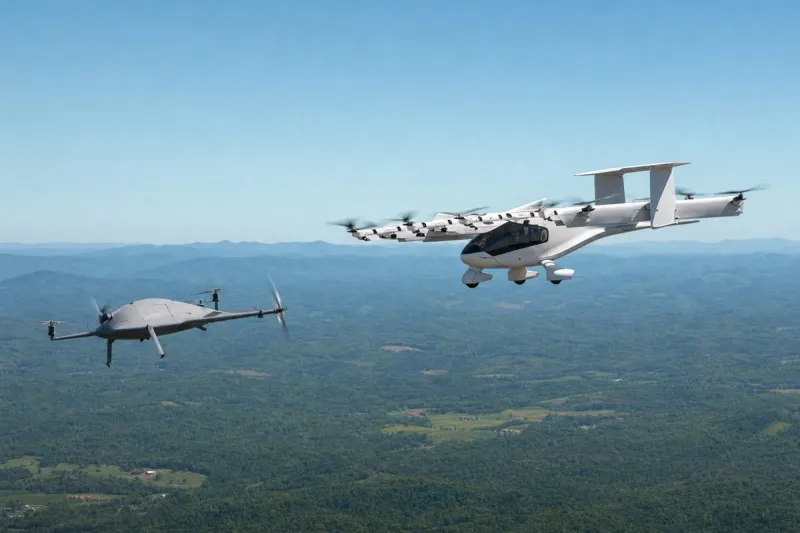
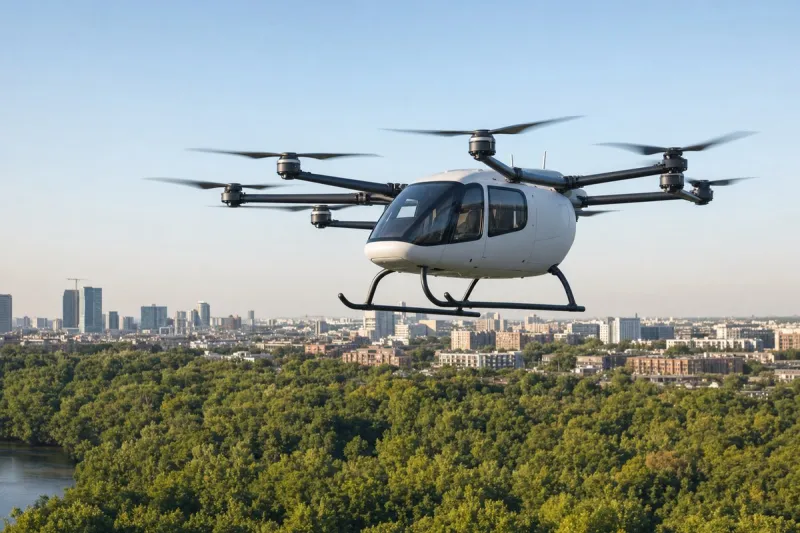
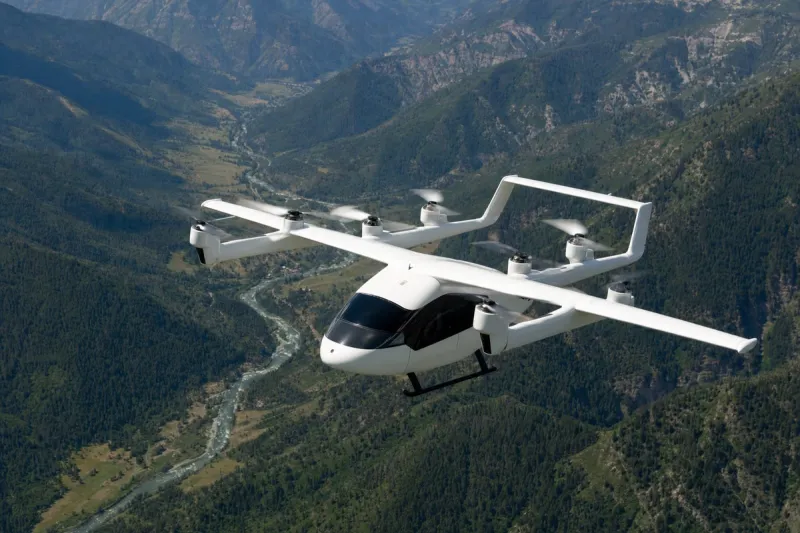
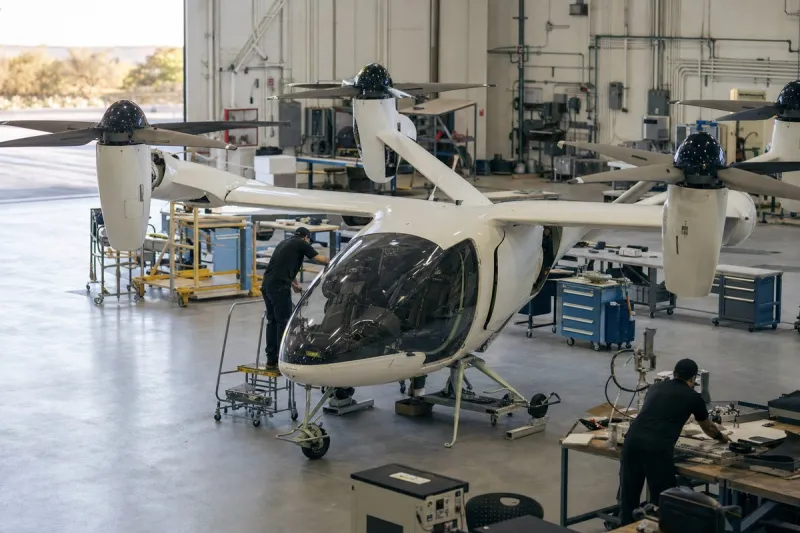
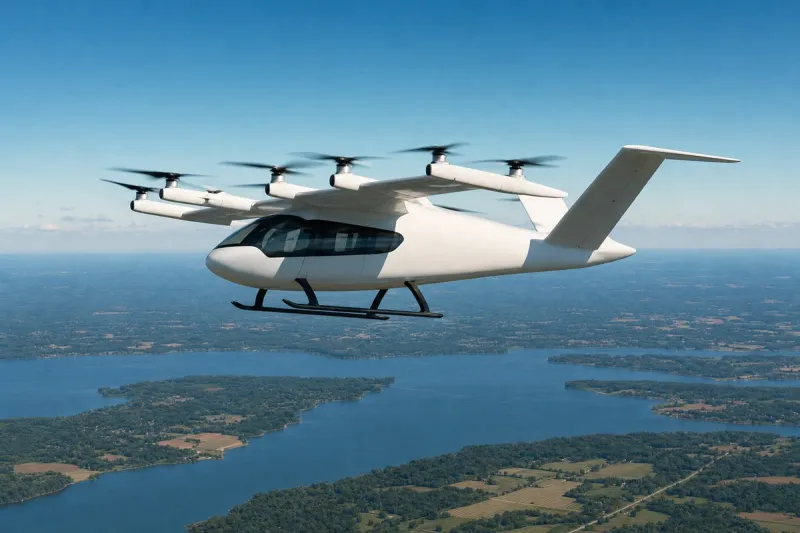
Speculation holds that the Roadster may be able to fly, though the term is relative. Under the FAA's "any inch off the ground" rule, a vehicle hovering 2 inches or 2,000 feet up is considered an aircraft, and newer FAA rules for eVTOL vehicles require pre-approved flight corridors away from traffic. This points to hovering and hopping rather than sustained flight.
The Roadster is reported to use cold-gas thrusters, which expel highly pressurized gas rather than burning fuel. Elon Musk's comments on X suggest an onboard compressor charging an air tank that feeds a set of nozzles, possibly assisting acceleration, braking, cornering and flight, and up to 10 thrusters may be fitted. SpaceX uses the same type of thruster to orient Falcon 9 boosters and Starship prototypes.
The thrusters are expected to come with an optional SpaceX package. The Roadster requires a $50,000 deposit, and pricing has not been released.
Industry impact & what to watch
The FAA's definition of an aircraft is functional, not categorical: a device that leaves the ground by any margin falls under aviation oversight, regardless of whether it was designed as a car. A Roadster that hops or hovers on cold-gas thrusters would therefore sit in a regulatory space that today is mostly occupied by eVTOL developers, with their pre-approved corridors and separation from traffic.
The restriction itself says little about what was tested. A ground-hazard NOTAM over a SpaceX site is consistent with high-energy testing of many kinds, so the link to hover capability rests on commentary and speculation, not on anything the FAA stated.
The next concrete markers are the launch itself, originally set for October 1, and any pricing release for the optional thruster package. Those would show whether the capability reaches customers and under what operating conditions.