Amprius Unveils 500 Wh/kg SiCore 500 Cell Aimed at Stratospheric Drones, Not Air Taxis
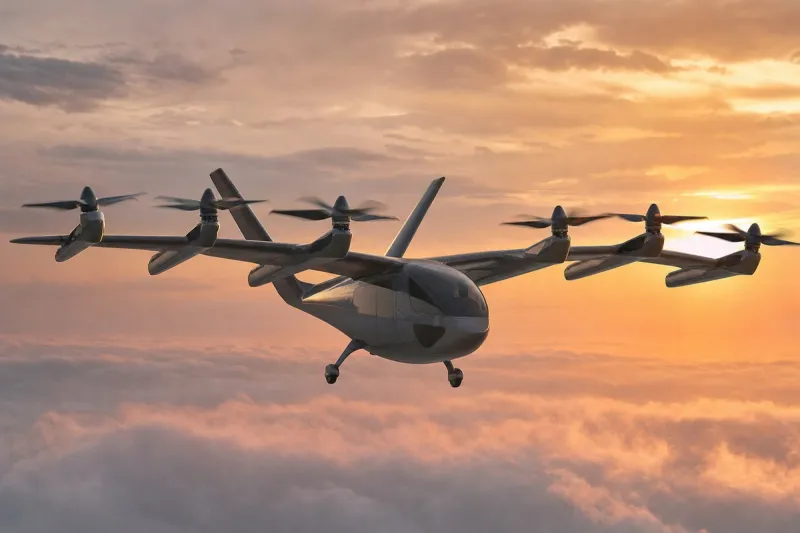
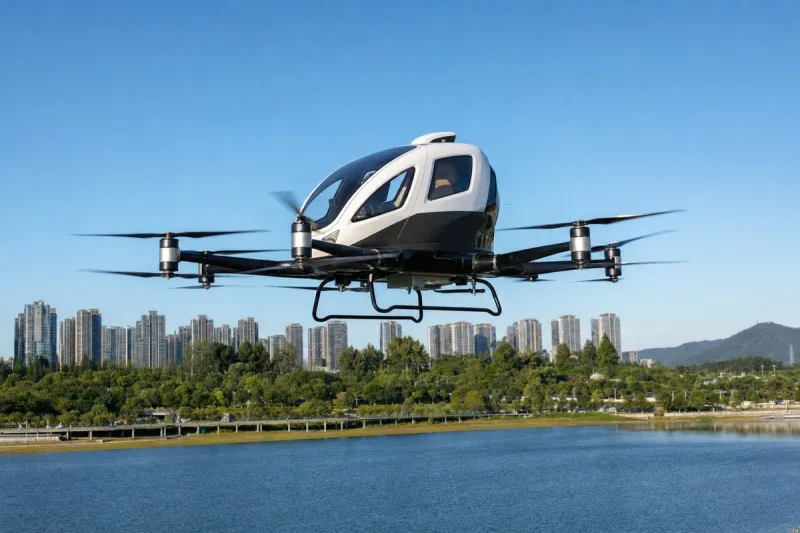
Why It MattersThe cell is aimed at stratospheric solar aircraft rather than eVTOL air taxis, whose binding battery constraint is high-power discharge during takeoff and landing rather than energy density.
On September 2, 2026, Amprius Technologies of Fremont, California announced the SiCore 500, a lithium-ion cell with a silicon anode in place of graphite, rated at 500 watt-hours per kilogram at a one-C discharge, a rate that would empty the cell in about an hour. The first cells come off a line in Fremont, with wider volume promised through contract manufacturers by the end of 2026.
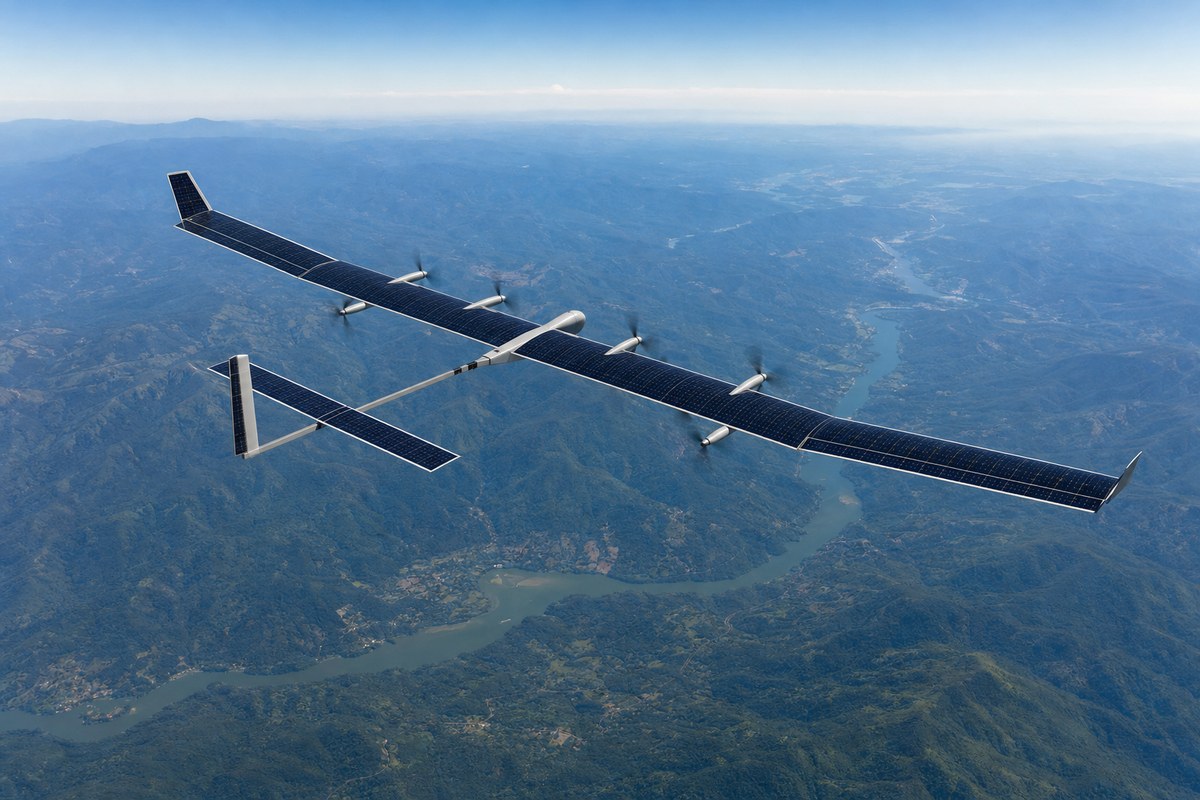
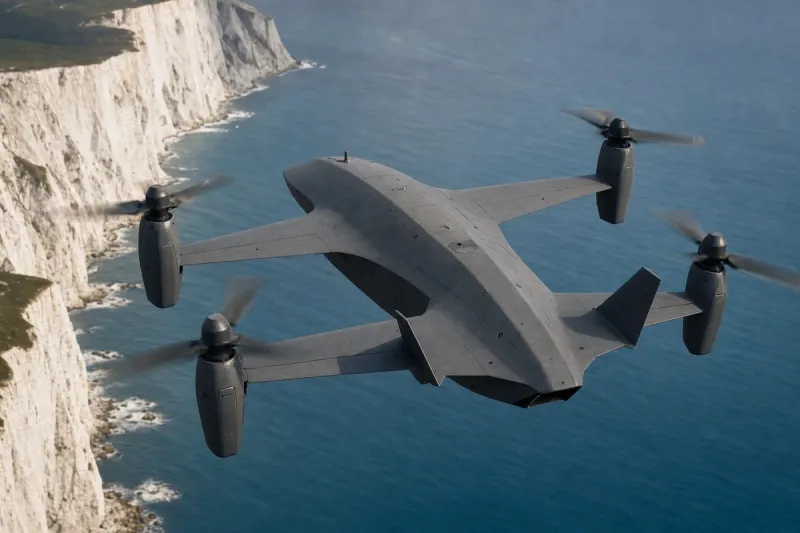
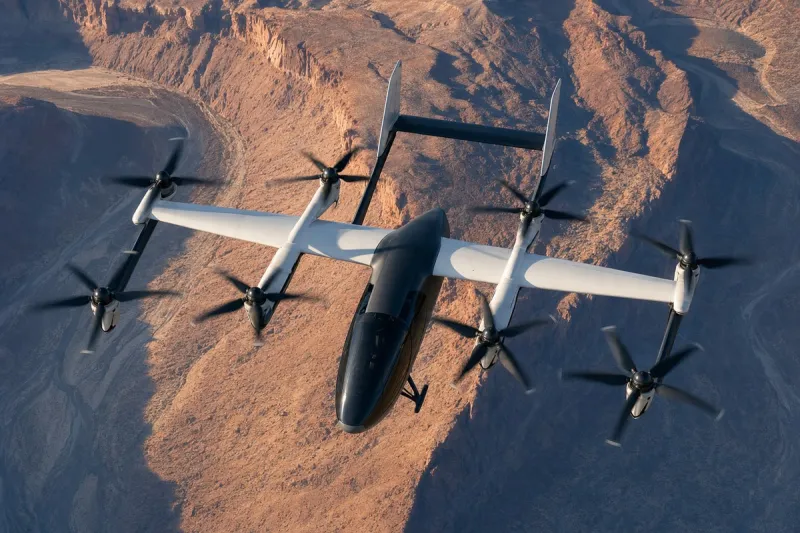
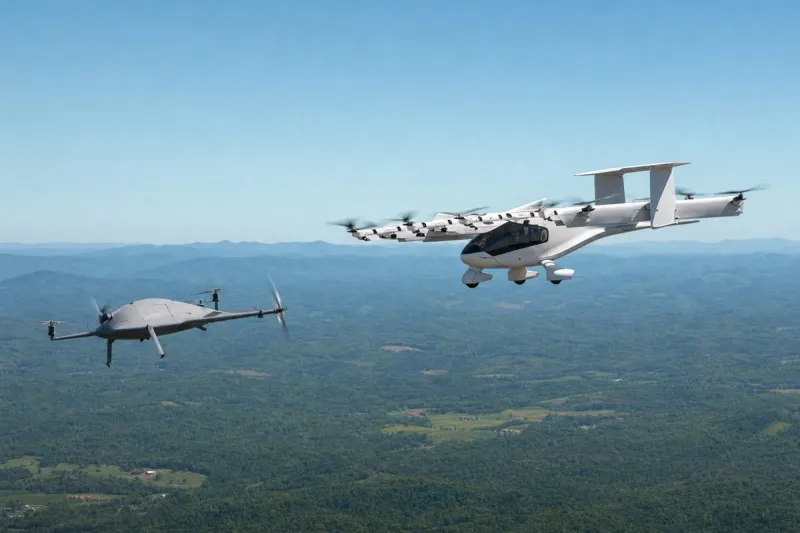
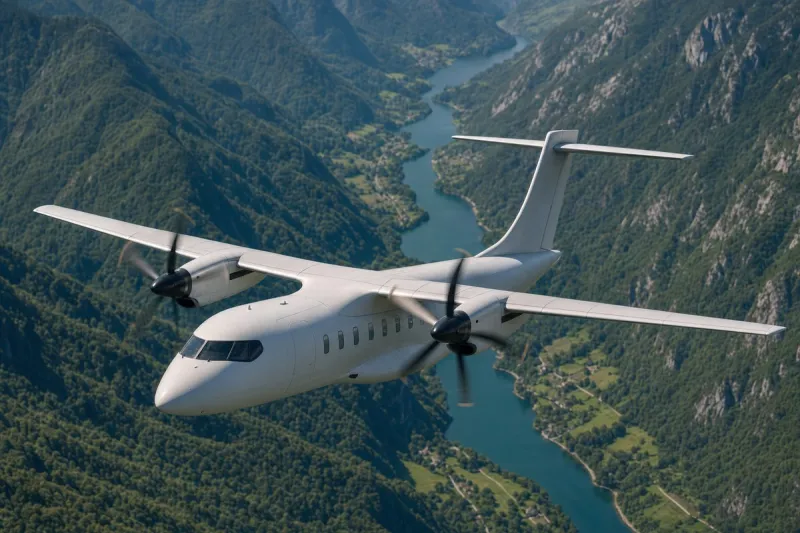
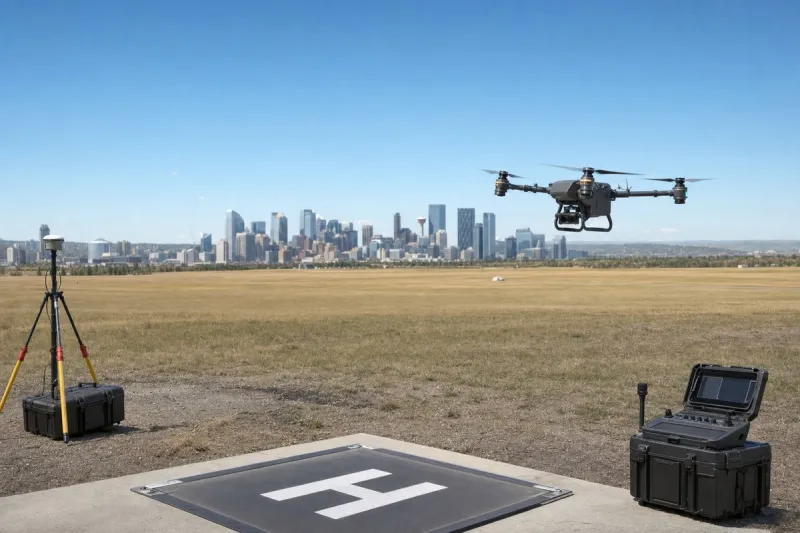
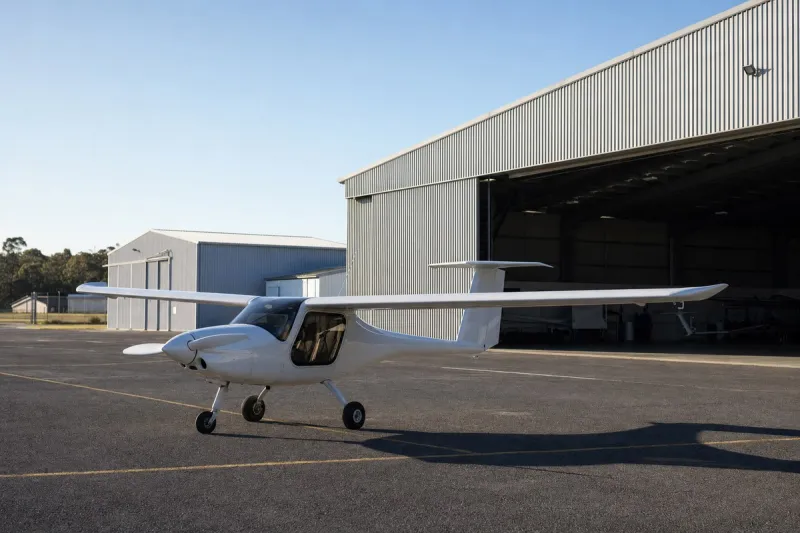
The cell is aimed at long-endurance aircraft such as AALTO's Zephyr, a solar-powered drone owned by an Airbus subsidiary. Amprius has supplied batteries for the Zephyr since 2018. The aircraft has a wingspan wider than a 737, climbs above the weather and loiters for weeks; in 2025 one stayed aloft for 67 days without landing. It charges from solar panels by day and draws down its battery slowly overnight, close to the gentle one-C rate at which the SiCore 500 is rated. Pierre-Antoine Aubourg, chief operating officer of AALTO HAPS, said energy density is fundamental to Zephyr's endurance.
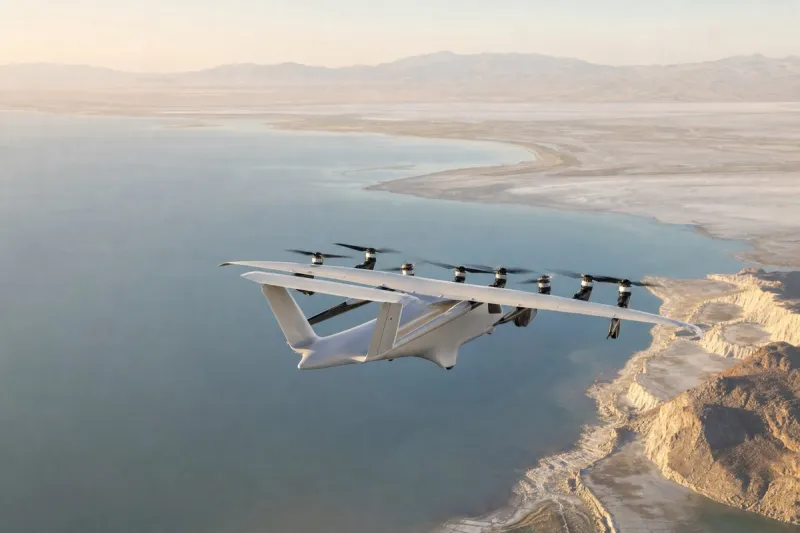
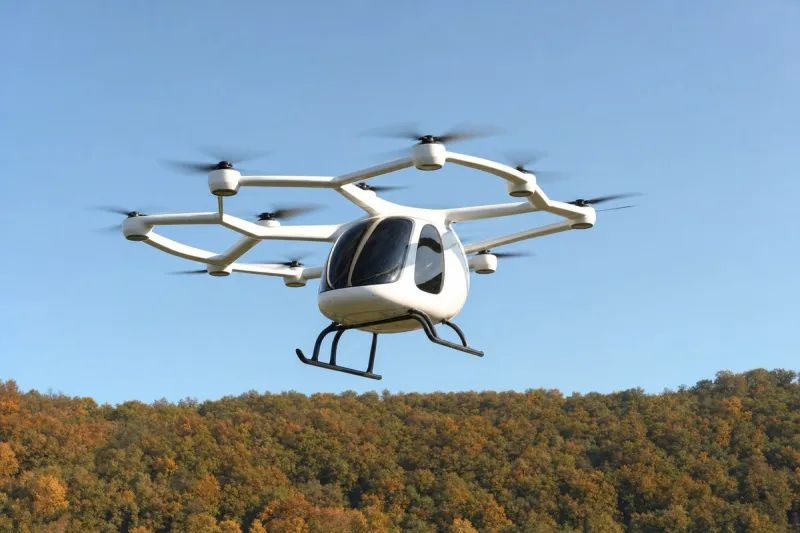
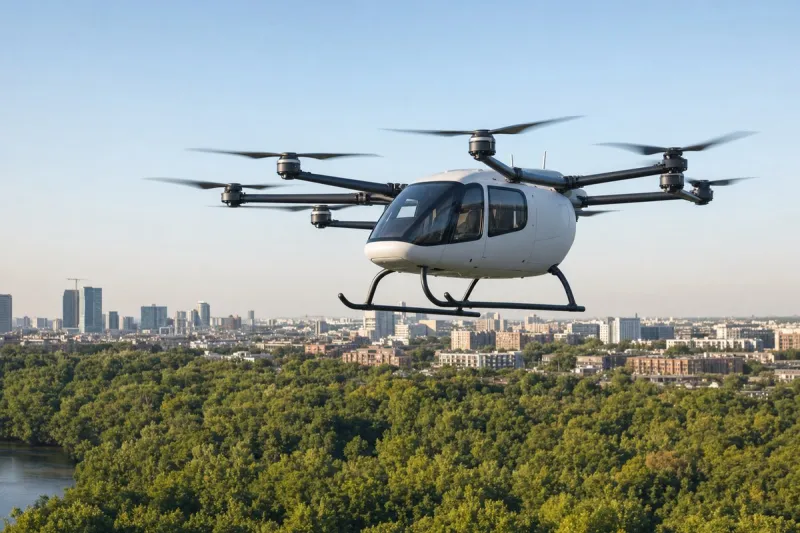
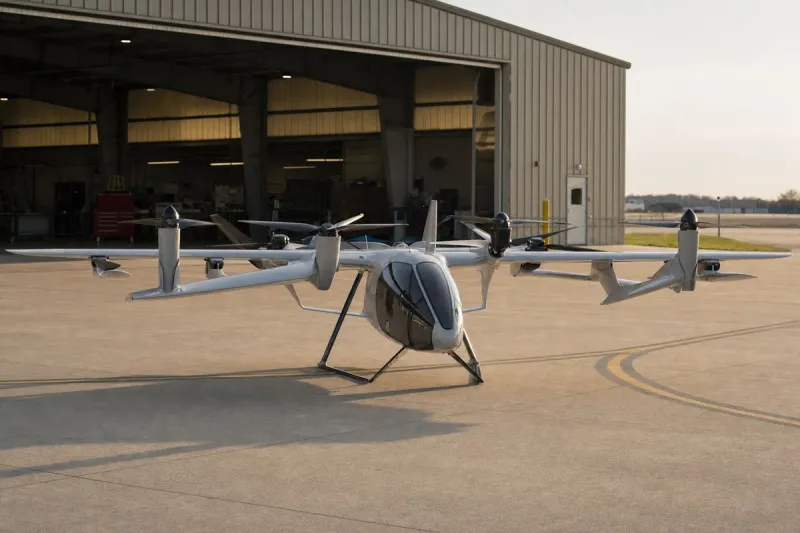
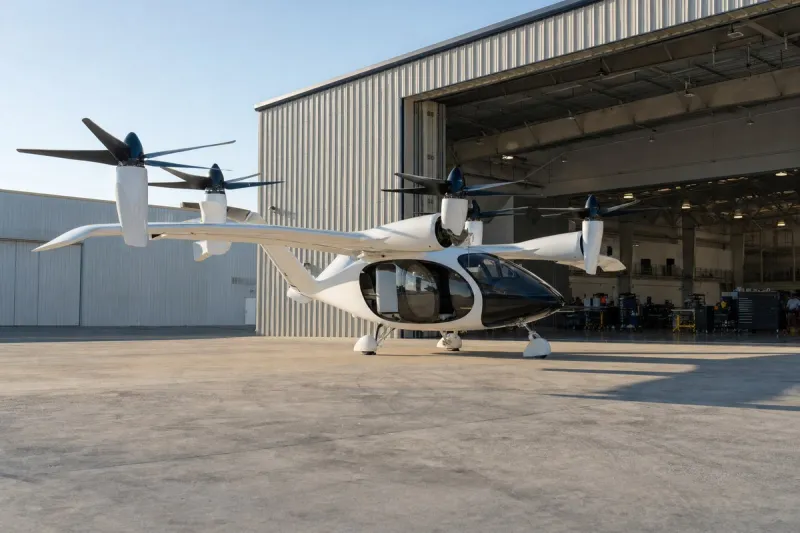
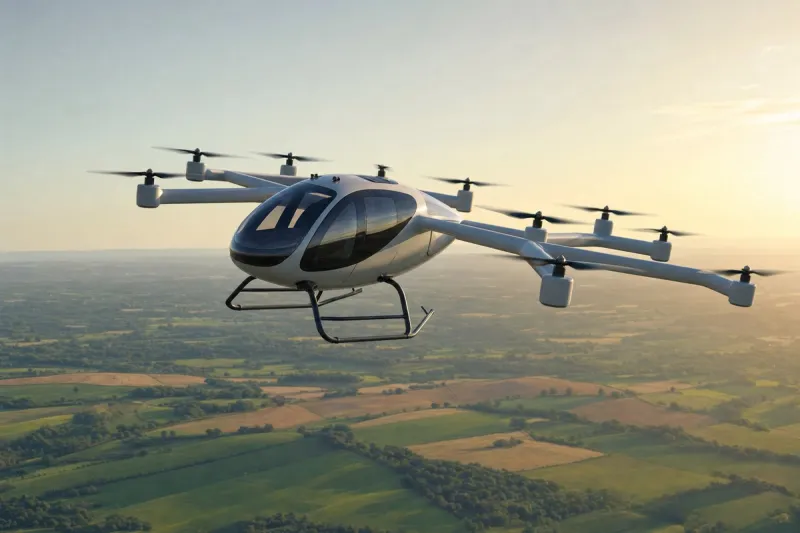
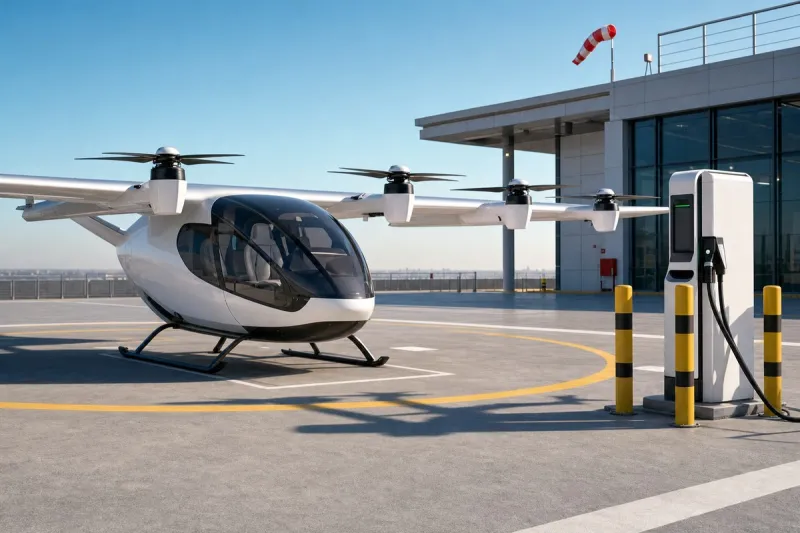
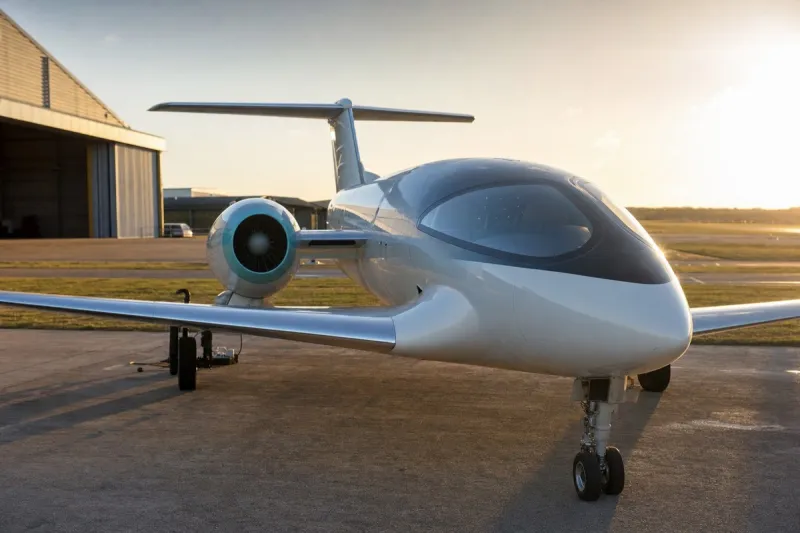
The cell does not solve the air taxi's battery problem. Vertical Aerospace's VX4 flies on a Molicel INR-21700-P45B cell rated on its datasheet at about 242 Wh/kg, a little under half the Amprius figure. A 2021 study in the journal Joule found that a 200 Wh/kg pack delivers only about 112 to 133 Wh/kg of usable energy on a real trip when new, after reserves are held back. The larger constraint is power rather than energy: the study put an eVTOL's hover power need at 500 to 900 W/kg, against 150 to 350 W/kg in cruise, in bursts of 30 to 120 seconds. Cells tuned for slow, long discharges behave poorly under such loads, and Amprius sells a separate high-power cell line for aircraft that must climb and land on their own thrust, trading away some top-end energy density.