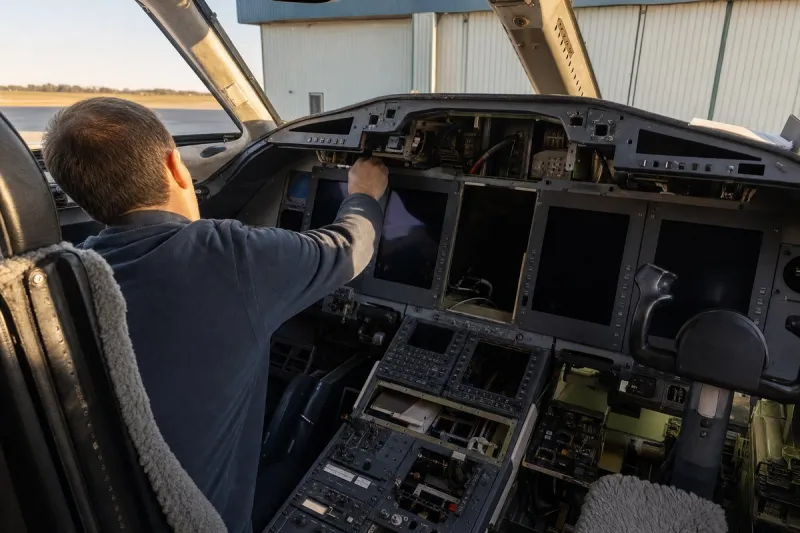
FAA Outlines Remote Technology Tools and Regulatory Requirements for Aircraft Maintenance
Why It MattersThe guidance signals closer regulatory scrutiny of remote-inspection tools as general aviation operators adopt consumer-grade AR, VR, and sUAS systems for maintenance support.
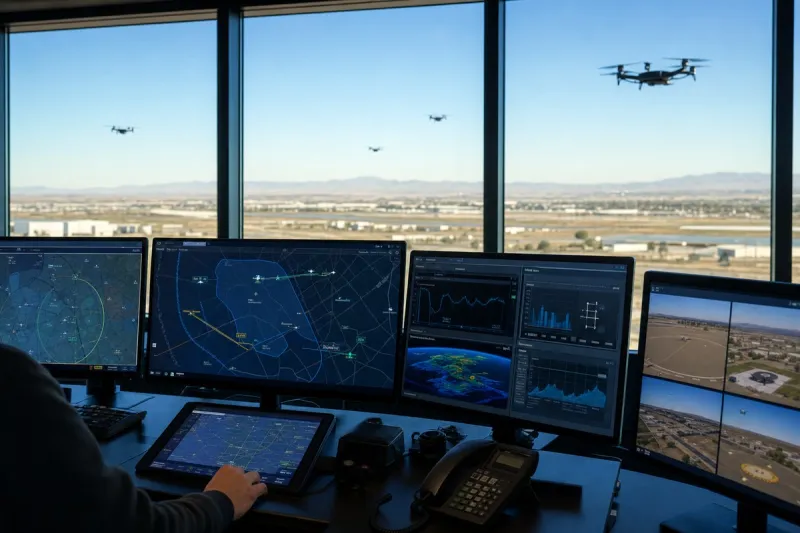
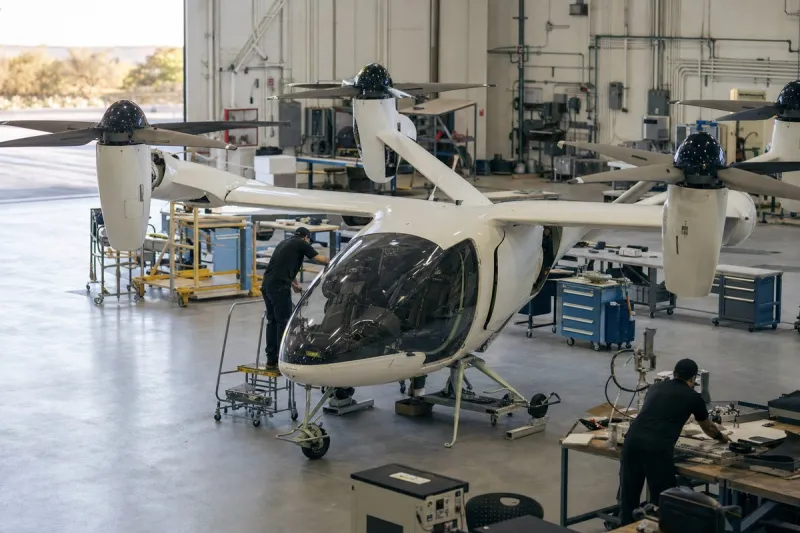
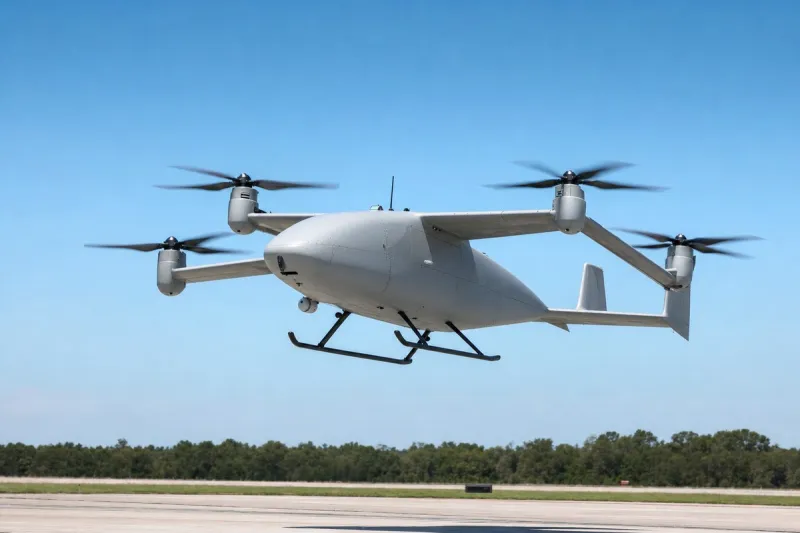
The Federal Aviation Administration has outlined how remote technologies are being applied to aircraft maintenance and inspection, while emphasizing that such tools must comply with existing regulations and cannot replace required physical inspection methods. Remote technology covers tools using video, audio, imaging, or communication systems to support maintenance from a location other than the immediate inspection area, including robotic systems, augmented reality, virtual reality, remote visual inspection equipment, remote diagnostic systems, virtual maintenance technologies, and small unmanned aircraft systems.
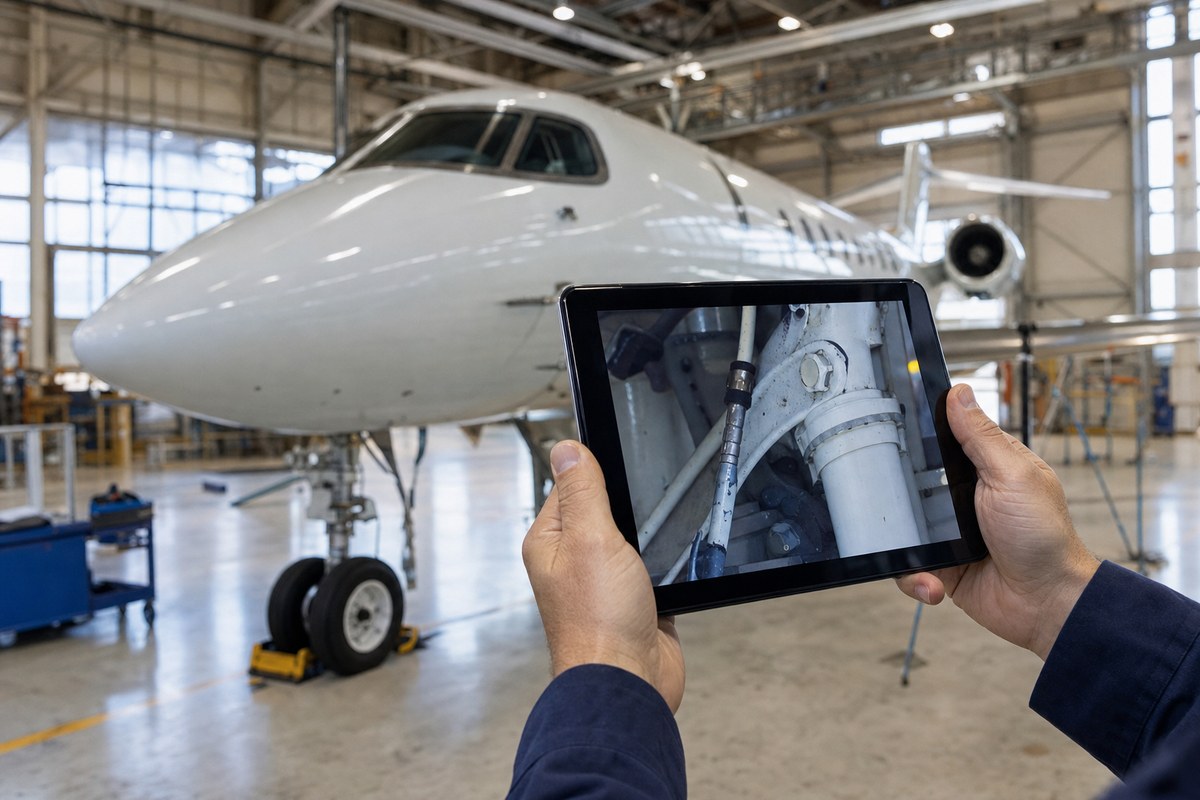
The FAA notes that general aviation operators — including private owners, flight schools, and small maintenance shops — typically lack commercial airline budgets and are turning to consumer-grade platforms. AR systems using tablets or smart glasses let technicians overlay wiring layouts and torque specifications onto physical hardware and collaborate in real time with off-site senior technicians, while VR headsets provide interactive simulations for training. Remote diagnostic systems use sensors and predictive analytics to monitor temperature, vibration, pressure, or system status.
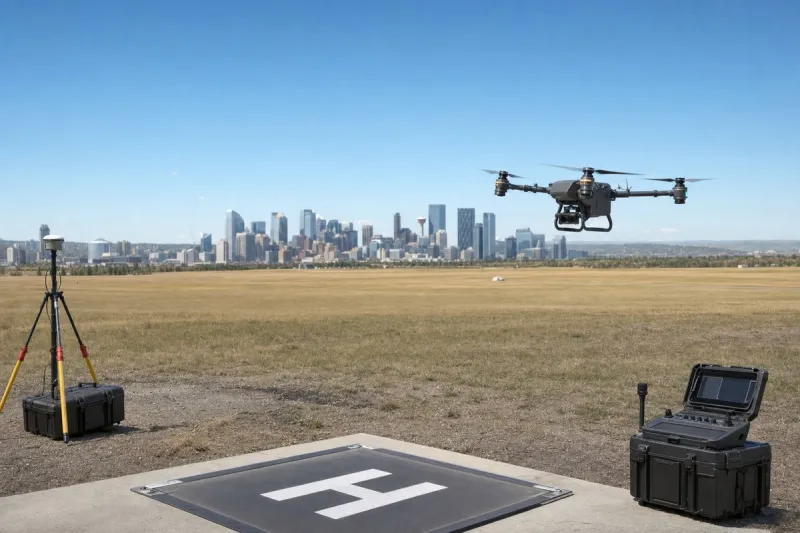
The FAA stresses that remote technology cannot replace physical presence where tactile assessment, manual manipulation, or non-destructive testing is required, and that 14 CFR Part 43 sensory checks must be performed by a qualified mechanic. Any sUAS operations around hangars or ramps for inspection must comply with 14 CFR Part 107, requiring licensed drone pilots and registered aircraft. Unless specifically authorized by applicable regulations, approved maintenance programs, or approved maintenance data, remote technology does not replace required inspection methods, maintenance procedures, or personnel qualifications, the FAA states.