FAA Expands eVTOL and Autonomous Aircraft Real-World Testing Across the U.S. in 2026
Why It MattersBroader U.S. testing infrastructure signals gradual progress toward integrating advanced air mobility aircraft into commercial airspace, though certification and operational hurdles remain unresolved.
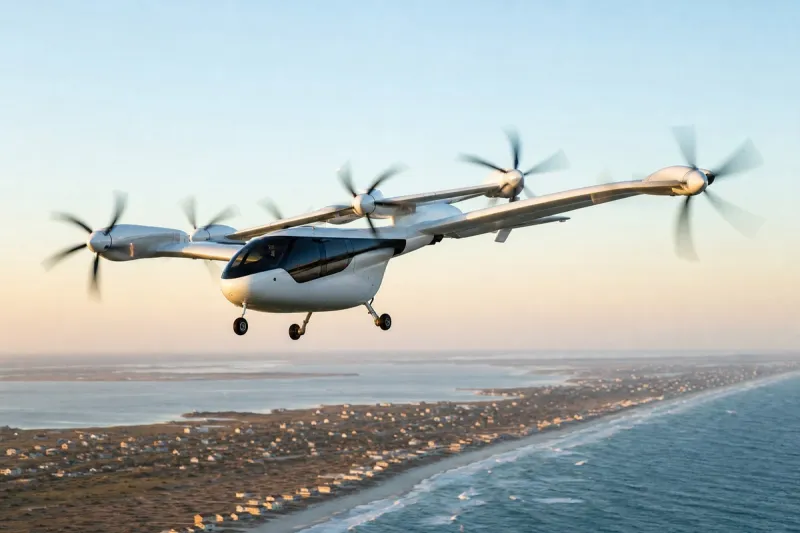
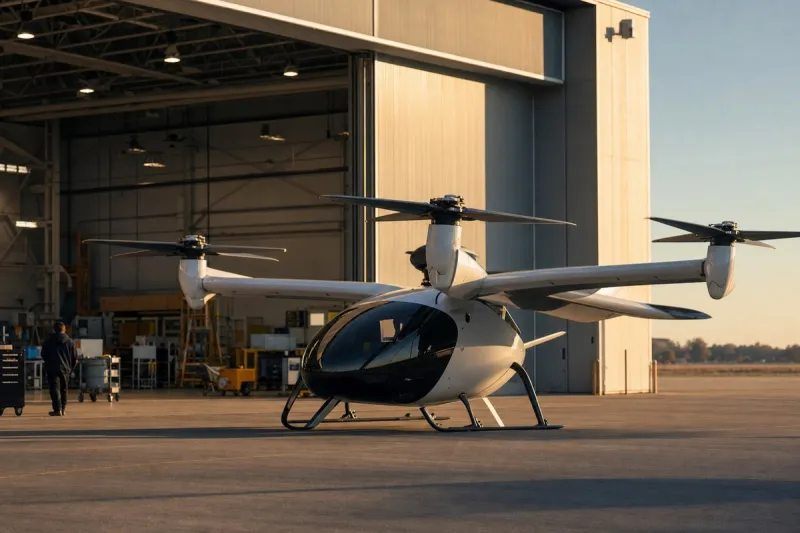
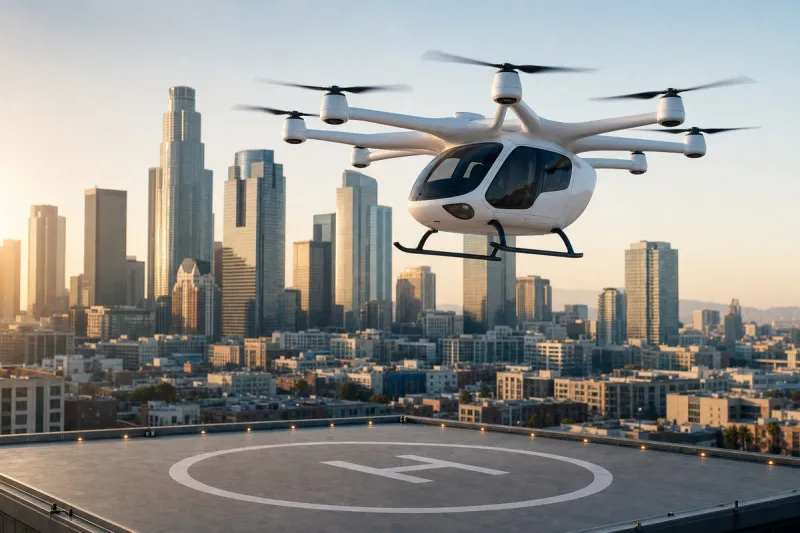
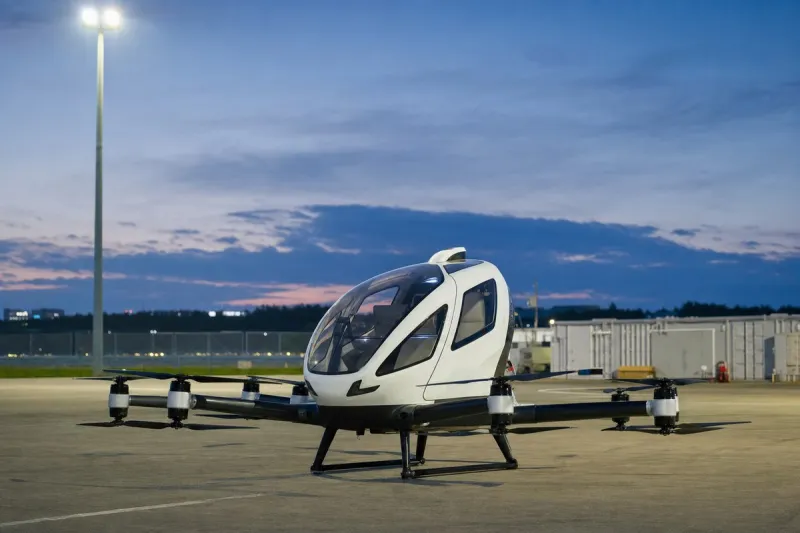
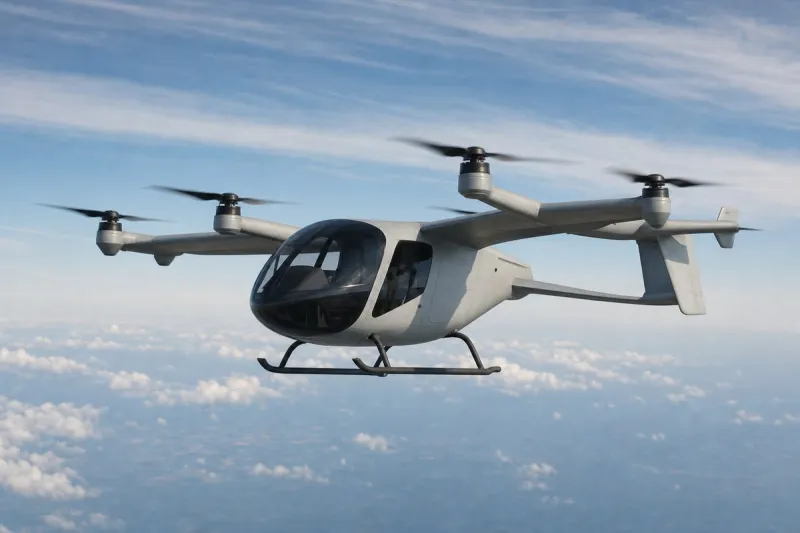
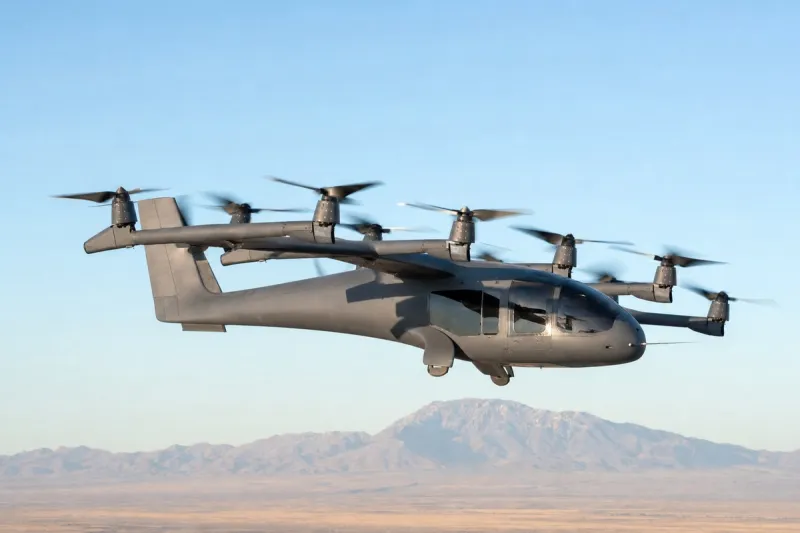
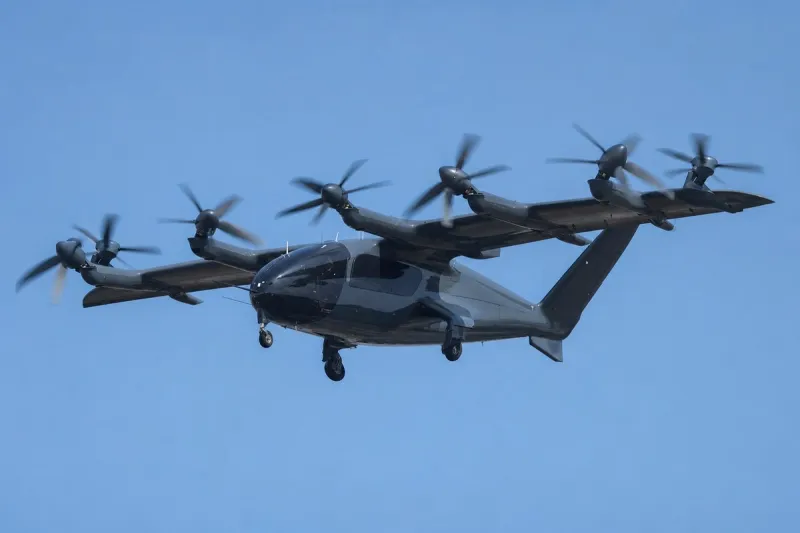
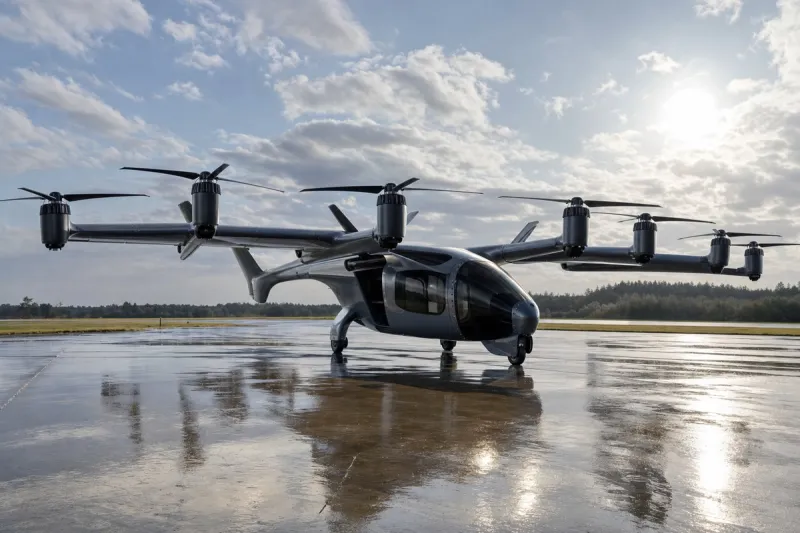
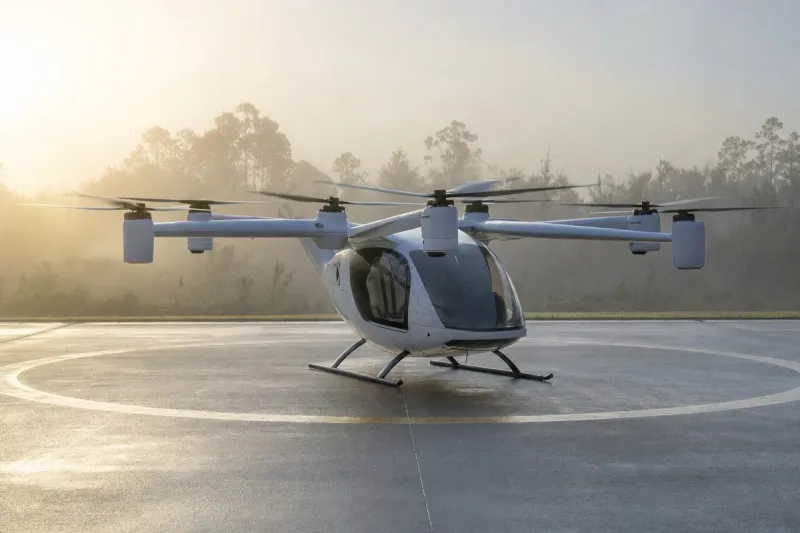
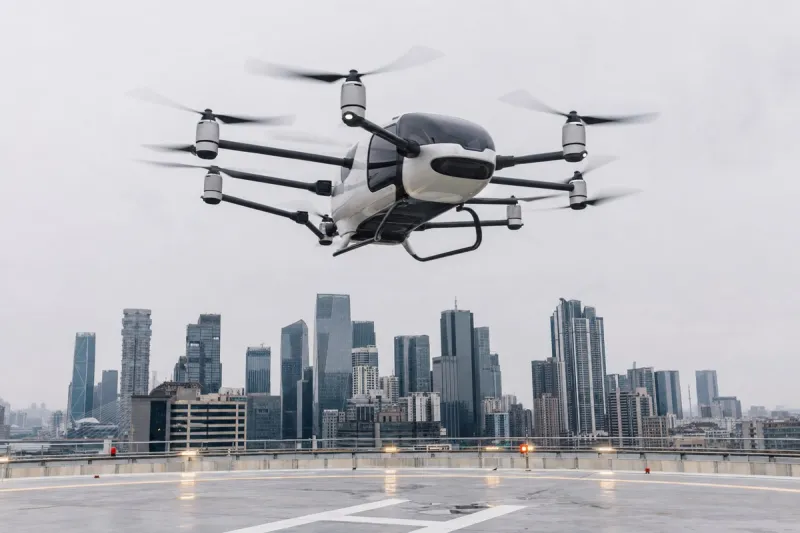
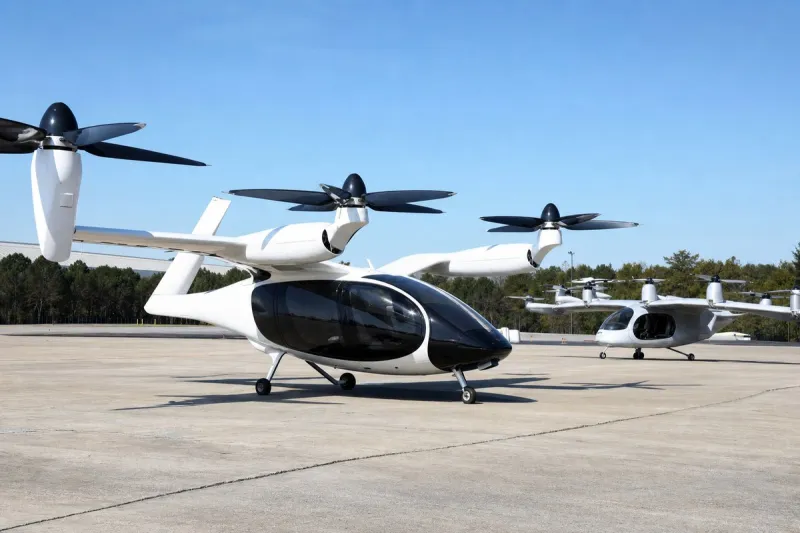
The Federal Aviation Administration significantly expanded real-world testing of electric vertical takeoff and landing aircraft, autonomous cargo planes and heavy-cargo drones in 2026, moving these technologies closer to commercial integration. In March 2026, the FAA selected eight pilot projects under its eVTOL and Advanced Air Mobility Integration Pilot Program, spanning 26 states and covering urban air taxis, regional passenger transportation, cargo and logistics, emergency medical operations, autonomous flight and offshore or energy-sector transportation, designed to collect operational data and develop procedures for integrating advanced aircraft into the National Airspace System.
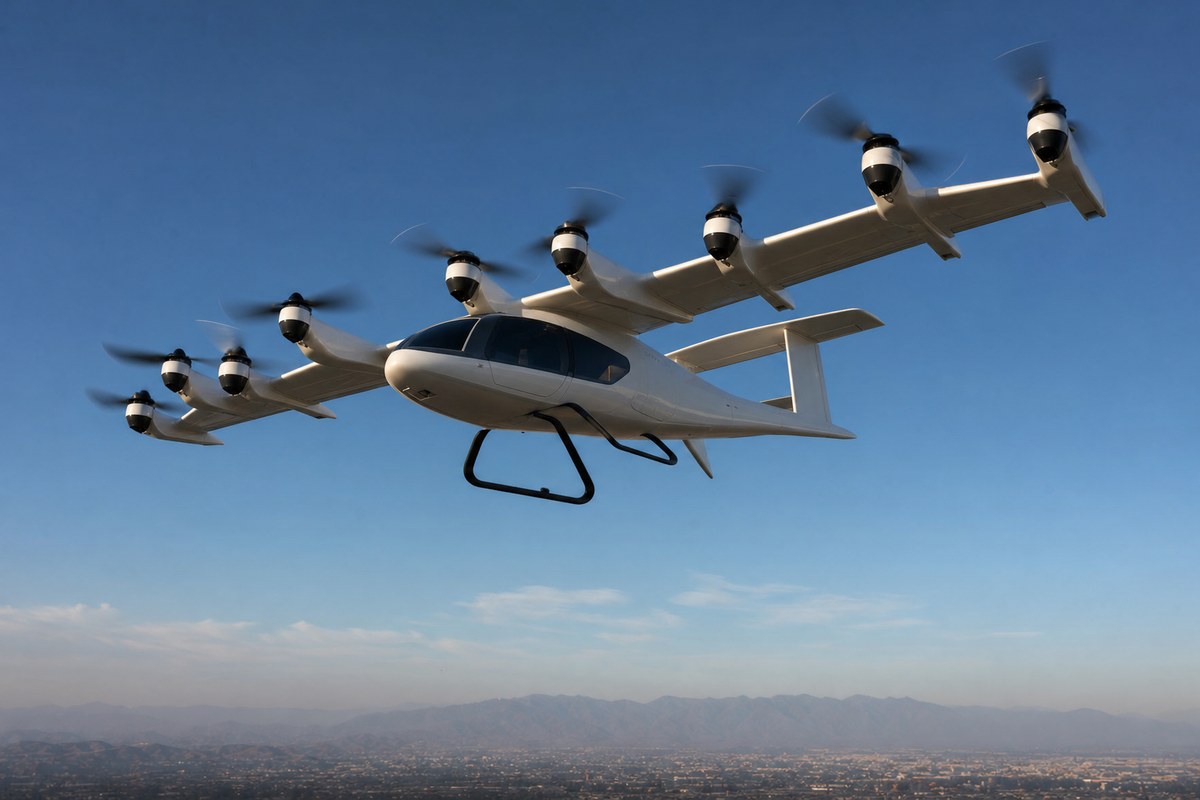
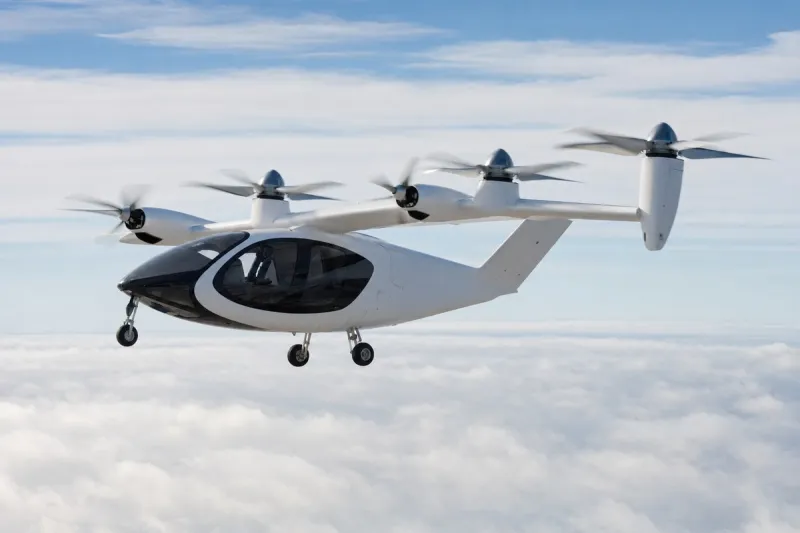
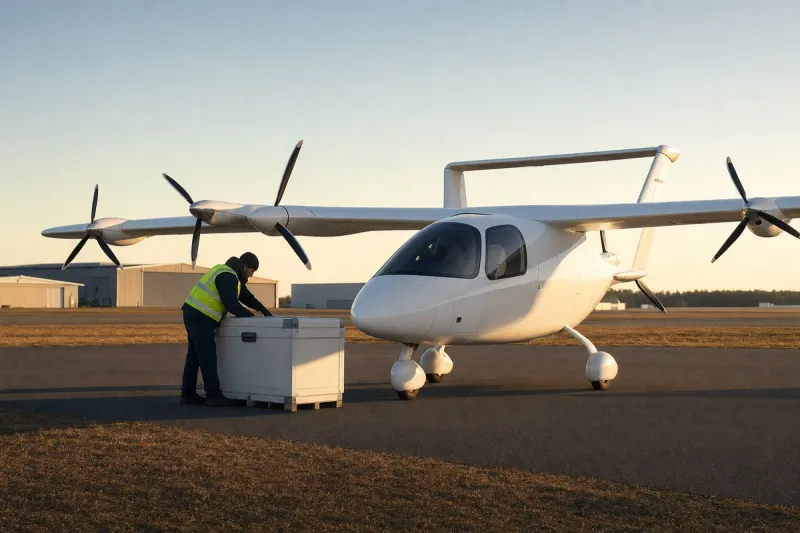
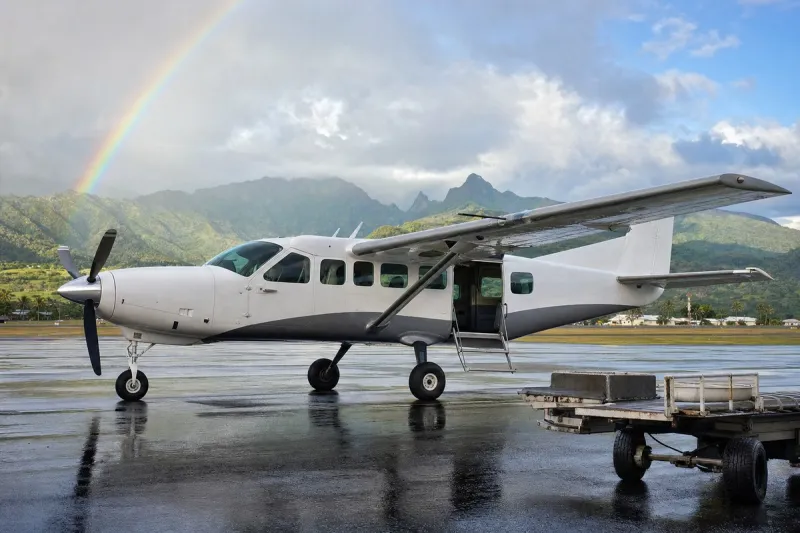
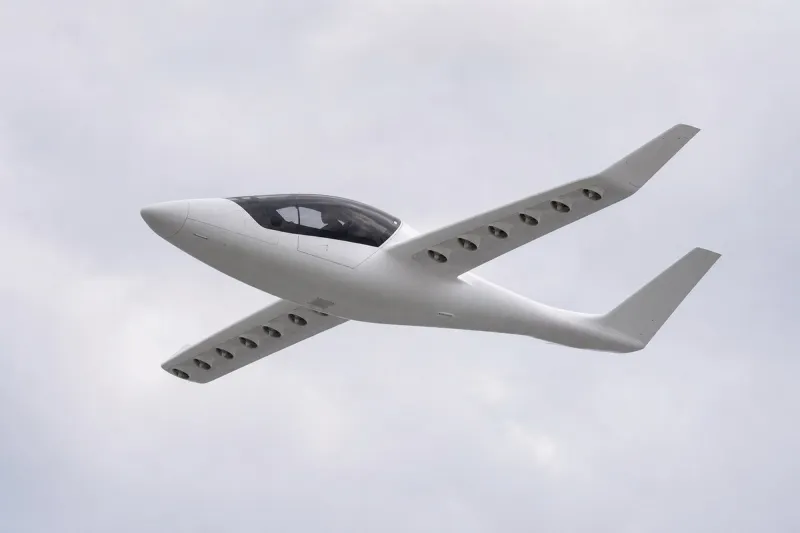
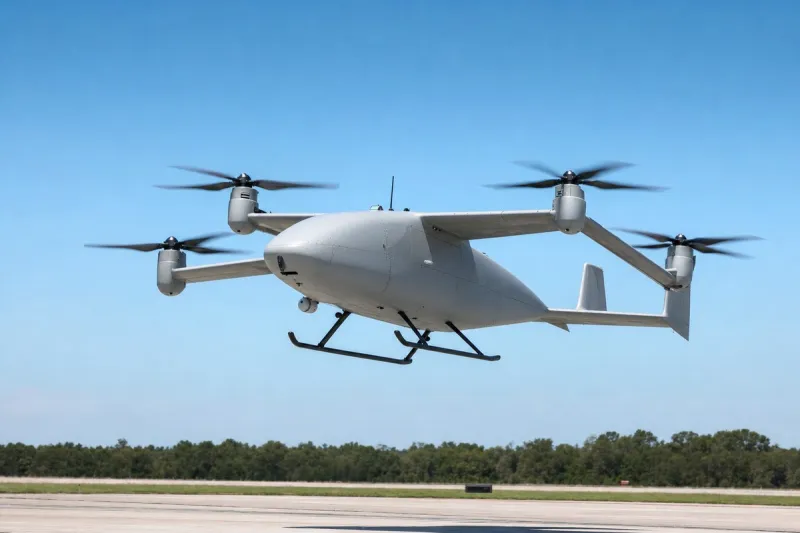
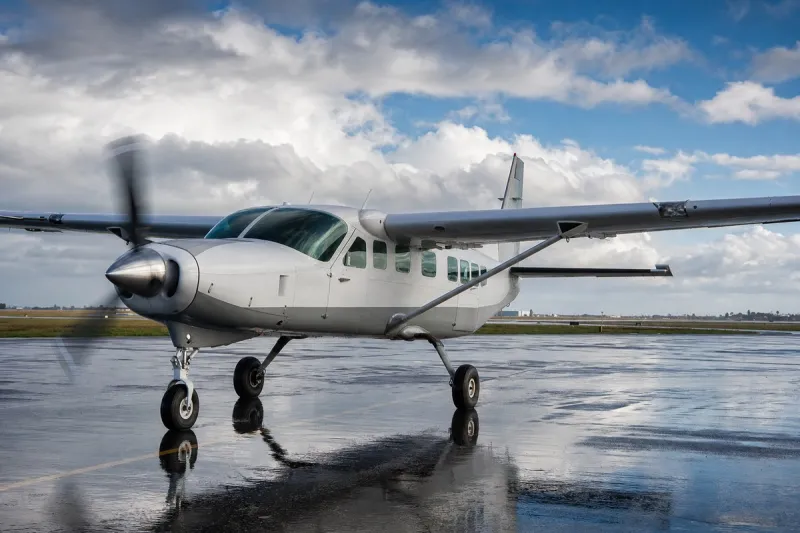
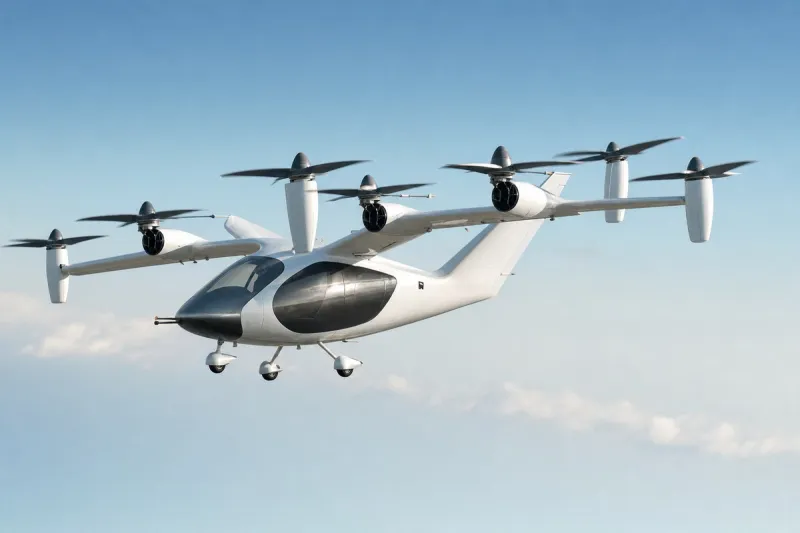
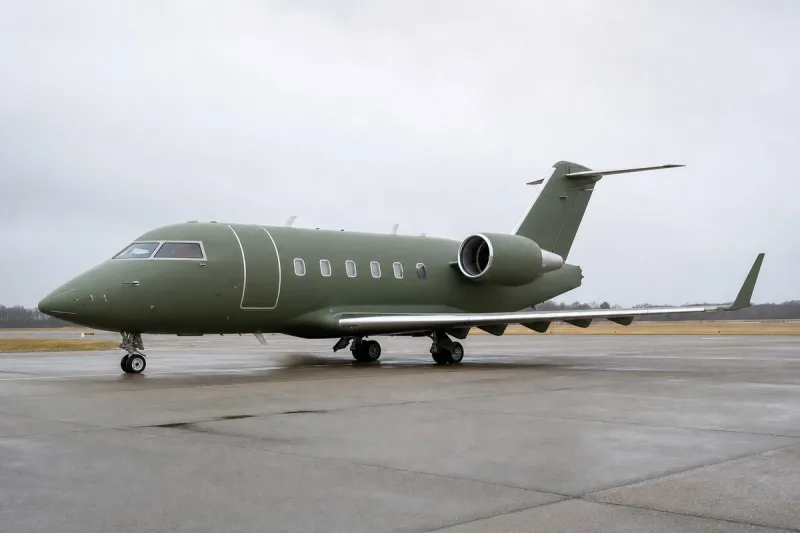
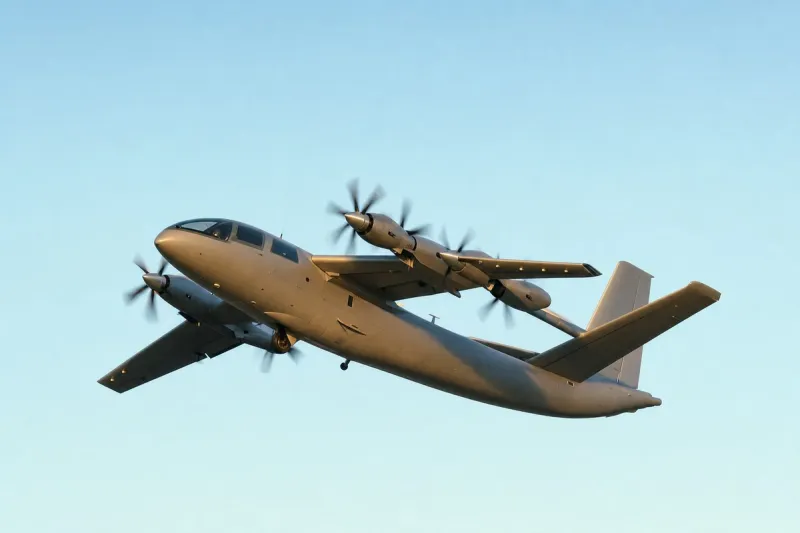
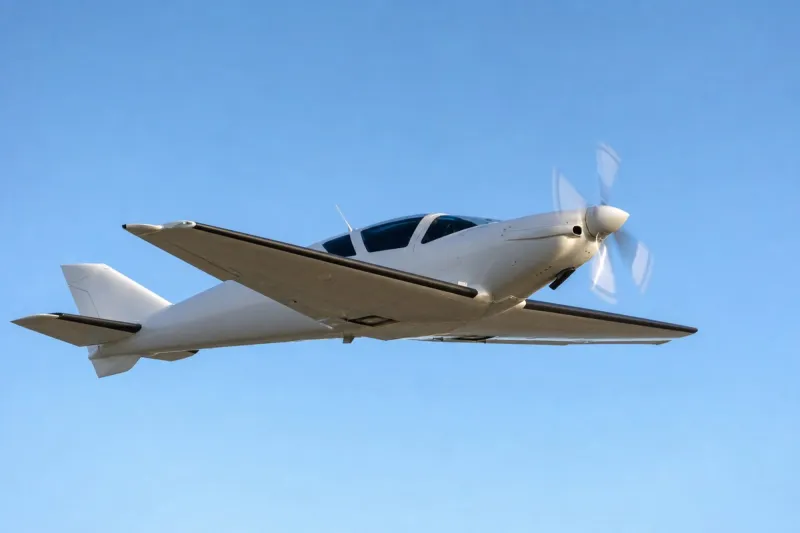
In July 2026, BETA Technologies and United Therapeutics, working with the Pennsylvania Department of Transportation, conducted a multi-stage medical-transport demonstration using BETA's ALIA electric aircraft, transporting a medical organ between Virginia and Maryland via two ALIA aircraft and multiple airports. In August, Electra and transportation authorities in Pennsylvania and New Jersey conducted hybrid-electric flights connecting smaller airports with larger aviation hubs across Virginia, New Jersey and Pennsylvania. Also in August, the FAA announced a demonstration by Elroy Air and the Louisiana Department of Transportation and Development involving the Chaparral, a hybrid-electric vertical takeoff and landing aircraft for heavy cargo, which conducted a cargo demonstration at Houma-Terrebonne Airport in Louisiana under the program. Separately, Reliable Robotics and the City of Albuquerque are testing an autonomous regional cargo aircraft concept using a modified conventional airplane equipped with autonomous safety technology, including radar developed by Reliable Robotics.
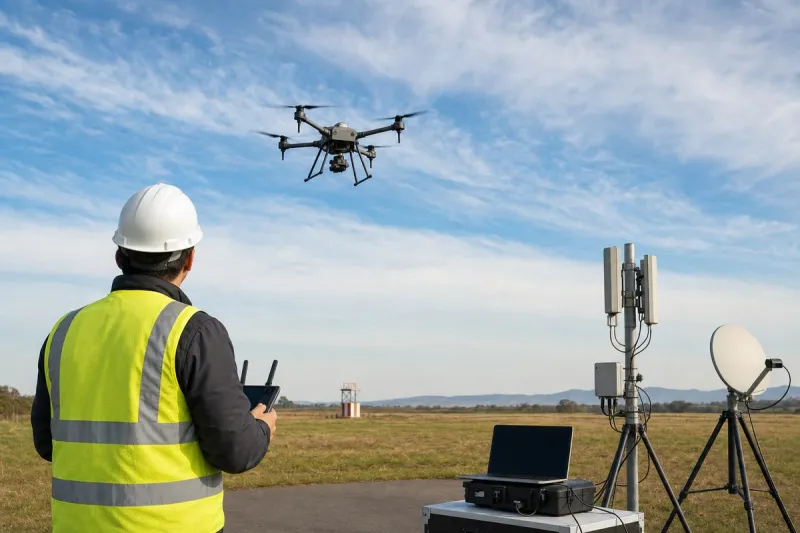
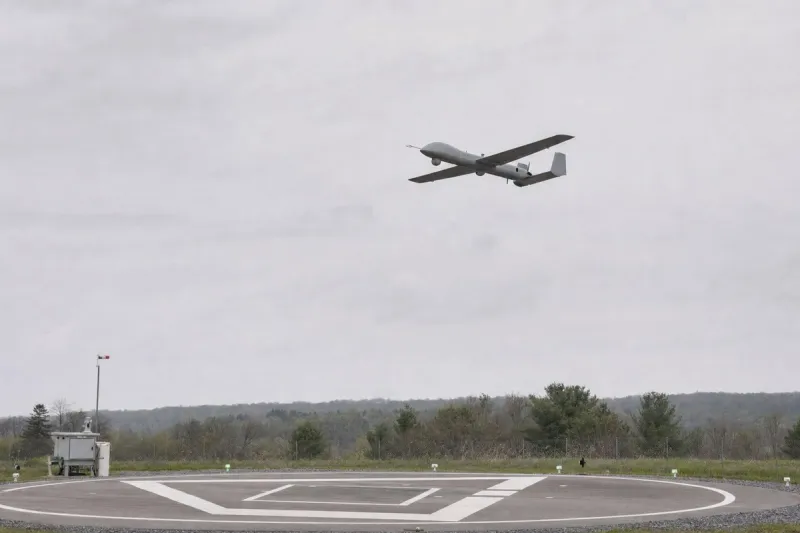
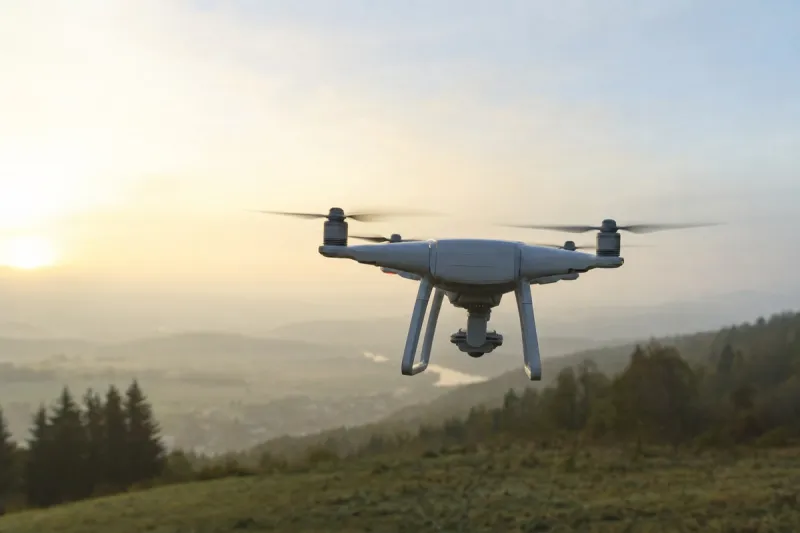
The FAA added two additional test sites to its UAS Test Site Program in 2026, bringing the total to nine, supporting research including Beyond Visual Line of Sight flight operations. NASA is contributing through its AAM National Campaign, using simulations and flight tests to study automated and remotely piloted aircraft operations, and is developing RAVEN, an approximately 1,000-pound-class unmanned research aircraft built with Georgia Tech, intended as an open flight-research platform generating publicly available flight-test data. Officials and researchers note that flight hours alone do not confirm commercial readiness, citing remaining challenges including battery energy density, autonomous decision-making, weather tolerance, noise, maintenance, certification and airspace integration.