Hydrogen Aviation Start-ups Turn to Defence as ZeroAvia Halves Workforce and Stralis and Maeve Fail
Why It MattersDefence customers are becoming the near-term revenue route for hydrogen propulsion developers as commercial airliner timelines slip and private funding for the sector tightens.
Several hydrogen and hybrid-electric aviation start-ups have failed or retrenched, and some survivors are turning to defence customers for near-term revenue.
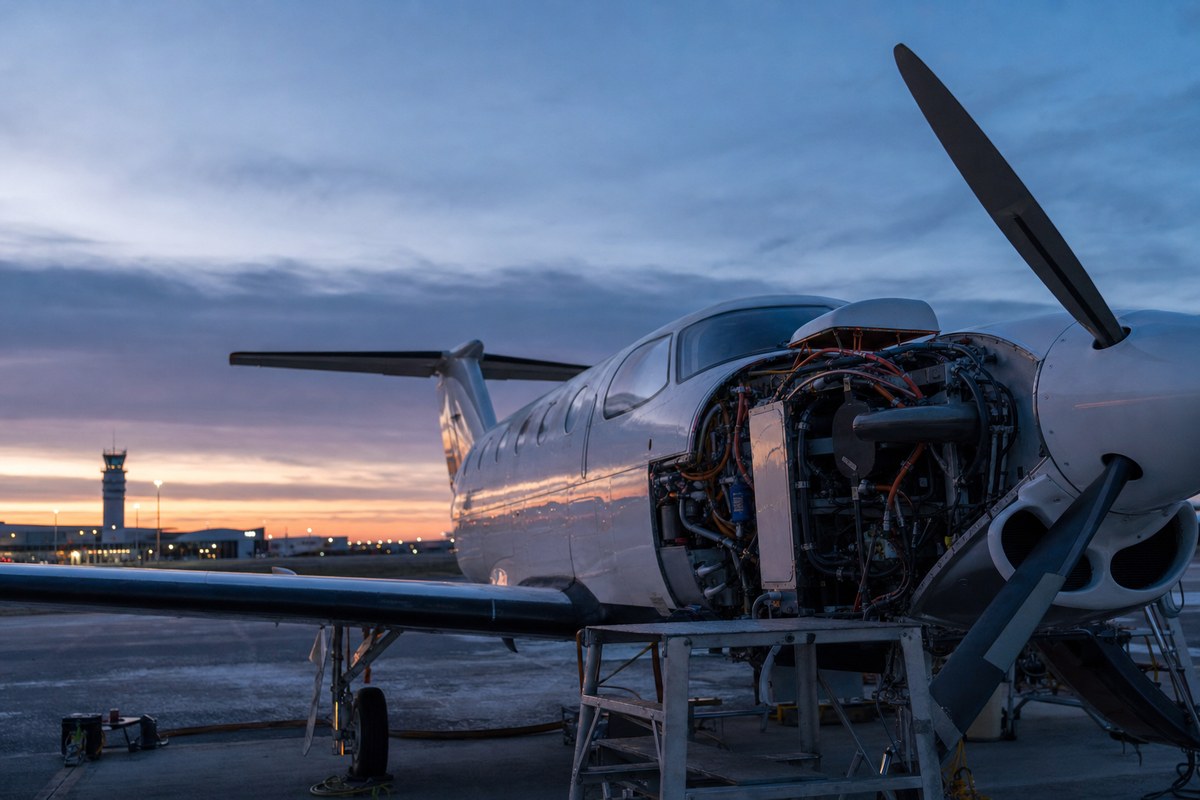
ZeroAvia cut its headcount by roughly 50 per cent in early 2026. Founder Val Miftakhov stepped down as chief executive on 26 May 2026, and Christine Ourmières-Widener took the role on an interim basis while a permanent successor is sought. The company also shut its research and development facility in Everett, Washington. A funding round of undisclosed size that closed in December 2025 brought in Barclays Climate Ventures, Breakthrough Energy Ventures, the National Wealth Fund and the Scottish National Investment Bank, among others.
Other companies have fallen away. Universal Hydrogen shut down in 2024 after being unable to close new investment; backers who had put in around $100 million included Airbus Ventures, American Airlines, JetBlue Ventures, GE Aviation and Toyota Ventures. Before closing, it flew a converted Dash 8-300 named Lightning McClean on hydrogen fuel cells, which it called the world's first such flight of a large turboprop. Australian start-up Stralis Aircraft abandoned its hydrogen propulsion programme in August 2026 after failing to raise funds.
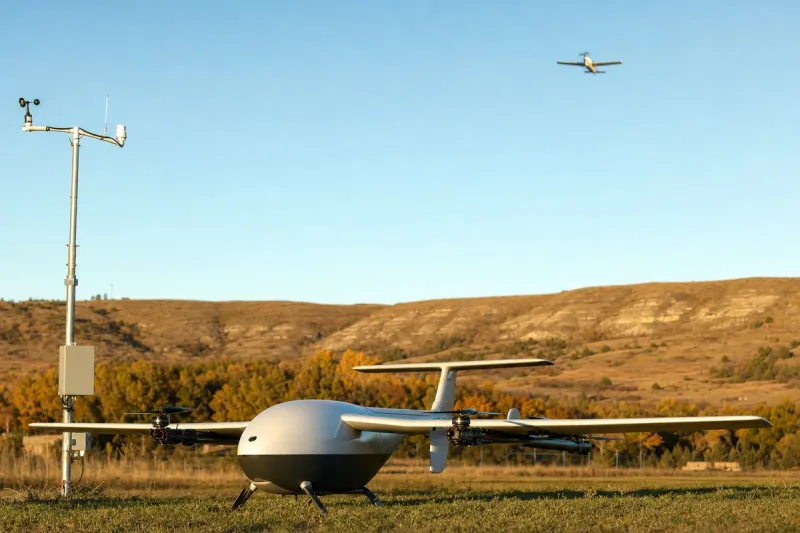
In July 2026, ZeroAvia and Marshall Aerospace signed a collaboration agreement on hydrogen-electric propulsion and power for defence platforms. Priority applications include uncrewed aerial systems, ISR aircraft, logistics, training and special mission platforms, and the scope covers hydrogen storage, systems integration, thermal management, weight and balance, safety, certification and through-life support. Ourmières-Widener said the board's mandate was to de-risk the roadmap and become revenue positive as soon as possible, and that there is strong demand and expectation from defence.
The commercial backdrop is also difficult: in February 2025 Airbus confirmed its ZeroE hydrogen airliner would not meet its 2035 service-entry target.