eVTOL Pilot Training Takes Shape But Key Gaps Remain, Industry Insiders Say
Why It MattersTraining infrastructure gaps across simulators, instructors and licensing standards could become a bottleneck limiting how fast certified eVTOL operators can scale commercial service.
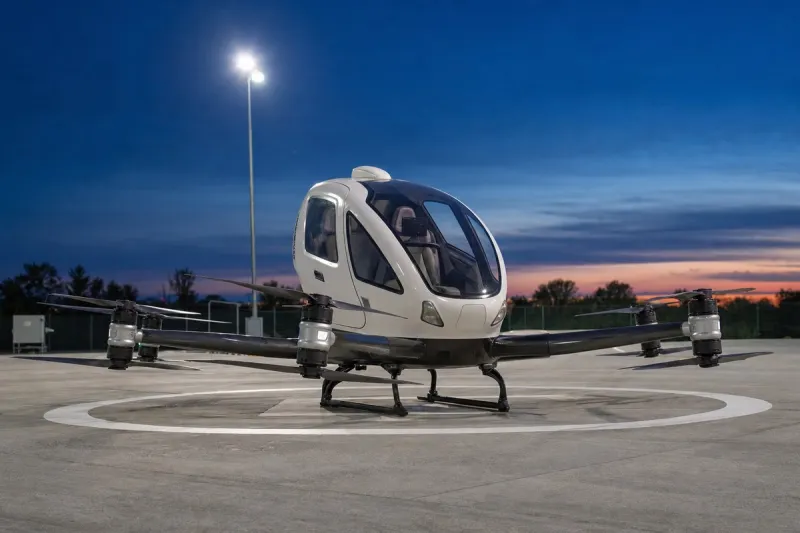
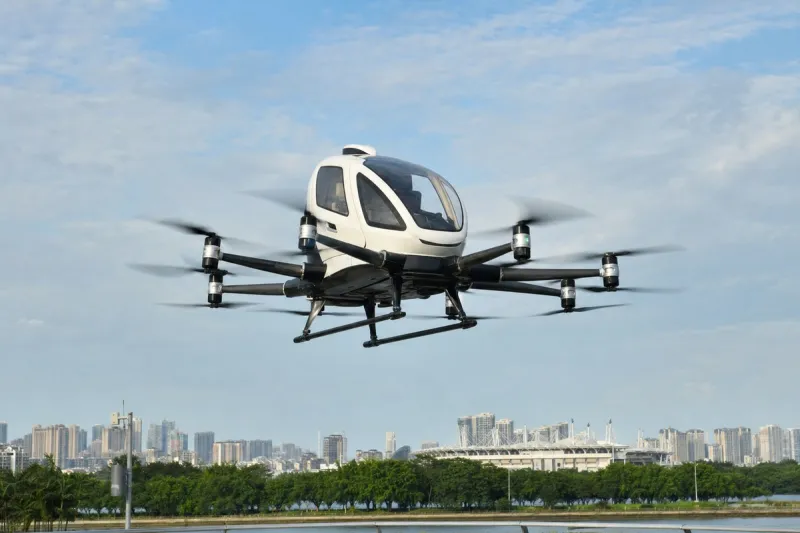
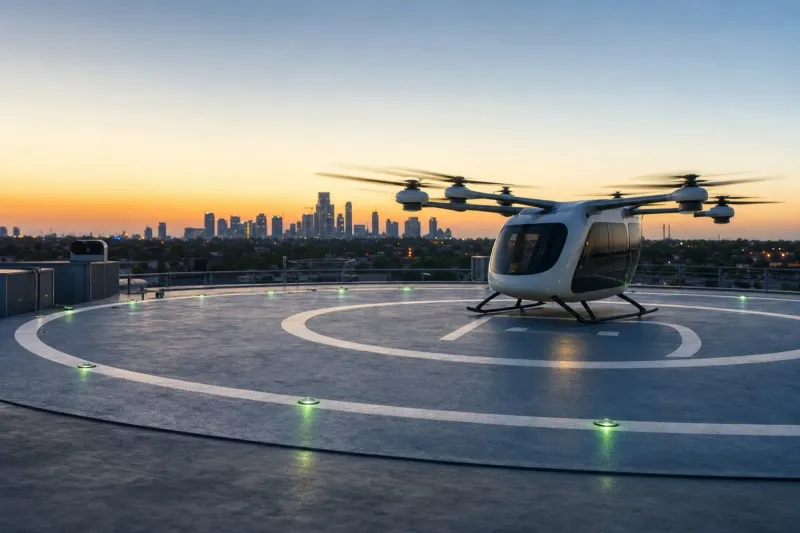
A review by CAT magazine, drawing on interviews with Joby Aviation, Vertical Aerospace, Eve Air Mobility, CAE, FlightSafety International and Aeromedia Consulting, found that infrastructure to train pilots and aircraft maintenance technicians for commercial eVTOL operations is beginning to develop, though significant gaps remain. Kenneth Swartz of Aeromedia Consulting said the challenge is not the rush to certification but a lack of eVTOL aircraft and instructors, with too few pilots holding powered-lift licenses to begin training others. Standards, syllabi, instructional aids and licensing frameworks for eVTOL pilots and technicians have yet to converge.
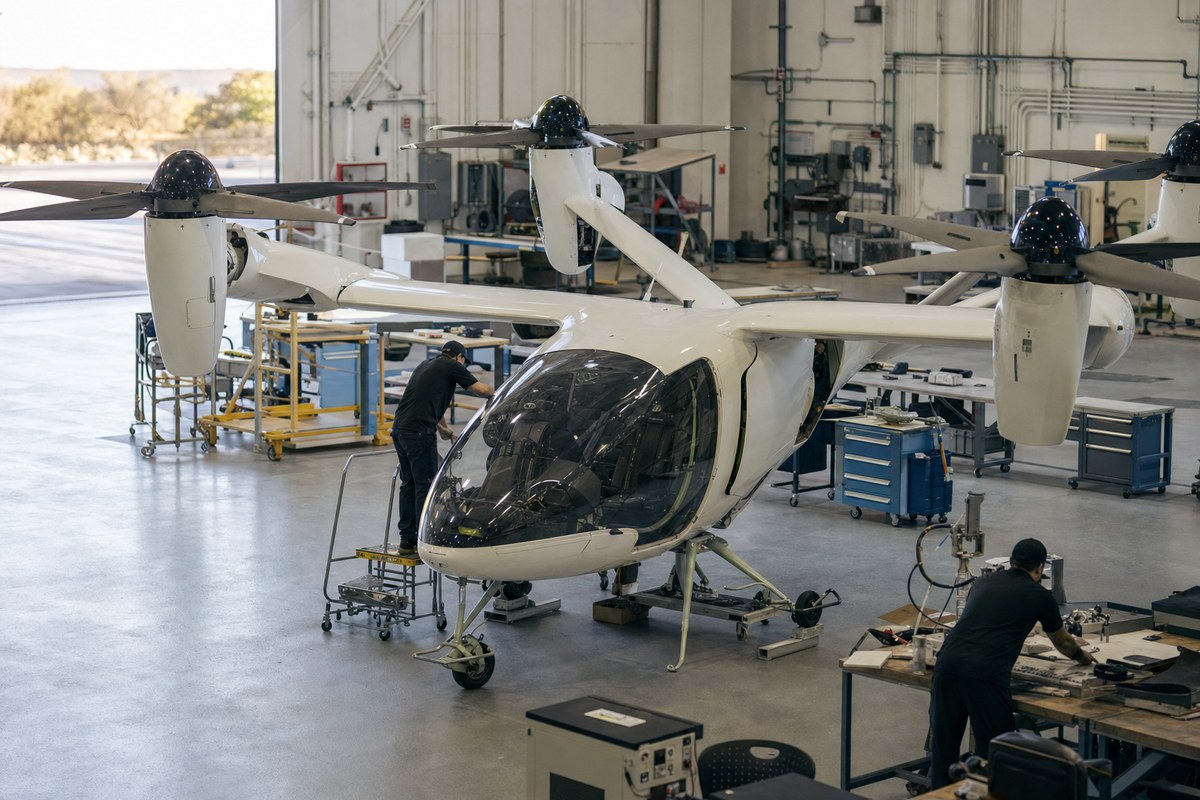
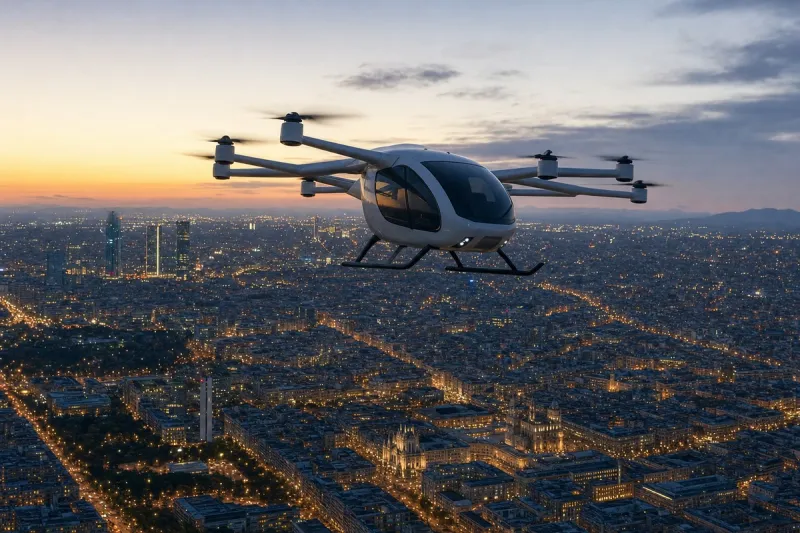
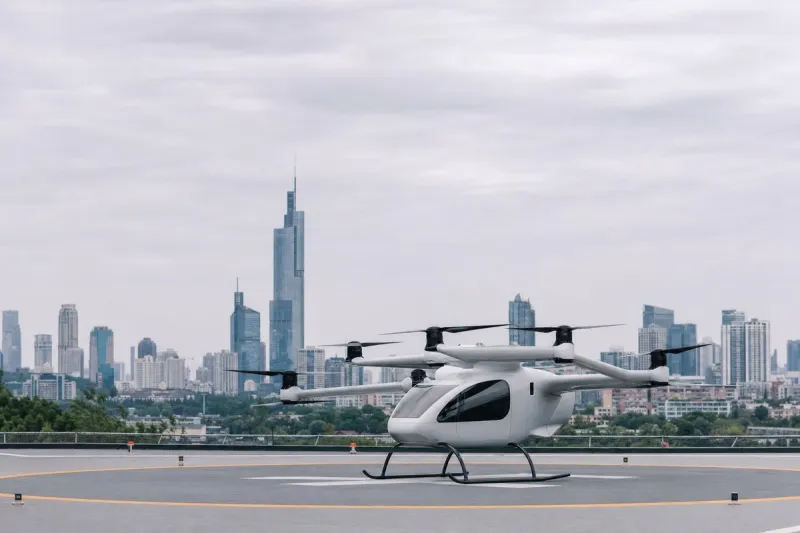
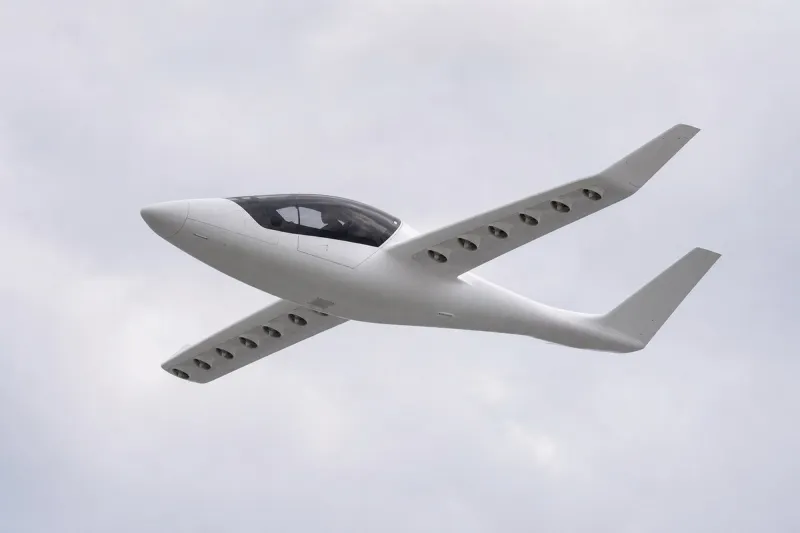
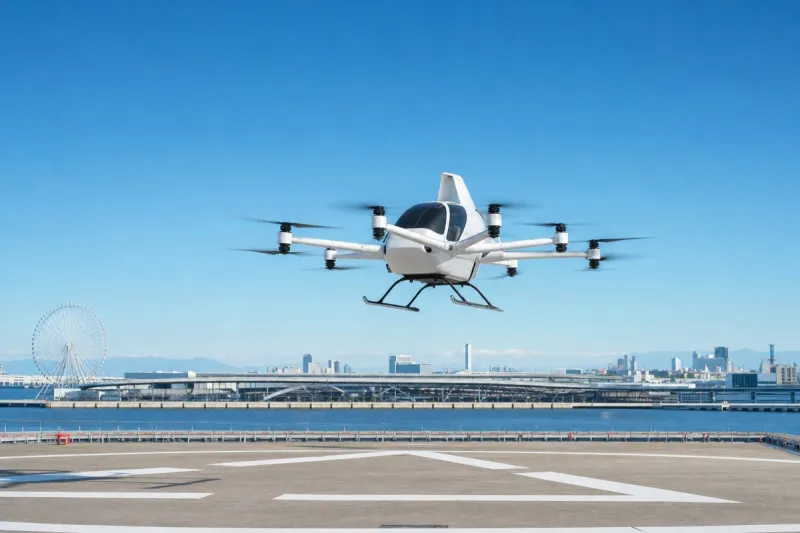
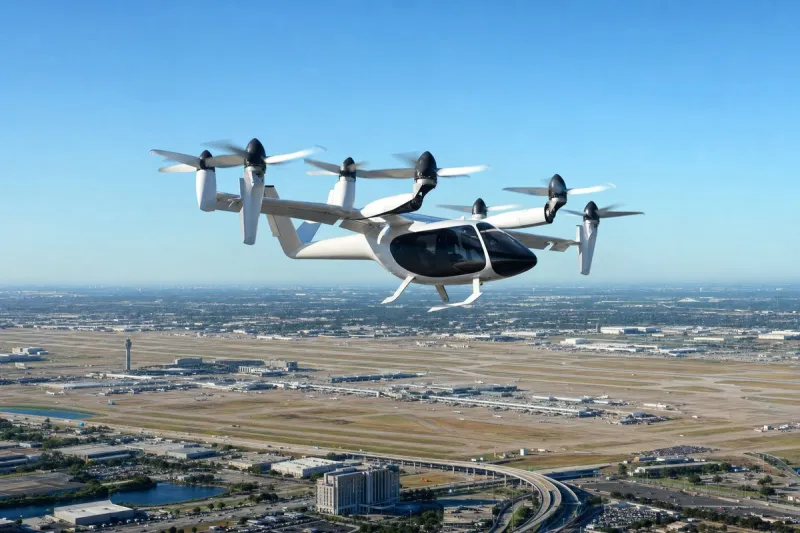
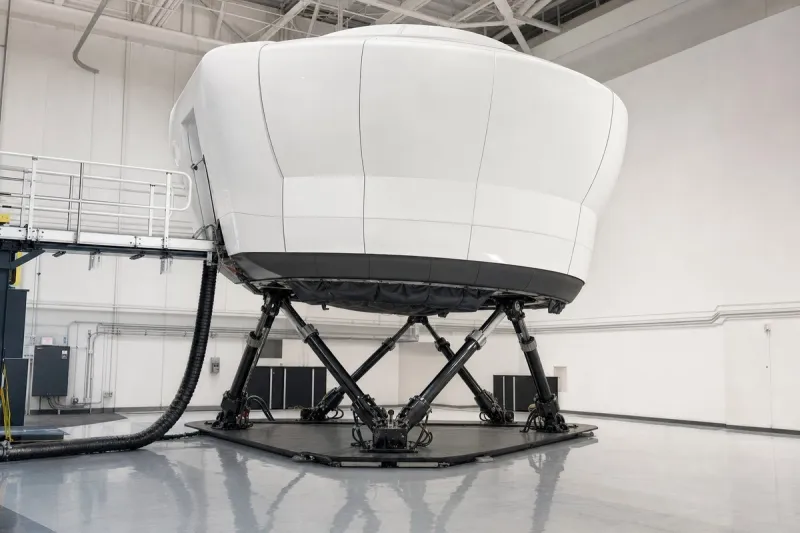
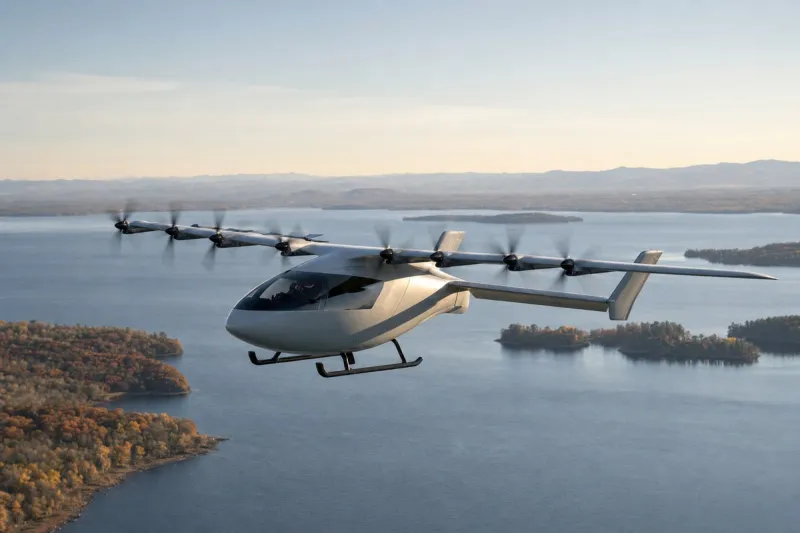
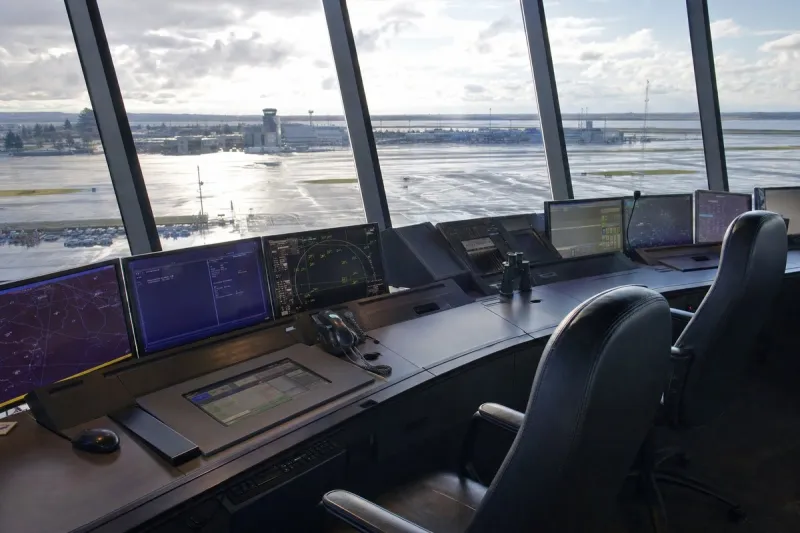
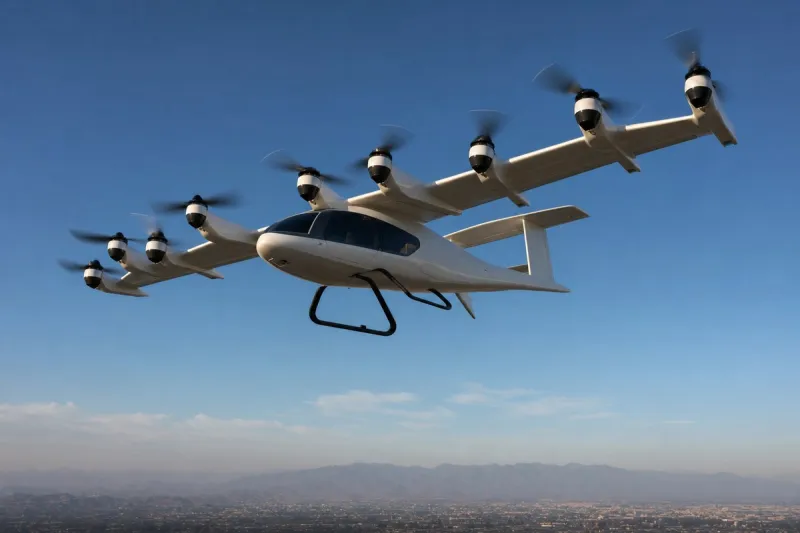
CAE Vice President Camille Mariamo said the company is developing simulators and training programs with Joby, Vertical and Eve Air Mobility, noting that commercial deployment timing depends on certification but that the industry is preparing now. Joby's President of Operations, Bonny Simi, described a two-part training programme at its Watsonville, California academy: an ab initio Part 61 fixed-wing programme using Vans RV-12 aircraft, followed by separate eVTOL pilot training. Joby achieved Part 141 flight school status about a year ago and has trained more than 1,000 students in ground school. Joby has received a CAE S4 Level 7 Flight Training Device and expects its first CAE Level C full flight simulator later this year, which will allow training of up to 250 pilots annually once operational; the production S4 aircraft carries one pilot and four passengers at up to 200 mph over a 100-mile range.
A May 2024 CAE report stated eVTOL aircraft would require new training approaches reflecting greater autonomy reliance, potentially incorporating VR, XR and AR. Market forecasts synthesised in the review project the eVTOL and advanced air mobility market growing from roughly $2-3 billion in the mid-2020s to $20-40 billion by the mid-2030s, with 8-12 credible OEMs expected near term narrowing to 5-8 certified OEMs by 2030-2040, and 20-40 operators with commercial eVTOL activity by 2030. Pilot demand is estimated in the low thousands worldwide near term, growing to tens of thousands by 2030-2040 if regulators require human pilots longer than OEMs expect, while cargo eVTOLs are expected to shift to uncrewed operations first. Analysts cited vertiport siting constraints, immature urban operational rules, battery energy-density limits, public resistance to low-altitude flight, and the sector's capital intensity as risks likely to drive further consolidation and failures before stable market winners emerge.