Widebody Airliners vs. Private Jets: Key Facts on Capacity, Range, and Efficiency
Why It MattersThe comparison underscores how widebody scheduled aircraft and private jets serve structurally different segments of air travel rather than competing on the same routes.
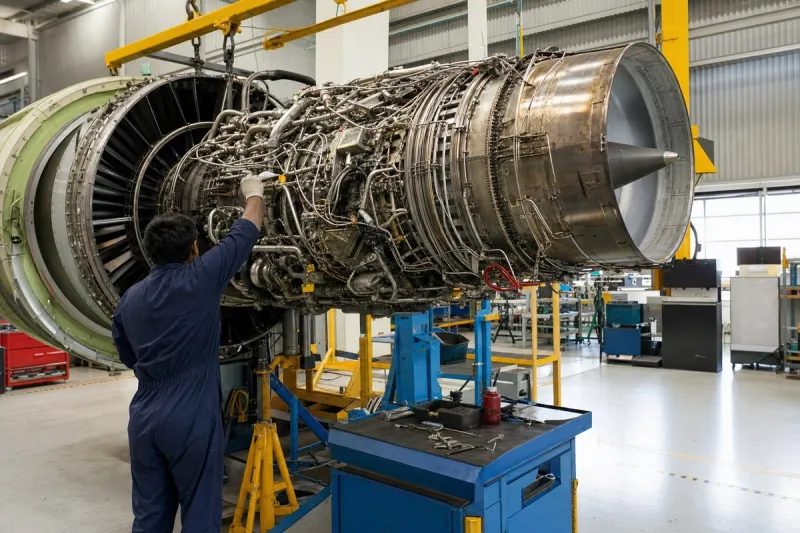
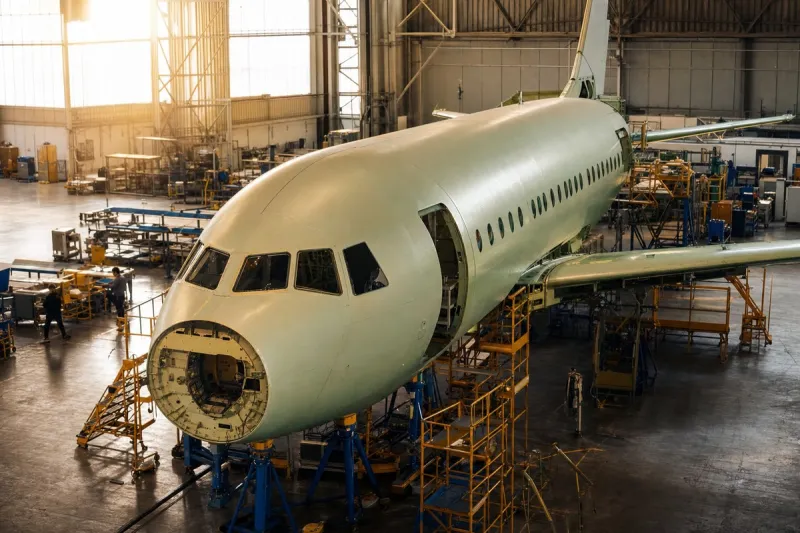
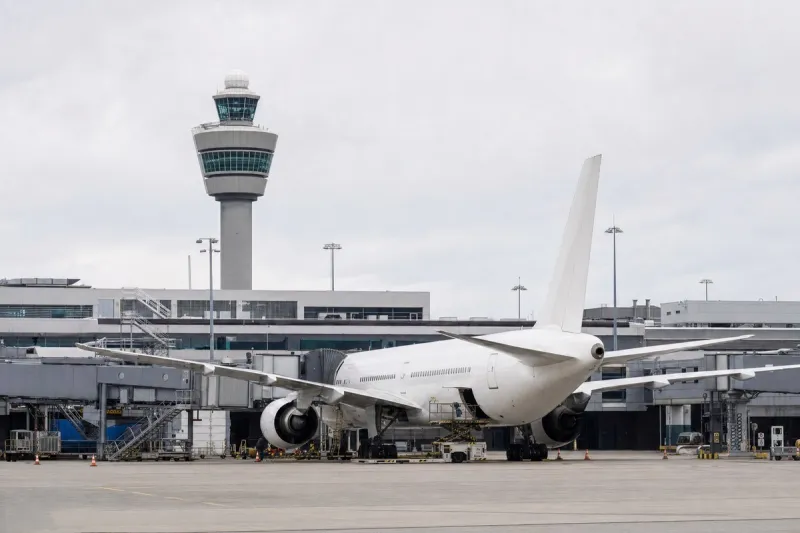
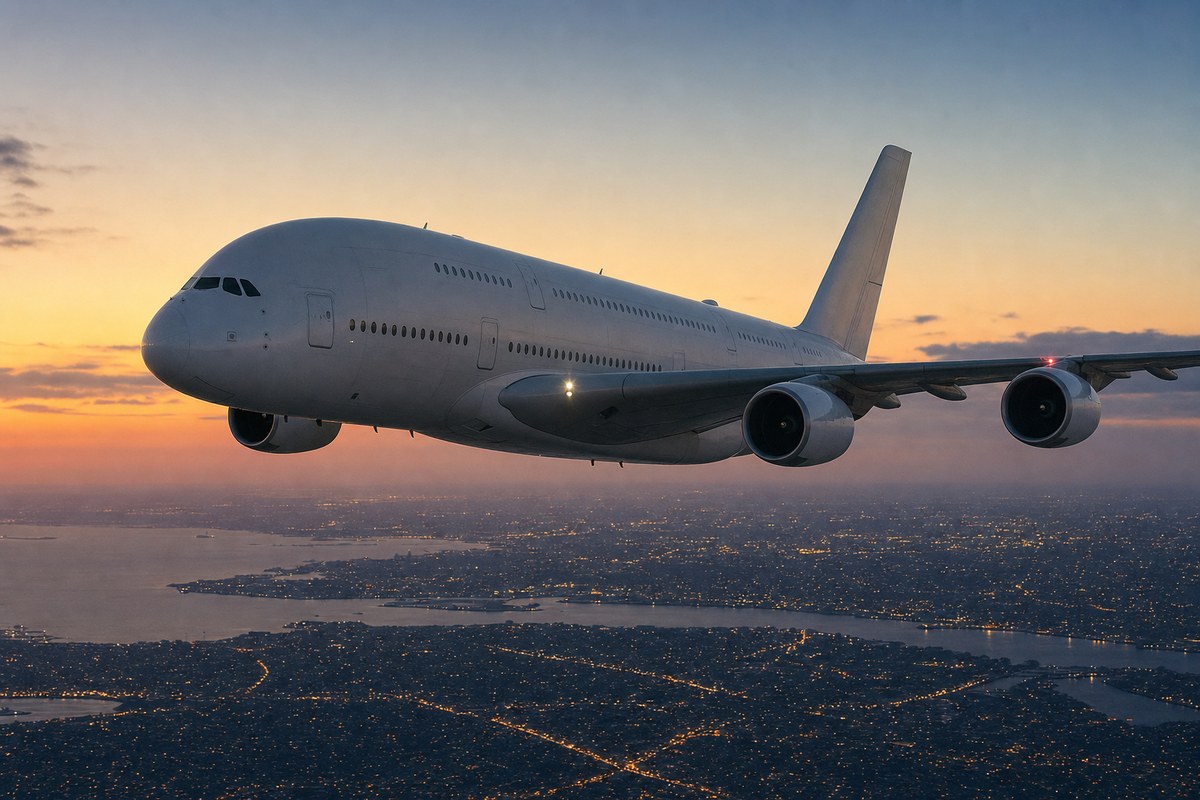
Widebody airliners, defined by twin-aisle cabins and fuselage diameters of 16 to 20 feet, carry between 250 and over 600 passengers and have anchored intercontinental travel since the Boeing 747 entered passenger service in 1970. The category includes the Boeing 747-400, which holds up to 624 passengers in high-density layouts, cruises at roughly 900–980 km/h and has a range of 11,430 km; the Airbus A380, the largest civilian airliner in the world, seating 471 passengers with a 12,920 km range and double-deck cabins featuring showers and lounges; the twin-engine Airbus A330-300, seating 250–300 with an 8,930 km range; and the now largely retired four-engine Airbus A340-600.
Newer widebody designs focus on fuel efficiency and comfort. The Boeing 787 Dreamliner is 25% more fuel-efficient than the aircraft it replaced, with a noise footprint 60% lower, and since entering service in 2011 has operated nearly 5 million flights carrying over 1 billion passengers. The Airbus A350, built from about 70% advanced composites and titanium, achieves roughly a 25% improvement in fuel burn, CO2 emissions and operating cost.
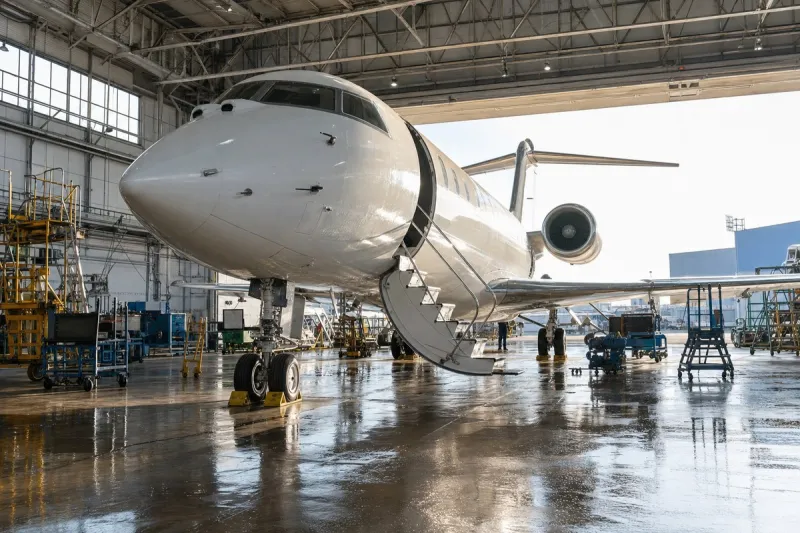
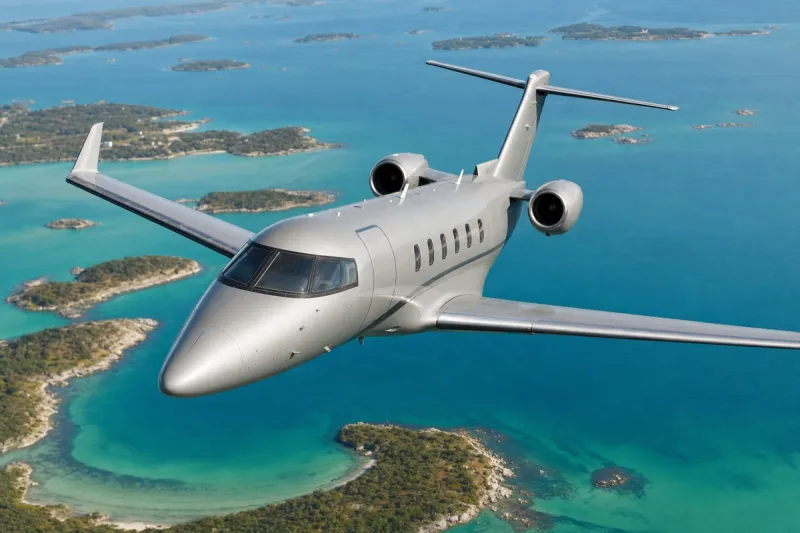
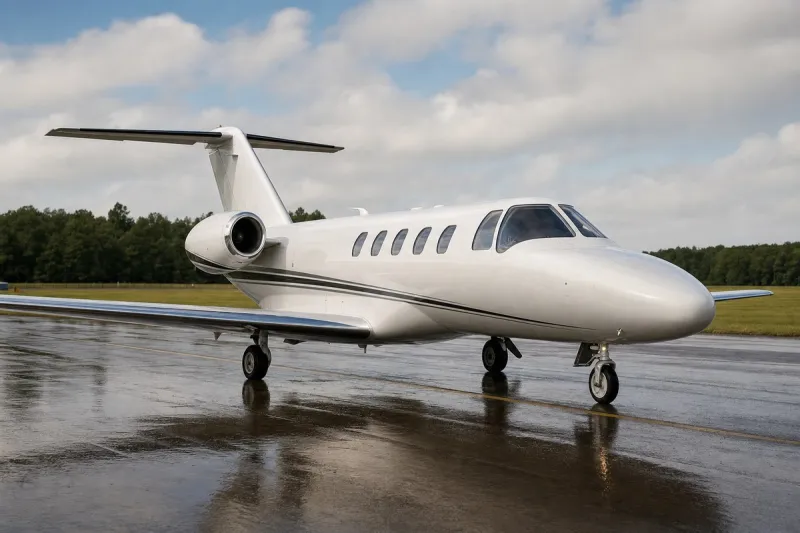
Widebody aircraft support long-haul sectors of 10 to 15 hours, such as New York–Tokyo or London–Johannesburg, and generate cargo revenue alongside ticket sales, with cabin layouts of 2-4-2, 3-3-3 or 3-4-3 seating roughly 250 to over 600 passengers. Private jets, by contrast, typically carry 8 to 16 passengers, with VIP airliner configurations holding 30 or more, offering access to smaller airports, traveller-set schedules and confidential in-flight discussions, while widebody aircraft offer better per-seat economics for groups of 200 to 400-plus passengers.