Honeywell: India Can Fast-Track SAF Production by Integrating New Technologies into Existing Refineries
Why It MattersFaster SAF scale-up pathways in a major market like India could narrow the gap between refinery-based production timelines and the fuel volumes airlines need to meet decarbonisation targets.
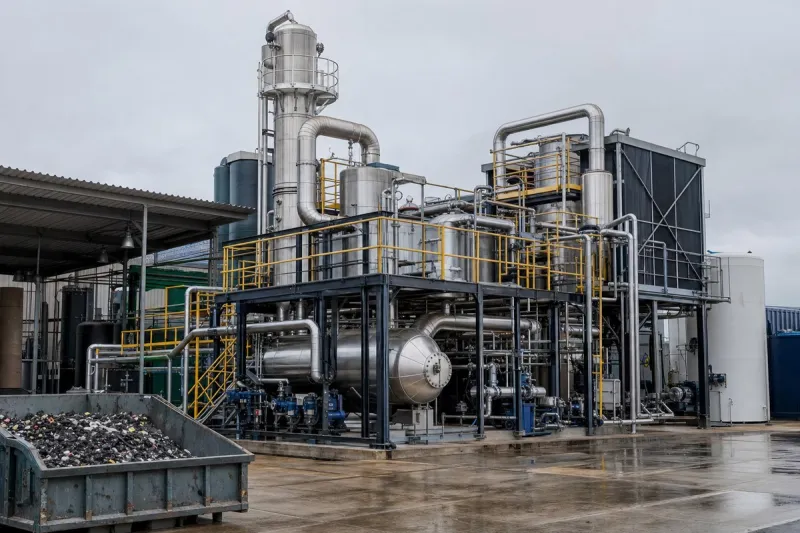
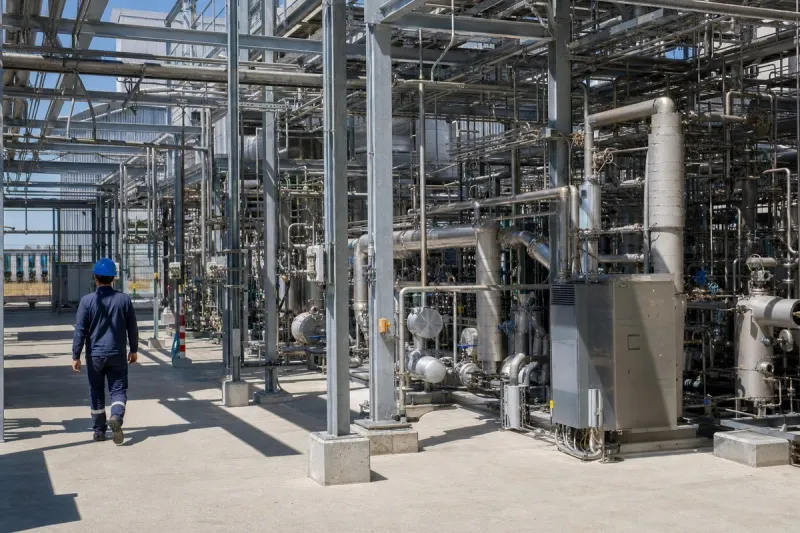
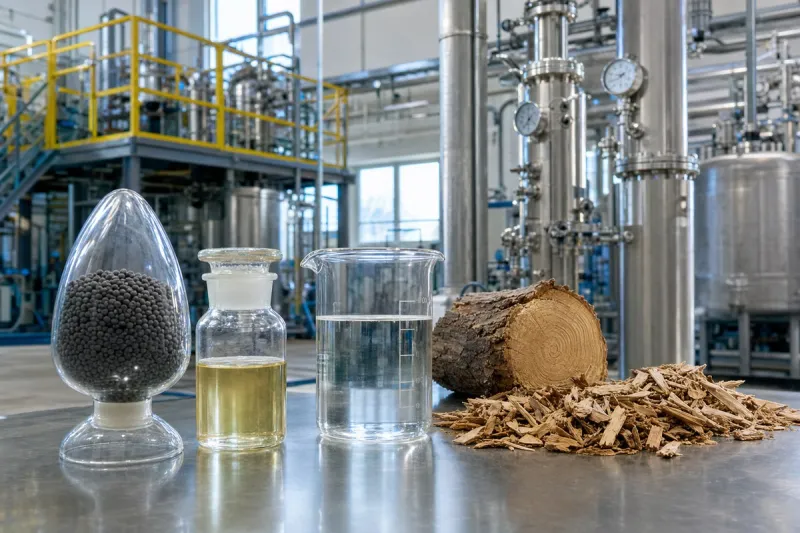
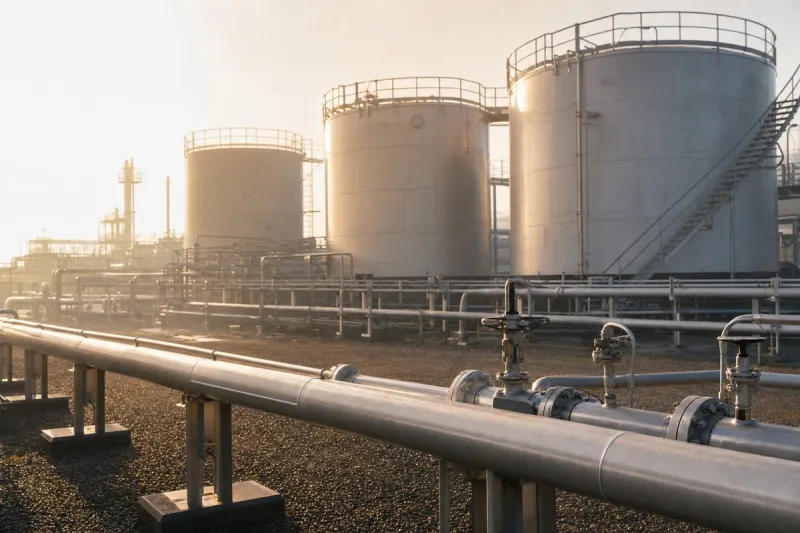
Honeywell has said India can accelerate sustainable aviation fuel (SAF) production by integrating new technologies into existing refinery infrastructure, potentially enabling initial volumes without waiting for large standalone plants to be completed. The company identified hydroprocessed esters and fatty acids (HEFA), using vegetable oils and fats as feedstocks, as the technology expected to lead in the early stages, since these materials share physical and processing characteristics close to jet fuel and can be incorporated into existing refinery and logistics infrastructure.
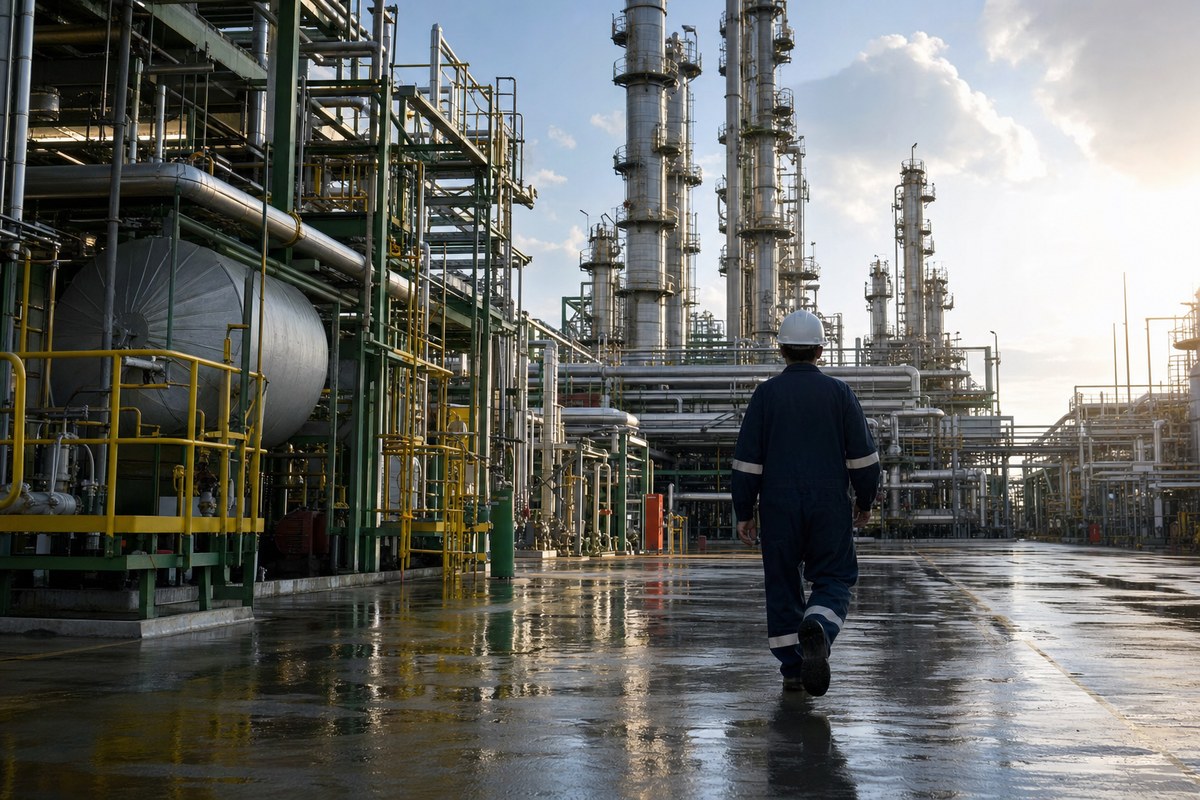
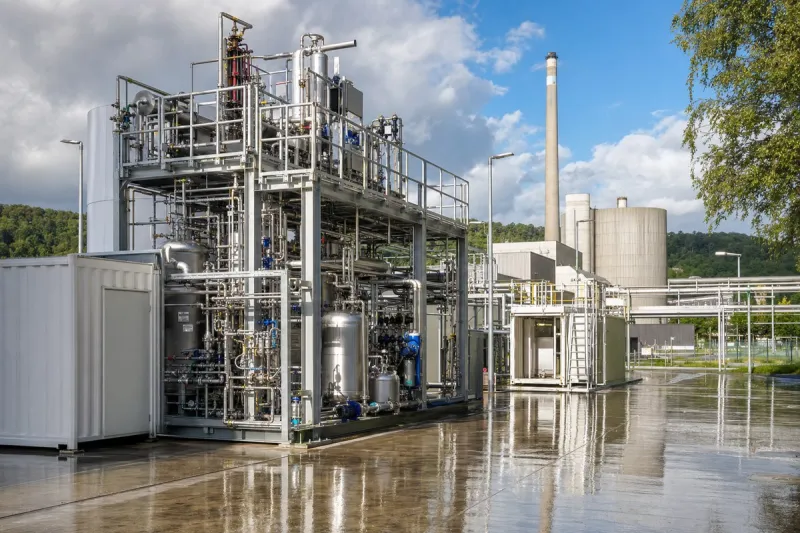
Honeywell also pointed to India's broader range of agricultural feedstocks, noting the country's ethanol and biomass resources could support alcohol-to-jet (ATJ) and biocrude pathways, while agricultural residues could provide additional SAF feedstock sources. The company said project timelines could be shortened by standardising plant sizes and configurations and replicating proven designs rather than developing each facility from scratch, noting that SAF projects in China can be completed in approximately 20 months, while projects in some other countries can take up to five years.
Separately, Platts assessed hydroprocessed esters and fatty acids synthetic paraffinic kerosene (HEFA-SPK) free-on-board Straits at $2,445 per tonne on October 1, up $15 per tonne from the previous week.