Hydroplane's Hydrogen Fuel Cells Aim to Solve Key eVTOL Challenges, CEO Says
Why It MattersA modular hydrogen fuel-cell powertrain designed as a drop-in retrofit could reshape propulsion choices across both fixed-wing and eVTOL segments without displacing existing airframe OEMs.
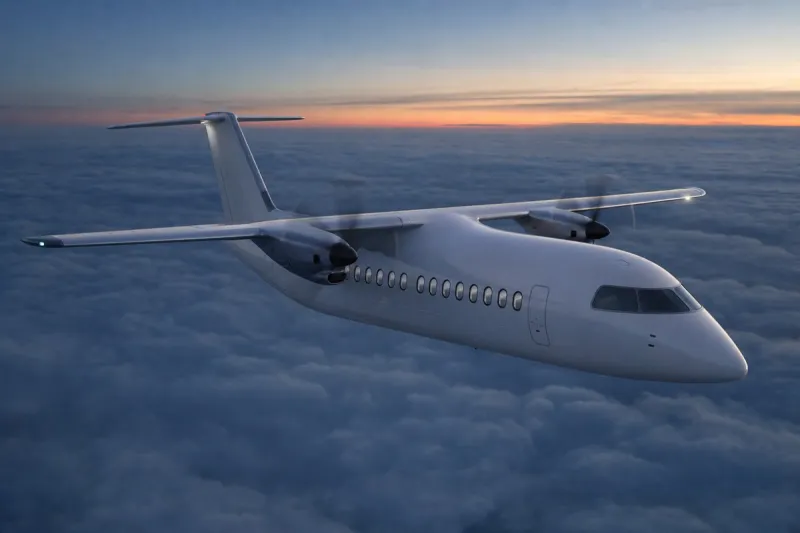
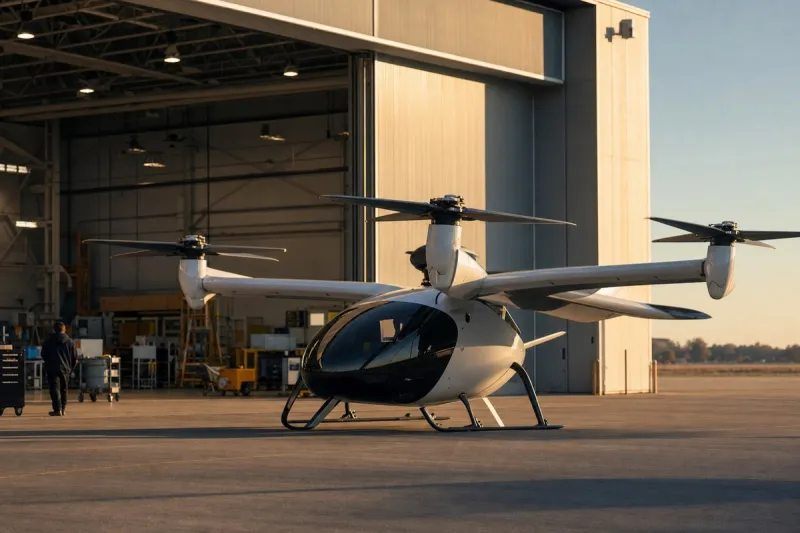
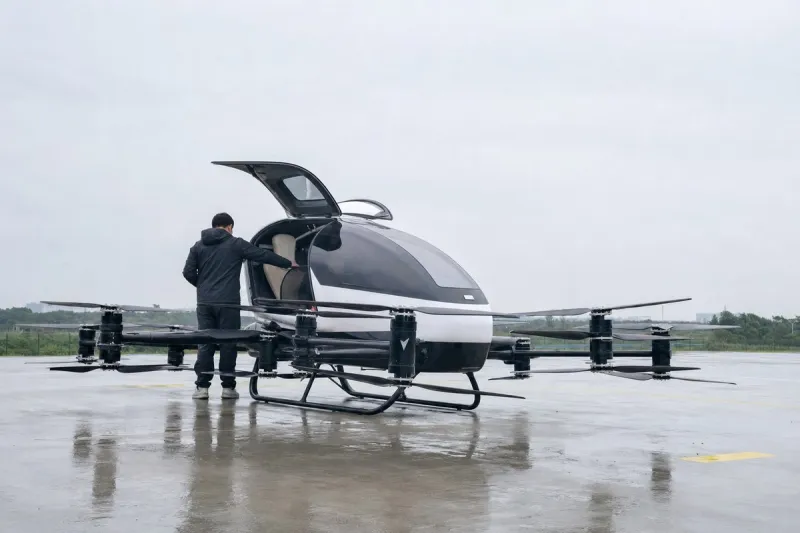
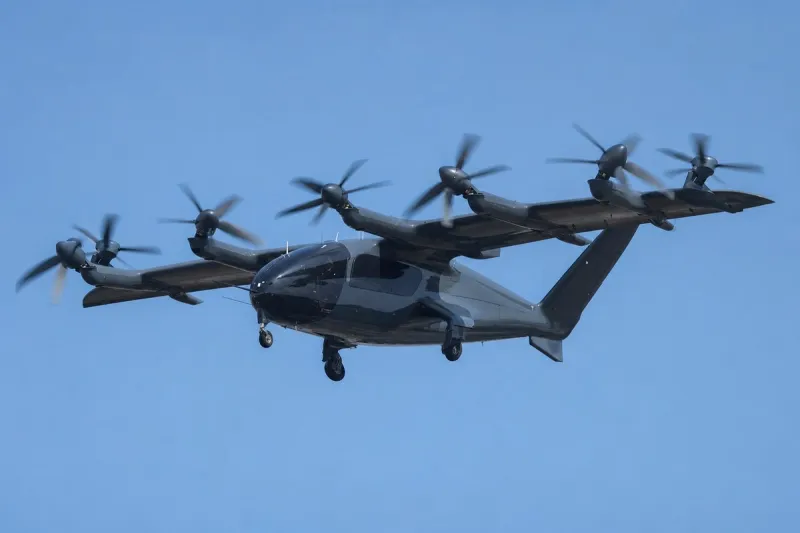
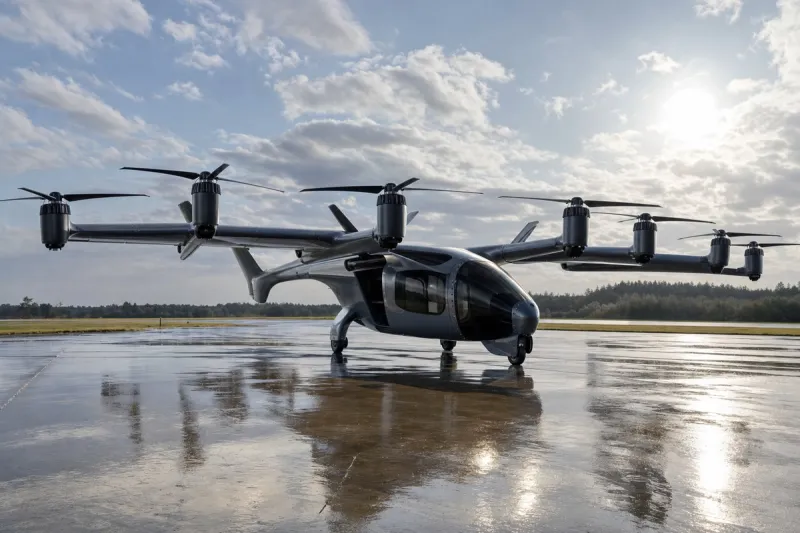
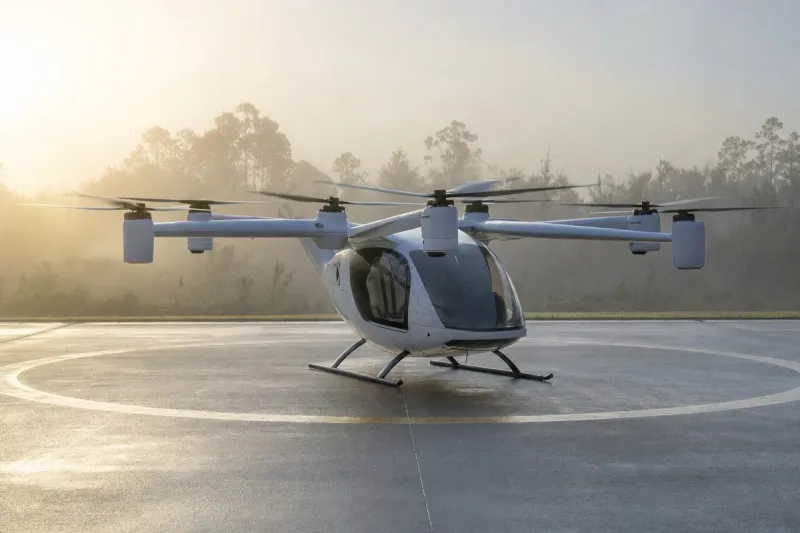
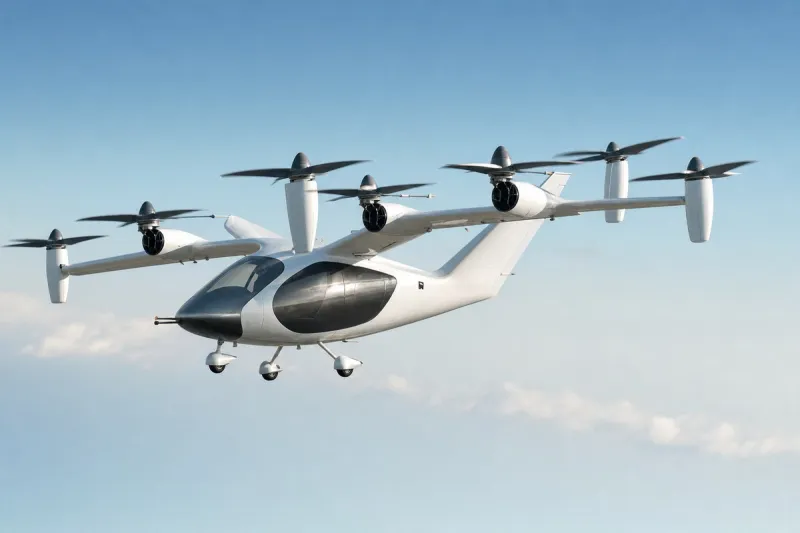
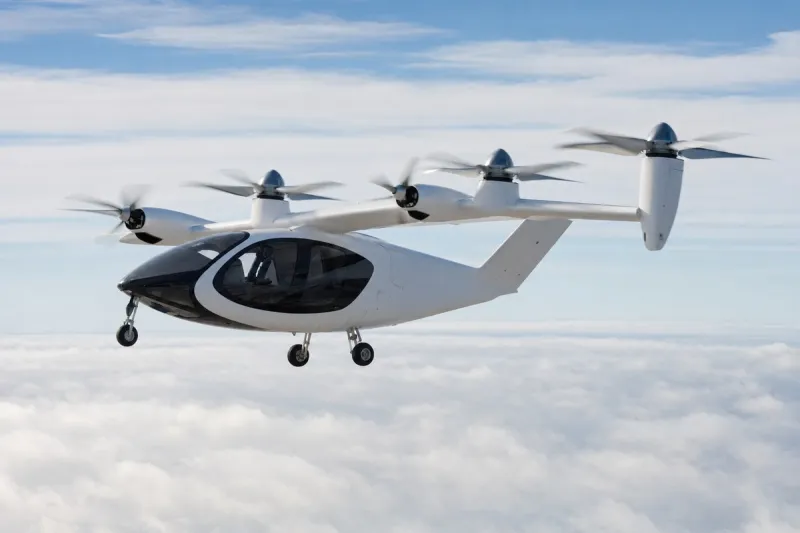
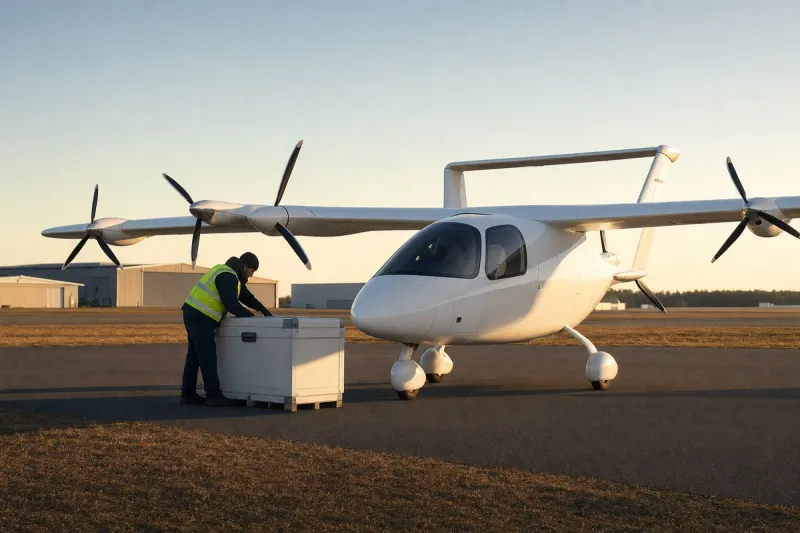
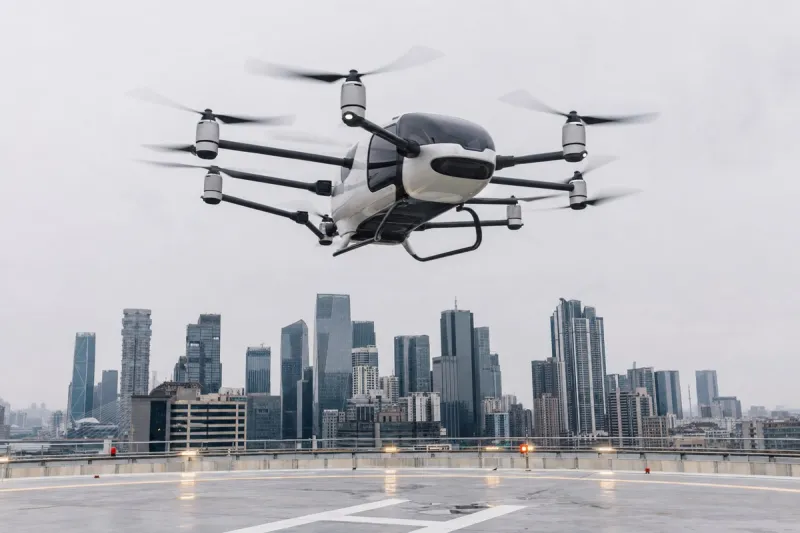
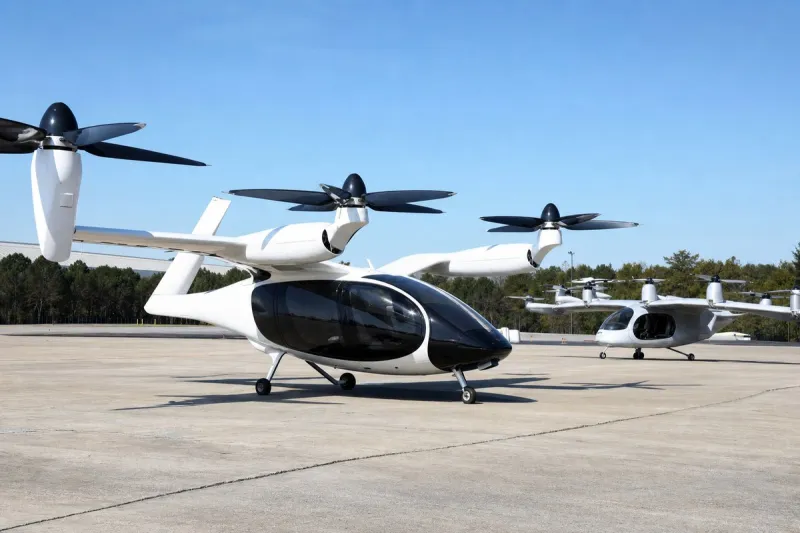
Dr. Anita Sengupta, CEO of aviation hydrogen fuel cell powerplant manufacturer Hydroplane, says hydrogen fuel cells can address four barriers holding back eVTOL aircraft: power density, competition, reliability, and sustainability. She argues lithium-ion batteries currently limit most eVTOLs to 20–30 minutes of flight per charge with slow recharging, while hydrogen fuel cells offer higher energy density and rapid refueling that make regional and urban air mobility routes more practical.
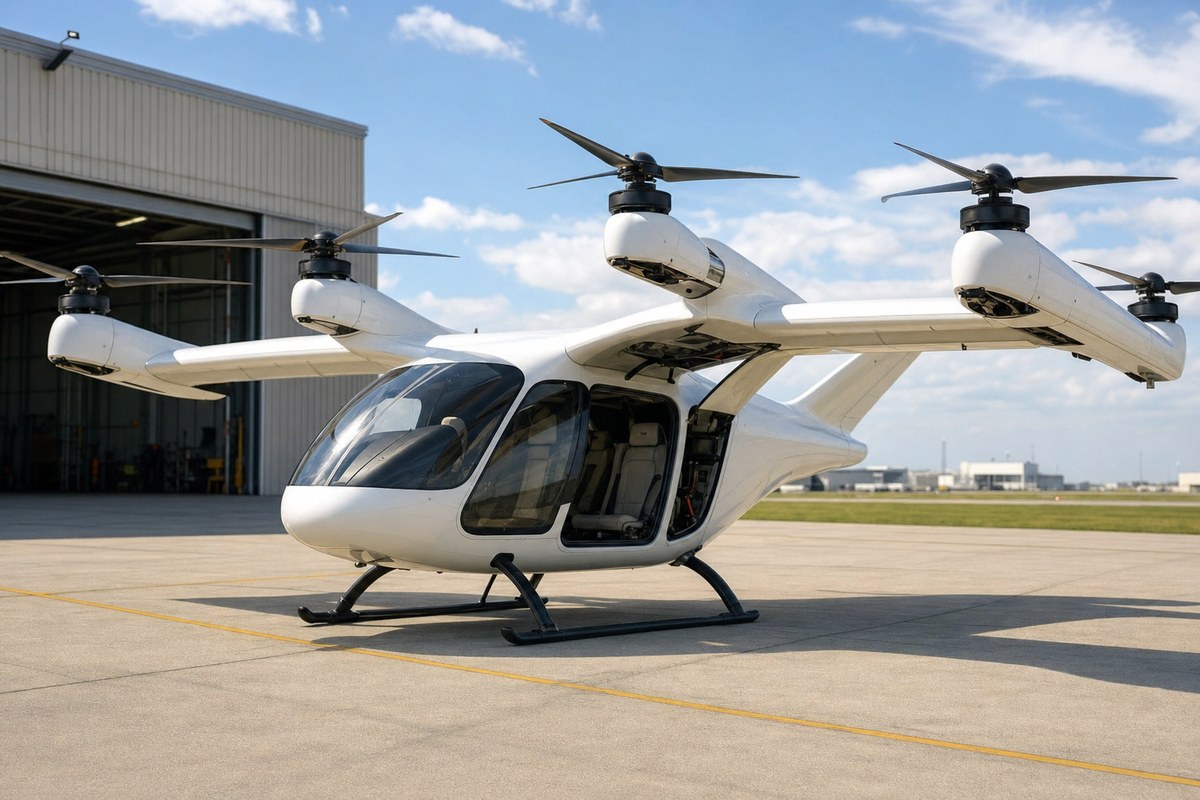
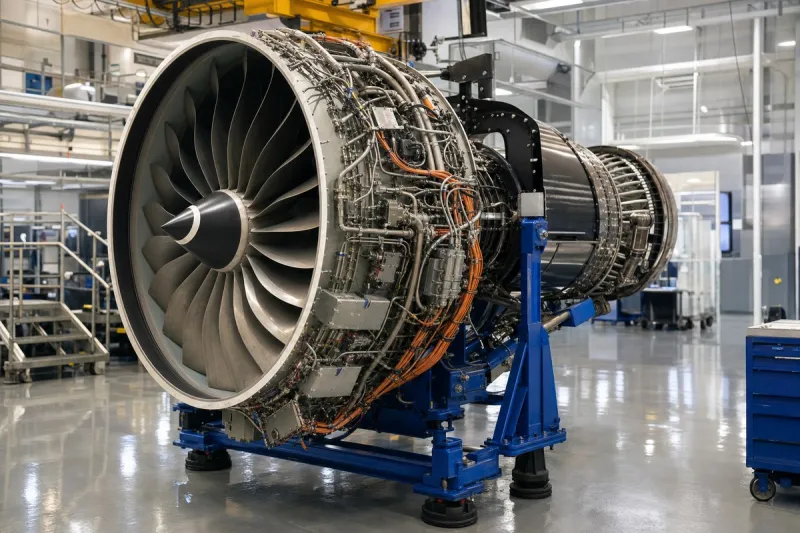
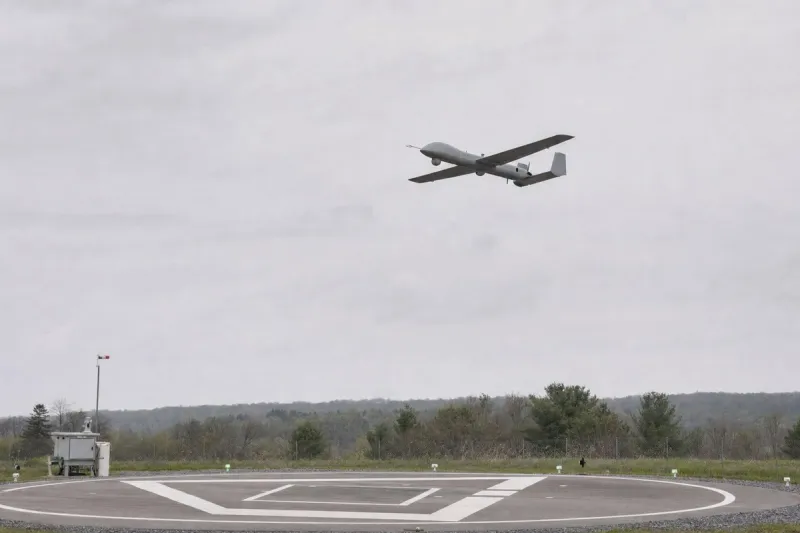
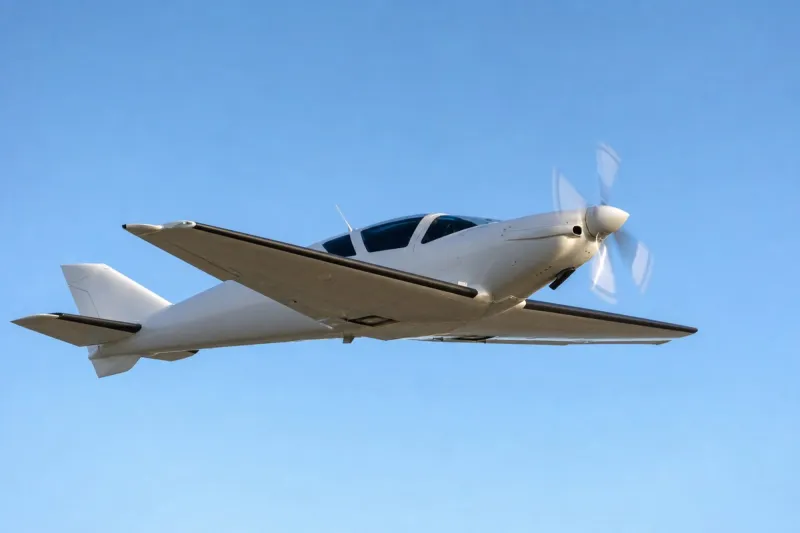
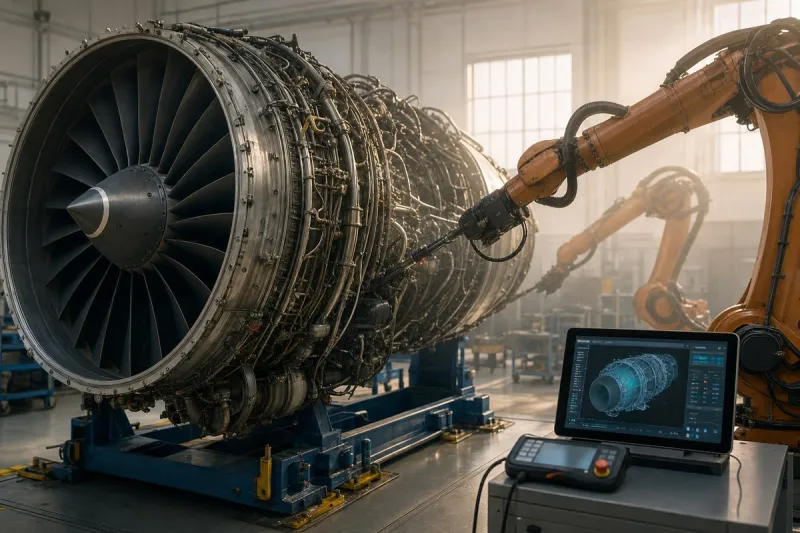
To avoid competing directly with aircraft OEMs, Hydroplane built its powertrain as a modular, drop-in replacement for existing and new aircraft, combining a liquid-cooled system, high-efficiency power electronics, an axial flux motor, and a flight-optimized fuel cell stack, with CAN-enabled software supporting piloted and autonomous aircraft. The company has tested the powertrain in a Piper Cherokee fixed-wing aircraft and in US Army helicopters.
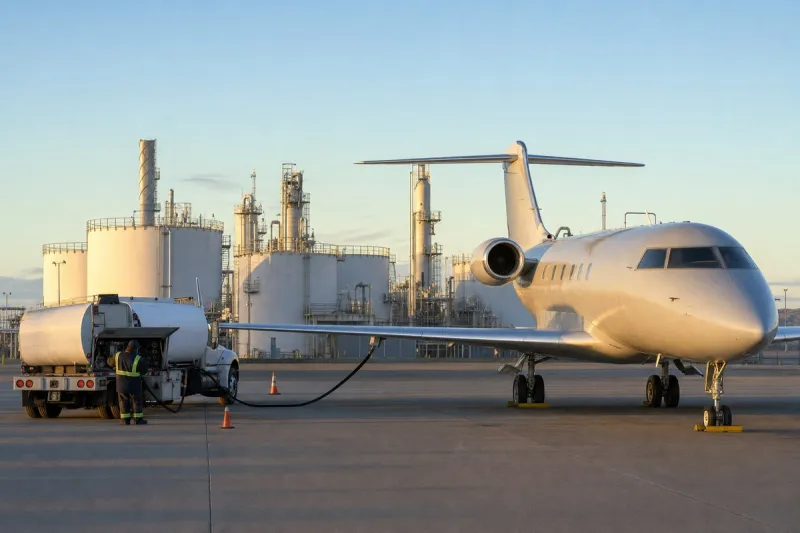
On reliability, Sengupta says the design uses fewer moving parts and module-level redundancy so a single failure does not cause loss of power. On sustainability, she contrasts the fuel cells, which produce only water as a byproduct and draw no grid electricity, with combustion rotorcraft: the Robinson R44 consumes about 60 litres of fuel and produces roughly 185 kg of CO₂ equivalent per flight hour, while the Bell 206 JetRanger uses around 100 litres and generates more than 321 kg of CO₂ equivalent per flight hour.