FAA Deploys AI Tool SMART at Three Washington-Area Airports to Reduce Flight Delays
Why It MattersThe rollout shows how air traffic modernization now hinges as much on controller staffing and stakeholder buy-in as on the underlying technology itself.
What happened
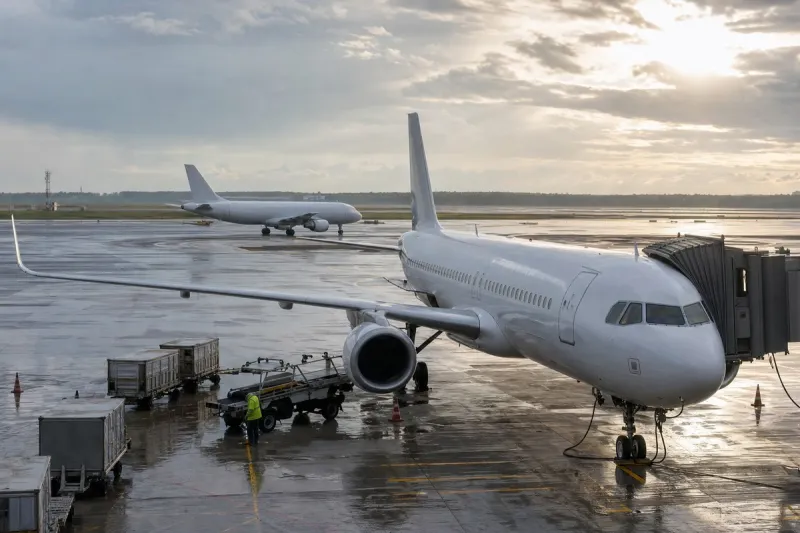
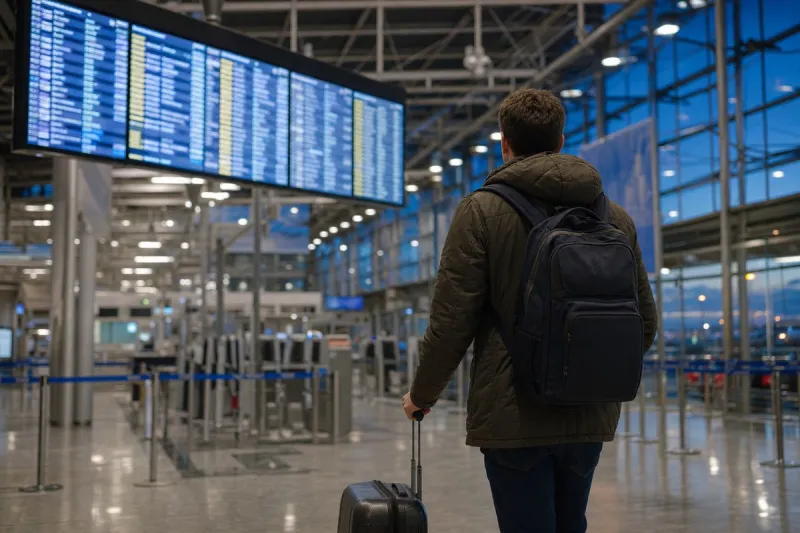
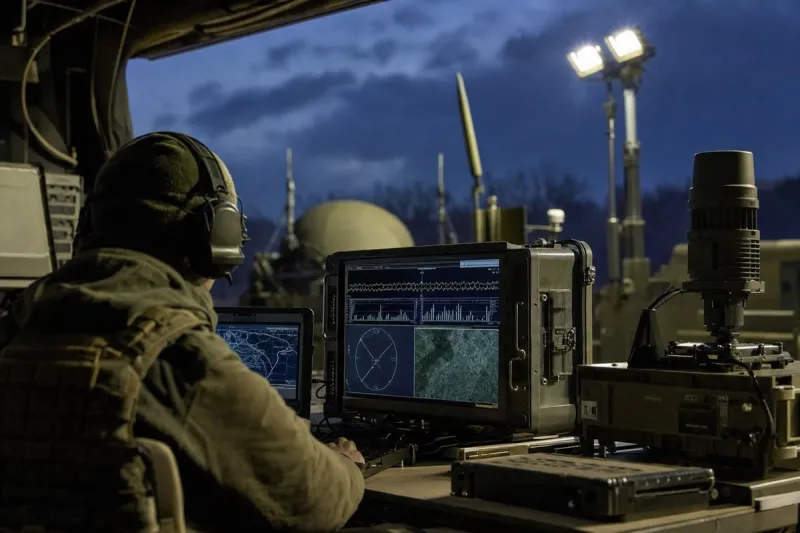
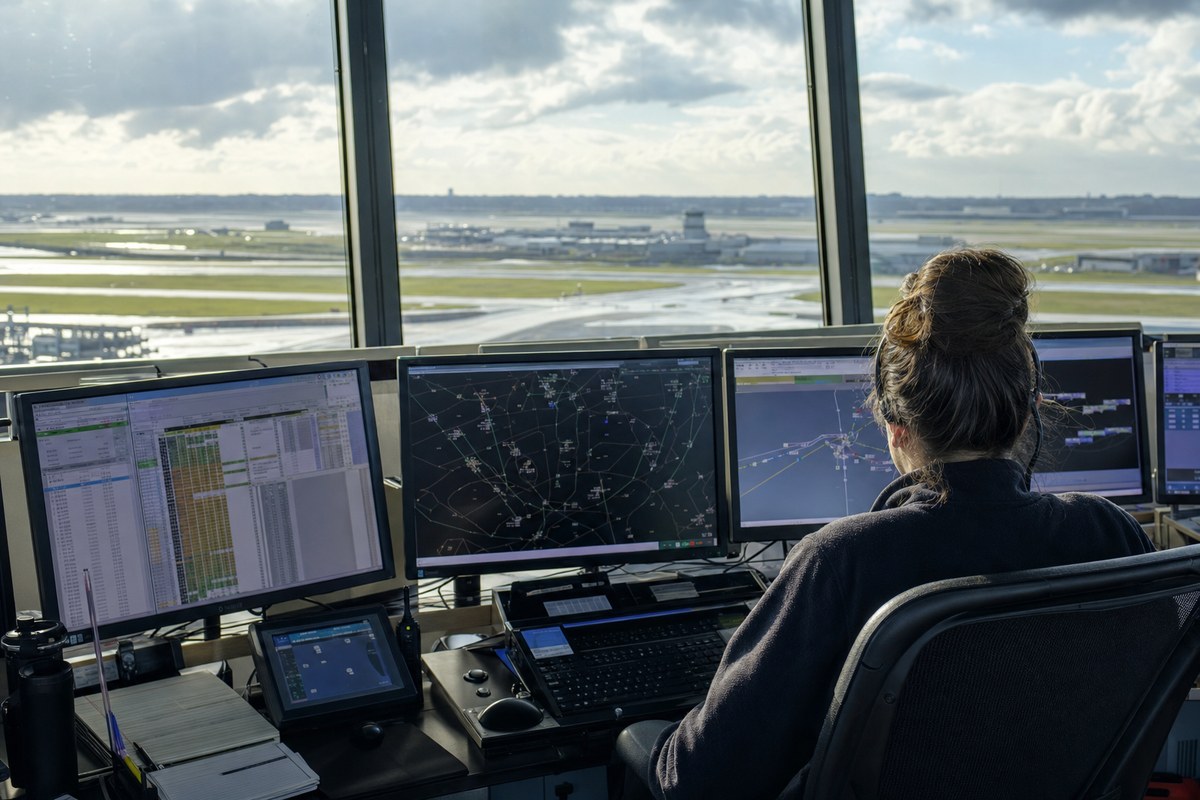
The Transportation Department announced that federal aviation officials launched SMART — Strategic Management of Airspace, Routes and Trajectories — on Monday at the three main airports serving the Washington, D.C. area: Ronald Reagan Washington National Airport, Washington Dulles International Airport, and Baltimore/Washington International Thurgood Marshall Airport. The AI-powered tool is a cloud-based platform that centralizes data streams including weather, flight paths, and controller staffing metrics, and it uses AI to analyze airline schedules, weather conditions, and airport capacity to predict air traffic flows and identify potential conflicts before they occur, according to an FAA fact sheet. It is operated out of the FAA's command center in Warrenton, Virginia, with recommendations sent to air traffic controllers at the three airports.
Transportation Secretary Sean P. Duffy said the tool "will slash those frustrating delays, reduce stress on air traffic controllers, and lower travel prices." United Airlines CEO Scott Kirby, whose carrier operates a hub at Dulles, said SMART "will do more to reduce delays and cancellations than anything that's happened in decades." American Airlines CEO Robert Isom said programs like SMART "will offer enhanced benefit to the traveling public" when implemented thoughtfully, and the industry group Airlines for America called the tool "exciting and bold."
The National Air Traffic Controllers Association said it was not involved in SMART's design, testing, or implementation, and said any new technology should complement rather than replace the professional judgment of air traffic controllers. Rep. Don Beyer (D-Virginia), whose district includes Reagan National, said "The FAA should not use my constituents as guinea pigs for an unproven AI air traffic control system," citing ongoing safety concerns following the 2025 collision near the airport that killed 67 people. Ella Atkins, an aerospace engineering professor at Virginia Tech, said details about the technology underpinning SMART remain scant. Michael McCormick, coordinator of the Air Traffic Management program at Embry-Riddle Aeronautical University, described the tool as one that provides alternatives to air traffic control planners, who then make the final decisions.
The FAA said approximately 11,000 certified controllers were deployed across its air traffic facilities as of April. The agency previously published a report indicating it needed 14,633 controllers to be fully staffed, though it later reduced that estimate by more than 2,000 positions, citing more efficient scheduling. The One Big Beautiful Bill, signed by President Donald Trump, allocated $12.5 billion to overhaul the U.S. air traffic control system.
Industry impact & what to watch
SMART belongs to a broader push across U.S. air traffic management to layer predictive software on top of a system still run by human controllers, testing whether AI recommendations can ease congestion without displacing the judgment those controllers exercise on final calls. Air traffic control has historically improved capacity through procedural and staffing changes; a centralized tool that flags conflicts before they occur represents a shift toward treating the airspace itself as a forecastable system, provided controllers retain the decision authority that McCormick described.
How this plays out depends heavily on staffing math that predates SMART: roughly 11,000 controllers were deployed as of April against a target the FAA itself once put near 14,633 before trimming that figure by more than 2,000. Whether software can meaningfully cut delays while that gap persists — and while NATCA says it had no role in building the tool — is an open question that technology alone cannot answer.
The next signals worth tracking are whether NATCA is brought into implementation given its stated exclusion, how the FAA responds to Rep. Beyer's safety concerns tied to the 2025 Reagan National collision, and how the $12.5 billion allocated under the One Big Beautiful Bill gets applied across staffing versus tools like SMART.