NBAA Backs DOT Secretary Duffy's Call for Additional $30 Billion in ATC Modernization Funding
Why It MattersContinued reliance on large, sequential congressional appropriations for ATC modernization means business aviation's operating environment stays tied to funding cycles rather than a fixed technology rollout schedule.
What happened
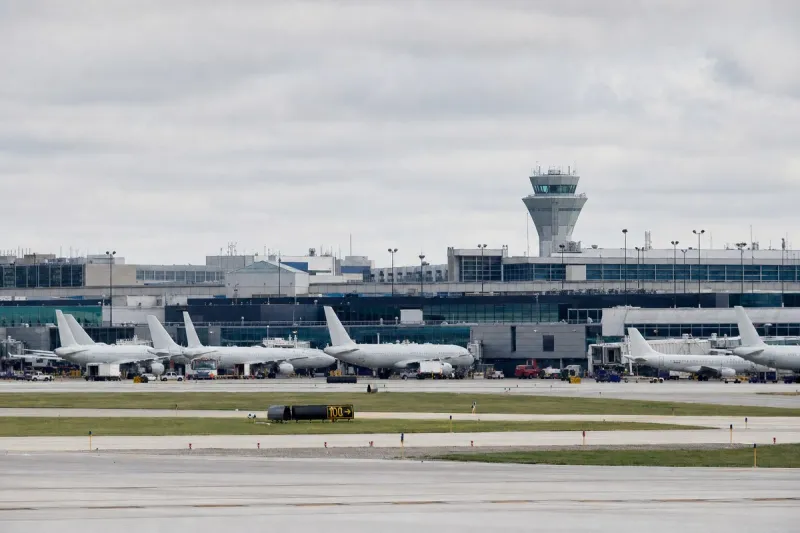
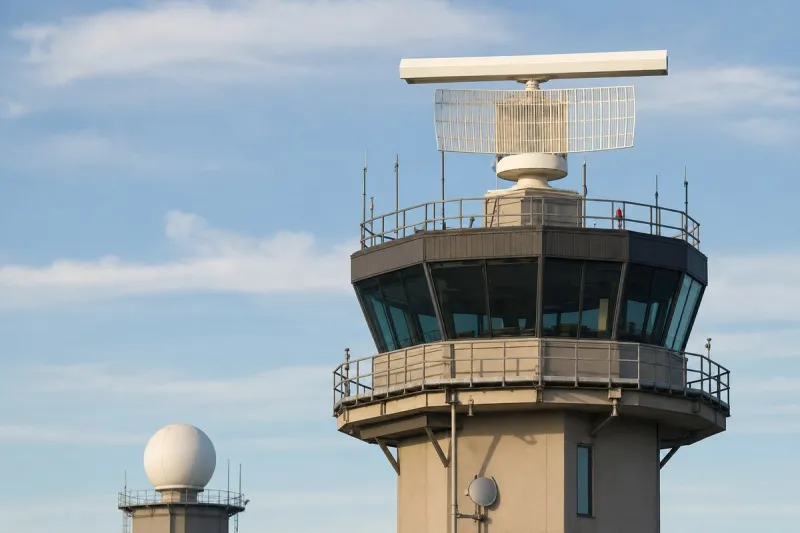
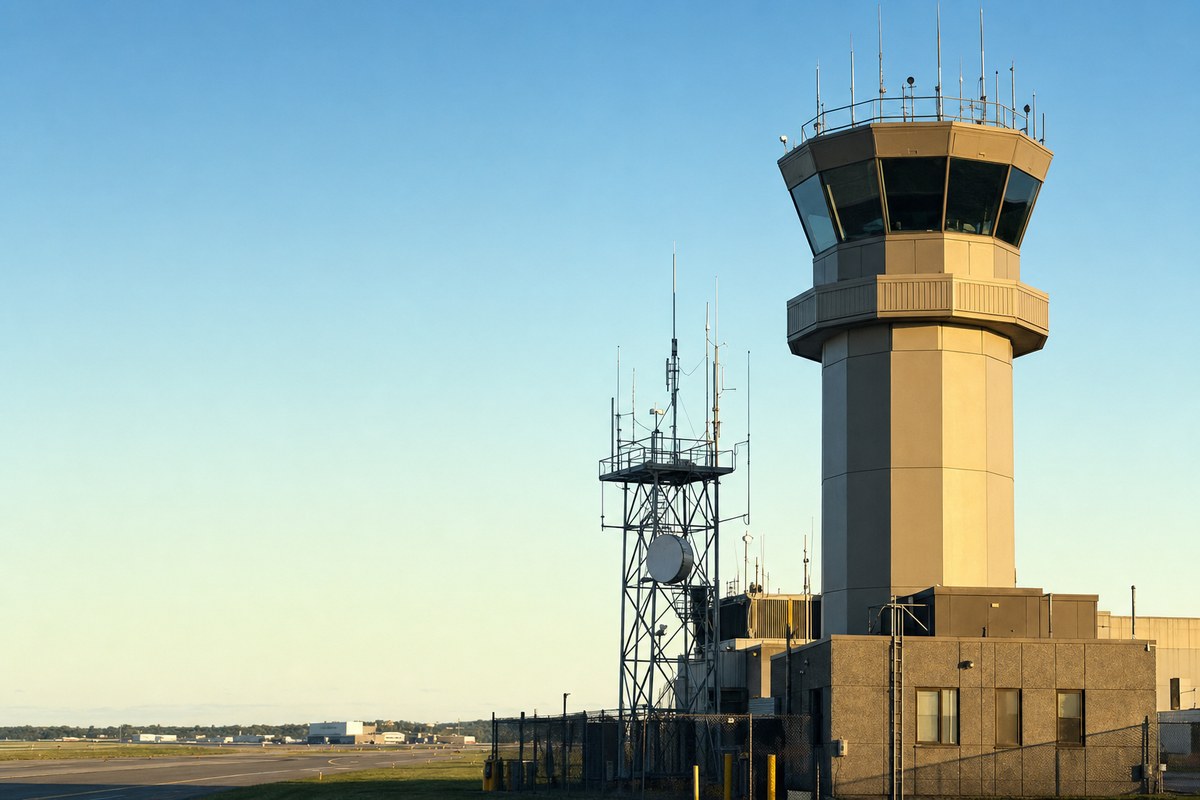
The National Business Aviation Association (NBAA) has expressed support for Department of Transportation (DOT) Secretary Sean Duffy's call for an additional $30 billion in funding to continue modernizing the United States air traffic control (ATC) system and airport infrastructure. Duffy made the remarks to the Aero Club of Washington, saying the modernization work underway since July 2025 requires further funding for ATC telecommunications infrastructure, airports, control towers, and technology, beyond the amount Congress approved last year.
NBAA Interim Chief Operating Officer Dan Hubbard said, "NBAA is united with the rest of the industry in supporting Secretary Duffy's call for additional ATC modernization funding, a national imperative." He said additional funding would help address system outages and transform the nation's aviation infrastructure, while acknowledging the "significant downpayment" Congress provided last year. NBAA and the Modern Skies Coalition — a group of nearly 60 organizations formed in March 2025 — also issued a joint statement supporting Duffy's call.
Congress approved $12.5 billion for ATC modernization four months after the coalition was established. The coalition's statement called on Congress to provide additional resources to sustain modernization momentum and ensure the ATC system has the staffing, technology, and infrastructure needed to meet future demands. The U.S. ATC system currently serves approximately 45,000 flights and 2.9 million passengers every day, and modernization efforts require updates at more than 4,600 Federal Aviation Administration (FAA) sites across the country.
Industry impact & what to watch
This request follows a familiar sequence in infrastructure funding: an initial appropriation is framed as a first installment, and once work is underway the agency and its industry backers return to ask for more, arguing that stopping short would waste the momentum already built. NBAA's alignment with a nearly 60-member coalition shows how business aviation groups pool influence on funding asks that affect the shared ATC system rather than any single operator segment.
Air traffic modernization spans thousands of physical sites and telecommunications links, so funding tends to arrive in tranches tied to congressional budget cycles instead of one comprehensive package, which is why the $12.5 billion approved last year is now described as a down payment rather than a completed job. Whether the additional $30 billion is approved, and on what timeline, will determine how quickly outages tied to aging infrastructure at the more than 4,600 FAA sites are addressed. The next marker to track is how Congress responds to Duffy's request and whether it appears in upcoming appropriations legislation.