Inaugural AI Symposium for Business Aviation Held at Embry-Riddle, Co-Hosted with NATA and Tuvoli
Why It MattersAs AI tools spread into booking, maintenance and compliance, business aviation is treating governance and human oversight as prerequisites rather than afterthoughts to adoption.
What happened
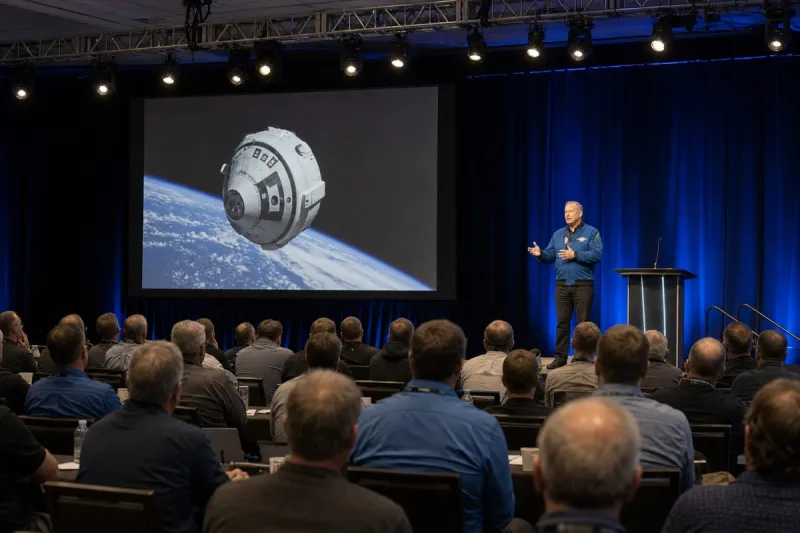
The inaugural AI Symposium for Business Aviation (AISBA) ran September 14–16 at Embry-Riddle Aeronautical University, co-hosted by the university's David B. O'Maley College of Business, the National Air Transportation Association (NATA), and Tuvoli. The three-day event drew representatives from corporate flight departments, technology companies, air charter operators, manufacturers, maintenance organizations and fuel companies, structured as a full day of presentations and panels followed by more focused workshops.
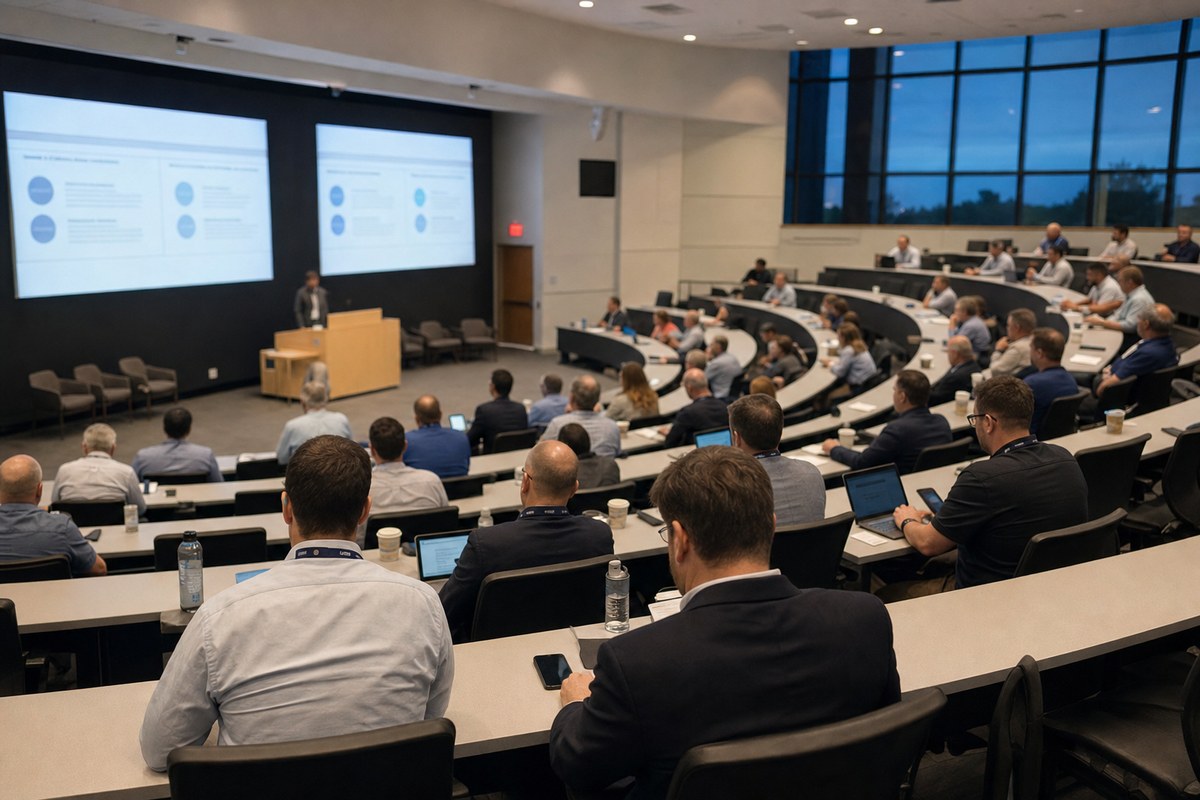
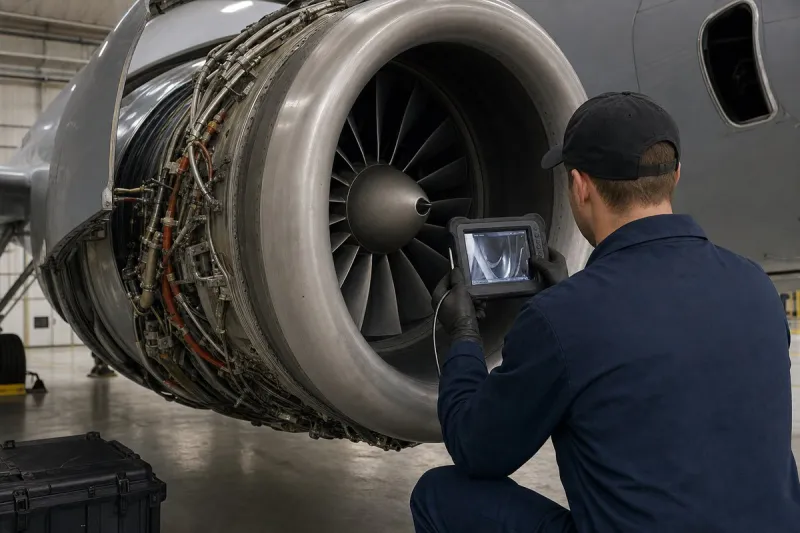
Greg Johnson, president and CEO of Tuvoli, said "the future of AI in business aviation isn't going to be decided by the technology itself... it's going to be shaped by the people who decide where to use it, where not to use it, what standards we expect from it and what problems we choose to solve with it." Curt Castagna, NATA president and CEO, said the association is "committed to helping our members understand and harness emerging technologies in ways that enhance their safety, strengthen their businesses and support informed decision-making." Amazon Web Services' Srikanth Sopirala, principal GenAI/ML specialist solutions architect, and Suresh Raavi gave a keynote on real-world AI applications in maintenance, booking and compliance, which Sopirala called "proven starting points." Toby Benenson, founder of AI governance framework SayFlight, led a session on AI governance. A maintenance-focused panel featured Chris Heine of Tuvoli, Greg Heine of Jet Support Services (JSSI), and Kent Pickard, chief technology officer at Bluetail, alongside a session from Barry Shevlin, CEO of FlyUSA.
The symposium also engaged students from Embry-Riddle, the University of North Dakota, the Georgia Institute of Technology, Indiana Wesleyan University and the University of California, Berkeley. Dr. Alyssa DeNaro, administrative fellow for AI Initiatives in Embry-Riddle's Office of the Provost, led a panel with four Embry-Riddle students on AI in the classroom and the cockpit. Joe Gibney, dean of the David B. O'Maley College of Business, said the event is "about giving the next generation an opportunity to shape" the future of business aviation. Proceeds from the symposium will support student scholarships through the National Air Transportation Foundation.
Industry impact & what to watch
A university, a trade association and a technology vendor jointly convening operators, OEMs, MRO providers and students points to an industry still working out shared norms for AI rather than a single company rolling out a product. Presenters covering booking, compliance, safety, operations, customer engagement and maintenance in the same forum suggests these use cases are being treated as connected pieces of one governance question, not isolated pilot projects scattered across departments.
The repeated emphasis from Johnson and Castagna that people, not the technology itself, will determine where AI is used signals that standards-setting is becoming as central to adoption as the tools themselves — a pattern visible whenever a safety-critical sector absorbs a general-purpose technology. Sessions from a named governance framework founder alongside AWS specialists and MRO-side technologists indicate the conversation spans both the technical proof points and the oversight structures meant to contain them.
Whether this translates into common standards across flight departments, or remains a collection of individual vendor and operator approaches, will depend on what NATA and its co-hosts choose to formalize from the sessions held here, including any follow-on guidance tied to the maintenance, booking and compliance panels.