Startup JetZero Plans First Flight of Blended-Wing Prototype in 2025, Targets Commercial Service in 2030s
Why It MattersA blended-wing entrant targeting the 250-seat middle-of-the-market gap shows OEM competition may return to a segment Boeing abandoned, but prototype flight remains an early step toward certified production.
What happened
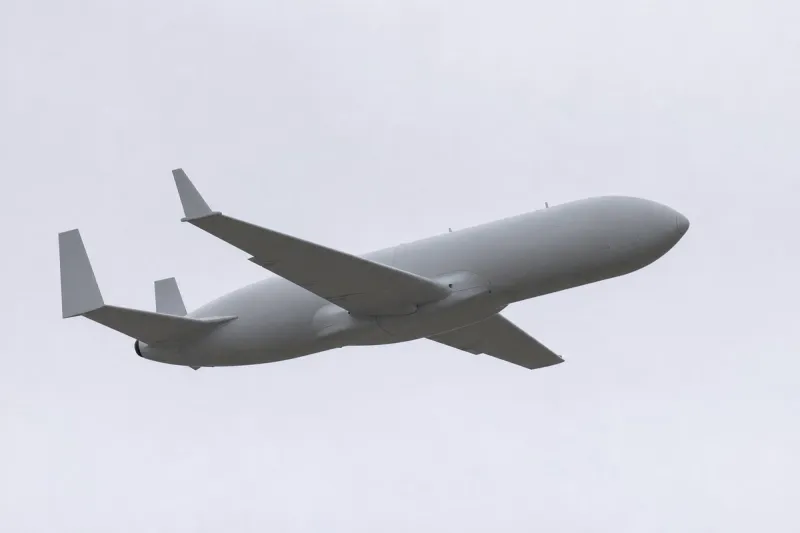
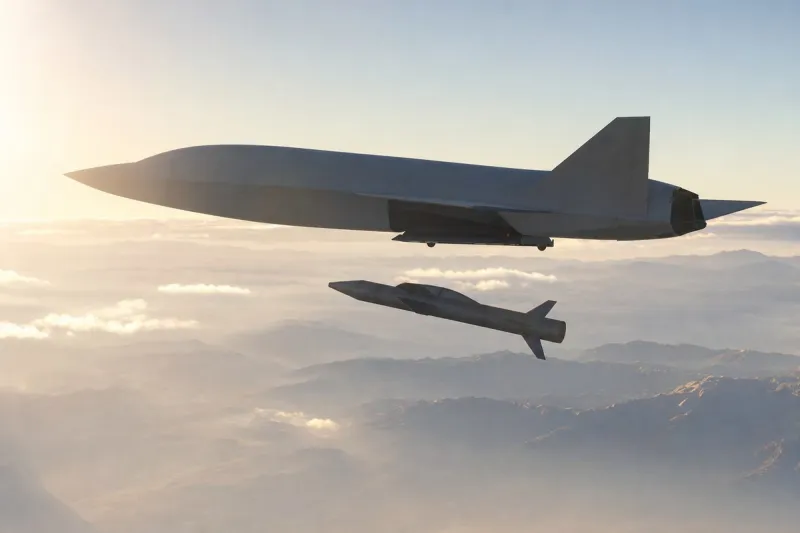
California-based startup JetZero aims to fly its blended-wing body prototype, called Jet1, for the first time in 2025 and to carry paying passengers in the 2030s. The company was founded in 2021 by CEO Tom O'Leary and Mark Page, and is developing a commercial aircraft that departs from the tube-and-wing configuration used by today's airliners; in a blended-wing design, the entire body of the aircraft generates lift, potentially improving fuel efficiency compared with conventional jets.
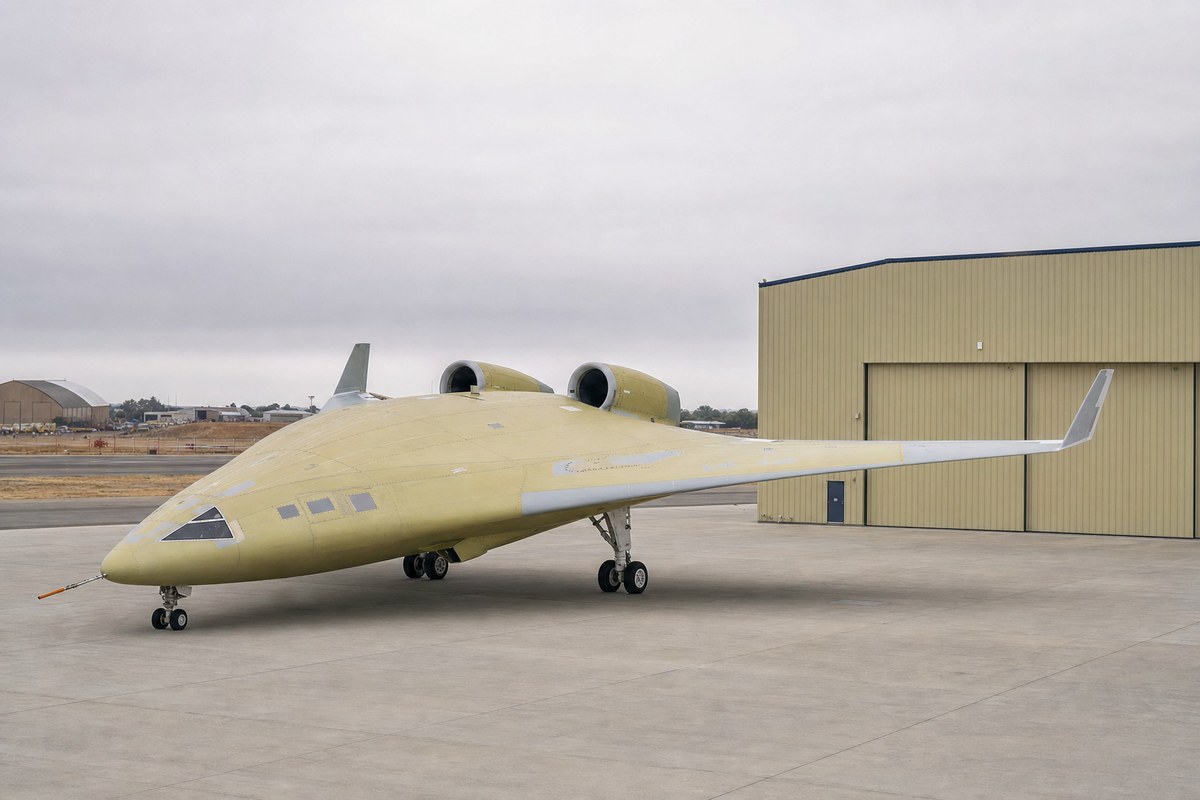
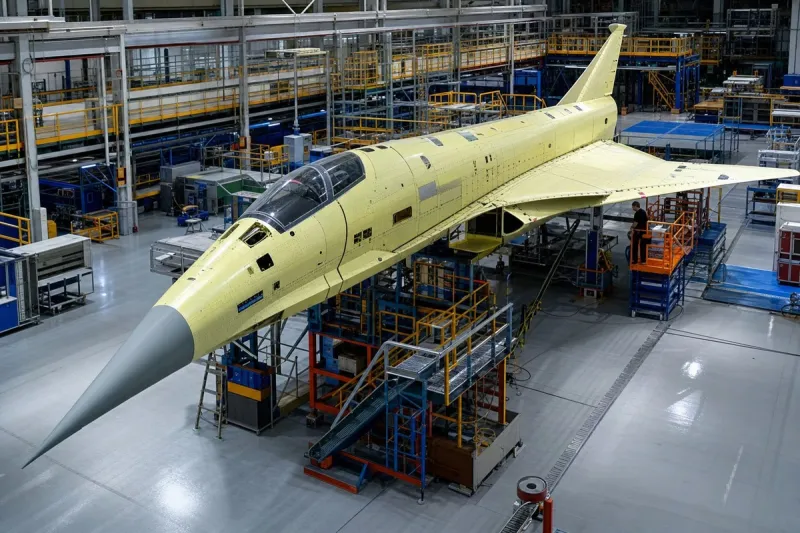
JetZero says it has completed more than half of its prototype. In June, the company broke ground on an 8-million-square-foot manufacturing facility in Greensboro, North Carolina, planned to eventually produce 20 blended-wing aircraft per month, built in phases over the next decade with the first phase covering 25% of the total planned space. That facility would surpass Boeing's Everett plant, which spans more than 4 million square feet and is considered the world's largest manufacturing building by volume at 472 million cubic feet.
The planned commercial model will seat up to 250 passengers, filling a market segment between Boeing's narrowbody and widebody families — a gap left when Boeing ended 757 production in 2004 and later shelved its middle-of-the-market project following two fatal 737 MAX crashes in 2018 and 2019.
JetZero has raised more than $320 million in funding, according to a PitchBook estimate, including approximately $100 million in debt financing secured at the end of August. In 2023, the U.S. Air Force awarded JetZero a $235 million contract to accelerate development of its full-scale demonstrator. On the commercial side, JetZero is partnering with Delta Air Lines and has secured investments from United Airlines and Alaska Airlines, with Alaska Airlines signed up to receive the company's first commercial delivery.
Alaska Airlines' head of corporate development, Pasha Saleh, described the design's fuel savings as "almost inconceivable" and said teams of Alaska flight attendants and cargo workers have visited JetZero's mock-up in Long Beach, California, to study operational integration. Each seat in the design features a dedicated overhead bin, and passengers board side by side, reducing boarding bottlenecks.
A decades-long concept, mixed history
The blended-wing concept has been studied for decades. Boeing and NASA conducted more than 100 test flights of an autonomous blended-wing aircraft, the X-48, before ending that project in 2013, and Boeing ultimately did not pursue the concept commercially. California-based Natilus is also developing blended-wing aircraft, while Seattle-based Outbound Aerospace shut down last year after running out of funding.
Experts caution that significant challenges remain. John Hansman, an aeronautics professor at the Massachusetts Institute of Technology, said flying a prototype is "probably only 10% of the way to airplane production." Carlos Cesnik, an aerospace engineering professor at the University of Michigan, noted that "until you actually fly and certify such a vehicle, there's still a chance of something going wrong." O'Leary said at the Farnborough International Airshow that the company has brought the enterprise "to the point where everybody understands that the business is real, it's viable."
Industry impact & what to watch
JetZero's project sits at the intersection of two long-running industry storylines: the search for a viable middle-of-the-market aircraft since Boeing exited that space, and decades of research into blended-wing aerodynamics that has never converted into a certified commercial product. Both the X-48 program and Outbound Aerospace's shutdown illustrate how far technical promise has historically fallen short of production reality in this category.
How this segment works is that early capital, government contracts and airline investment can validate a design's commercial logic well before the harder work of certification and mass production begins. JetZero's combination of a military demonstrator contract, airline equity investments, and a named launch customer in Alaska Airlines signals unusually strong buy-in at this stage, but none of that removes the certification and manufacturing risk that experts flag.
The next milestones to watch are the 2025 first flight of the Jet1 prototype itself, progress on the phased Greensboro facility build-out, and whether Delta, United or Alaska convert their current commitments into firm orders once flight-test data becomes available.