New Flight Charters to Absorb De-Icing and Hangar Charges Up to $2,500 Per Trip for Seventh Straight Winter
Why It MattersCharter brokers are competing on all-in pricing certainty, and resort-airport fluid costs, rising 10% to 20% in places, show how quickly ancillary charges can erode a quoted fare.
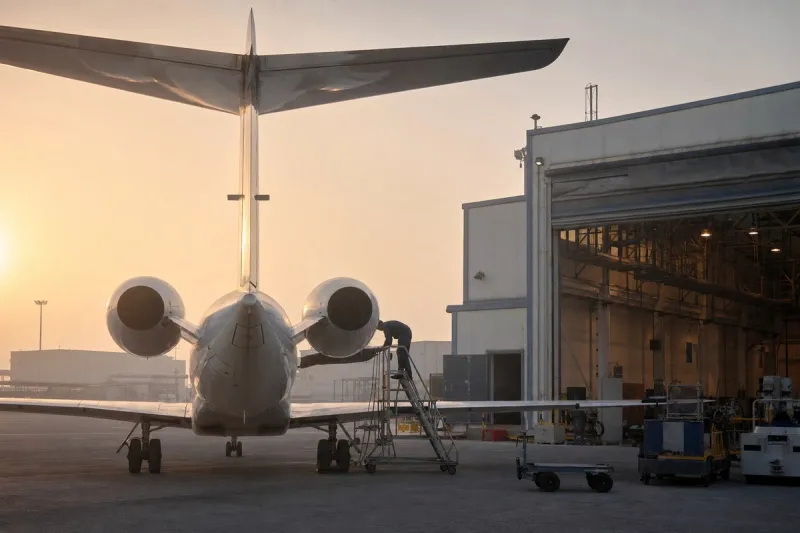
New Flight Charters says it will again absorb de-icing and hangar charges this winter, up to $2,500 per trip, marking the seventh consecutive season for the program. The company says the expense is paid from a dedicated reserve rather than passed to the client through a fee or markup. Its broader offer includes an all-in quote, a final-cost guarantee and a Best Price Guarantee it says has been in place since 2009. It says it has operated for 22 years and kept the same core charter team for more than two decades, and founder Rick Colson has said every pay-as-you-go flight must earn the next one. The company also says it is the only on-demand broker or operator covering these costs without an added client charge; that is a company claim that cannot be verified from the announcement alone.
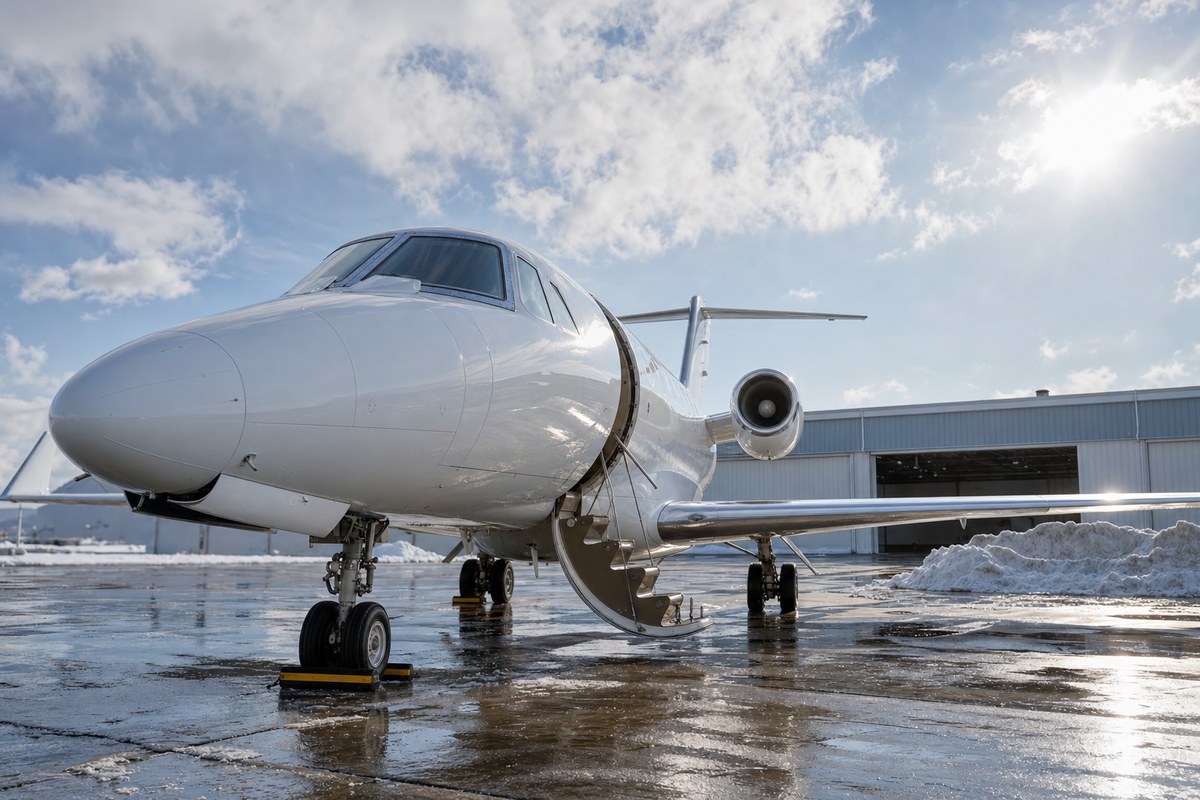
The $2,500 ceiling may not cover every case. New Flight Charters projects that an average 50-gallon light or midsize jet treatment at Jackson Hole this season could reach $3,038, with Type-I fluid there priced at $55 per gallon before added ancillary fees. The company says nationwide de-icing averages roughly $2,000 for light and midsize jets, while larger aircraft can cost more. The announcement does not spell out how charges above $2,500 on a given trip are treated.
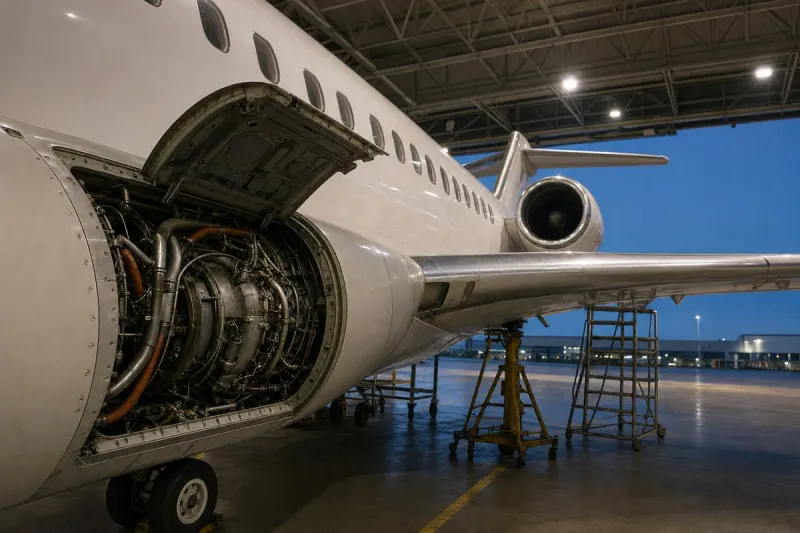
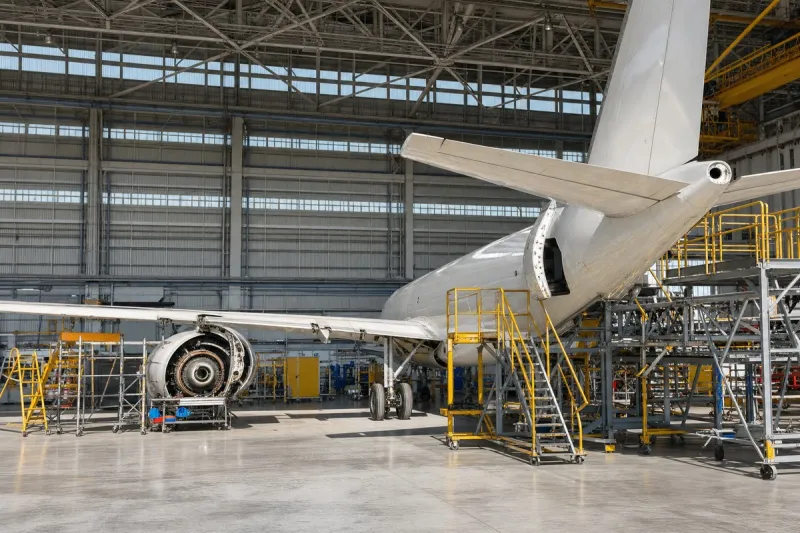
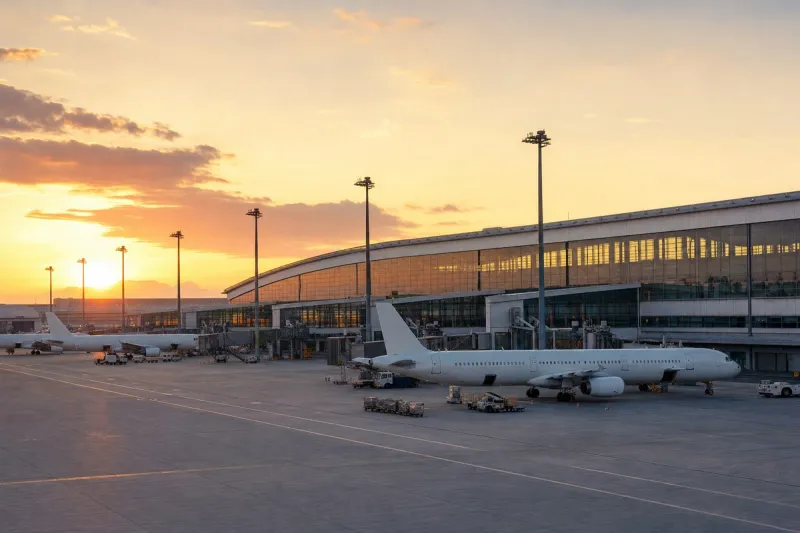
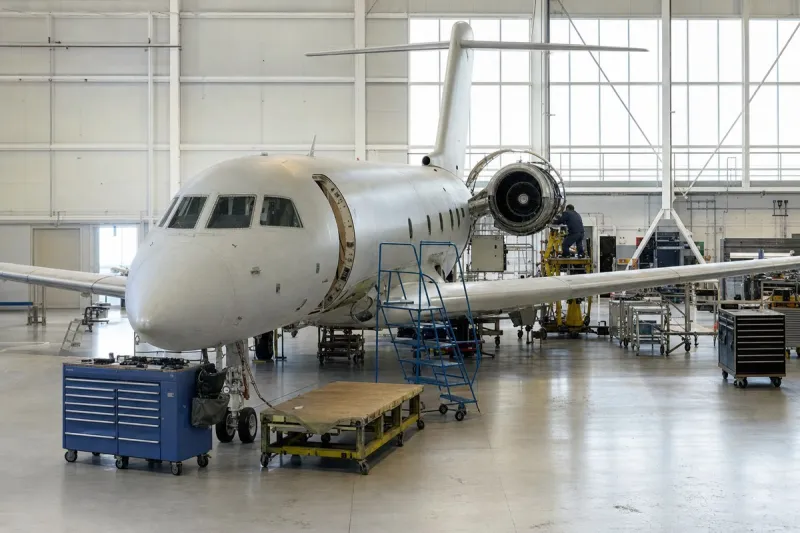
Type-I fluid removes existing ice and snow, while Type-IV fluid helps prevent fresh buildup while an aircraft taxis or waits. According to the company, Type-I fluid was charged at $20 per gallon in Twin Falls, Idaho, last winter, versus $43 per gallon in Aspen and $45.90 in Jackson Hole. It expects rates this season to run 10% to 20% higher in some cases. Resort airports including Jackson Hole, Aspen, Eagle/Vail, Telluride and Sun Valley face concentrated winter demand and limited infrastructure. Hangar space can sometimes avoid or reduce the need for de-icing.