Dubai's Mohammed Bin Rashid Aerospace Hub Builds Supplier Complex and MRO Capabilities Around Al Maktoum Airport
Why It MattersConcentrating MRO, parts and tooling suppliers beside Al Maktoum Airport positions Dubai South as a regional aviation support cluster, though tenant take-up and local repair capability will decide whether it competes.
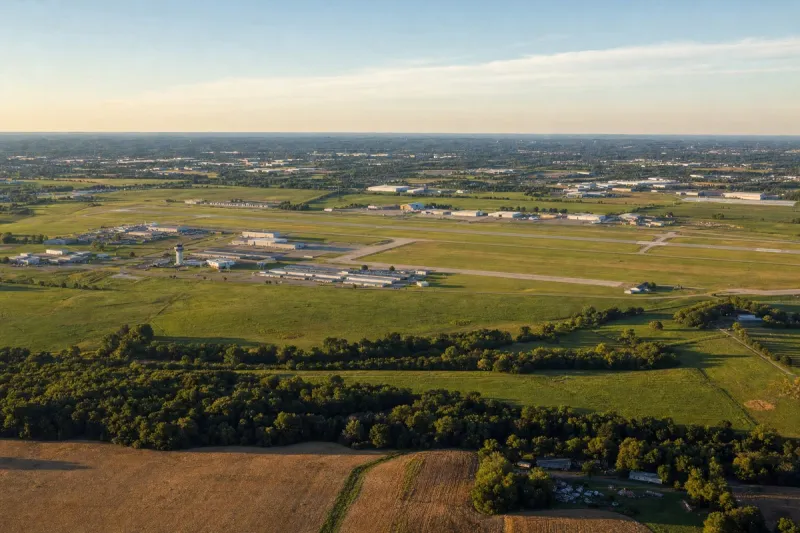
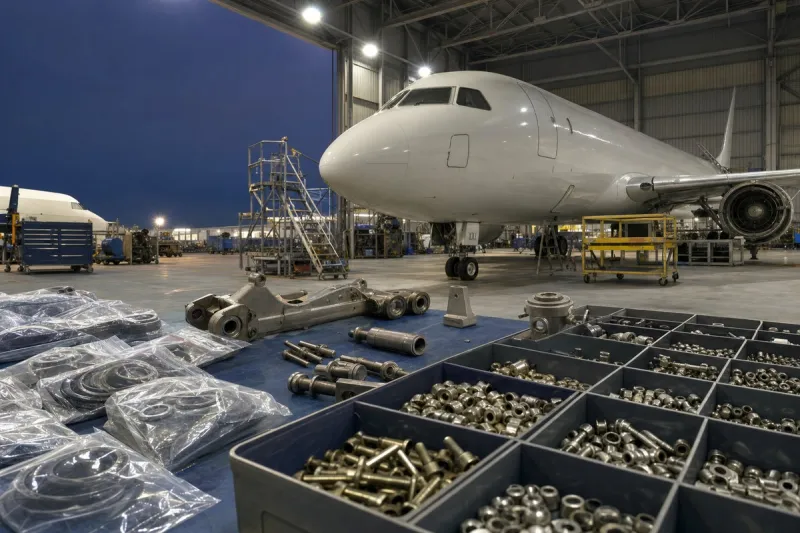
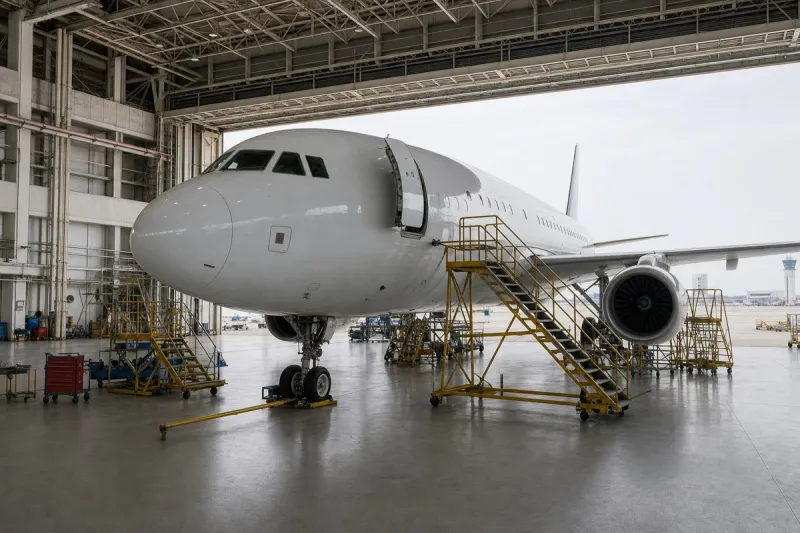
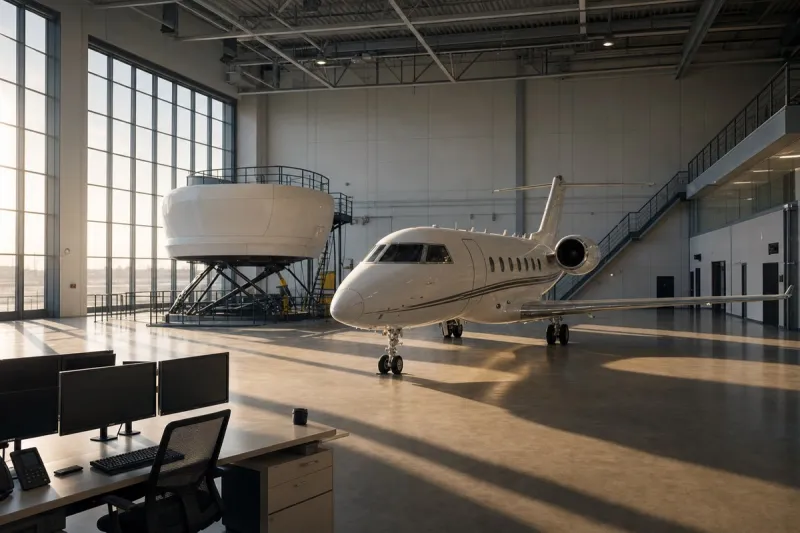
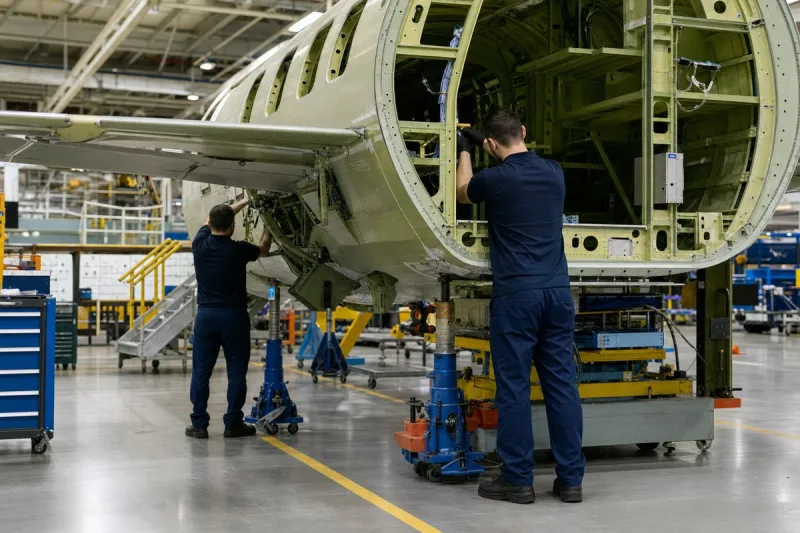
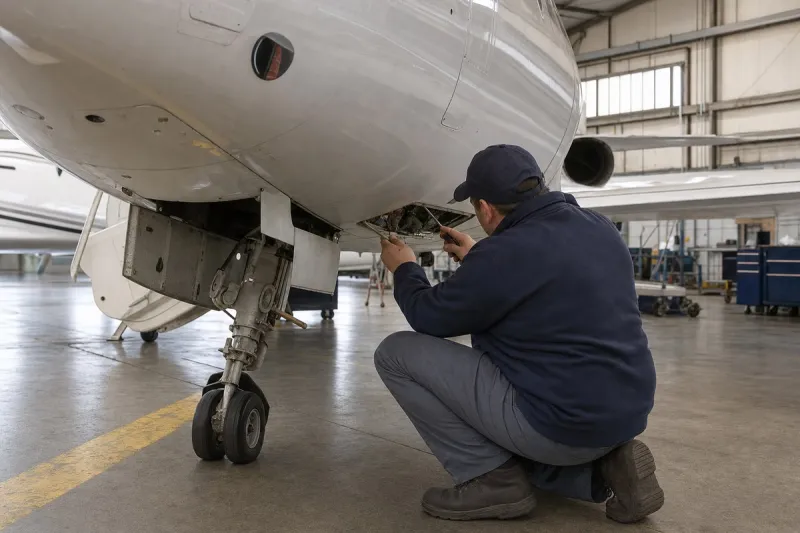
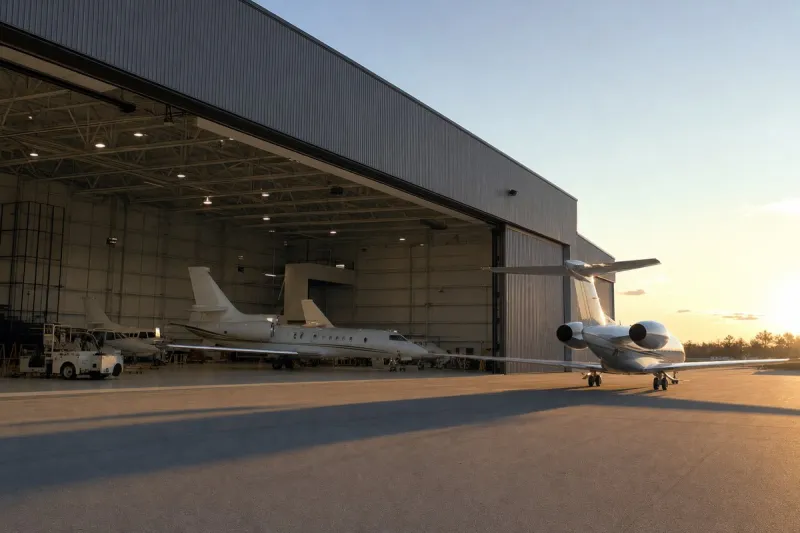
Mohammed Bin Rashid Aerospace Hub (MBRAH), the aerospace platform within Dubai South, is building capacity for maintenance, repair and overhaul (MRO), component services, aircraft parts suppliers, tooling specialists and smaller aerospace businesses alongside the long-term expansion of Al Maktoum International Airport. Hub CEO Tahnoon Saif told Aviation Business Middle East that companies are setting up maintenance, technical support and supply-chain operations in Dubai to serve customers across the region.
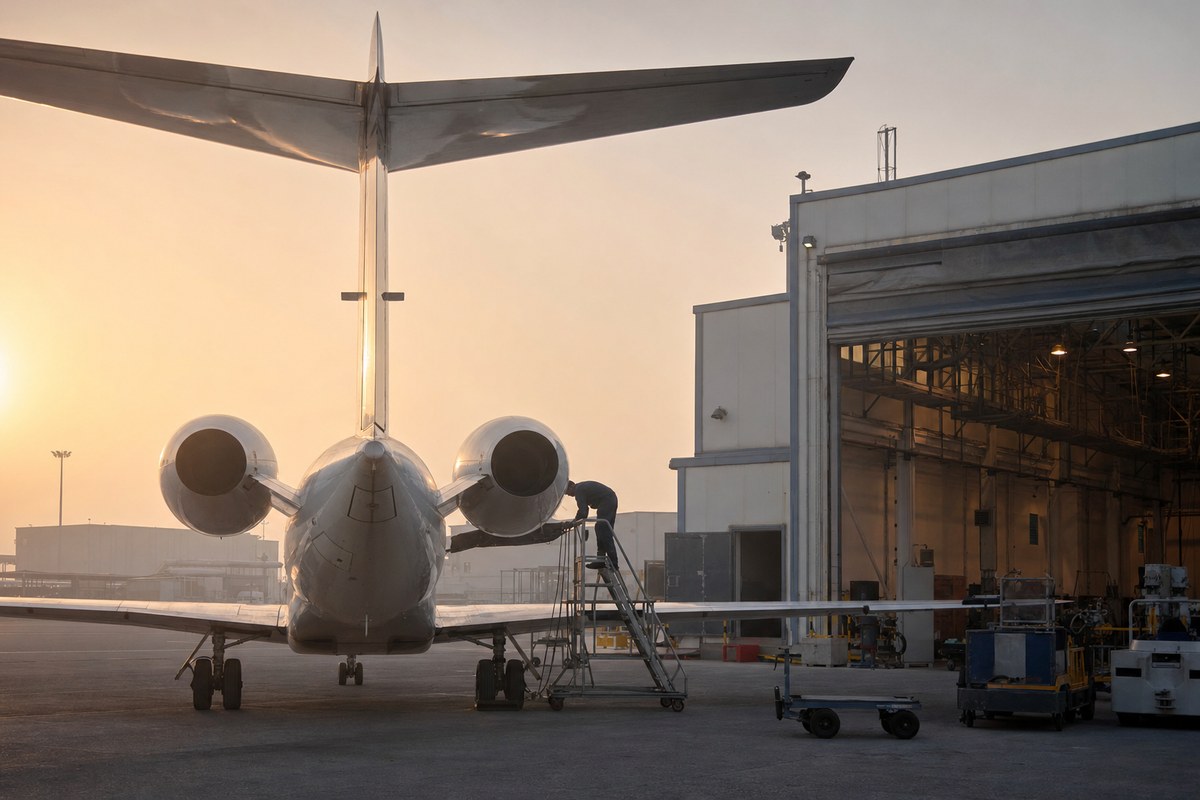
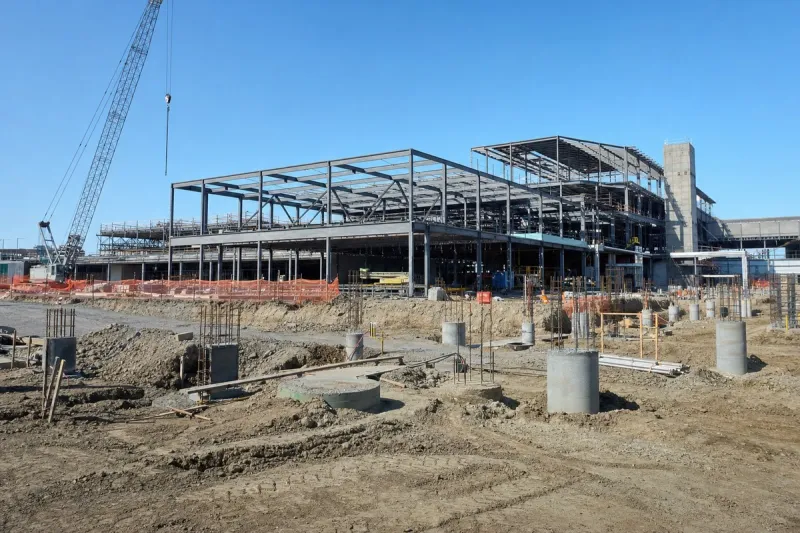
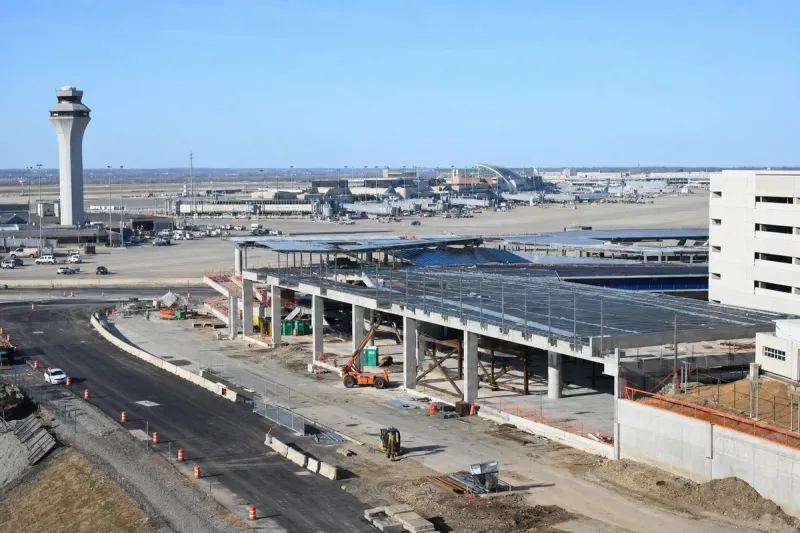
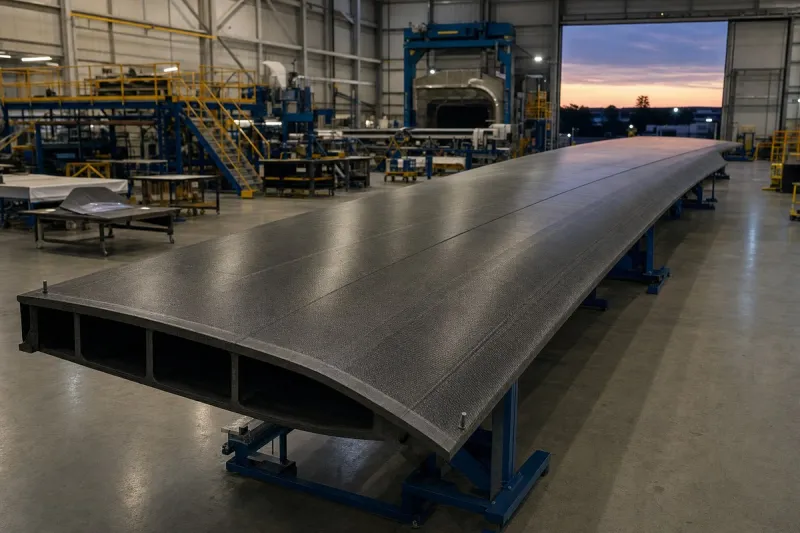
A new Suppliers Complex, planned to open by the end of 2026, is designed to provide 88 leasable units across three levels for maintenance service providers, aircraft parts traders and aerospace companies, with a focus on start-ups and small and medium-sized enterprises. It is part of MBRAH's Aerospace Supply Chain zone, whose first phase Dubai South announced complete in April 2025: 11 facilities across 1.291 million square feet, covering engine shops, component and landing-gear MRO and workshop operations.
Specific capabilities are also being added. Lufthansa Technik Middle East inaugurated a Painting and Grinding Centre at the site in March 2026, supporting structural and composite repair processes with the aim of improving repair efficiency and reducing turnaround times. RH Aero has opened a regional service centre at MBRAH that, according to Saif, supports customers across the Middle East, Africa and India with ground support equipment and engine and airframe tooling services.
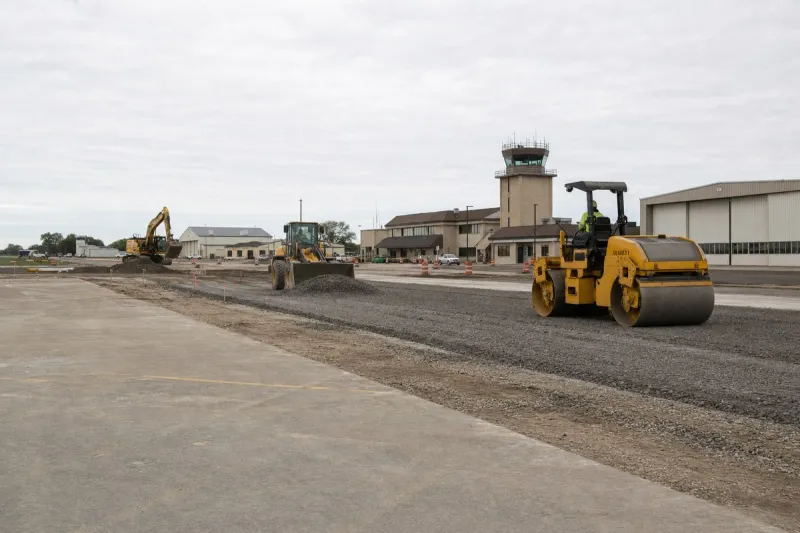
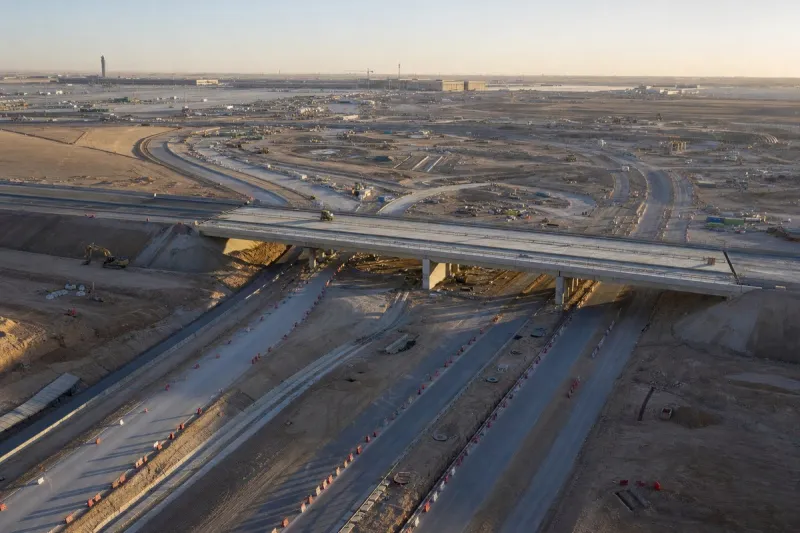
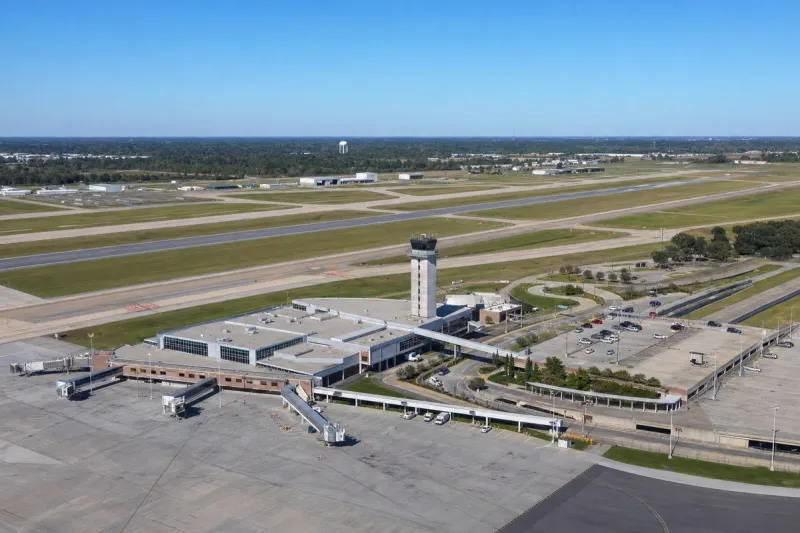
The airport's plans are long-term. In April 2024, Dubai approved a AED128 billion development programme for Al Maktoum International Airport, with an ultimate planned capacity of 260 million passengers a year and up to 12 million tonnes of cargo annually when fully developed. These are design targets, not current operating capacity. The commercial outcome will depend on tenant take-up, customer requirements, available technical skills and supply chains, and which repairs can actually be performed locally.