USS Theodore Roosevelt Strike Group Joins Region as Iranian Drones Target Bahrain; Gulf Airspaces Open
Why It MattersOpen airspace across seven Gulf states alongside repeated Saudi airport disruption splits the region's aviation picture, so routings and operator exposure now depend heavily on which country is involved.
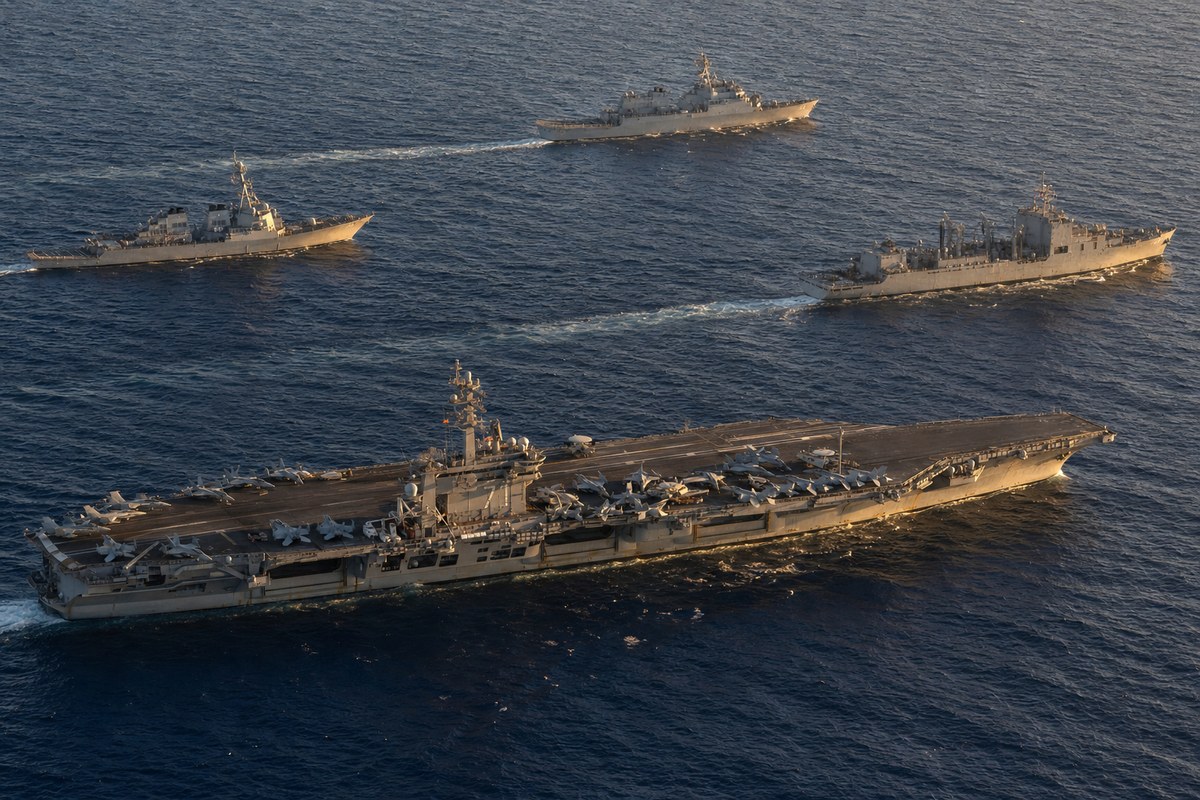
The USS Theodore Roosevelt Carrier Strike Group entered the US Central Command area of responsibility on 15 November, giving the US a three-carrier naval presence in the region. On 15 November it was also said that the US and Israel had drawn up plans for renewed strikes, likely targeting Iranian energy infrastructure and other facilities vital to its economy; Mossad Director Roman Gofman met US officials in Washington, D.C., on 13 November.
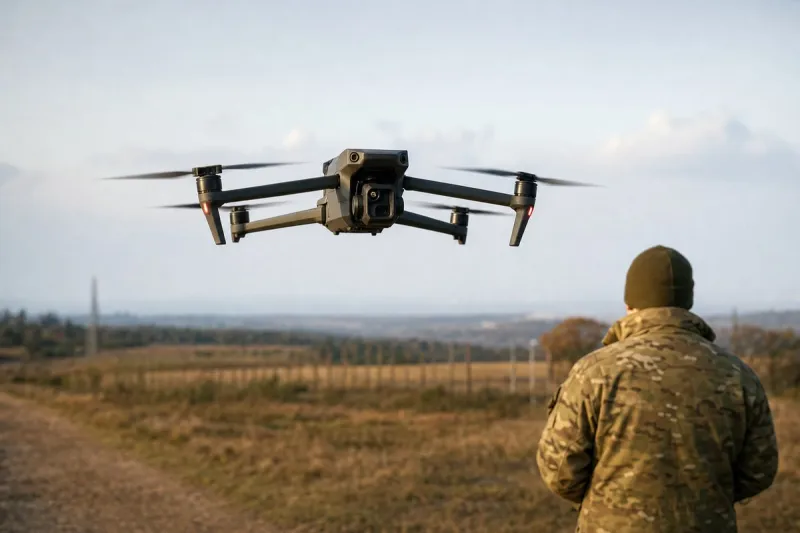
Iran launched drone attacks against US military assets in Bahrain on 13, 15 and 17 November. On 13 November, US forces intercepted two Iranian drones after the Islamic Revolutionary Guard Corps (IRGC) claimed to have destroyed a US early-warning radar in retaliation for an alleged US strike on Sirik, southern Iran. On 15 November, the IRGC claimed to have launched six drones against a US air defence radar at Riffa Air Base; Bahrain said its air defences intercepted the attack, with sirens sounding and shelter alerts issued nationwide. The IRGC claimed a further drone attack on 17 November. No US-Iran negotiations have been announced since Trump publicly redirected Vice President JD Vance away from talks on 12 November. Iranian Foreign Minister Abbas Araghchi held talks in Muscat on 16-17 November on Strait of Hormuz security and the resumption of negotiations, with no reported breakthrough. On 16 November, Vance said Trump was considering further military and diplomatic pressure on Iran but publicly ruled out a prolonged war.
Houthi missile and drone attacks against Saudi Arabia continued. The Saudi-led coalition reported intercepting drones over the Riyadh region and southern Saudi Arabia on 14 November, two ballistic missiles targeting Riyadh and drones over the Eastern Province and the Mecca and Medina regions on 15 November, and drones targeting the Mecca and Riyadh regions on 16 November. The Houthis claimed ballistic missiles struck King Khalid International Airport on 15 November, which Saudi authorities have not confirmed. On 16 November, King Salman replaced the coalition commander. In Yemen, the Houthis seized the Kharaz military base in Lahj on 15 November, and on 16 November government and military sources said they had captured the Al-Maqatirah and Al-Madaribah districts and were positioned about 60km from Aden. The coalition has continued airstrikes in Sanaa and other Houthi-held areas.
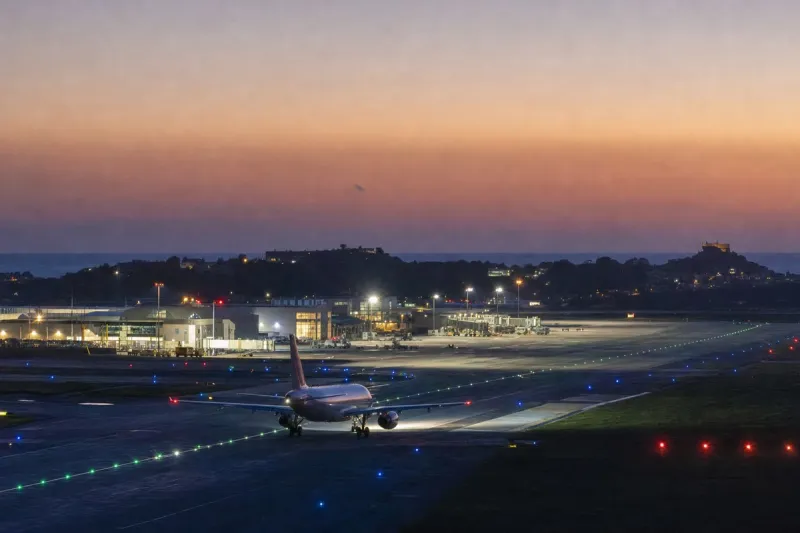
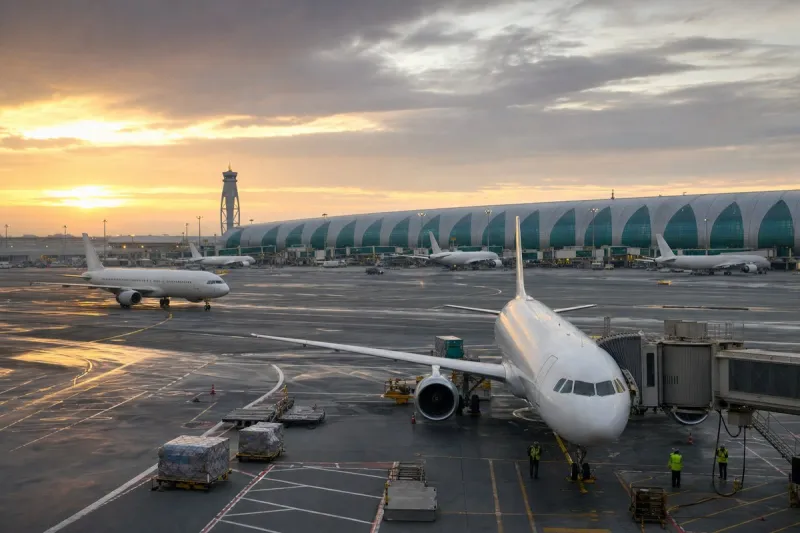
As of 17 November, the airspaces of Jordan, Saudi Arabia, Kuwait, Bahrain, Qatar, the UAE and Oman are open. King Khalid International Airport in Riyadh continues to operate limited domestic and international flights, though many foreign airlines continue to suspend services, and Saudi Arabia's Jazan, Abha and Najran airports have faced repeated closures and significant disruption. No attacks were reported in Jordan, Kuwait, Qatar, the UAE or Oman between 13 and 17 November, excluding attacks in Emirati and Omani waters.