Grumman built just 59 G-73 Mallard amphibians from 1946 to 1951; a number still fly after the type's Chalk's turboprop era
Why It MattersThe Mallard's history shows how aircraft certificated before fatigue and damage-tolerance rules can carry long-term structural risk, a concern for any aging amphibian or legacy executive fleet.
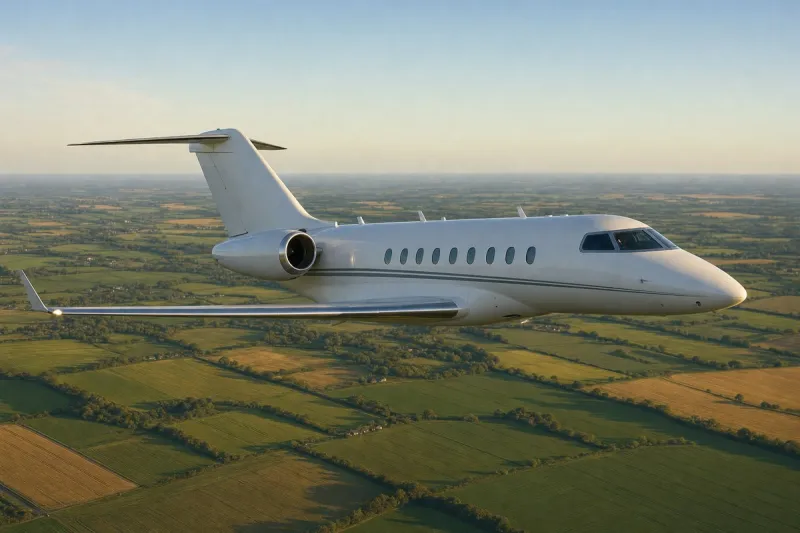
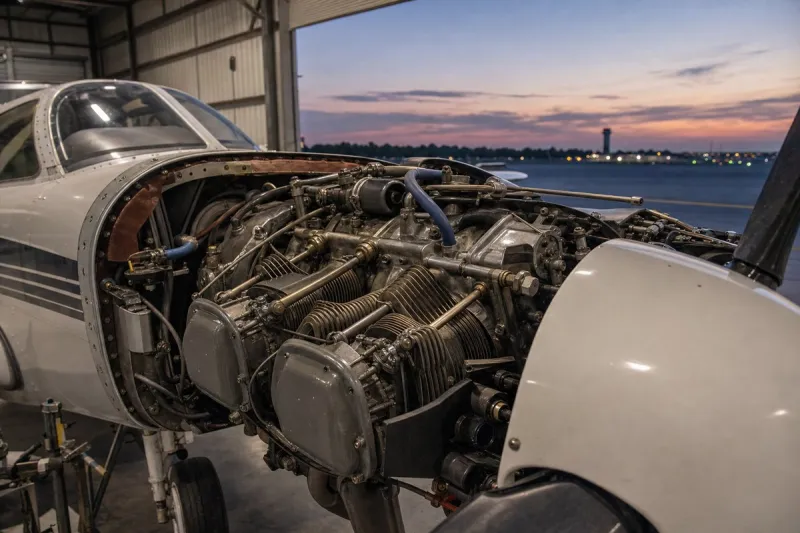
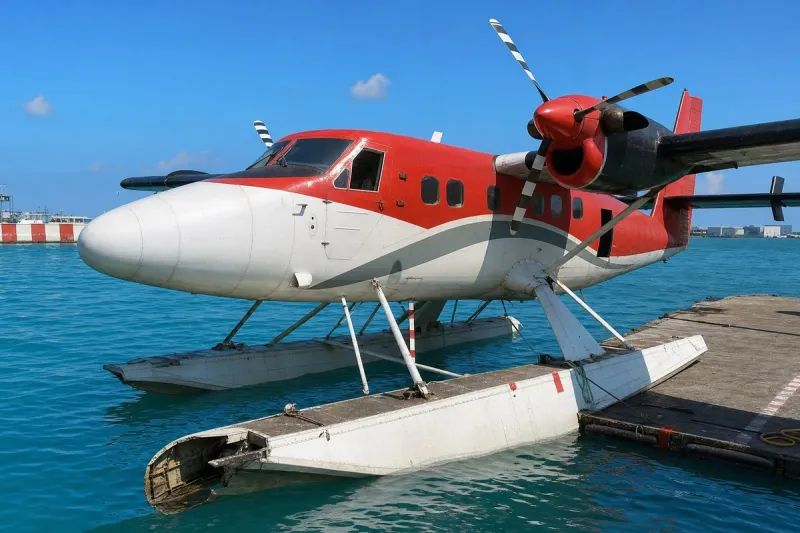
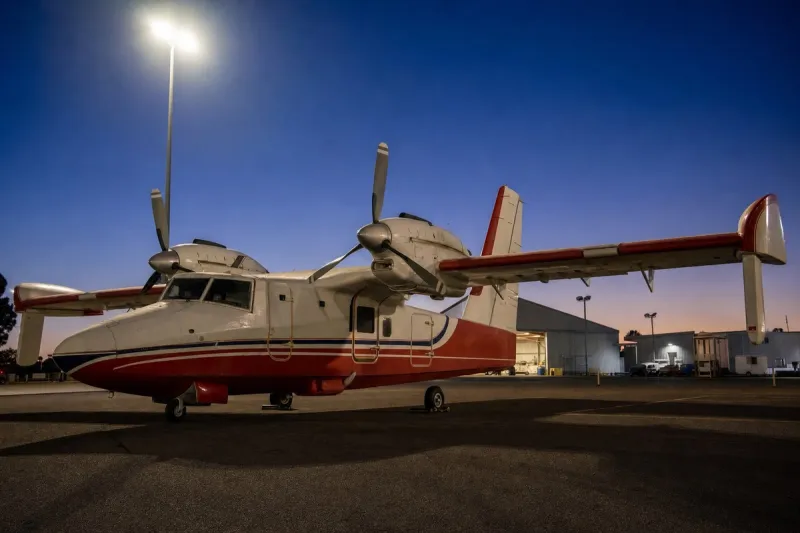
The Grumman G-73 Mallard was Grumman's postwar bid for the civilian market: a twin-engined amphibian able to operate from a runway or from water, intended as an executive aircraft. It first flew in 1946, and only 59 were built, the last leaving the line in 1951. A number are still flying. The design followed the G-21 Goose and the smaller Widgeon, but added a stressed-skin structure, a two-step hull, wingtip fuel tanks and tricycle landing gear. Power came from two 600-horsepower Pratt & Whitney R-1340 Wasp radials.
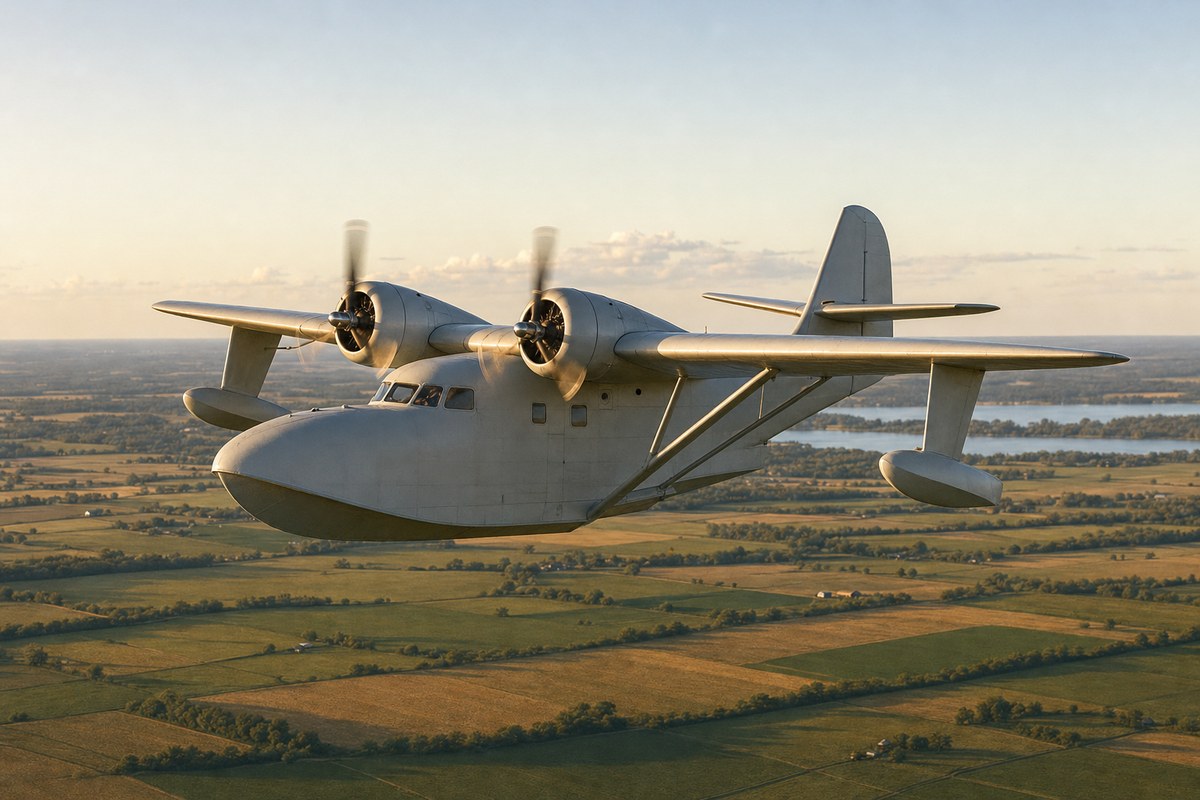
The first customer was J.P. Bickell of McIntyre Porcupine Mines in Canada, who took delivery of the first production aircraft in September 1946. Grumman had also designed the Mallard as a small airliner for harbour-to-harbour flights along the US East Coast, but the postwar market was flooded with cheap surplus military transports and airline orders did not materialise. Antilles Air Boats records 26 aircraft sold in the first year, 10 in the second and around six a year afterwards.
In the early 1970s Frakes Aviation began a programme to replace the Wasp radials with Pratt & Whitney Canada PT6A turboprops, producing the Turbo Mallard. Chalk's, the Miami seaplane airline flying to Bimini and Nassau, was its best-known operator. According to the FAA, Chalk's converted three Mallards to PT6A power in the early 1980s, raising gross weight from 12,750 to 14,000 pounds, and a further modification raised the cabin from ten to 17 seats.
In December 2005 one of Chalk's Turbo Mallards lost its right wing shortly after takeoff from Miami, killing all 20 people aboard. Investigators found fatigue cracks in the wing structure that had not been detected and properly repaired. Chalk's stopped flying altogether in 2007. The FAA's lessons-learned review notes that no fatigue or damage-tolerance analysis was required when the Mallard was certificated in the 1940s. Some Mallards still fly privately in North America and others are displayed in museums, and in 2014 a Texas company announced plans to return a new Turbine Mallard to production.