NTSB Urges Forest Service to Tighten Retardant Corrosion Testing After Damage to Two Airtankers
Why It MattersThe findings put retardant qualification standards under scrutiny, which could raise testing requirements for products and operators supplying the contracted airtanker fleet that supports wildfire suppression.
The National Transportation Safety Board has called on the U.S. Forest Service to strengthen its corrosion testing requirements for aerial firefighting retardants. Its investigation found extensive corrosion on two large airtankers, and the NTSB determined that the agency's qualification process did not adequately evaluate the effects of a magnesium chloride-based retardant on aircraft structures.
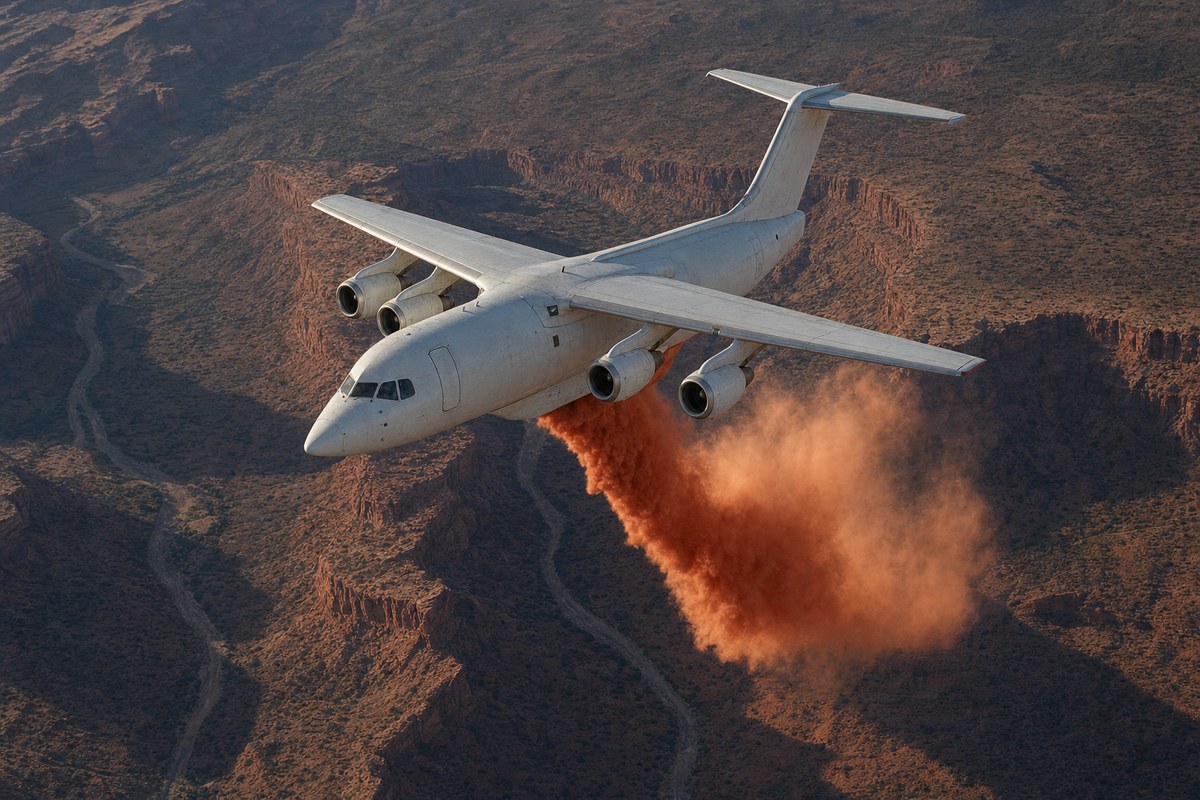
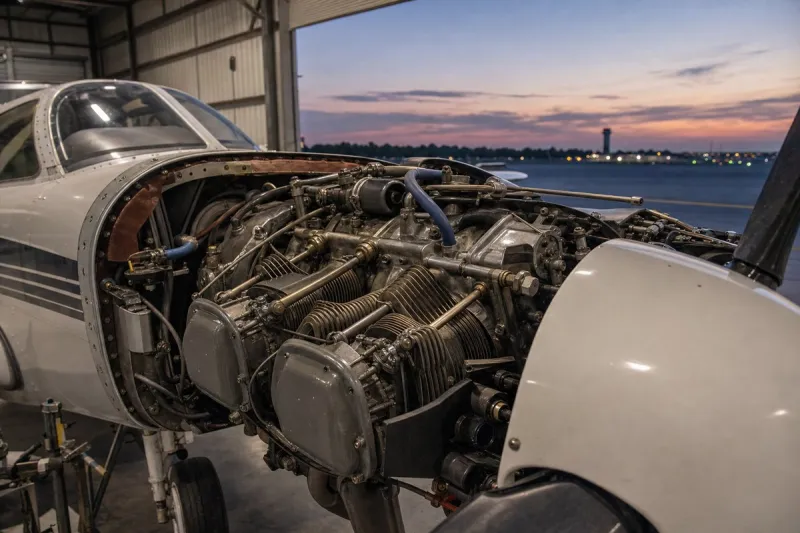
The two aircraft were a British Aerospace BAe-146 operated by Neptune Aviation Services and an MD-87 operated by Aero Air. Both took part in a 2023 evaluation of Fortress FR-200, a magnesium chloride-based retardant, first carrying it exclusively and then alternating between it and a phosphate-based retardant. Later inspections found corrosion affecting structural components, electrical connectors, control cables and engines. On the MD-87, investigators found corrosion penetrating more than half the thickness of a wing spar doubler classified as primary structure. The NTSB said corrosion reduces the thickness and strength of metallic aircraft structure and can result in structural failure if undetected or uncorrected. It noted the corrosion developed during a single fire season and affected primary wing structure, internal fuselage structure, flight control cables, electrical connectors, tank components and engines.
According to investigators, the Forest Service's qualification procedures relied mainly on testing individual metal samples and did not adequately account for the combinations of materials common in aircraft construction. The evaluation that preceded FR-200's full qualification also used a single-engine airtanker with a fiberglass retardant tank. Additional testing after the incident found that FR-200 could cause corrosion when used alone, and that interaction with phosphate-based retardants could increase corrosion under certain conditions.
The Forest Service suspended the qualifications of FR-200 and a related product in May 2024 and removed both from its approved products list that December. The NTSB issued two recommendations calling for expanded corrosion testing and revisions to the Forest Service's qualification standards. They come amid separate discussions about the agency's oversight of firefighting aircraft, including its annual inspections of contracted airtankers.