US Air Force Hires XStar to Fly HondaJets for B-1B Bomber Pilot Training
Why It MattersMilitary use of a civilian business jet as a bomber training platform opens a contracted-services niche for private operators and light-jet fleets, shifting some defense flight hours away from costly frontline aircraft.
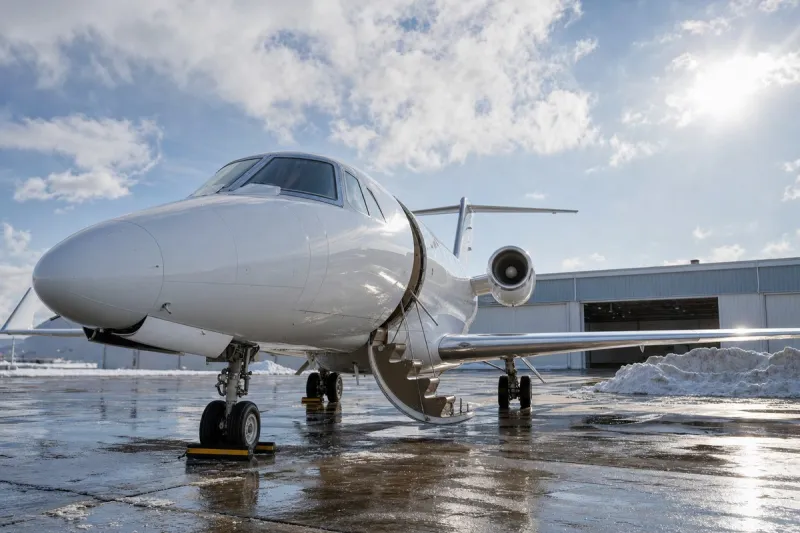
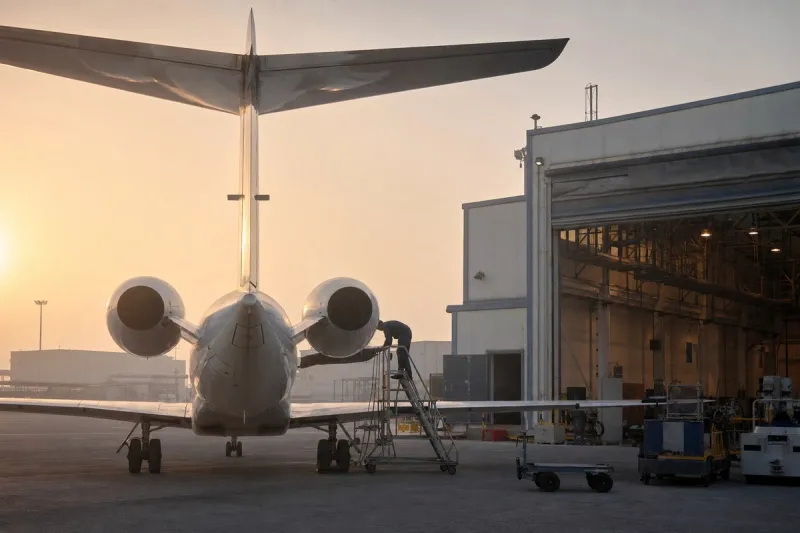
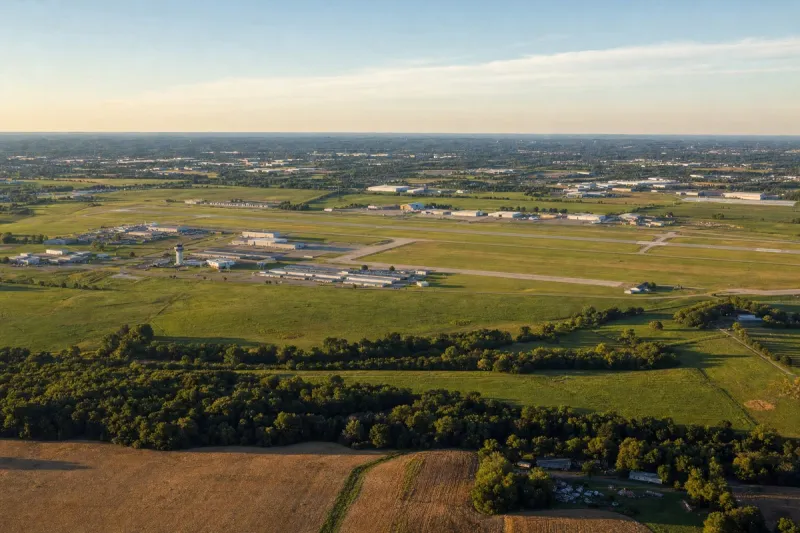
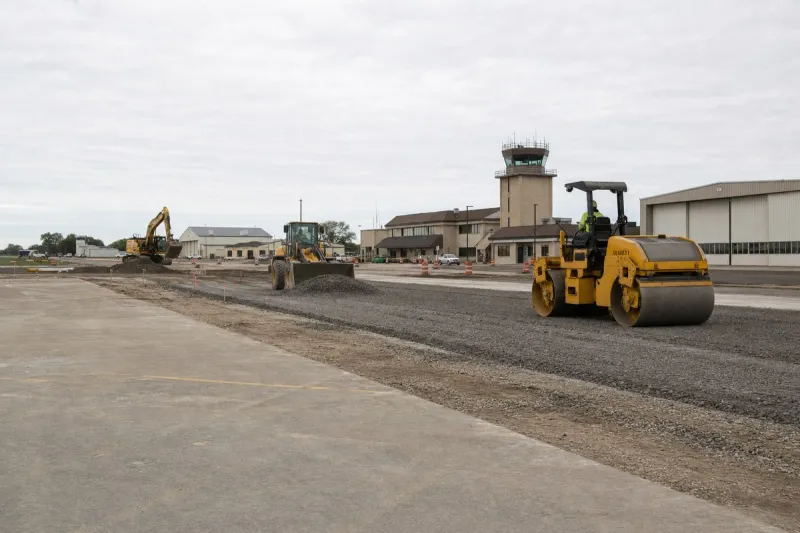
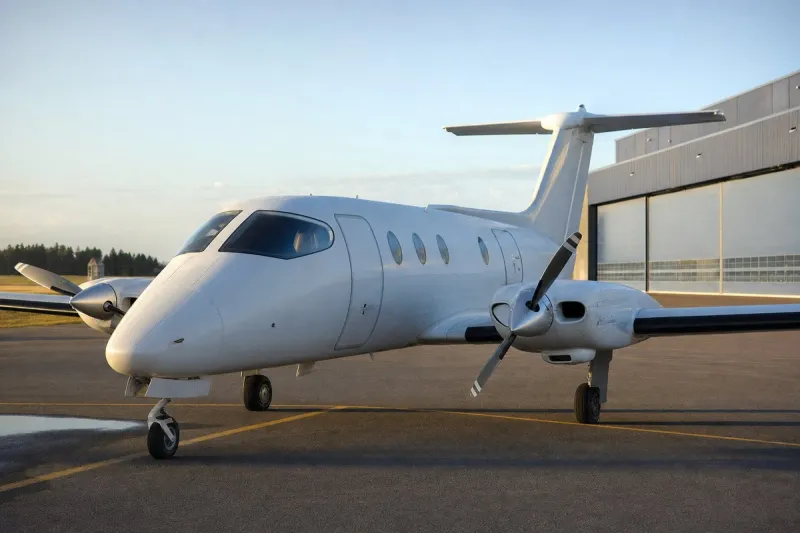
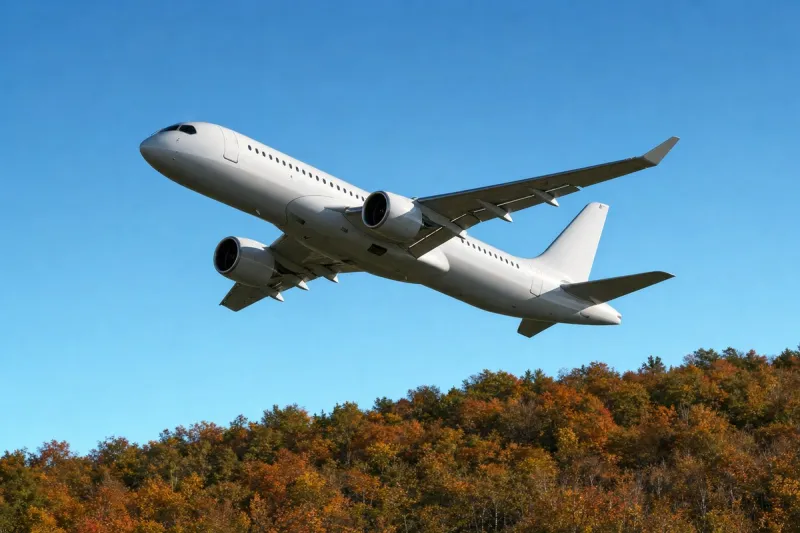
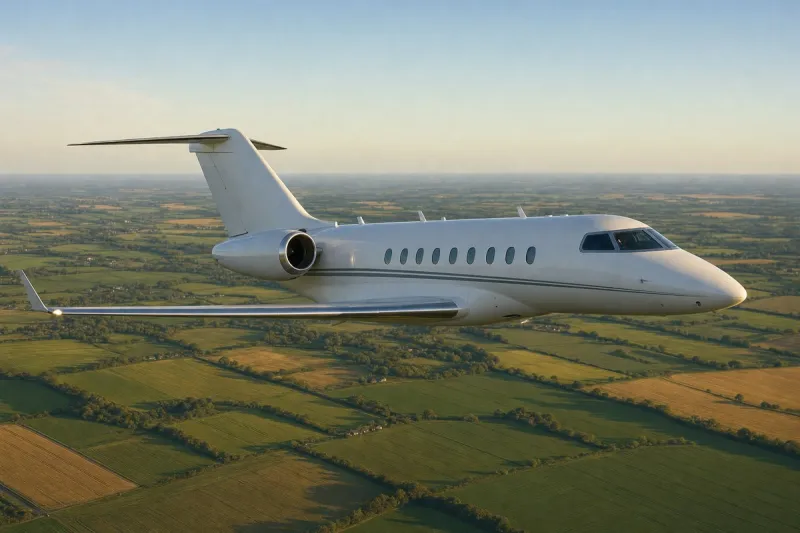
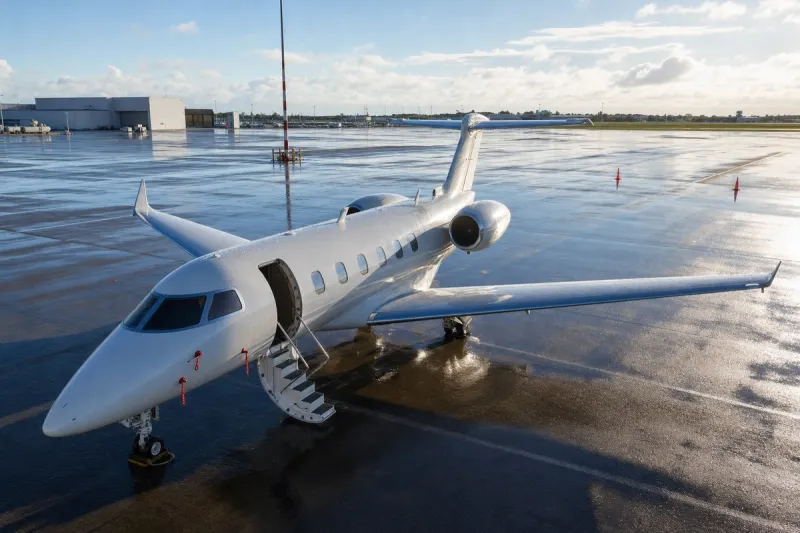
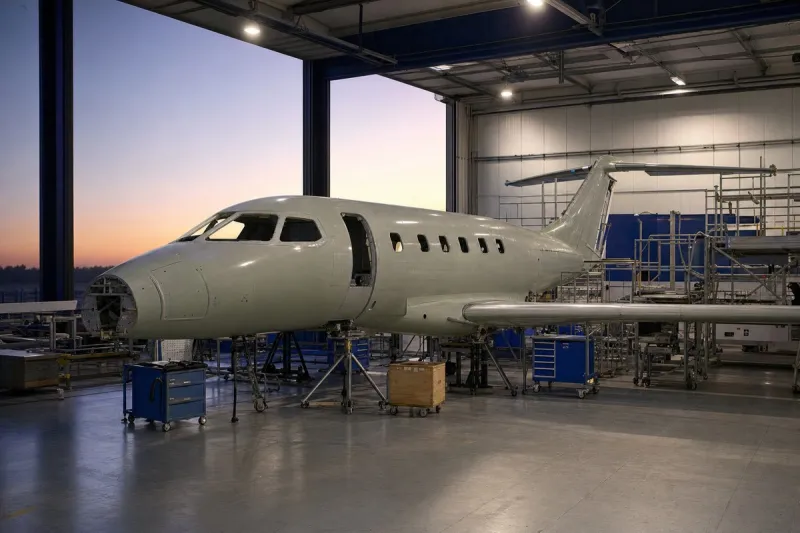
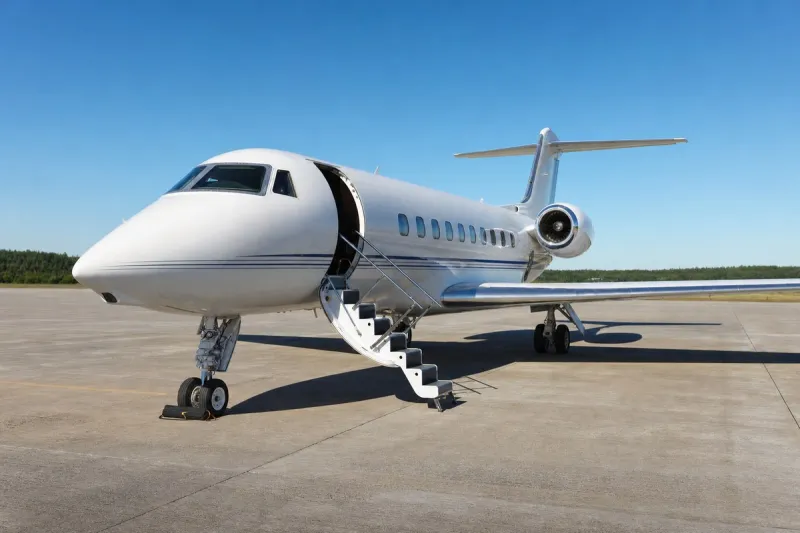
The US Air Force has decided to hire the private company XStar to operate HA-420 HondaJet aircraft as a dedicated, hands-on training platform for its bomber pilots, including those flying the B-1B. The program focuses on improving complex decision-making and preparing pilots for the very long-duration flights that are part of the bomber force's routine operational profile. The company's HondaJets currently operate from a base adjacent to Dyess Air Force Base.
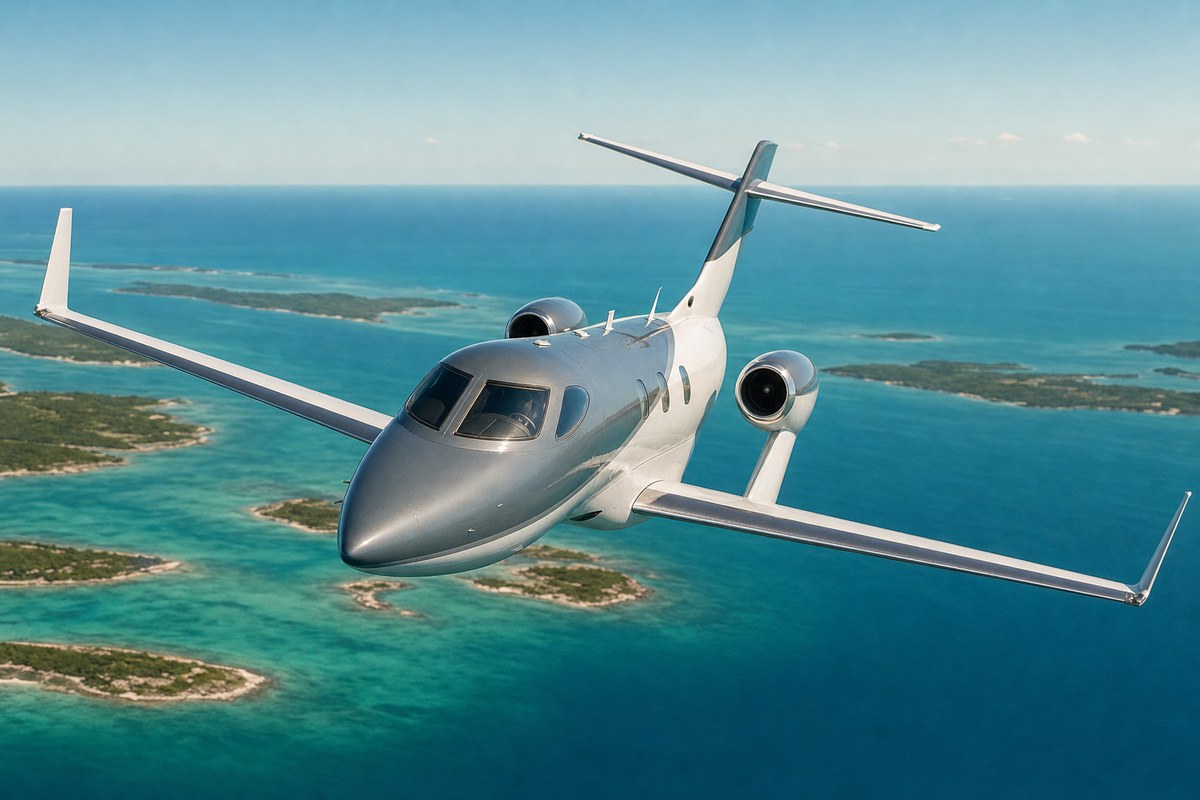
Training in a civilian business jet is expected to save expensive instructional flight hours in the bomber itself, which is described as the most expensive aircraft in the US in terms of ongoing operating and maintenance costs. The arrangement has precedent: earlier B-2 pilots regularly trained on T-38 Talon trainers to maintain basic and advanced flying skills.
Maj. Gen. Ty Neuman, commander of the US Eighth Air Force, which oversees the bomber fleet, told The Aviationist that new bomber pilots must fly extremely complex missions requiring high levels of precision, self-discipline and professional judgment in all weather and environmental conditions. He said the business-jet training will give pilots a proven ability to conduct safe, professional flights while saving flight hours on the large, heavy bombers.
The Air Force said pilots already receive extensive simulator training, but simulators have limitations compared with live flight. In the air, pilots must handle unexpected weather changes, congested and complex airspace, and crew performance under continuous workload and pressure. In the business jets, bomber pilots will also practice procedures related to weapons system operation and overall mission management, which contribute to airmanship: the character attributes, professional skills, spatial awareness and discipline expected of a combat pilot. The Air Force said the approach lets crews maintain readiness and training continuity while reducing wear and tear on frontline aircraft and extending the bombers' service life.