Digital Platforms and AI Set to Reshape Private Aviation Booking, with India Seen as Key Growth Market
Why It MattersDigital and AI-driven booking tools could reduce information asymmetry in charter pricing and improve aircraft utilisation as financing and leasing ecosystems expand in emerging markets like India.
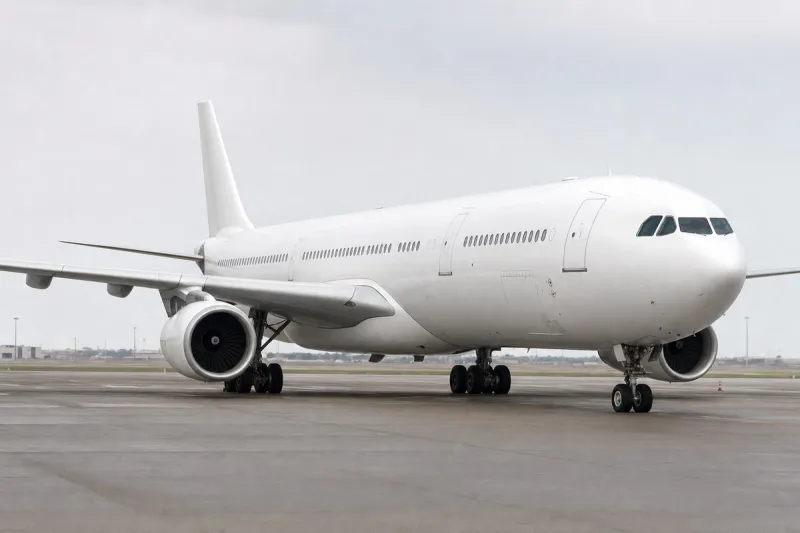
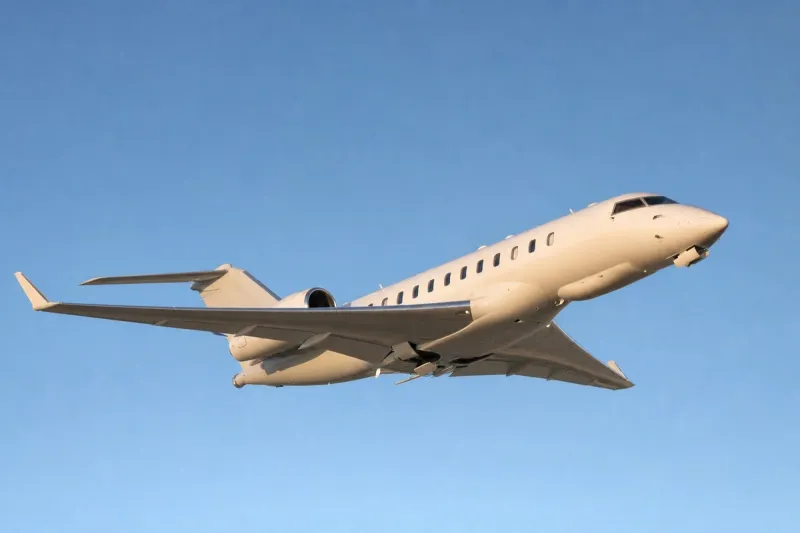
Private aviation is shifting from traditional broker-led booking toward digital search-and-compare platforms, with artificial intelligence expected to further change how customers arrange charter flights, according to an analysis by Varun Mittal published September 22, 2026. Under the conventional model, customers share route and date details with a broker, wait for availability, receive quotations, and go through multiple rounds of communication before confirming a booking. Digital platforms can consolidate this into a single interface, letting customers search routes, compare aircraft categories, seating capacity, range and amenities, view indicative pricing, and, where instant booking is enabled, confirm journeys digitally.
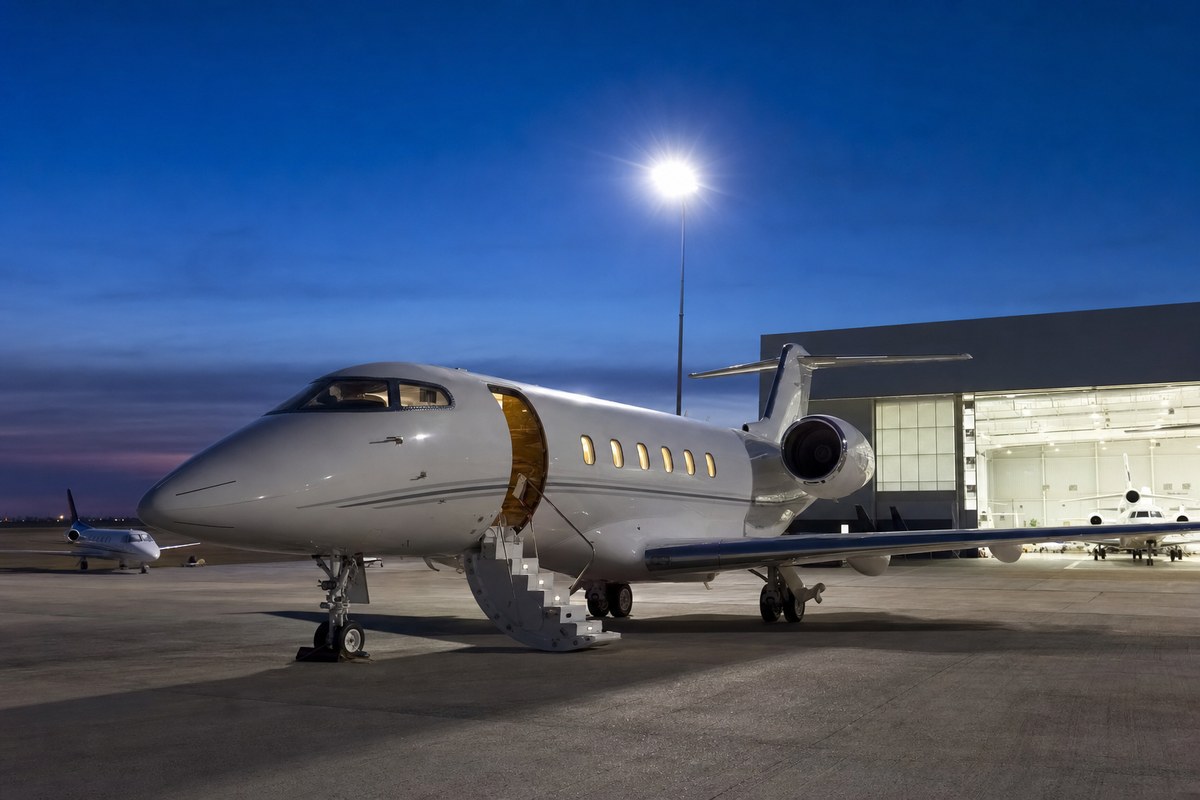
The analysis identifies information asymmetry as a key problem in charter aviation, since pricing is shaped by aircraft type, route, availability, airport restrictions, operating requirements and duration, making the customer experience less standardised than scheduled commercial flights. Technology can present multiple aircraft options against the same journey requirements, letting customers weigh trade-offs between size, range, seating, amenities, travel time and price rather than relying solely on broker recommendations.
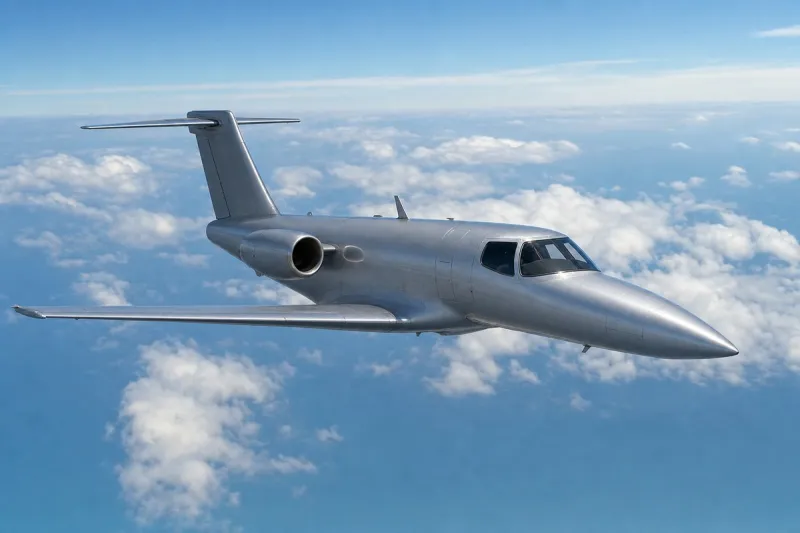
India is highlighted as a particularly significant market. According to IMARC, India's business jet market was estimated at approximately $692 million in 2025, with on-demand charter accounting for 61.9% of the business model, and growth is projected over the coming decade supported by rising high-net-worth individual wealth, airport infrastructure development and changing ownership models. On the supply side, digital marketplaces could improve aircraft utilisation by matching available capacity with demand more efficiently, described as increasingly important as aircraft financing and leasing ecosystems develop in India.
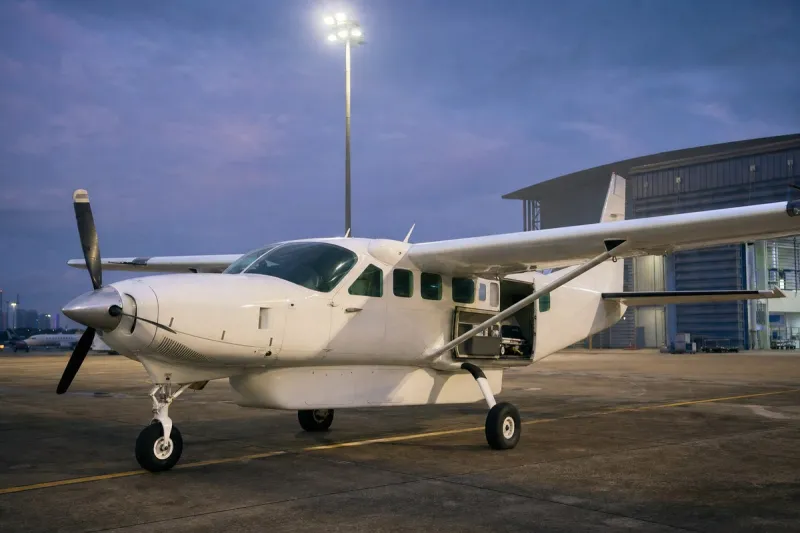
The next phase, the analysis states, involves integrating artificial intelligence into the booking journey, with an AI-enabled platform able to assess a journey's purpose and recommend the most appropriate aircraft based on customer preferences. The analysis emphasises that AI should be viewed as an augmentation tool rather than a replacement for human aviation expertise, with the most effective model combining AI-driven discovery with specialist human knowledge for complex routes, last-minute requirements, medical aviation and bespoke journeys.