Hong Kong CEPU Chief Charts SAF Policy Progress at Sustainable Aviation Futures China Congress
Why It MattersThe update signals Hong Kong positioning itself as a finance, certification and trading hub for the Greater Bay Area's emerging sustainable aviation fuel supply chain.
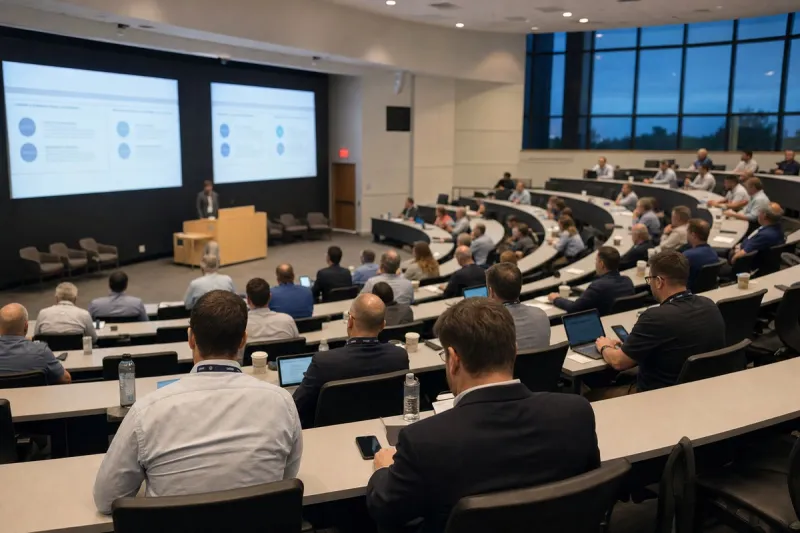
The head of Hong Kong's Chief Executive's Policy Unit (CEPU) opened day two of the Sustainable Aviation Futures China Congress by tracing three years of sustainable aviation fuel (SAF) policy development in the territory. SAF appeared in Hong Kong's 2023 Policy Address in just two sentences, committing only to "monitor the development trend closely," but the 2026 Policy Address and Hong Kong's First Five-Year Plan now give SAF a dedicated heading covering a production base, a consumption ratio, a mandate study due by 2028, and a certification pathway.

Over the past three years the CEPU engaged airlines, investors, and Mainland authorities across energy, commerce, and aviation; visited a SAF production base in Zhangjiagang; traced used cooking oil feedstock upstream across Guangdong; and worked with HKEX's Core Climate platform on trading mechanisms and price discovery. It also commissioned university research into local supply resilience, faster fuel screening, and viable Guangdong-Hong Kong-Macao Greater Bay Area feedstocks.
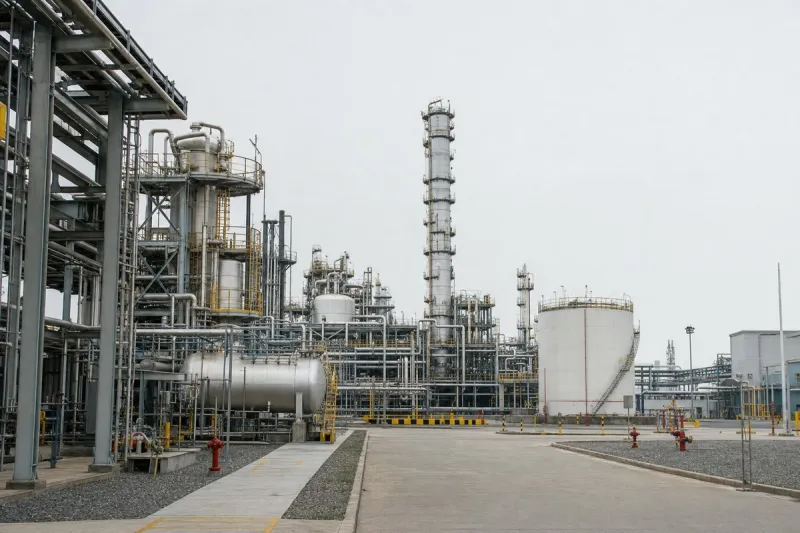
On supply, EcoCeres has signed an investment letter of intent with the Dongguan Municipal Government for a new SAF production facility targeted for a 2030 start-up, expected to produce approximately 450,000 tonnes per year of SAF and renewable diesel at full capacity, anchoring the GBA's first end-to-end SAF value chain with feedstock collection across the GBA, refining in Dongguan, and R&D and headquarters functions in Hong Kong.
The speaker cited the International Civil Aviation Organization's aspiration to cut international aviation emissions by 5 per cent by 2030 through SAF and other cleaner energies, and its 2050 net-zero target, alongside SAF mandates in the European Union and the United Kingdom and targets set by Singapore and Japan. China's National 15th Five-Year Plan calls for accelerating a green transformation and extends the green hydrogen chain to green ammonia, methanol, and SAF, while expressly supporting Hong Kong in consolidating its status as an international aviation hub. The CEPU chief argued Hong Kong's common-law framework, deep financial markets, international connectivity, and certification, carbon data, and settlement systems position the city to finance, verify, and connect SAF to global buyers without hosting every production line.