FAA AC 43-214A Sets Strict Requirements for Aircraft Composite and Bonded-Structure Repair
Why It MattersThe standard raises the bar for MRO shops handling composite repairs as narrowbody and widebody aircraft increasingly rely on fiber-reinforced structures in exposed areas.
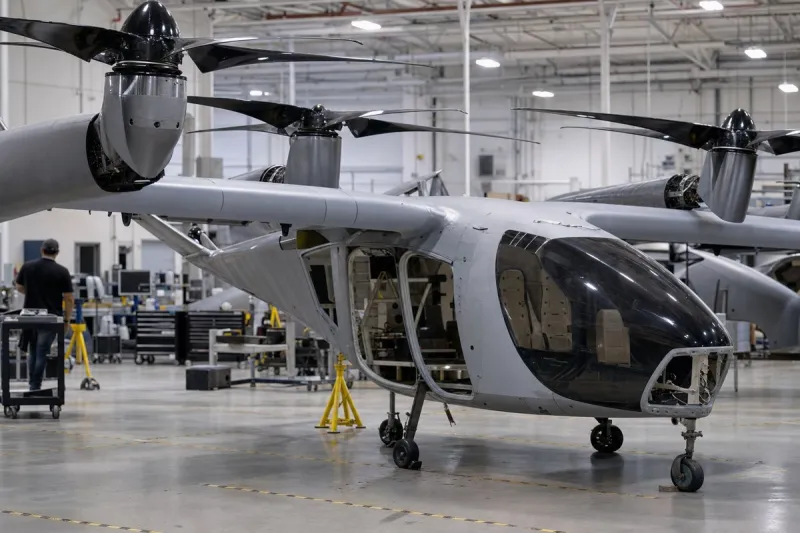
Aircraft composite repair is governed by FAA advisory circular AC 43-214A, which imposes requirements that go well beyond patching a surface defect. Composite structure in aviation covers fiber-reinforced materials — carbon, aramid, and glass-reinforced polymers bonded with resin — used in radomes, wingtips, winglets, fairings, engine cowlings, and flight control surfaces such as ailerons and spoilers.

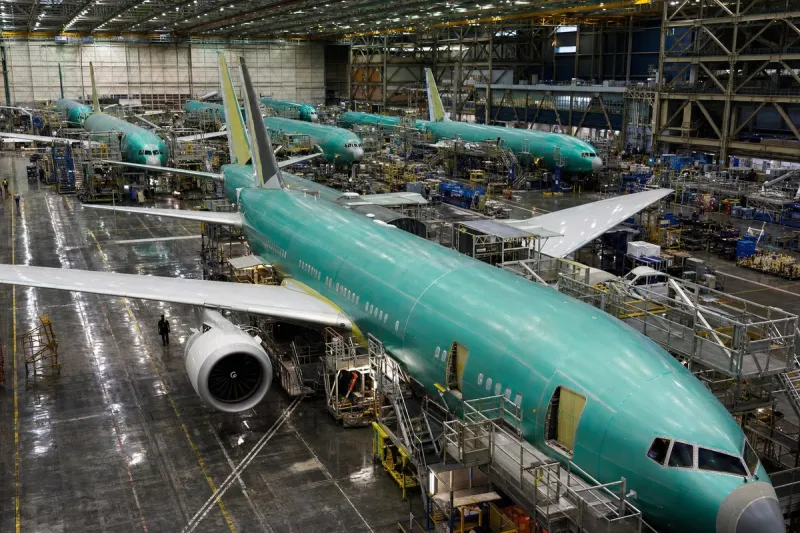
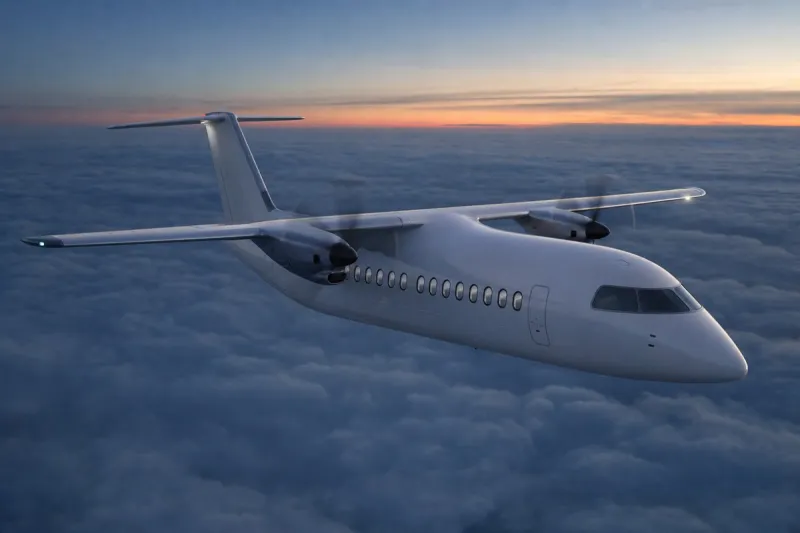
Even aluminum-based aircraft carry meaningful composite content. Composite materials account for approximately 10% of a Boeing 737 MAX's aerostructure by weight and about 15% of an Airbus A320's, compared with roughly 50% for a Boeing 787 and 53% for an Airbus A350, according to CompositesWorld. On narrowbody aircraft, composite parts are concentrated in areas most exposed to ground handling damage: the nose, wingtips, and fairings.
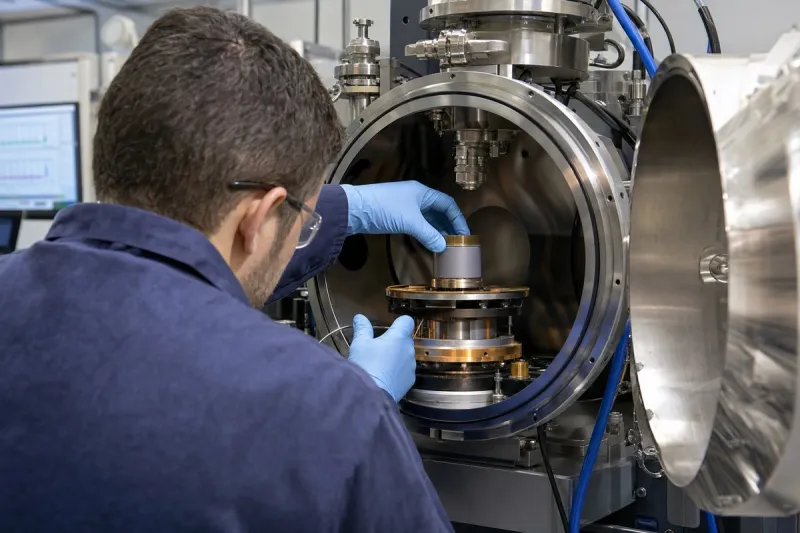
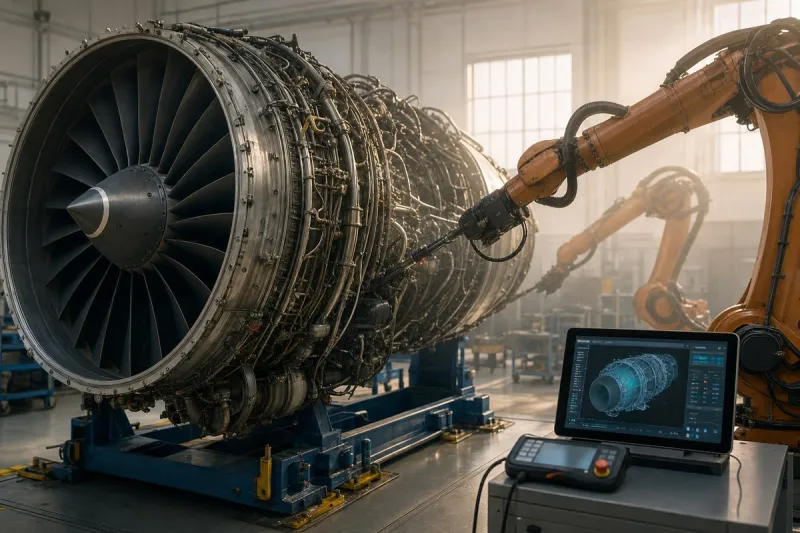
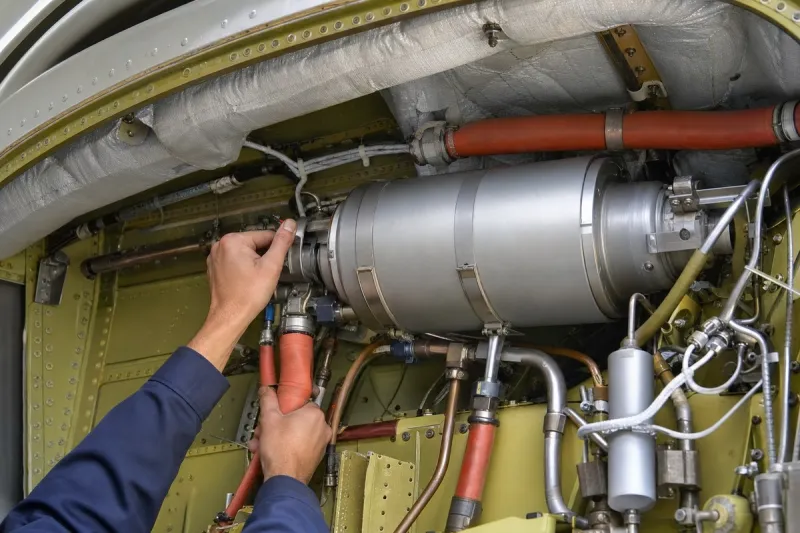
AC 43-214A requires repair organizations to maintain environmentally controlled layup and clean rooms with regulated temperature, humidity, air filtration, and contamination controls, with prepregs and adhesives stored frozen and tracked for out-time before use. The FAA has documented that absorbed moisture can cause delaminations away from the repair site during the cure cycle, and in honeycomb structures can produce blown face sheets that are not visible externally. The circular therefore requires non-destructive testing using X-ray, ultrasonic, or other approved methods before return to service, and mandates that personnel performing composite and bonded-structure repair be specifically qualified and periodically requalified rather than generally trained in airframe maintenance.