Boeing Faces Multi-Year Rework Challenge on ~30 Pre-Certification 777-9 Airframes as Program Charges Exceed $15 Billion
Why It MattersThe backlog highlights how prolonged widebody certification timelines can trap billions in working capital and force airlines to renegotiate early delivery positions.
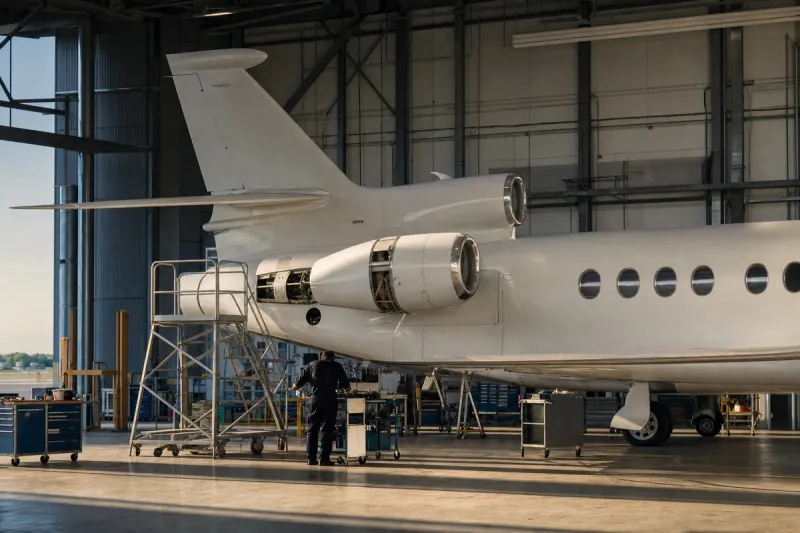
Boeing has accumulated approximately 30 completed 777-9 airframes built years before the aircraft reaches its final certified configuration, a situation contributing to program charges that now exceed $15 billion. The 777-9 was originally due to enter service in 2020 but is now targeted for first delivery in 2027, a delay Boeing attributes partly to a stricter FAA certification process following the 737 MAX accidents and partly to design changes made during extended flight testing. Because assembly continued while certification remained incomplete, aircraft were built at differing stages of the program's evolving design.

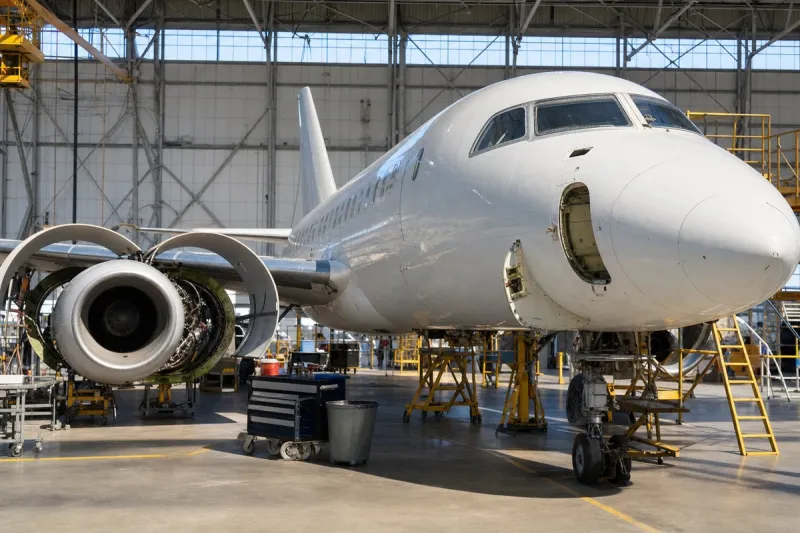
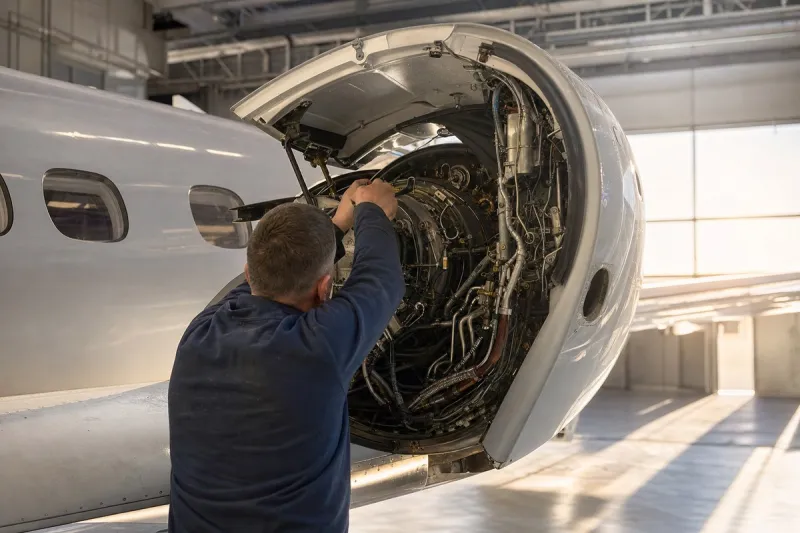
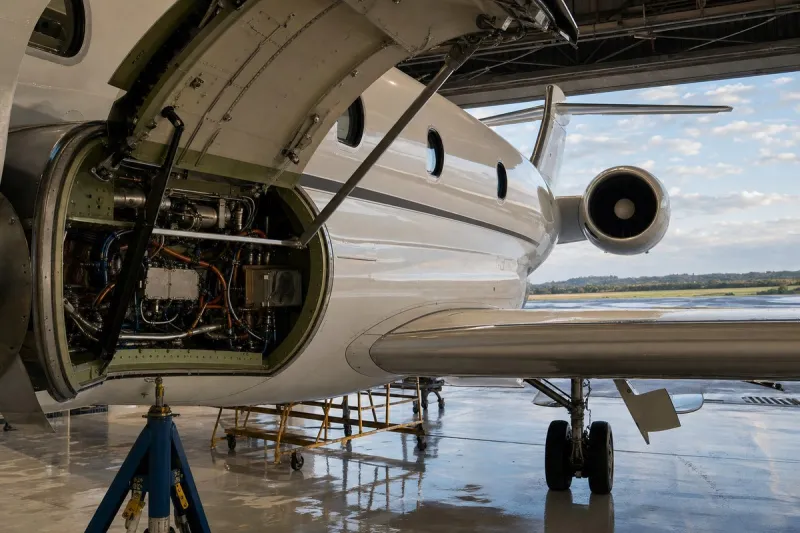
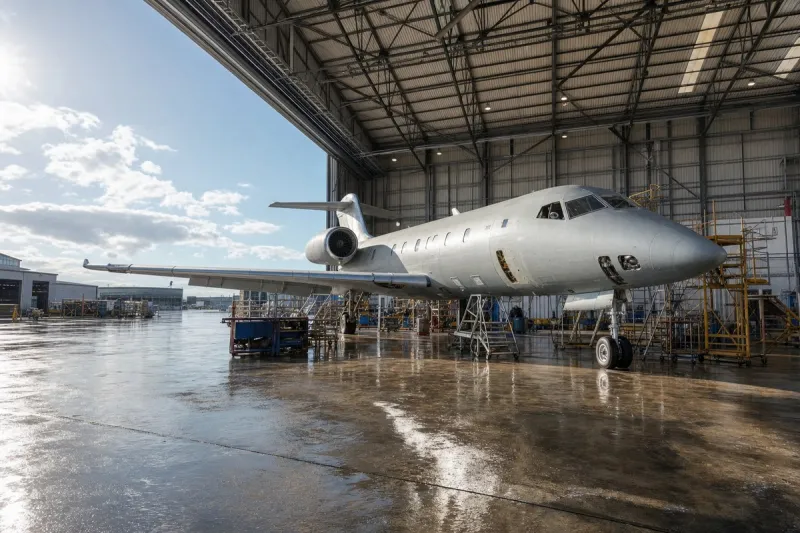
Boeing CEO Kelly Ortberg has said the stored aircraft cannot simply be finished and delivered, requiring individual assessment and a "change incorporation" process covering flight-control and engine-control software, wiring routing, and in some cases structural components; older airframes diverge more from the intended certified configuration, and the rework will take several years, managed by a dedicated Boeing Commercial Airplanes team. One early airframe, WH007 (line number 1611), rolled out in July 2019 in Emirates livery with the intended registration A6-EZT, never received engines or flew, and was dismantled in late summer 2025 after the scope of required modification made it uneconomical to complete.
Emirates, the largest 777X customer with 270 aircraft on order, has said it will not accept the first 10 aircraft from that order; President Tim Clark said at the 2026 Farnborough Airshow that the required modifications made those early airframes commercially unacceptable. In October 2025 Boeing recorded a $4.9 billion pretax charge on the 777X program after revising the delivery target, pushing cumulative program charges above $15 billion, and analysts believe billions in working capital remain tied up in stored aircraft, though Boeing has not disclosed the exact figure. Boeing said 777-9 flight testing entered the Type Inspection Authorization phase in late 2025, with the test fleet logging more than 4,700 flight-test hours by May 2026, and that newer production aircraft will need less rework than earlier examples.