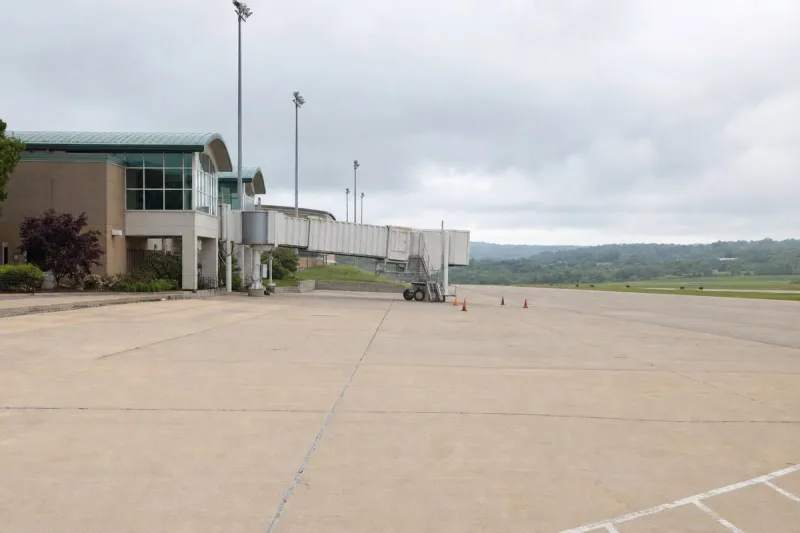
Venice Municipal Airport Proposes T-Hangar Rate Increases of Up to 147% Over Three Years
Why It MattersThe proposal shows how enterprise-fund airports are recalibrating decades-old rate structures to match current costs, shifting storage pricing toward aircraft size as a cost driver.
What happened
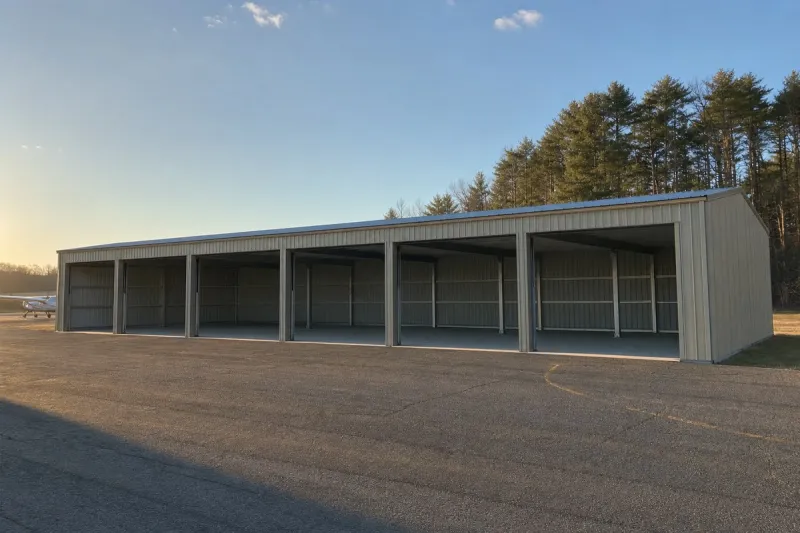
The Venice City Council is considering proposals that would raise T-hangar rents at Venice Municipal Airport (VNC) in Florida by between 53% and 147%, depending on hangar size and type, with the increases phased in over three years. Tenants would receive notice and a 30-day period for written comments before any changes take effect.

The proposal also restructures outdoor tie-down fees, moving from a system based on engine size to one based on aircraft wingspan. Aircraft with wingspans exceeding 90 feet would face a proposed monthly tie-down charge of $1,040, compared with the current maximum monthly rate of $240. Separately, the airport's fuel flowage fee would double, from 5 cents to 10 cents per gallon.
T-hangar rents have largely remained unchanged since 2007. Airport officials say the proposed changes are meant to align rates with current costs and market conditions. Venice Municipal Airport operates as an enterprise fund, meaning its expenses are covered by airport revenue rather than the city's general fund.
Industry impact & what to watch
Rate structures frozen for nearly two decades tend to fall out of step with maintenance, insurance and operating costs, and enterprise-fund airports carry particular pressure to close that gap because they cannot draw on general municipal budgets to cover shortfalls. Venice's case illustrates how such a correction, once deferred for years, can arrive as a steep single proposal rather than incremental adjustments.
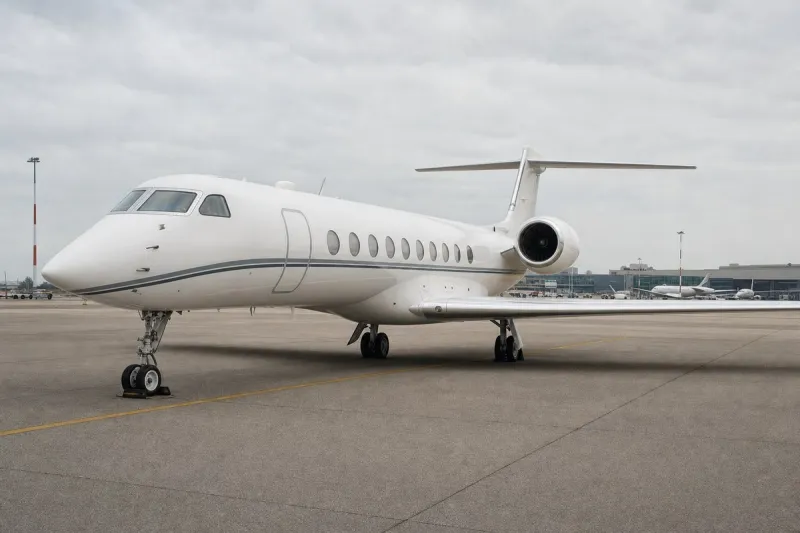
The shift from engine size to wingspan as the basis for tie-down charges also reflects a broader logic in airfield pricing: wingspan correlates more directly with the ramp space an aircraft occupies, so operators of larger aircraft would absorb a proportionally larger share of the increase, as shown by the jump to $1,040 a month for aircraft over 90 feet.
What happens next depends on the outcome of the 30-day comment period and how the Venice City Council responds to tenant feedback before the phased increases begin. Whether the fuel flowage fee doubling and the tie-down restructuring proceed on the same timeline as the hangar rent changes remains to be settled through that process.