FAA Clears Proposed Trump Arch Near DCA With Pilot-Visibility Conditions
Why It MattersThe case shows how obstruction reviews near constrained airports hinge on layered mitigations, such as clearance margins and lighting, rather than blanket height limits, with challenge windows shaping final approval timing.
What happened
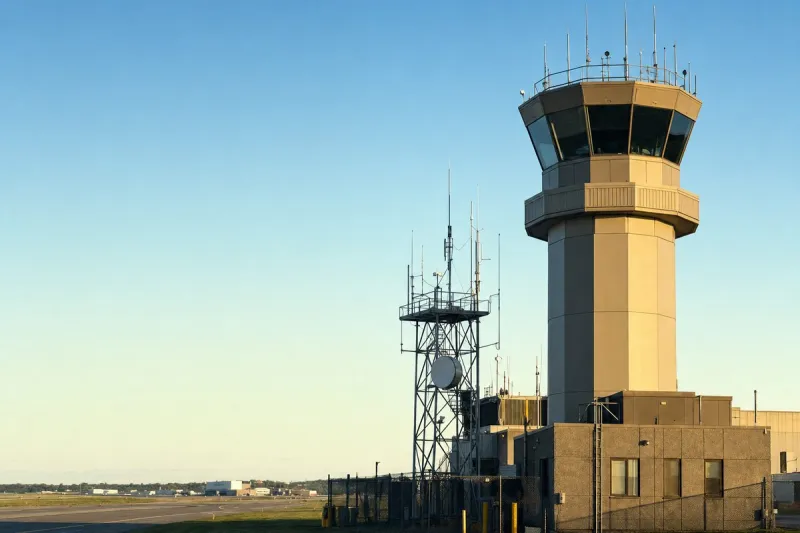
The Federal Aviation Administration issued its final airspace determination on September 18, finding that a proposed arch near Ronald Reagan Washington National Airport (DCA) would have no substantial adverse effect on the airport's airspace or navigation facilities, provided specific pilot-visibility requirements are met.
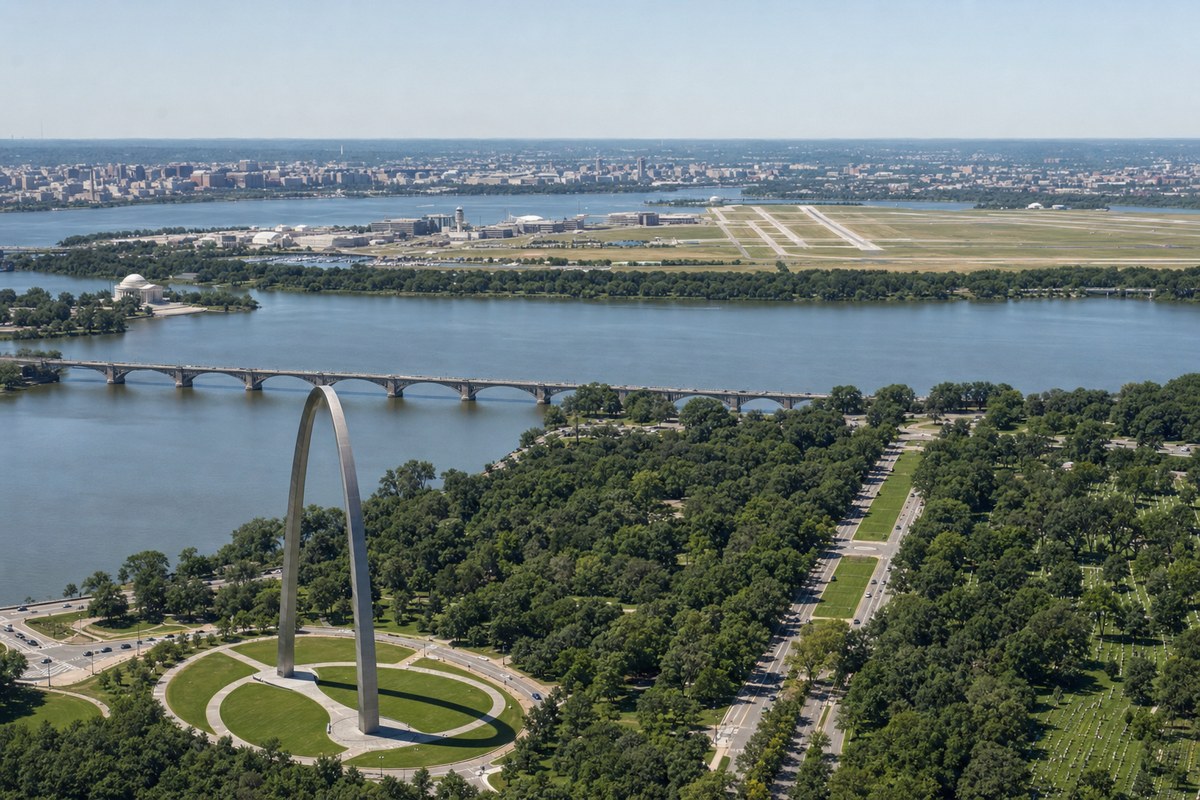
The structure is planned for Memorial Circle, near the entrance to Arlington National Cemetery and approximately 3,000 feet from DCA, within a heavily used approach and departure corridor. FAA safety experts determined that aircraft operating in the area must maintain an altitude leaving roughly 488 feet of clearance between the top of the arch and overflying aircraft. As conditions of approval, the FAA requires the arch to be marked with a "non-standard eternal flame" on top and continuously illuminated by floodlight projectors positioned around its base. An earlier FAA review had called for red obstruction lights, but that requirement was dropped in the final determination.
The FAA's review considered air traffic patterns and procedures at DCA as well as at nearby military and public-use airports. The agency noted that its airspace determination does not constitute final approval for the entire project. The determination may be challenged through October 18 and becomes final on October 28 unless further action is taken.
Industry impact & what to watch
This determination follows the standard FAA process for obstruction evaluation near busy terminal airspace: rather than blocking a structure outright, the agency attaches operational mitigations — minimum clearance margins, lighting or marking changes — that let a project proceed if pilots can reliably see and avoid it. The shift from red obstruction lights to continuous floodlighting and a distinctive marker in this case illustrates how those mitigations get tailored to the specific approach corridor and the structure's intended appearance.
Airspace determinations of this kind are procedural checkpoints, not construction permits: they clear the aviation-safety question while leaving other approvals for the broader project outstanding. Because the finding is not yet final, the open challenge period through October 18 is the next point at which the outcome could change before the determination takes effect on October 28.