DOT Launches MNAAP Program to Test Cellular Networks for Aviation Safety and Drone Operations
Why It MattersFindings could determine whether commercial mobile networks become a recognized component of BVLOS drone infrastructure and future FCC spectrum policy for UAS.
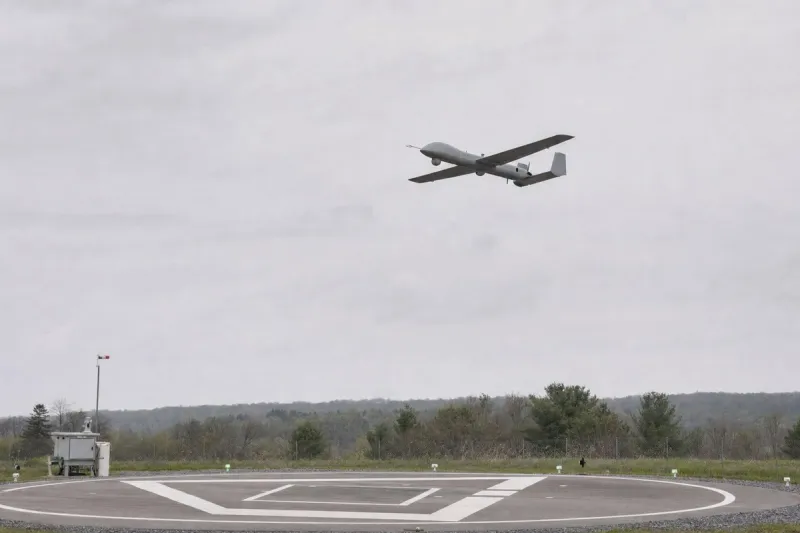
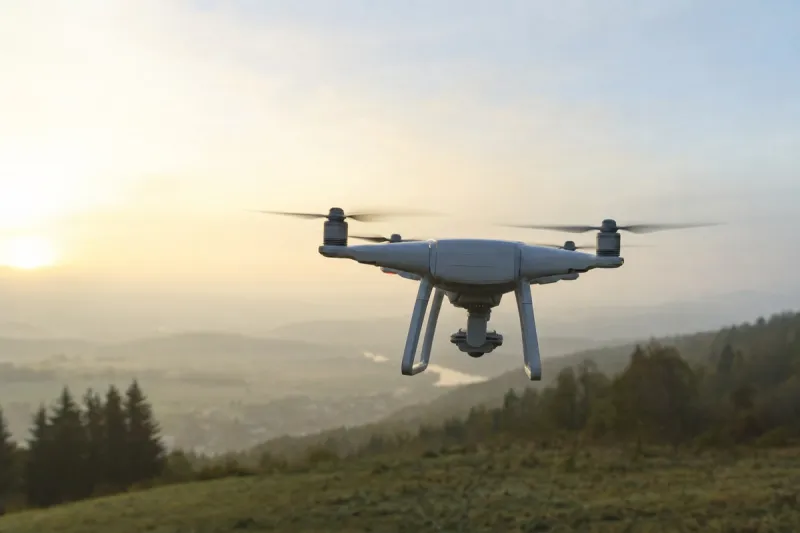
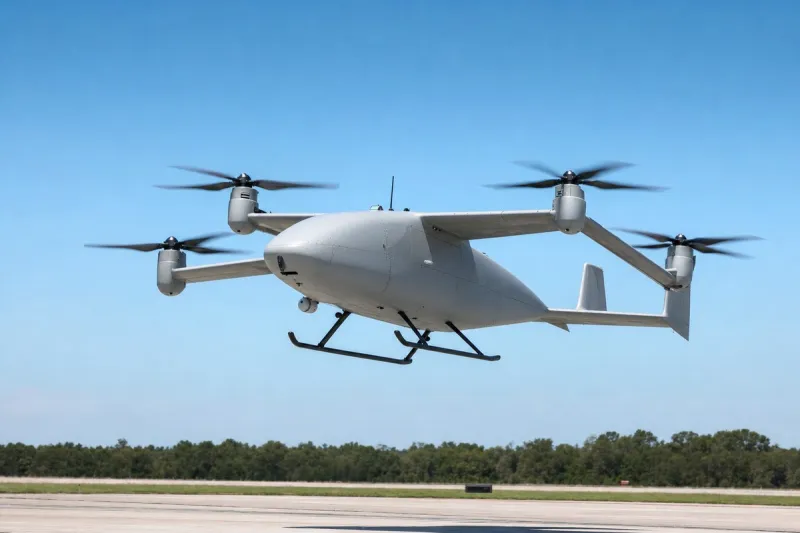
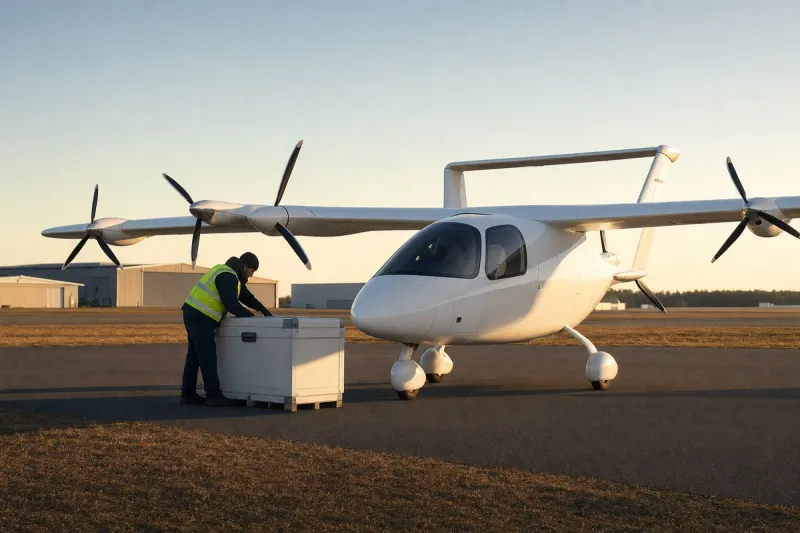
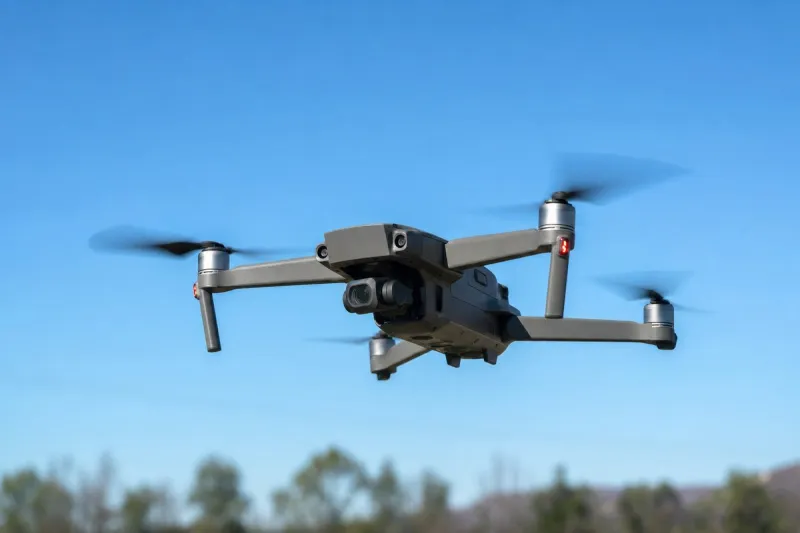
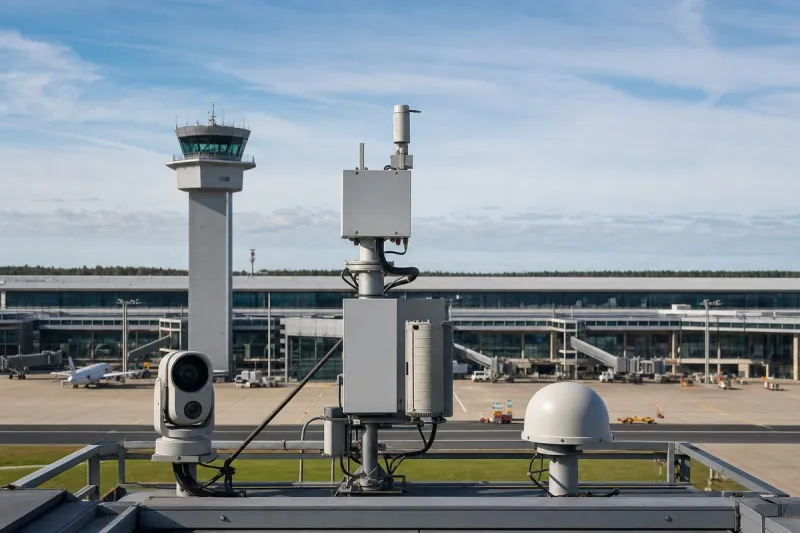
The U.S. Department of Transportation has launched the Mobile Network Aviation Assessment Program (MNAAP), a testing and proof-of-concept initiative to evaluate whether existing commercial cellular networks can support aviation safety services for manned and unmanned aircraft sharing airspace. Sponsored by the DOT's Highly Automated Systems Safety Center of Excellence, the program is assessing commercial wireless networks, satellite direct-to-device services, and sidelink technology for functions including electronic conspicuity, remote identification, counter-UAS detection, UAS command and control, and autonomous detect-and-avoid systems.
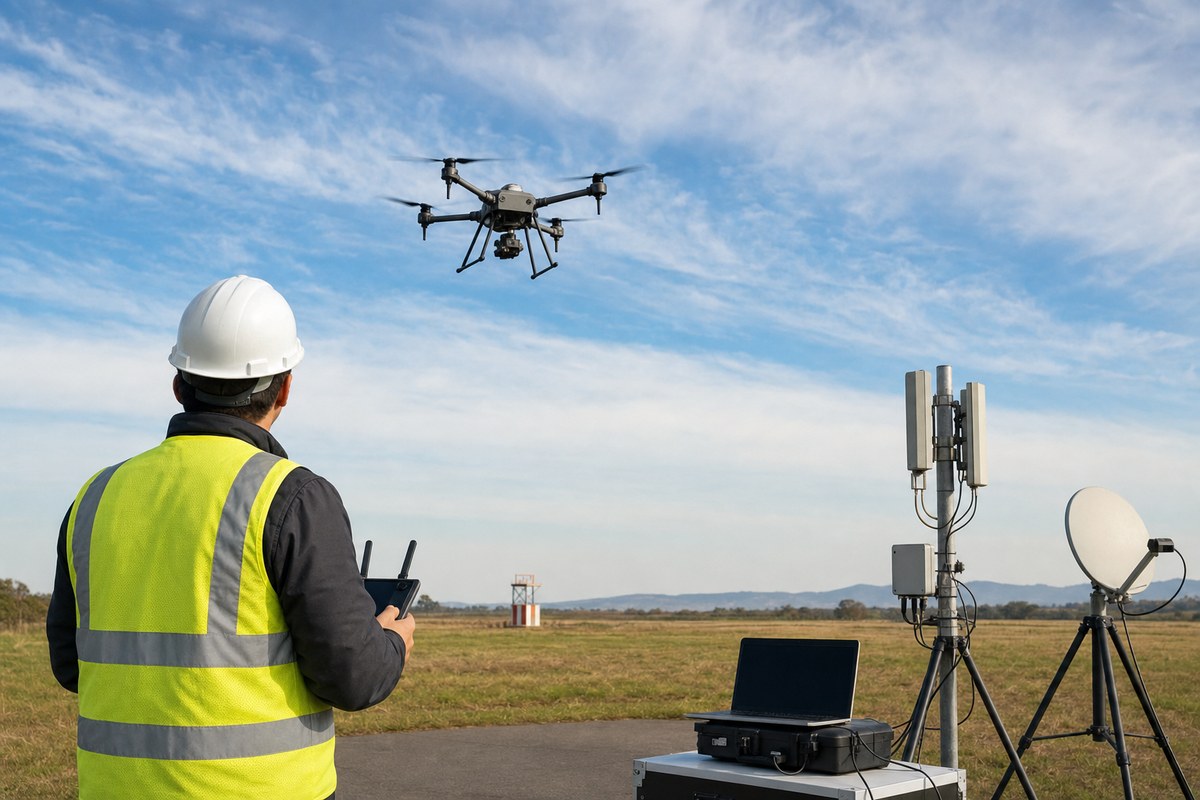
MNAAP developed two tools: a mobile app deployable on standard smartphones for up to 2,000 general aviation pilots simultaneously, and a hardware module deployable on up to 200 unmanned aircraft systems at one time. Both gather mobile broadband service quality data reported to a centralized DOT-managed database, and the module must obtain FCC equipment authorization and mobile carrier certification approval.
On September 11, 2026, the FCC issued a temporary waiver enabling MNAAP testing through October 1, 2029, addressing the fact that FCC rules permit airborne communications in some commercial spectrum bands but prohibit them in others. The program is particularly relevant to beyond visual line of sight drone operations, and a proposed FAA rule to normalize BVLOS operations would require each such drone to carry an electronic conspicuity device. The FCC has indicated MNAAP's findings will inform its future decisions on commercial spectrum use for UAS, with testing expected to continue through September 30, 2029, assisting the DOT, FCC, and FAA in determining whether commercial mobile networks can serve as a reliable component of aviation safety infrastructure.