House Transportation Committee Advances Bills on Drone Safety, Aviation Medication Transparency, Rural Airport Funding and More
Why It MattersThe package signals continued congressional focus on tightening aviation safety oversight and easing infrastructure costs for rural and underserved airports.
The House Transportation Committee approved a legislative package spanning drone safety, rural airport funding, in-flight voice-call restrictions, aviation medication transparency and maritime cybersecurity.
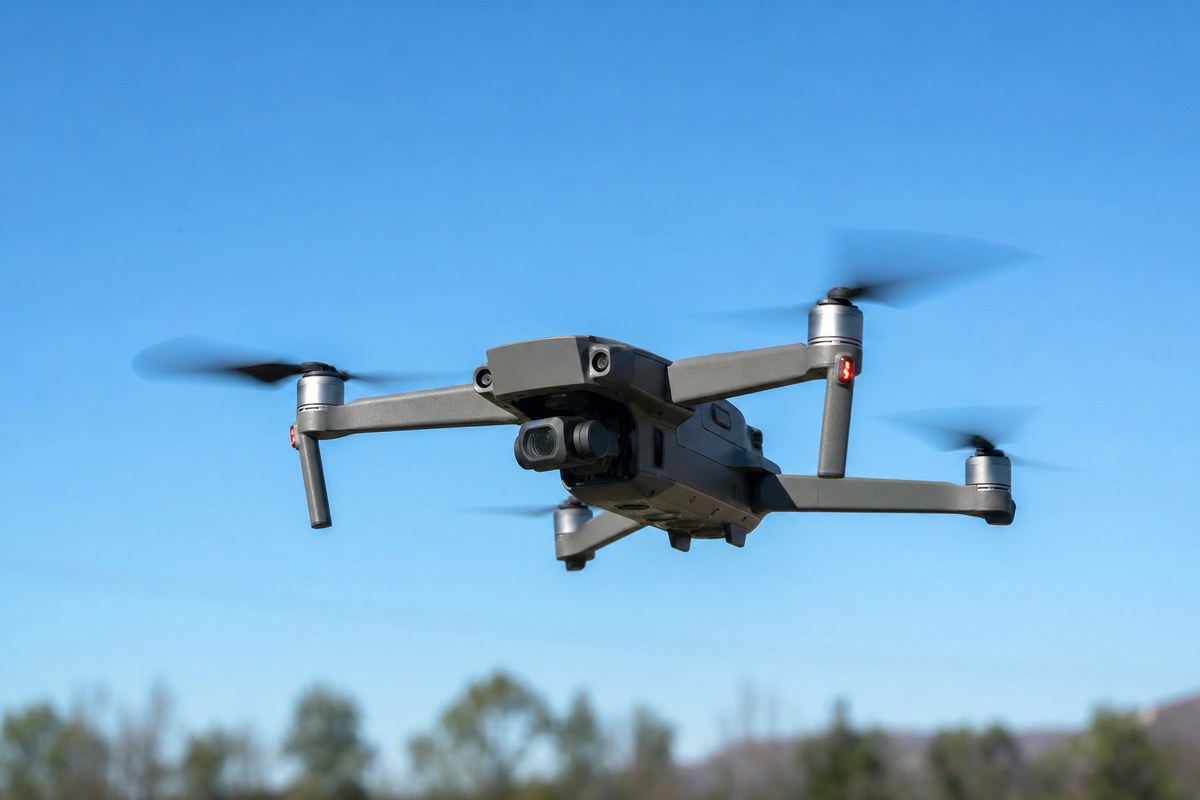
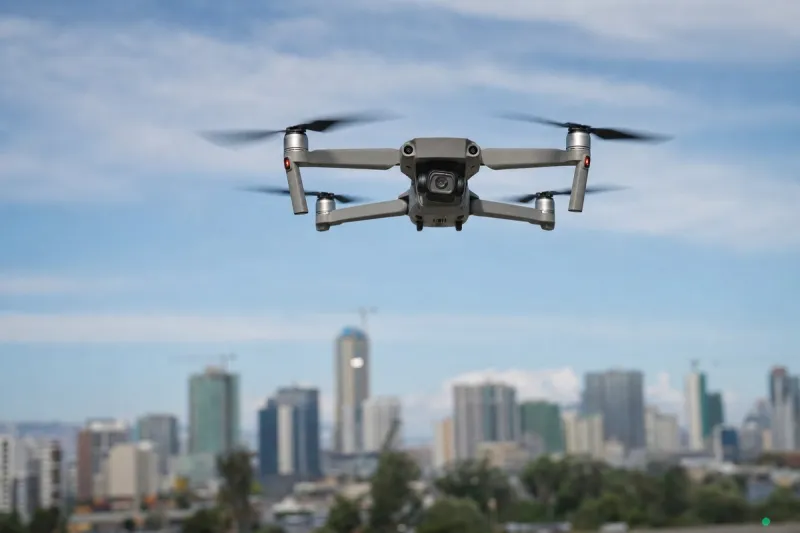
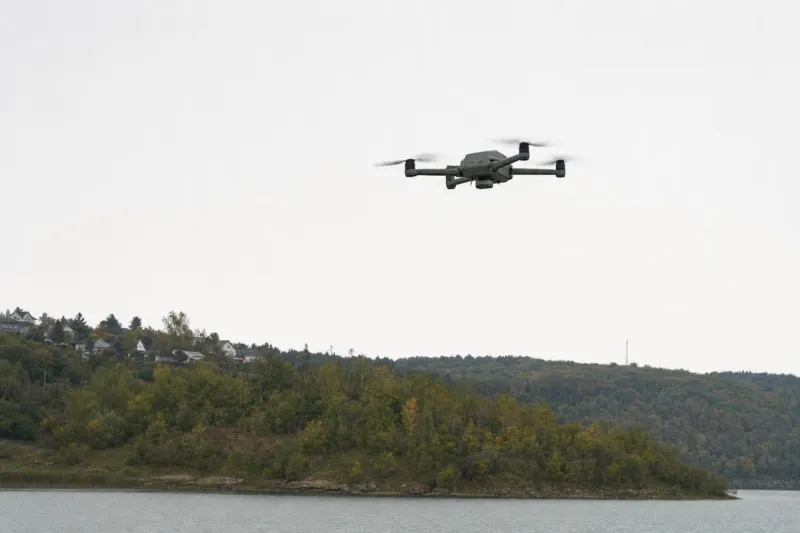
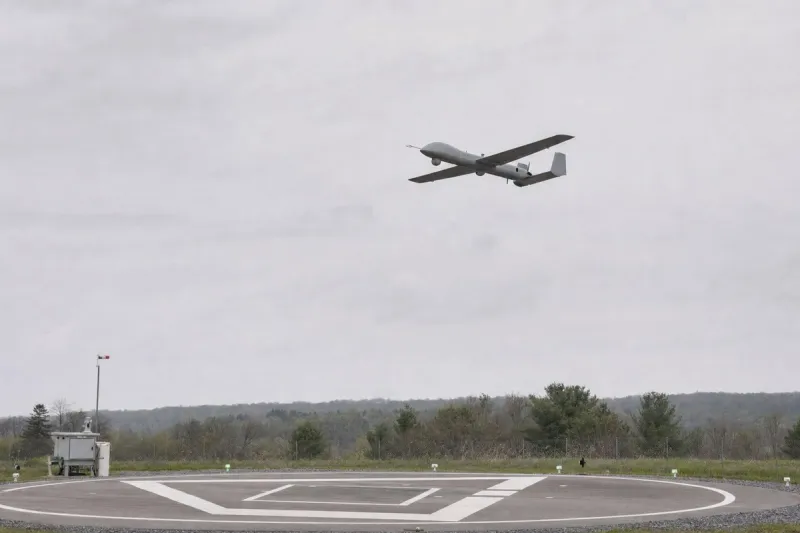
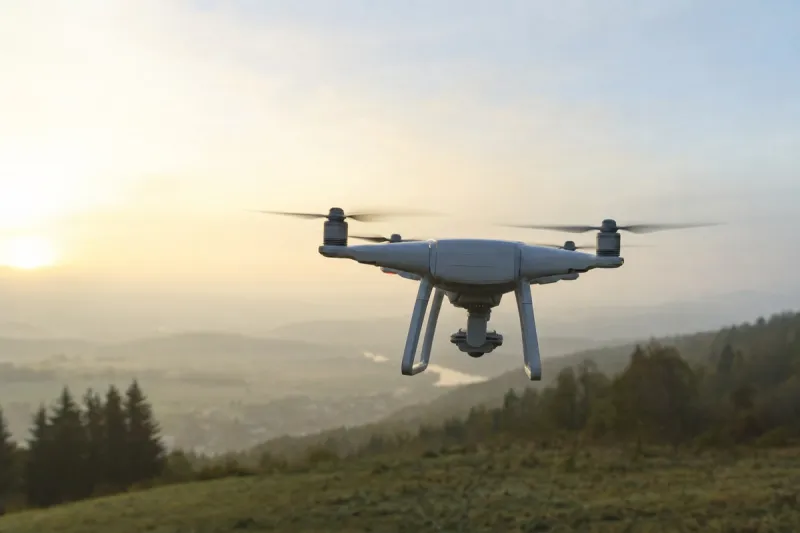
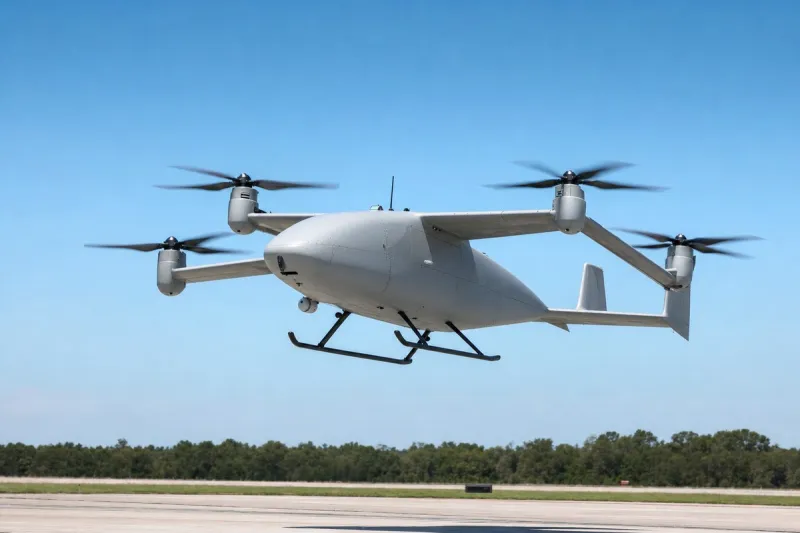
The Drone Safety Statement Modernization Act, introduced September 8 by Rep. James Gallagher (R-CA), would require drone manufacturers to give operators clear safety guidance at first activation, covering applicable laws, airspace restrictions and consequences for unlawful operations, with operators required to electronically acknowledge the information and the FAA required to periodically update the requirements. The Quiet Skies Act, sponsored by Rep. Hillary Scholten (D-MI) with Rep. Greg Stanton (D-AZ) among its cosponsors, would require the Department of Transportation to issue a final rule banning passenger voice calls on scheduled flights, a measure the Association of Flight Attendants-CWA has supported.
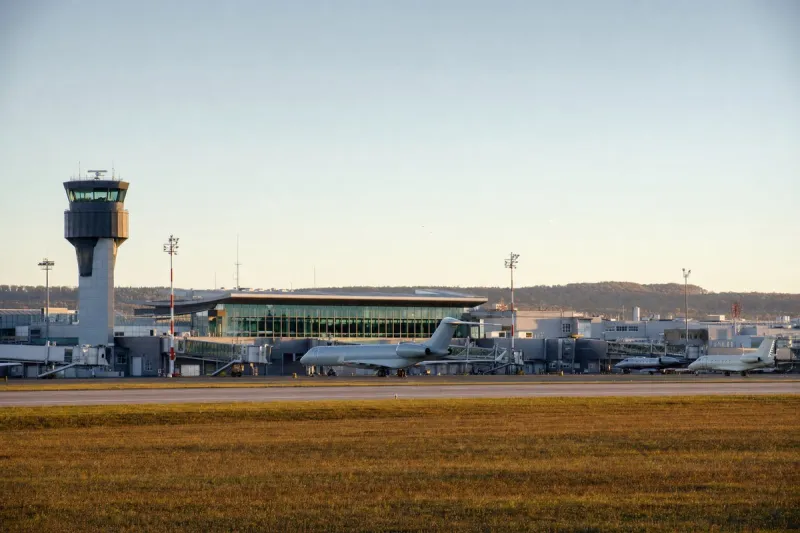
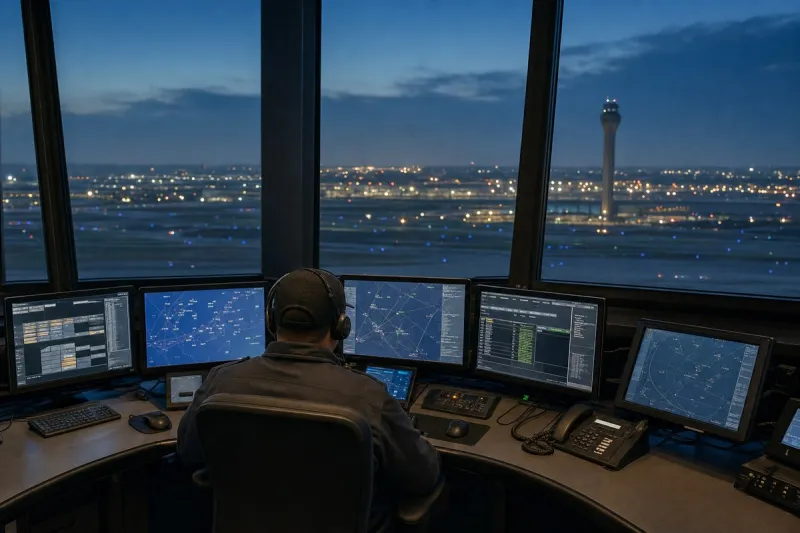
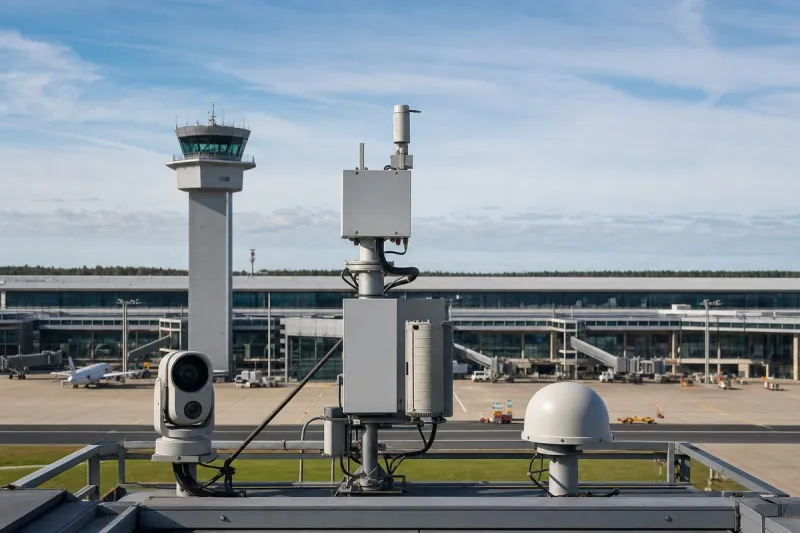
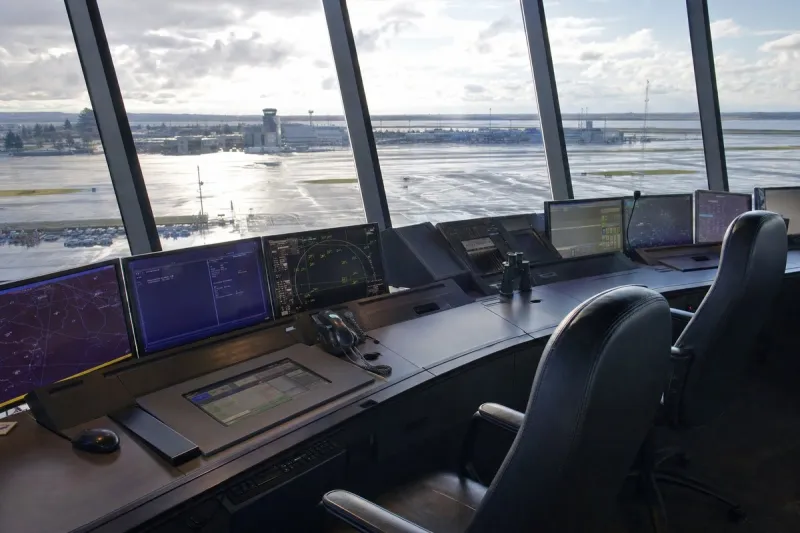
H.R. 8597, the Air Traffic Situational Awareness Enhancement Act from Rep. Nicholas Begich (R-AK), would require the FAA to install approved situational-awareness tools at federal contract air traffic control towers and reimburse towers that already purchased such equipment, with the Regional Airline Association saying it would improve controller safety tools. The Aviation Innovation and Global Competitiveness Act, sponsored by Rep. Troy Nehls (R-TX), would set clearer timelines for FAA type-certification of advanced air mobility aircraft, and an amendment offered by Nehls was approved by voice vote. The Aviation Medication Transparency Act, from Rep. Sean Casten (D-IL), would direct the FAA to publicly identify medications aviation professionals can and cannot safely use while on duty.
The Rural Airport Infrastructure Support Act, introduced by Delegate Kimberlyn King-Hinds (R-MP), would cut the local match for Airport Improvement Program projects from 10% to 5% for economically distressed communities that once qualified for Essential Air Service but lost that designation; an amendment in the nature of a substitute was approved by voice vote. The Marine Transportation System Cybersecurity Budget and Evaluation Report Act, sponsored by Rep. Addison McDowell (R-NC), would direct the GAO to assess whether the Coast Guard has sufficient workforce and tools for its maritime cybersecurity mission. Ranking Member Rick Larsen (D-WA) said the committee continued its "streak of bipartisan lawmaking" on aviation safety, security resources for religious and nonprofit organizations, and disaster recovery.