Luxembourg Joins Europe's Growing Drone Incursion Problem After Airport Shutdowns
Why It MattersThe pattern across Romania, Germany, Moldova and now Luxembourg shows European airports increasingly exposed to unidentified drone activity that existing counter-drone coordination and detection capability has not yet resolved.
What happened
Luxembourg Airport suspended flight operations twice within days, on Friday 18 September and Monday 20 September, after unauthorised drones were spotted by airport staff, resulting in multiple flight cancellations. On Thursday 24 September, Prime Minister Luc Frieden held a press conference to detail the government's response, stating there had been "no imminent danger for the population" but adding: "We have been confronted with a new reality here in Luxembourg."

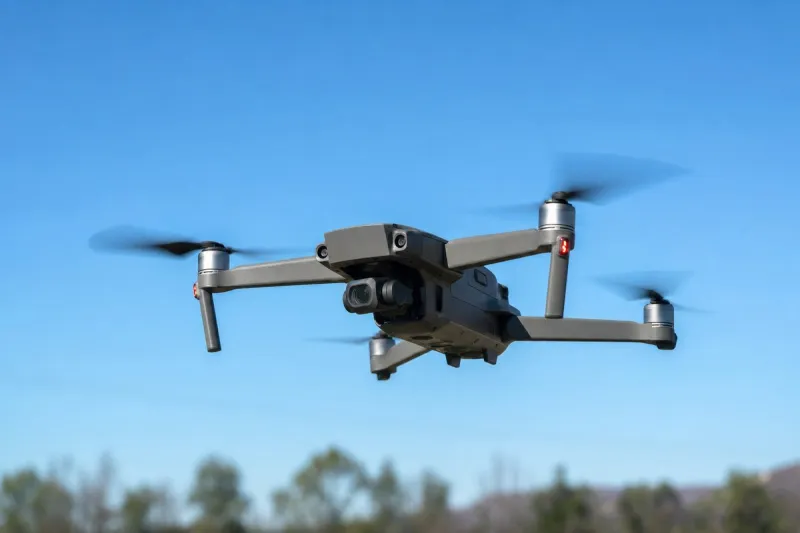
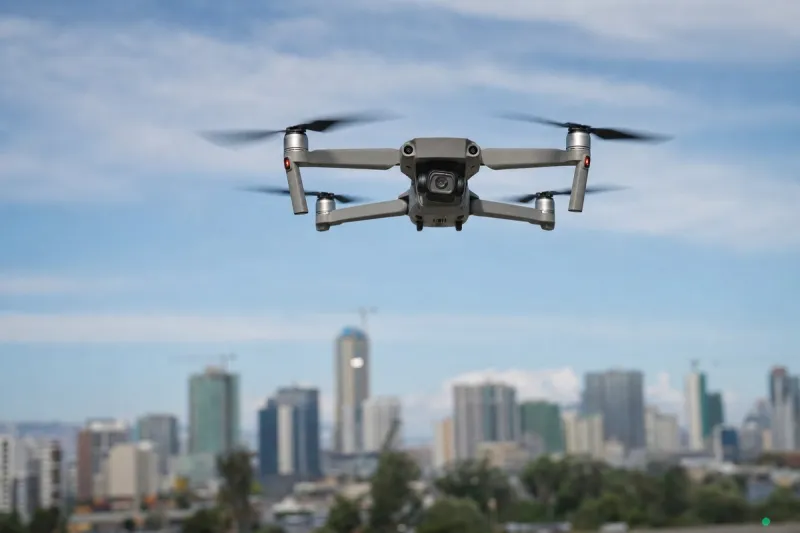
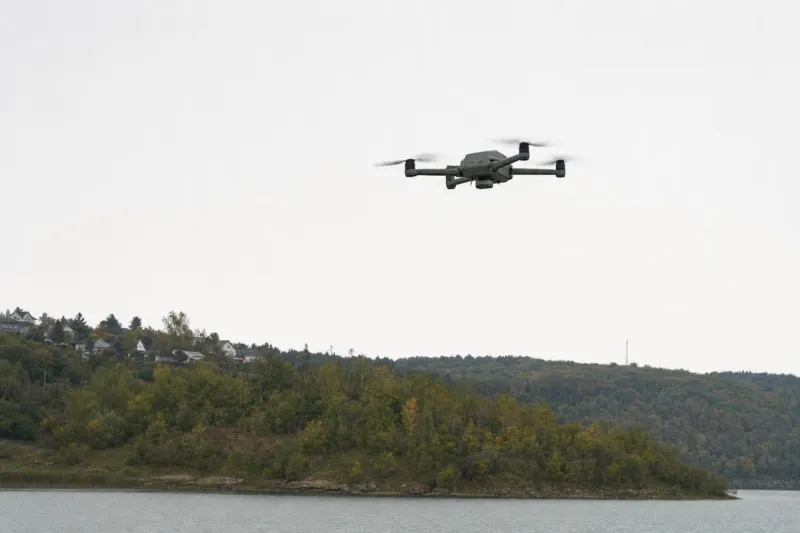
Authorities have so far been unable to identify the origin or type of the drones involved, and the government offered no further details on their size or type. Drone sightings were also reported near Medernach and other locations in Luxembourg in the days preceding the airport closures. Greenpeace Luxembourg raised concerns about the security of critical infrastructure, including the Cattenom Nuclear plant, following the sightings.
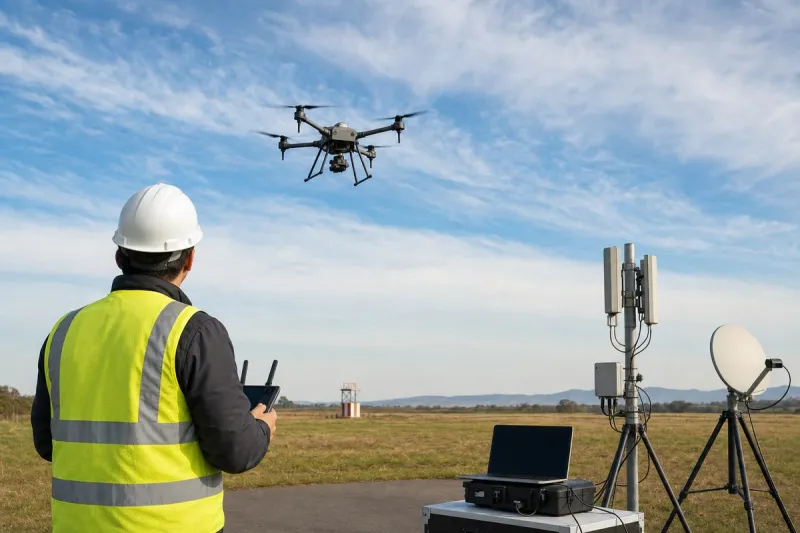
Luxembourg's government revealed it implemented a "Drone Plan" in March of this year and has purchased specific equipment to counter potential drone threats, while consulting neighbouring countries on coordinated defence and response measures. The absence of Direct Remote ID signals from the drones has been observed to suggest they were not commercial or private in nature.
A wider European pattern
Luxembourg is not the only European country to face such disruptions. In 2026, Romania recorded six incidents in which Russian drones were shot down after entering its airspace. On 4 August, an explosives-laden drone was found in a restricted cargo area near the southern runway of Leipzig (Halle) Airport in Germany, causing significant flight disruption; German authorities attributed the incident to Russian involvement and suspected the intended target was an aircraft carrying military supplies to Ukraine. Moldova recorded three incidents involving suspected Russian drones in September, one of which forced a temporary closure of the country's airspace.
The European Union's Direct Remote Identification protocol, mandatory for EASA states since 1 January 2024, requires drones weighing 250 g or more or equipped with a camera to broadcast identifying and flight information, including the operator's registration number, the drone's serial number, its position, altitude, flight direction, ground speed, and the location of the remote pilot. The EU published an action plan on "Drone and Counter Drone Security" in February 2026, calling for stronger detection, coordinated responses and greater European counter-drone capability, while NATO is developing framework contracts for Counter-Unmanned Aircraft Systems available to allies and partner nations.
Industry impact & what to watch
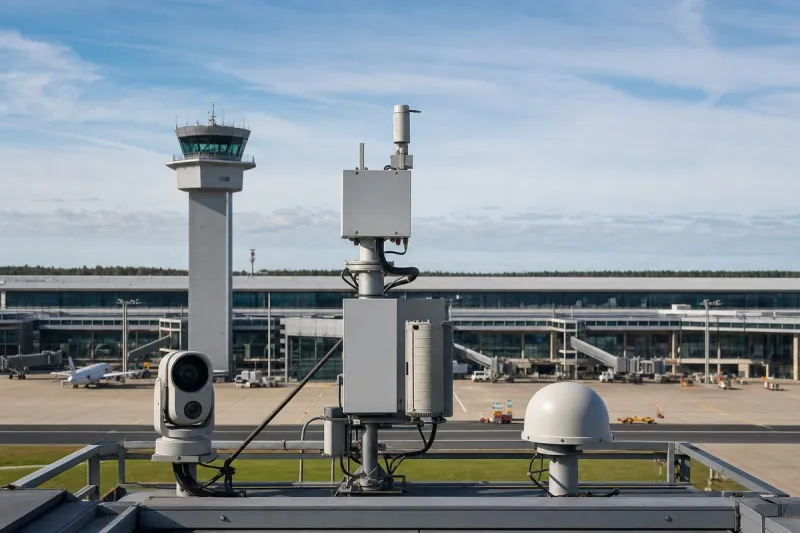
These incidents belong to a widening category of unauthorised drone activity disrupting European civil aviation, spanning at least four countries in 2026 alone. Airports in this pattern have had to suspend operations reactively, based on visual sightings by staff, because detection and identification systems have not kept pace with the threat.
The Direct Remote ID framework was built to make drone traffic identifiable and accountable, but its usefulness depends on the drones involved actually broadcasting under it — and the absence of such signals in Luxembourg's case points to activity operating outside that system entirely. This is the structural gap the EU's action plan and NATO's framework contracts for counter-drone systems are meant to close, but neither had prevented the Luxembourg closures.
What happens next will depend on whether authorities can identify the origin and type of the drones involved, and on how quickly Luxembourg's coordination with neighbouring countries and its newly purchased counter-drone equipment translate into an operational detection capability rather than a reactive shutdown protocol.