Proposed Bahamas BACSWN Fee Could Sharply Cut Private Aviation Traffic, Industry Warns
Why It MattersA flat per-flight charge unscaled to aircraft size could disproportionately burden smaller operators serving the Family Islands, raising fares and cargo costs across regional business aviation.
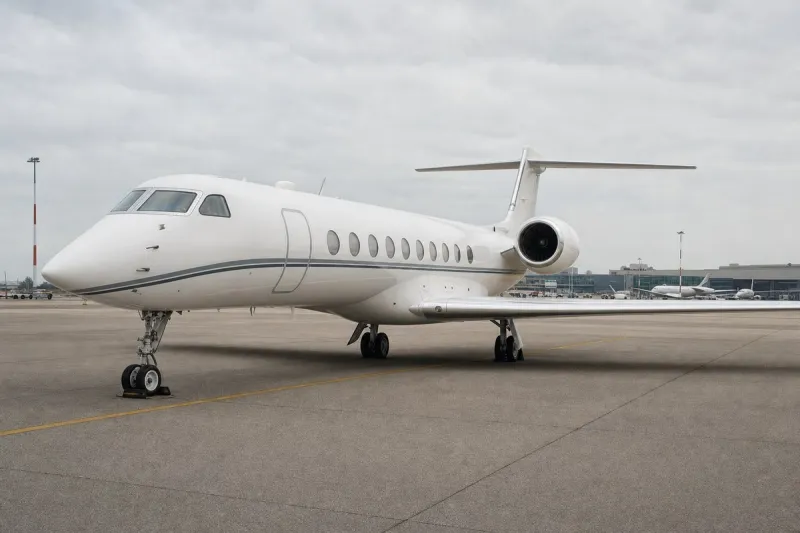
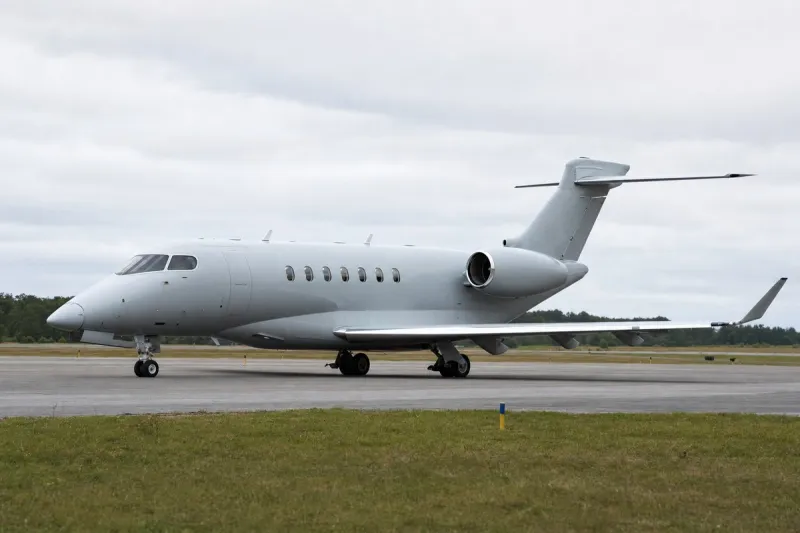
A proposed fee tied to the Bahamas Aviation, Climate and Severe Weather Network (BACSWN) agreement could significantly reduce private aircraft visits to the Bahamas, according to Rick Gardner, director of CST Flight Services and a Bahamas Flying Ambassador. An earlier proposal outlined a $775 charge per flight using Bahamian airspace, with $225 of that allocated to BACSWN's meteorological services, though BACSWN later indicated its share could be lower without providing a revised figure. Gardner said the flat-rate structure, which is not scaled to aircraft size, would fall disproportionately on smaller aircraft and private aviation operators, calling the charge "completely out of proportion" compared with other regional fees, and said he expects "a very significant decline in private aircraft visits to The Bahamas" if the fee is implemented.

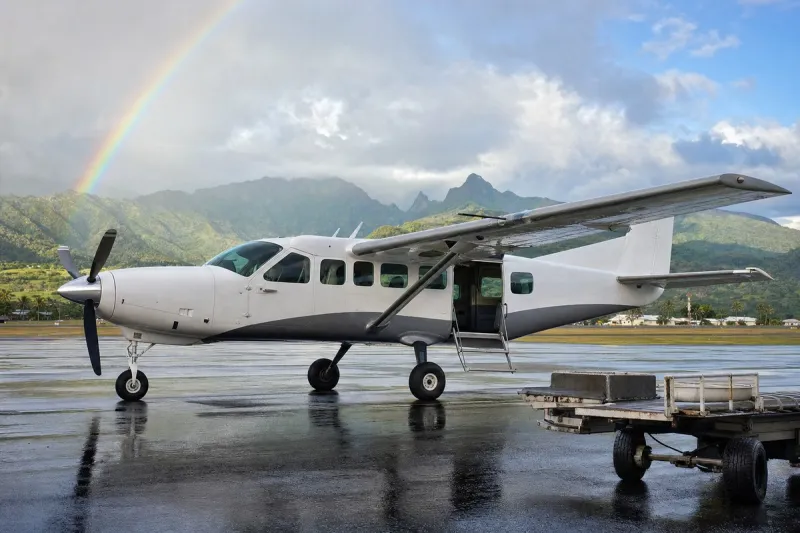
Operators have warned that the per-flight charge would weigh most heavily on smaller aircraft serving the Family Islands, driving up fares, charter costs, and the expense of moving goods, with knock-on effects on tourism. Gardner questioned the rationale for introducing BACSWN, noting that the Bahamas Air Navigation Services (BANSA), the Bahamas Department of Meteorology, and the Bahamas Defence Force already provide many of the services BACSWN is said to offer. He also raised questions about BACSWN chief operating officer Michael Strachan's concurrent role as the Bahamas' ambassador to the International Civil Aviation Organization (ICAO), and estimated that 10 automated weather observation stations could be installed and made operational for under $5 million.
Separately, Airlines for America (A4A), which represents major commercial passenger and cargo carriers, objected to both BACSWN's proposed meteorological fee and air navigation charges imposed by BANSA. A4A said its member airlines have long questioned the legitimacy of BANSA overflight charges for services it contends are already provided by the U.S. Federal Aviation Administration (FAA), stating that "under no circumstances should aviation charges result in users being charged twice for the same service."