Abu Dhabi Plans Emirate-Wide Air Taxi Network With Over 10 Vertiports, Targeting Late 2026 or Early 2027 Launch
Why It MattersAir taxi launches hinge less on a single certification date than on parallel progress across aircraft approval, vertiport conversion and route economics all clearing together.
What happened
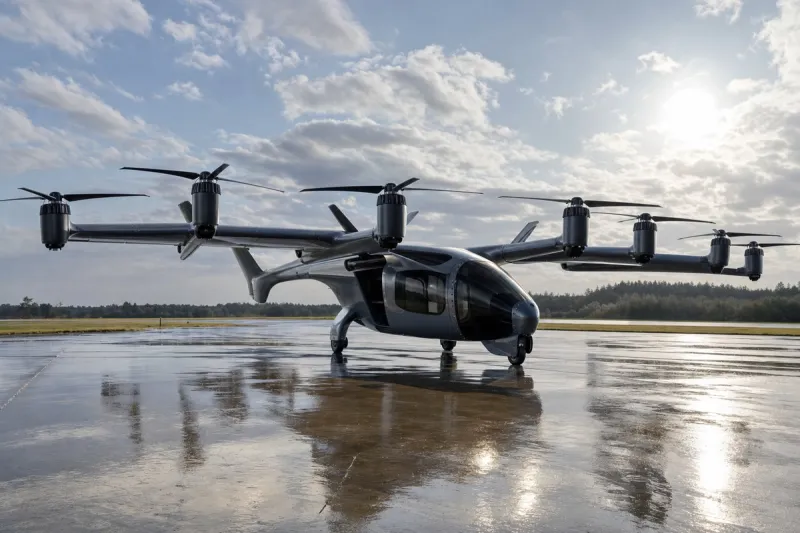
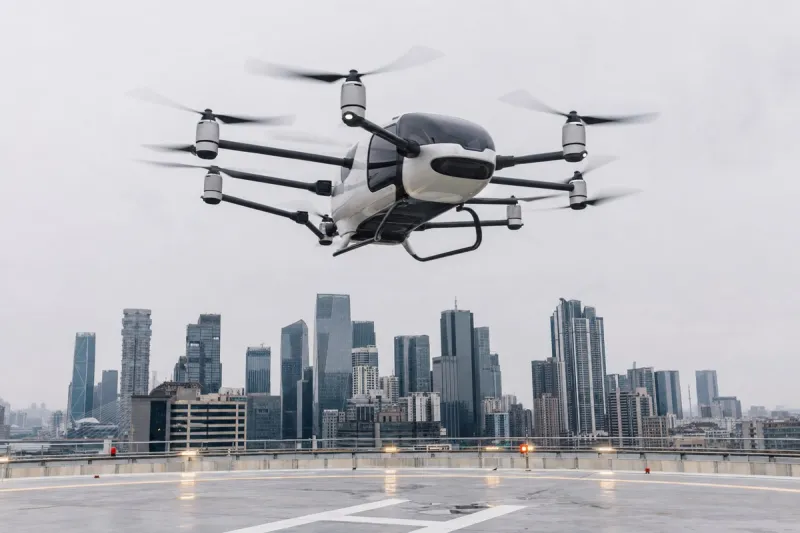
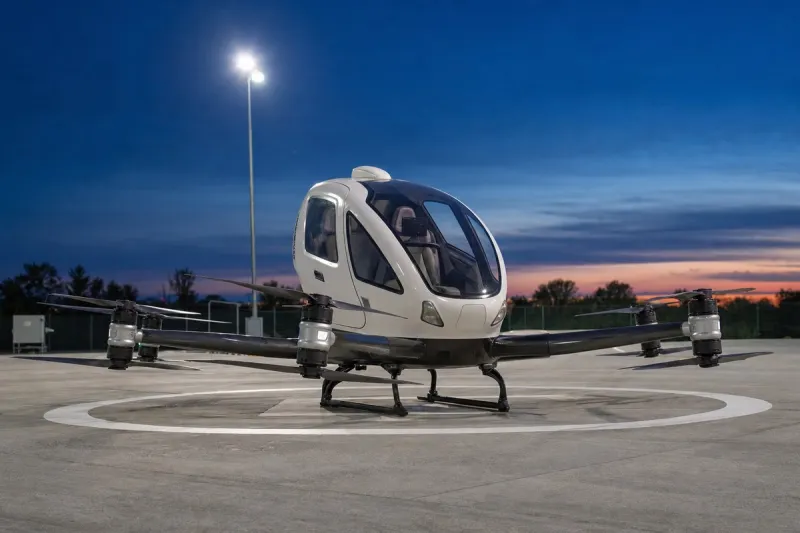
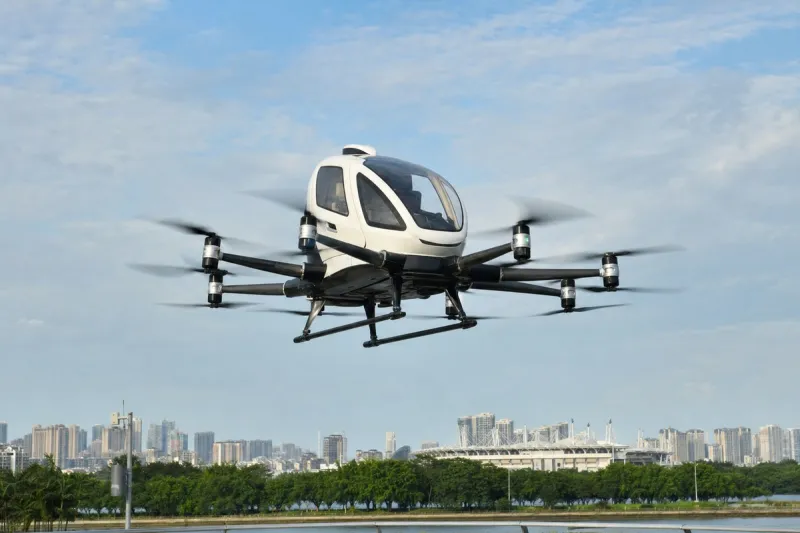
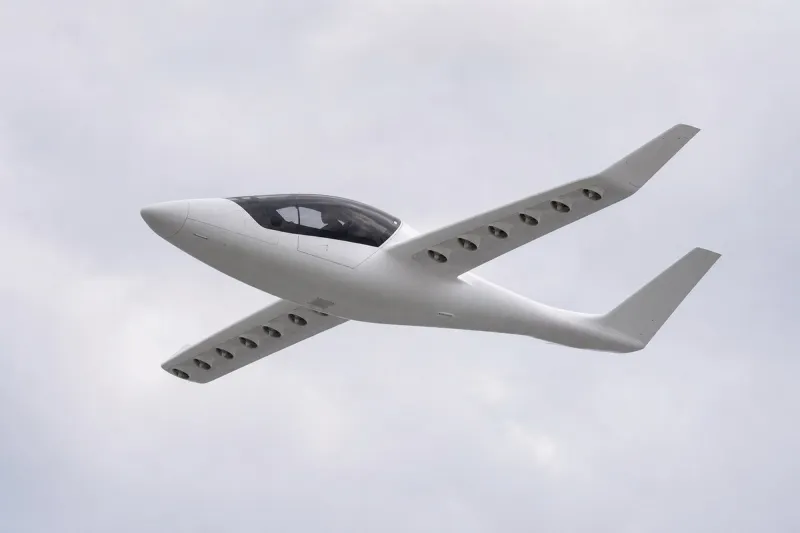
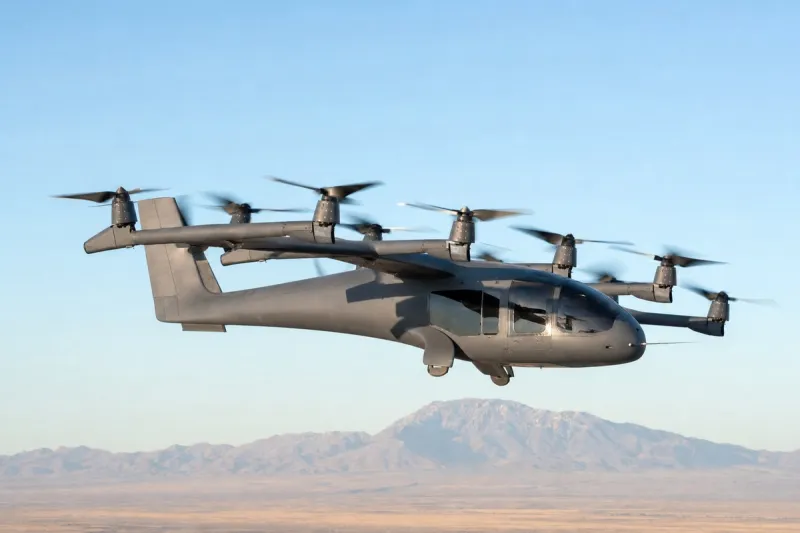
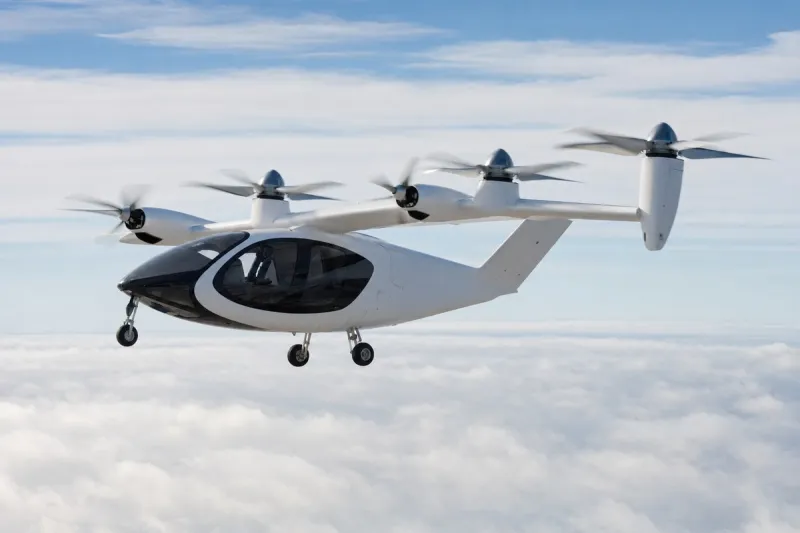
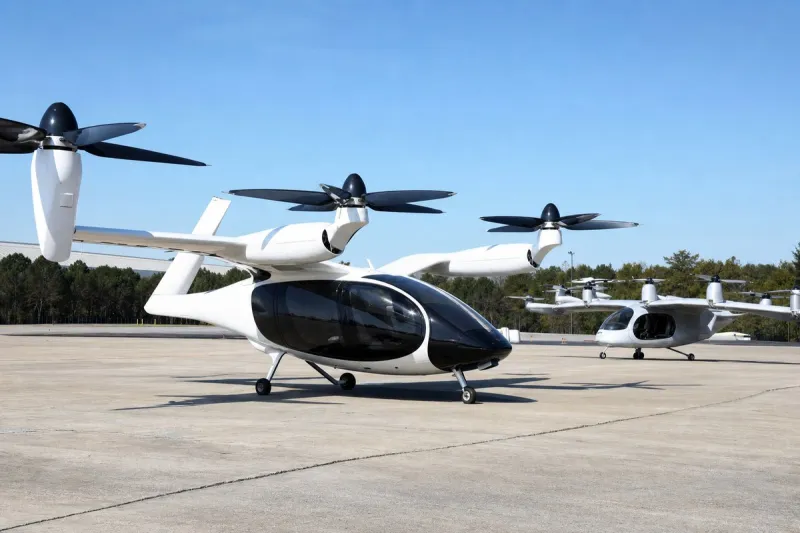
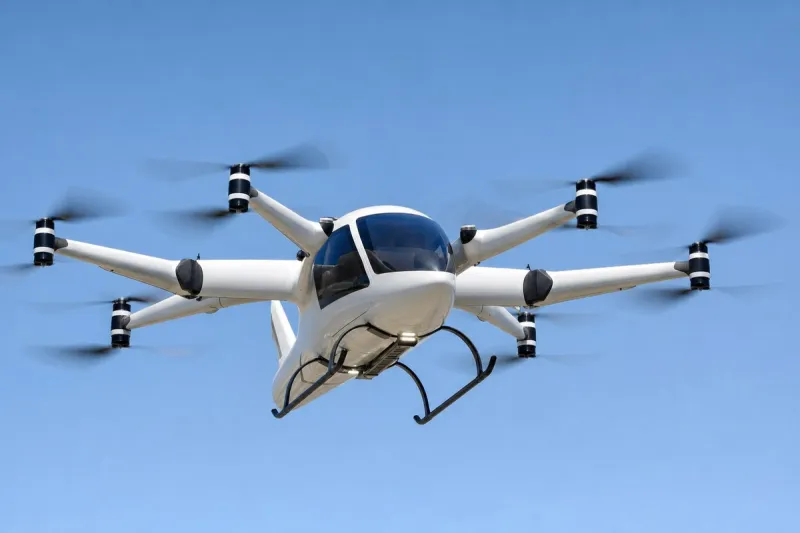
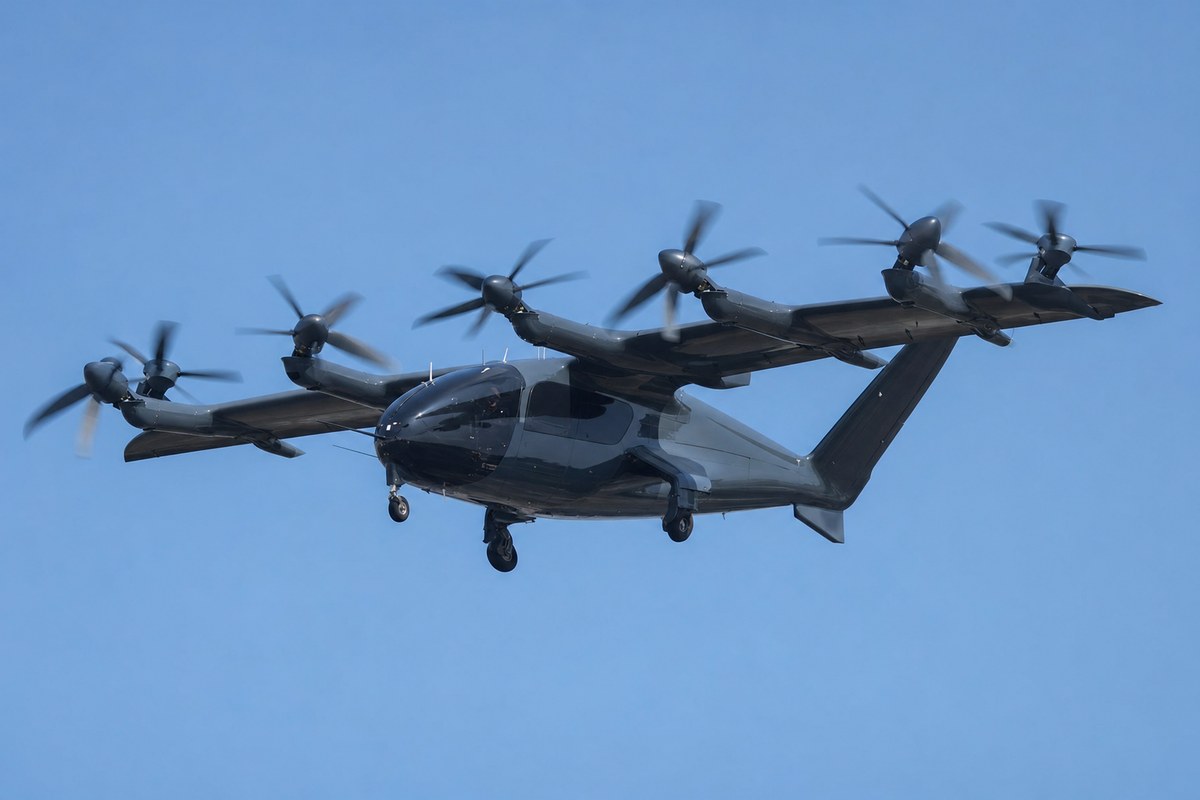
Abu Dhabi is building an emirate-wide air taxi network with more than 10 vertiports, and authorities are targeting the start of passenger operations by late 2026 or early 2027. Integrated Transport Centre Acting Director General Dr Abdulla Hamad Al Ghfeli set that timetable, which Khaleej Times reported on 26 June 2026. Archer Aviation will supply its Midnight electric vertical take-off and landing aircraft, and Abu Dhabi Aviation will operate the initial service, beginning with fewer than five Midnight aircraft, each capable of carrying a pilot and up to four passengers.
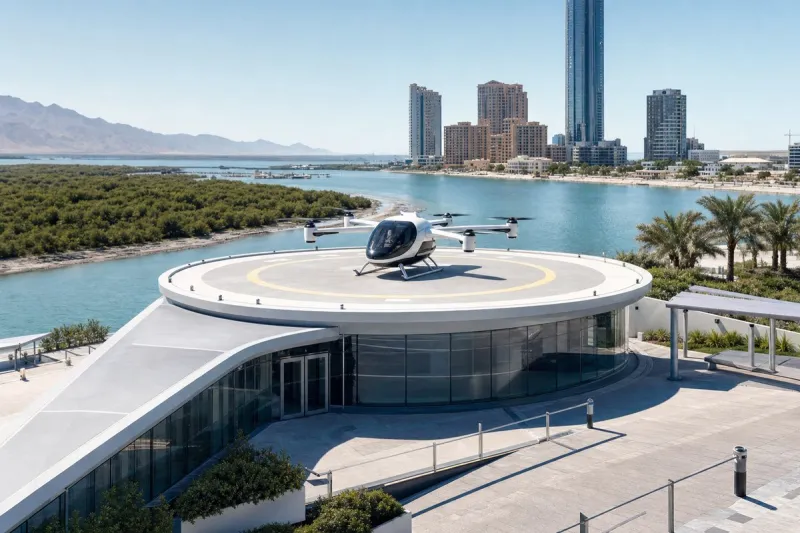
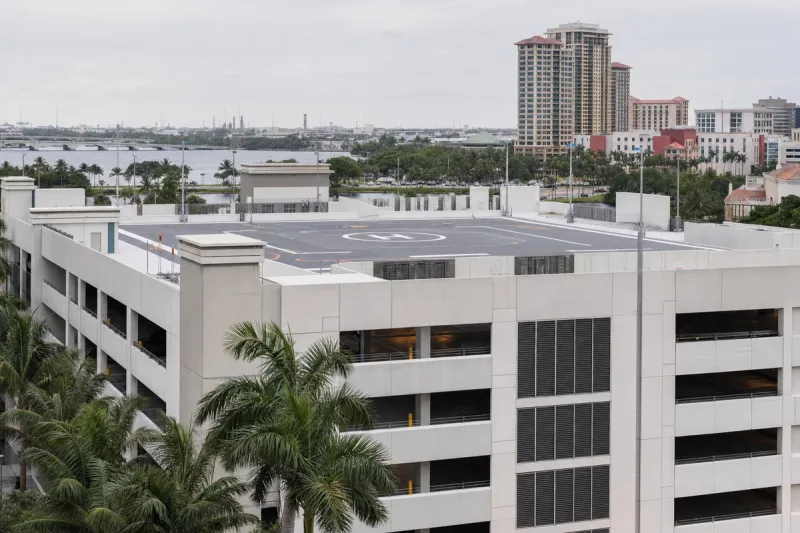
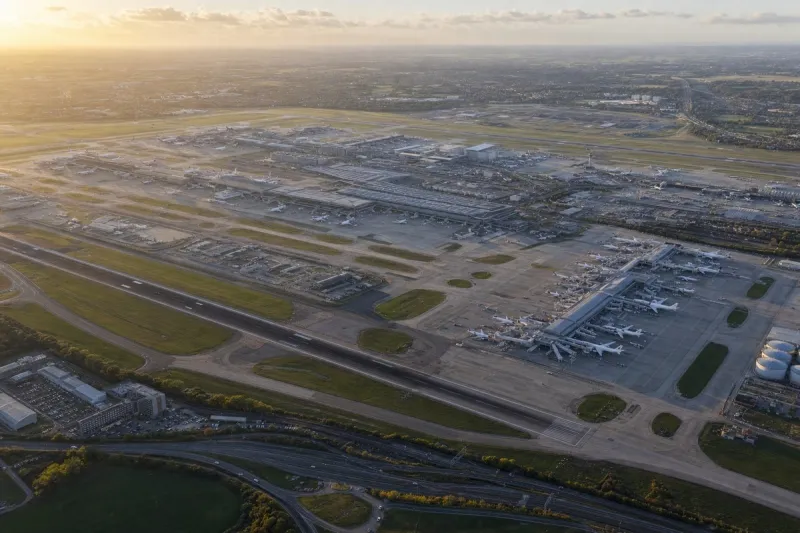
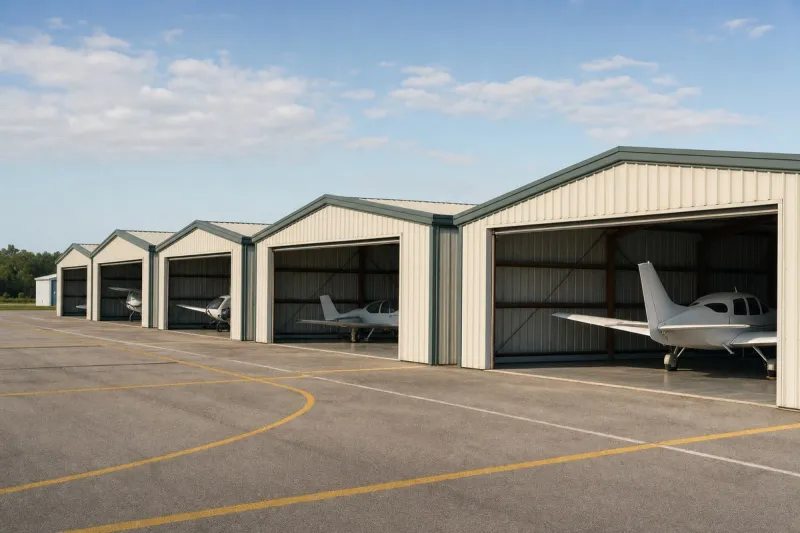
The Abu Dhabi Investment Office confirmed the vertiport network of more than 10 sites in November 2025. Confirmed nodes include Zayed International Airport and Al Bateen Executive Airport. Archer identified Corniche, Saadiyat Island and western Abu Dhabi as its strongest potential passenger markets, with airport connections forming a major route component; planned connections also include Yas Island and Abu Dhabi Island. The UAE General Civil Aviation Authority (GCAA) approved the design conversion of the Abu Dhabi Cruise Terminal helipad in April 2025, and Cleveland Clinic Abu Dhabi, on Al Maryah Island, joined the vertiport pipeline in October 2025, with Archer and the hospital planning to convert its existing helipad into a hybrid vertiport for passenger transport and time-critical organ logistics. Abu Dhabi Airports serves as anchor investor and primary delivery partner for the wider vertiport programme.
Archer flew the Midnight at Al Bateen Executive Airport on 2 July 2025, measuring vertical take-off and landing performance under UAE conditions including high temperatures, humidity and dust. A subsequent campaign at Al Ain Airport covered the aircraft's full eVTOL flight envelope — vertical take-off, transition and wingborne flight — and was confirmed complete in November 2025. On 7 May 2026, GCAA moved Midnight into its Restricted Type Certificate programme, making Archer the first eVTOL manufacturer to enter that certification track, with eight workstreams covering aircraft certification, operations, maintenance, pilot training, airspace, vertiports, security and regulatory oversight. Passenger pricing disclosed during 2025 placed Abu Dhabi city journeys at approximately $81–$95 (AED 300–350), while inter-emirate journeys were estimated at $218–$408 (AED 800–1,500); Archer stated that final fares would depend on commercial conditions.
How it unfolded
Khaleej Times reported the late 2026 or early 2027 target for passenger operations, as set by Dr Abdulla Hamad Al Ghfeli.
GCAA moved Midnight into its Restricted Type Certificate programme, making Archer the first eVTOL manufacturer to enter that track.
The Abu Dhabi Investment Office confirmed the vertiport network of more than 10 sites, and Archer's Al Ain flight campaign covering the full eVTOL flight envelope was confirmed complete.
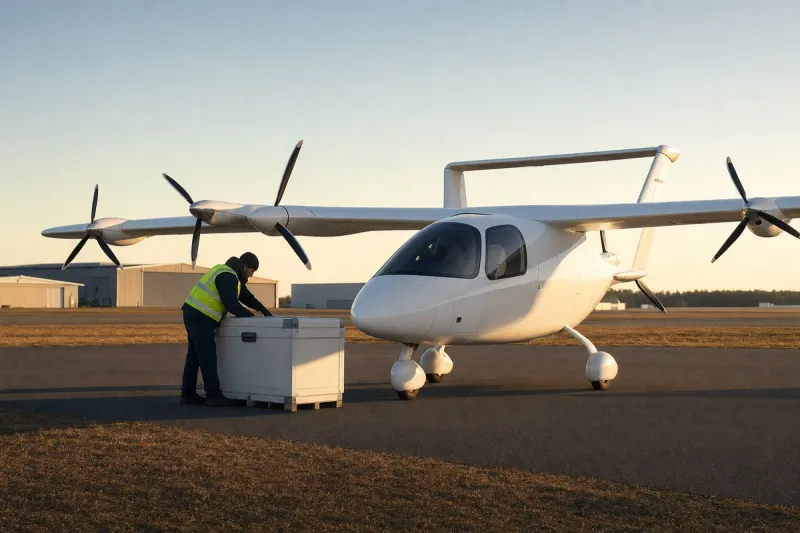
Cleveland Clinic Abu Dhabi joined the vertiport pipeline, with plans to convert its Al Maryah Island helipad into a hybrid vertiport for passengers and organ logistics.
Archer flew the Midnight at Al Bateen Executive Airport, measuring vertical take-off and landing performance under UAE heat, humidity and dust conditions.
GCAA approved the design conversion of the Abu Dhabi Cruise Terminal helipad.
Industry impact & what to watch
This case sits within the broader push by multiple markets to stand up urban air mobility networks ahead of any single operator proving sustained commercial service, where certification, vertiport construction and operating partnerships advance in parallel rather than in sequence. Abu Dhabi's approach pairs a manufacturer, Archer, with a designated local operator, Abu Dhabi Aviation, and an anchor infrastructure investor, Abu Dhabi Airports, while a regulator runs aircraft certification through a dedicated track alongside separate workstreams for vertiports, airspace and training.
How this segment actually functions becomes visible in the layering here: a hospital helipad conversion for organ logistics, an executive airport used for flight testing, and a cruise terminal helipad redesign are all counted as nodes in the same network, showing that vertiport buildout draws on existing aviation and medical infrastructure rather than requiring wholly new sites. Pricing disclosed for city and inter-emirate routes gives an early economic signal, though Archer's own statement that final fares depend on commercial conditions signals that the disclosed range is indicative rather than fixed.
What happens next depends on three things converging: completion of Midnight's path through the Restricted Type Certificate programme, readiness of the vertiport sites beyond the confirmed nodes at Zayed International and Al Bateen, and the operational approvals still required before Abu Dhabi Aviation can fly fare-paying passengers. The late 2026 or early 2027 target set by Dr Al Ghfeli is the milestone against which all three will be measured.