Rolls-Royce Leads EU Hybrid-Electric Project, Reports ~50% Profit Rise and Advances Trent 1000 XE Fix
Why It MattersThe update signals Rolls-Royce's aftermarket-driven turnaround is gaining traction even as fuel-cost pressure on airlines poses a structural risk to future engine-flight-hour revenue.
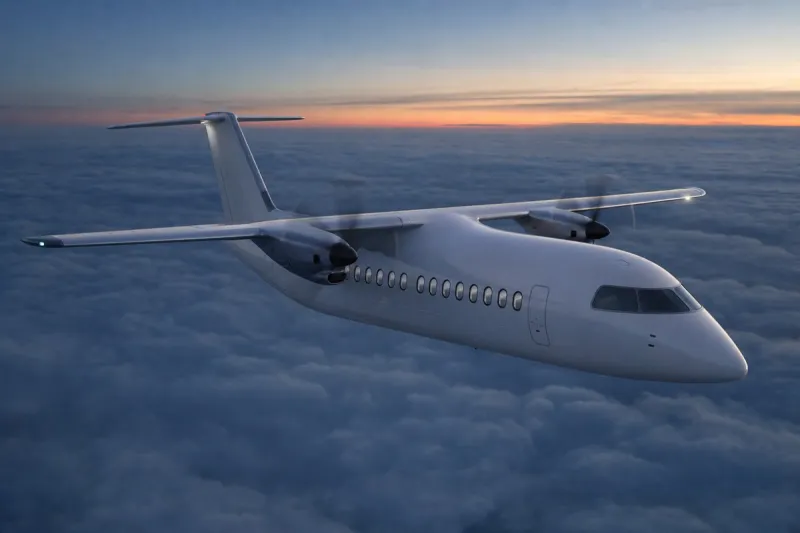
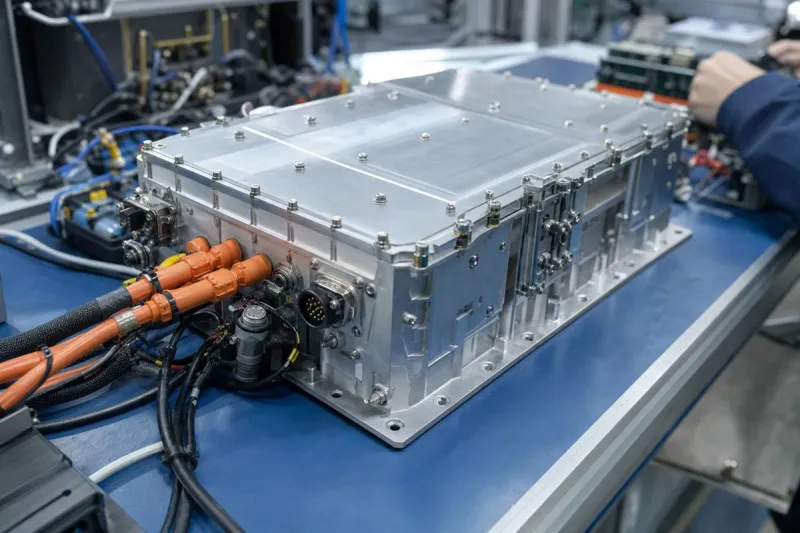
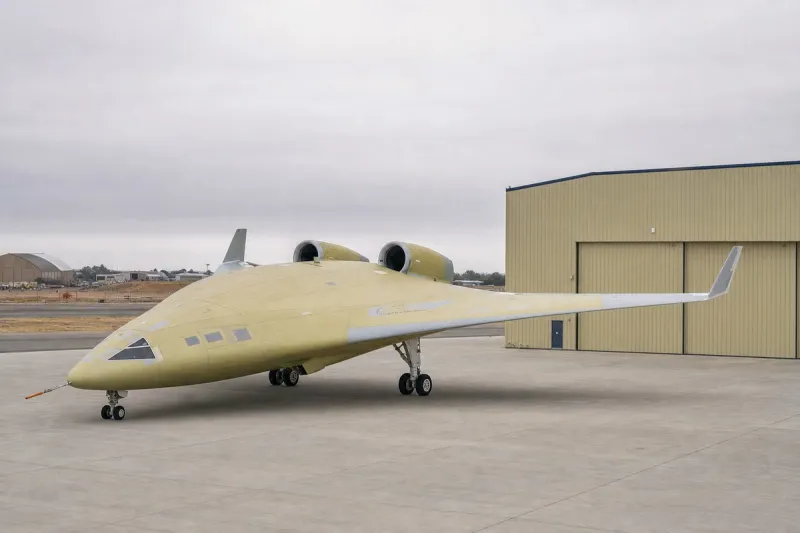
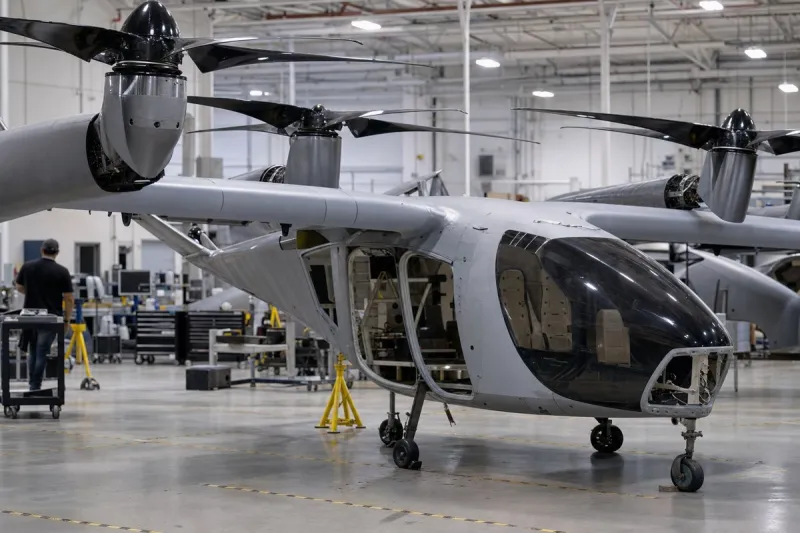
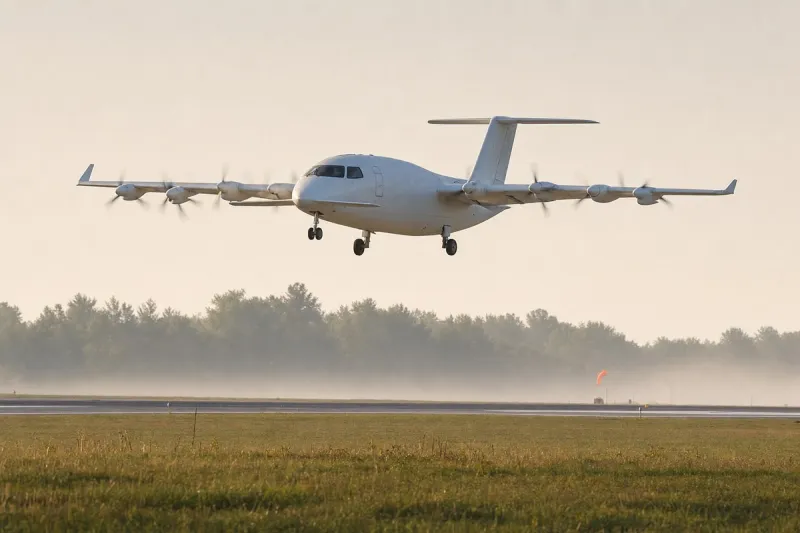
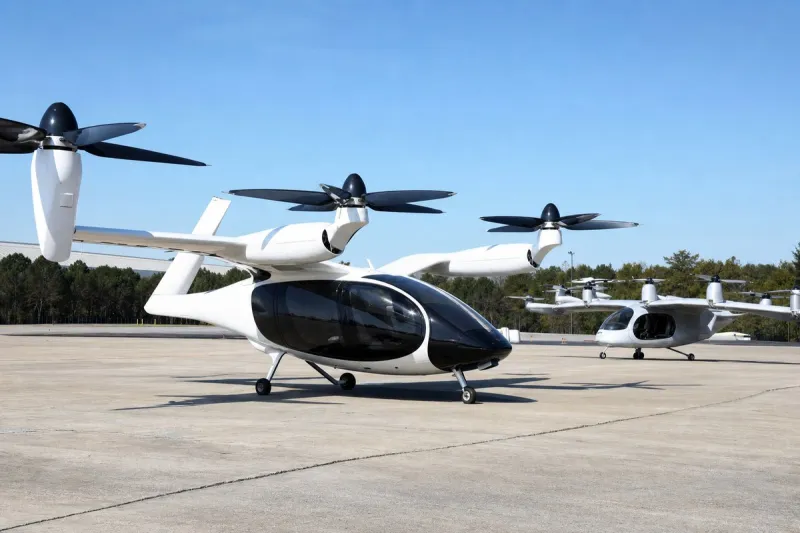
Rolls-Royce Holdings has been named lead partner in ELEVATED, a European Union Clean Aviation demonstration project to validate a hybrid-electric gas turbine for short- and medium-haul aircraft. At an industry conference hosted by Jefferies, company management said its corporate transformation lifted first-half 2026 profit by approximately 50 percent year-on-year, with financial strength and operational performance both improving.

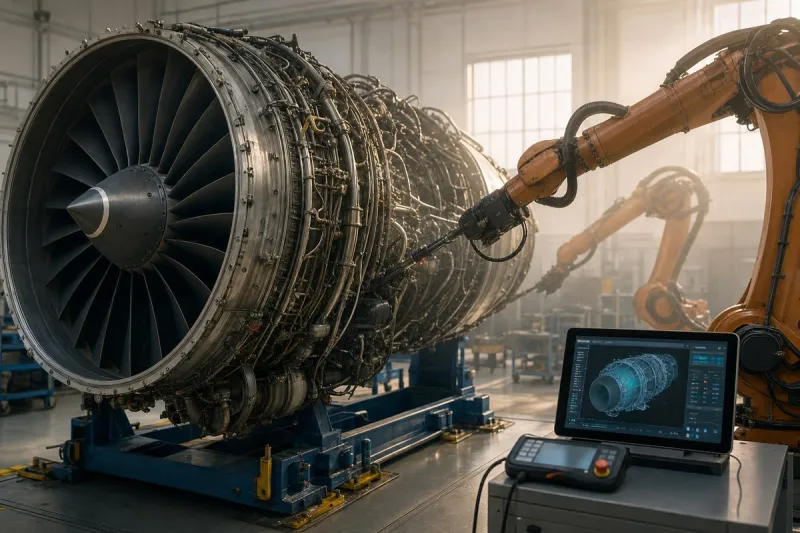
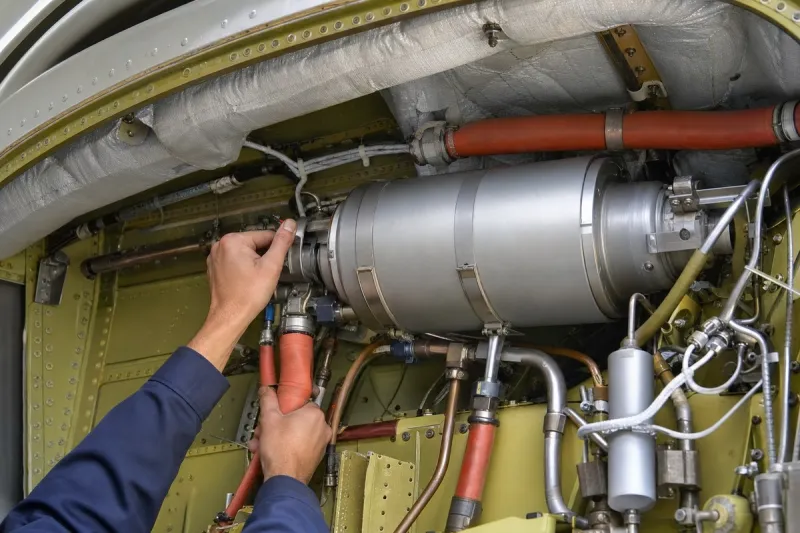
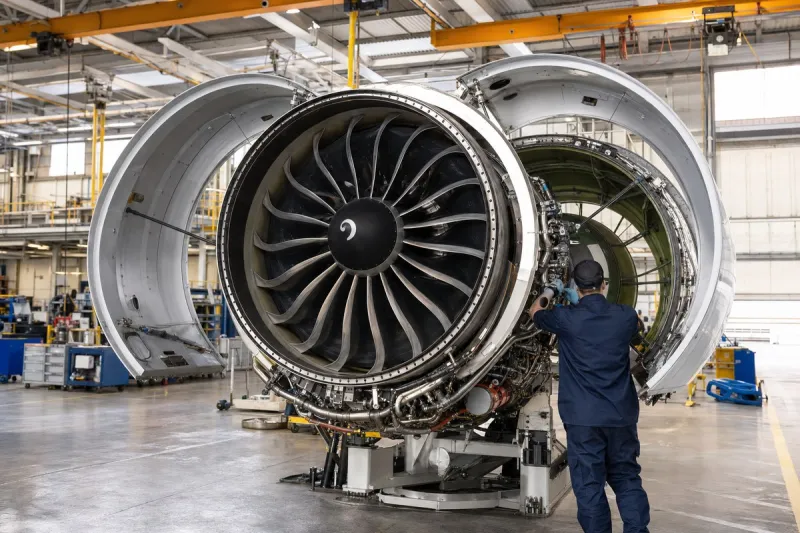
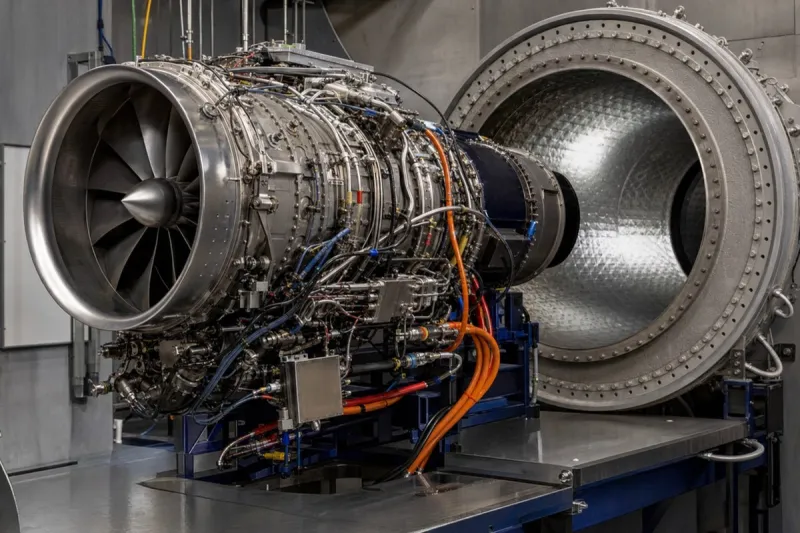
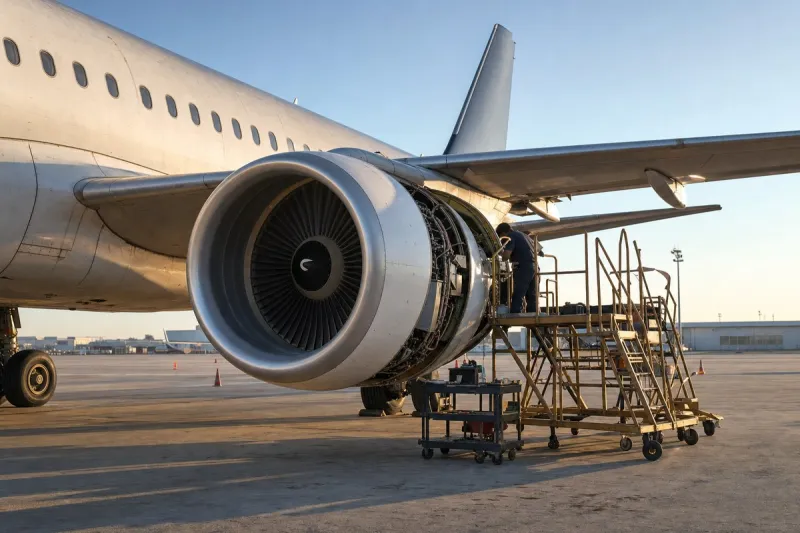
On the Trent 1000 programme, revised XE-standard turbine blades have accumulated close to three million flight hours since modification, tripling maintenance intervals for selected operators to as long as six years, with a target of converting the entire fleet to XE standard by end-2027. The original Trent 1000 blade durability problems had cost the group more than USD 3 billion and ceded market share to rivals over several years.
Rolls-Royce's mtu marine engines received U.S. Navy certification for use aboard autonomous naval vessels, and the company brought a new exhaust aftertreatment system for marine propulsion to market. Under a GBP 2.3 billion share buyback programme, 6,370,474 ordinary shares were repurchased between 8 and 14 September and earmarked for cancellation, leaving 8,303,838,729 ordinary shares and voting rights outstanding once retired; board members Birgit Behrendt and Angela Strank each purchased company stock on 10 September.
Rolls-Royce shares fell 1.8 percent to EUR 17.30, leaving them 31 percent higher year-to-date and about 5.5 percent below their 52-week high of EUR 18.47. Bernstein Research analyst Adrien Rabier noted that civil aviation service providers have faced stock-market pressure from sharply higher jet fuel costs despite solid operating results, and that sustained fuel-cost pressure forcing carriers to cut capacity would reduce engine flight hours and weigh on the aftermarket revenue model underpinning Rolls-Royce's recovery.