eVTOL Pilot and Maintainer Training Is Taking Shape but Key Gaps Remain, Industry Leaders Say
Why It MattersPersistent gaps in pilot, instructor and maintenance training capacity could constrain how quickly eVTOL operators scale commercial services even as aircraft certification advances.
The training infrastructure needed to support commercial eVTOL operations is beginning to emerge, but significant gaps persist in pilot supply, instructor availability, regulatory standards and maintenance training, according to industry figures interviewed by CAT magazine. Kenneth Swartz, founder of Aeromedia Consulting, said the core challenge is not the pace of certification but the shortage of aircraft and qualified instructors, noting the difficulty of "finding and training enough pilots, or at least those with powered-lift licenses to begin training."
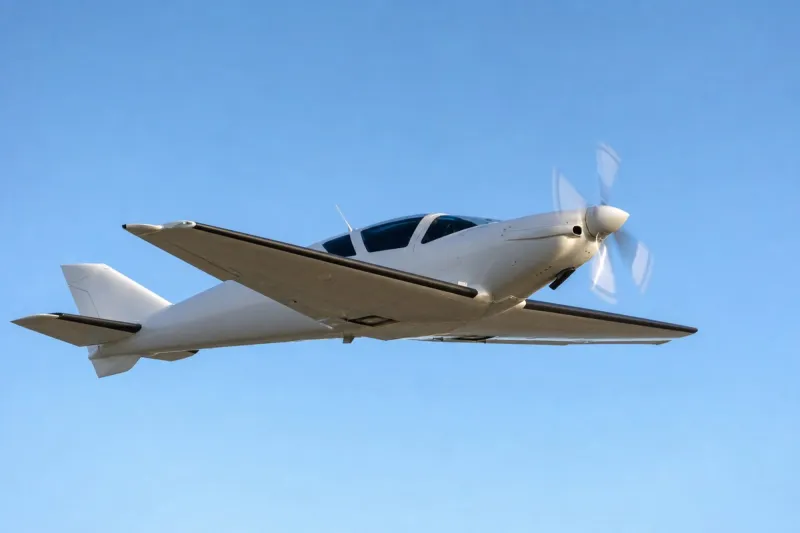
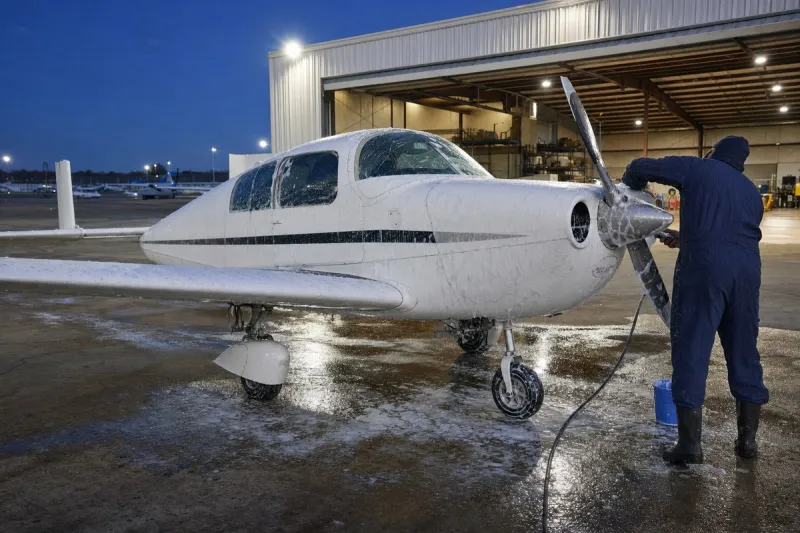
CAE Vice President of Strategy Camille Mariamo said the company is developing simulators and training programs with Joby Aviation, Vertical and Eve Air Mobility, having published a May 2024 report stating eVTOL aircraft will require new training approaches reflecting greater reliance on autonomy, potentially incorporating Virtual Reality, Mixed Reality and Augmented Reality. Joby Aviation President of Operations Bonny Simi described the company's two-part pilot program at its Watsonville, California academy: an ab initio Part 61 program using Van's RV-12 aircraft, and a separate eVTOL training track. Joby achieved Part 141 status roughly a year ago, has trained more than 1,000 students through ground school, and holds a Part 135 Air Carrier Certificate from the FAA received in May 2024.
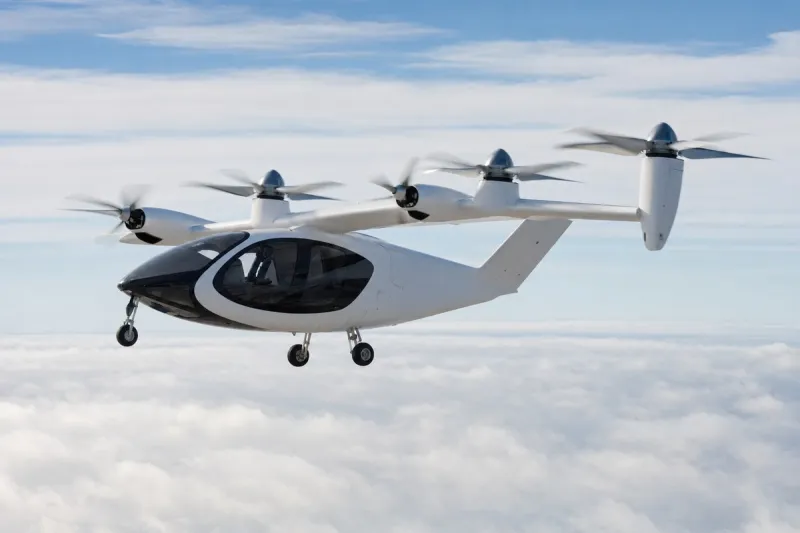
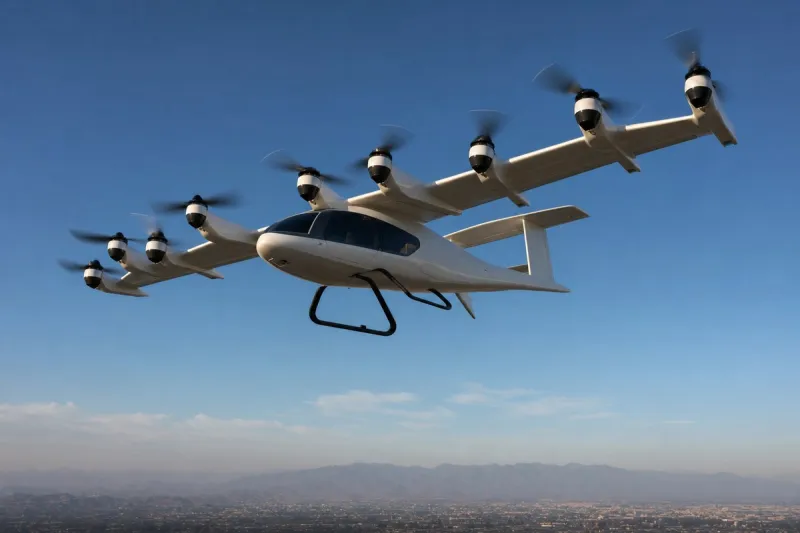
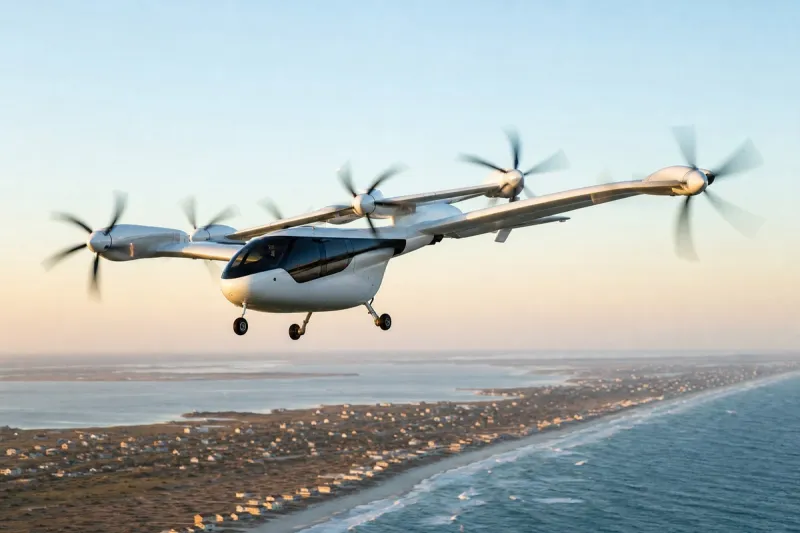
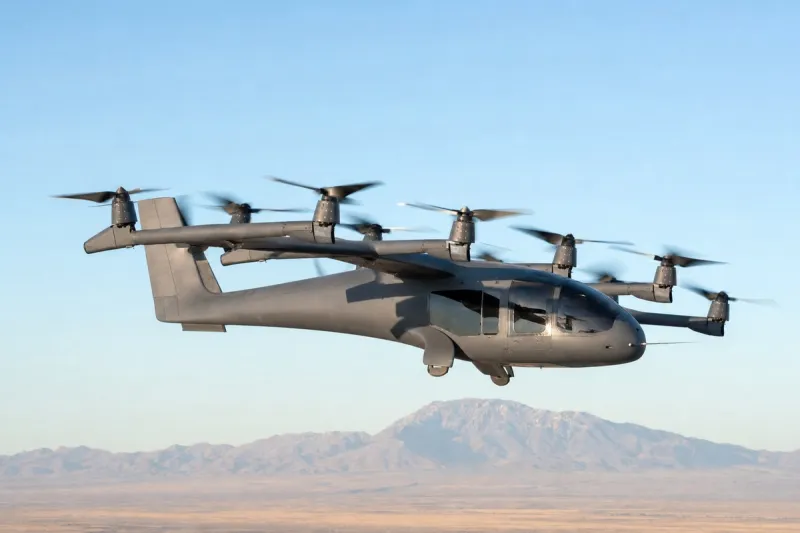
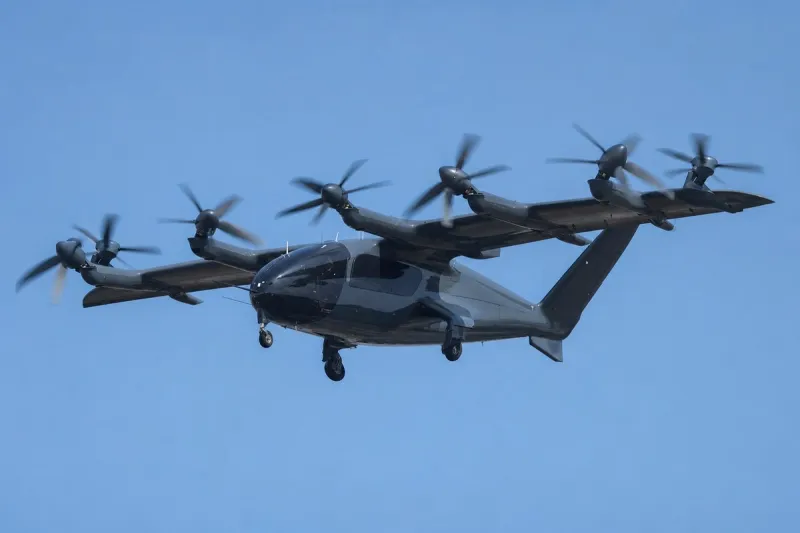
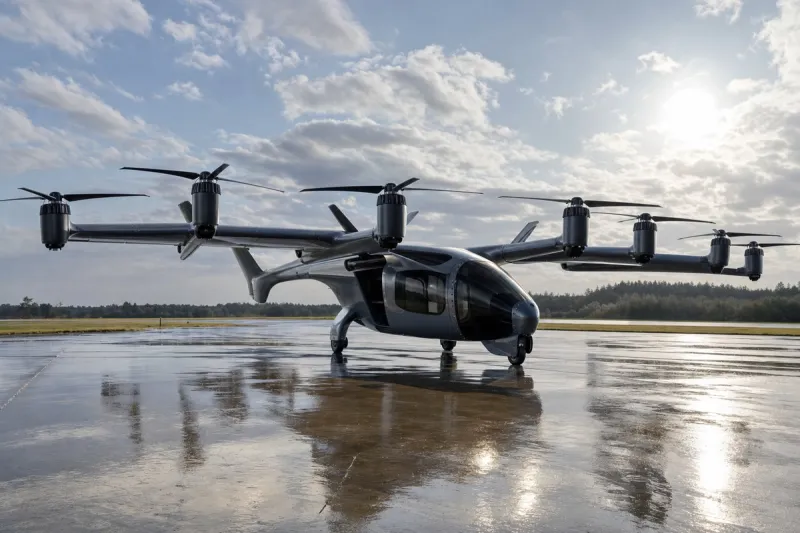
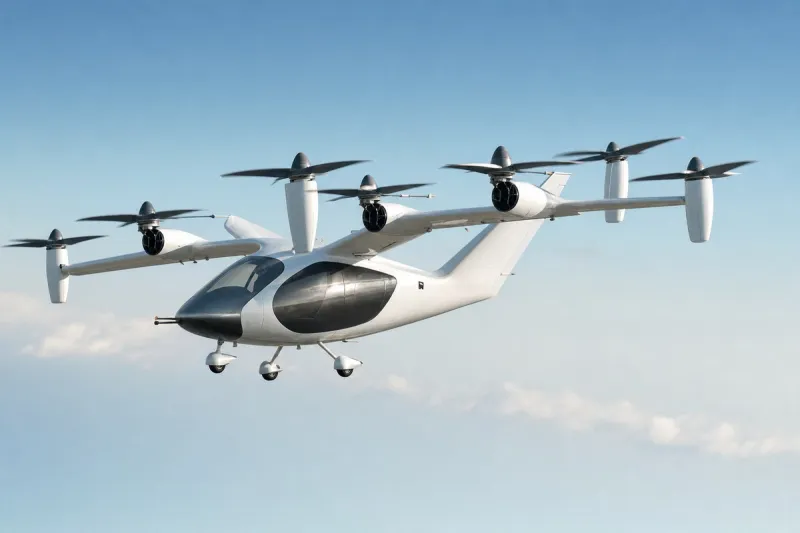
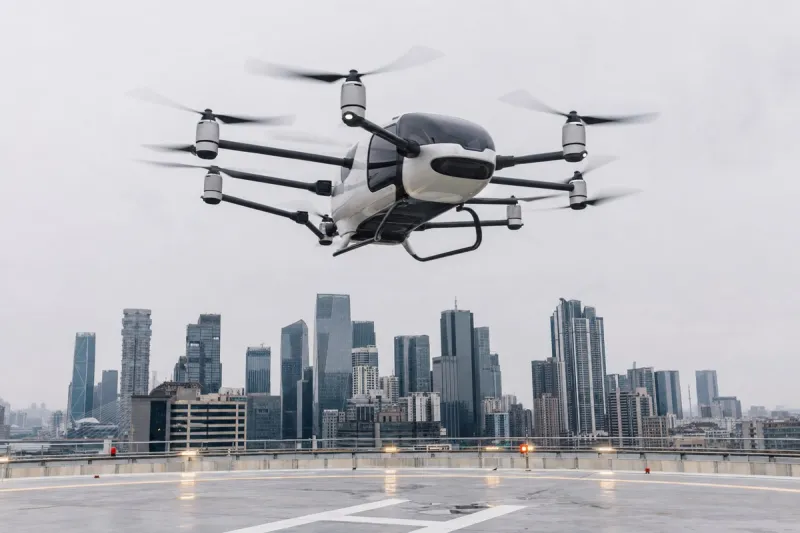
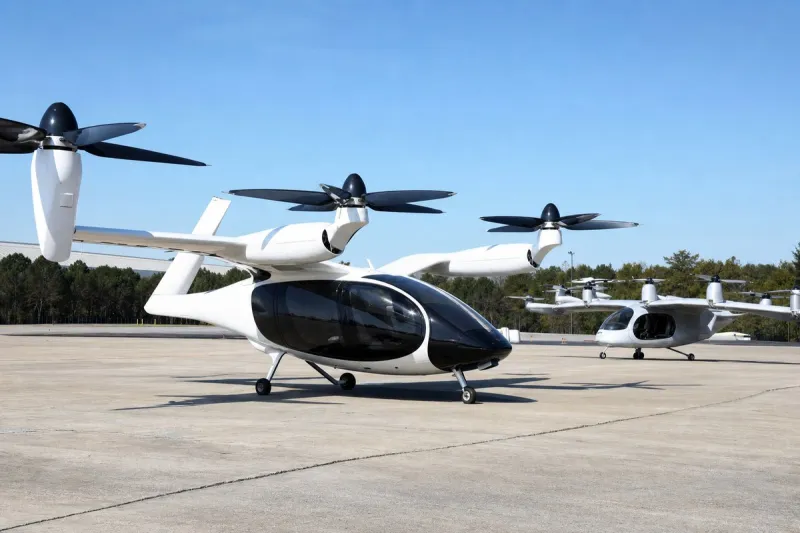
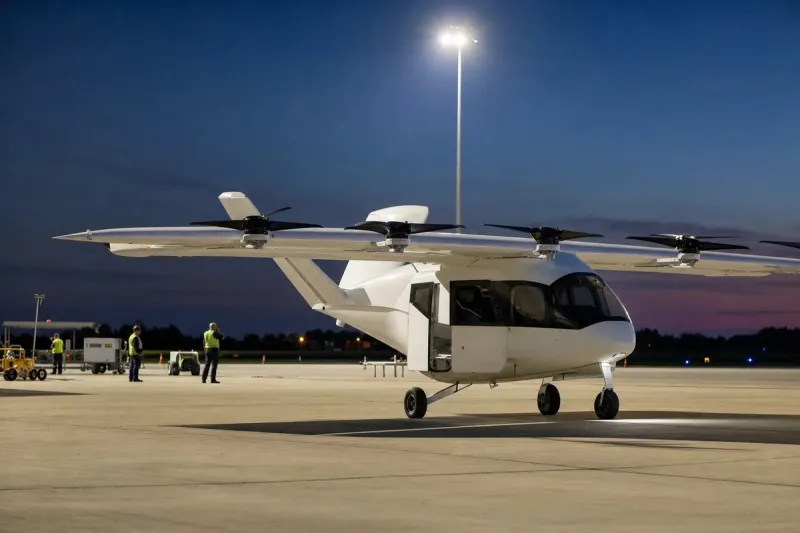
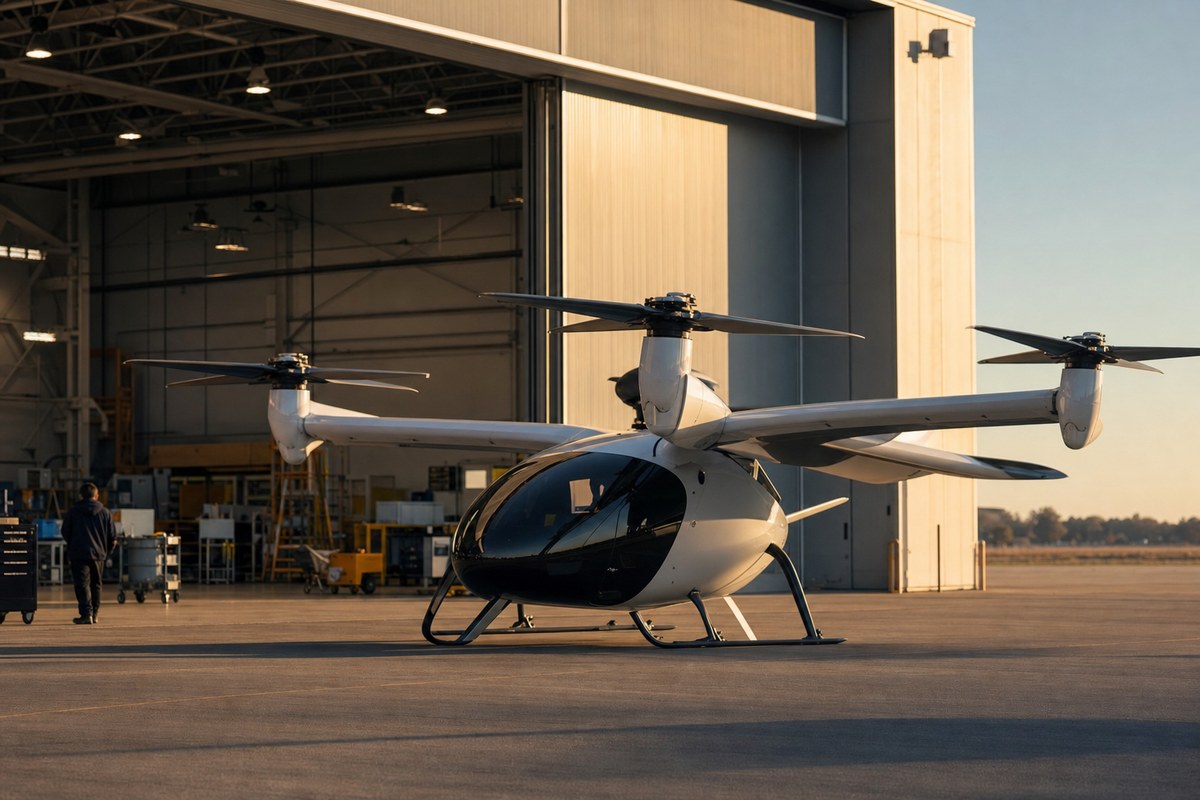
On simulation, Joby has taken delivery of a CAE fixed-base S4 Level 7 Flight Training Device, with a CAE Level C full flight simulator expected later in 2026 that will support training up to 250 pilots annually; both devices offer a 300-by-130-degree field of view, and Joby also partners with FlightSafety International. Joby's production S4 is a five-seat eVTOL with six tilting propellers, a projected top speed of 200 mph and a 100-mile range, and the company is progressing through the FAA's five-stage certification process, expecting to complete Stage 4 before moving to Stage 5. Simi said Joby hopes to launch commercial operations first in Dubai by the end of this year, where Dubai's Roads and Transport Authority and Skyports Infrastructure are building multiple vertiports, with the first at Dubai International Airport already complete.
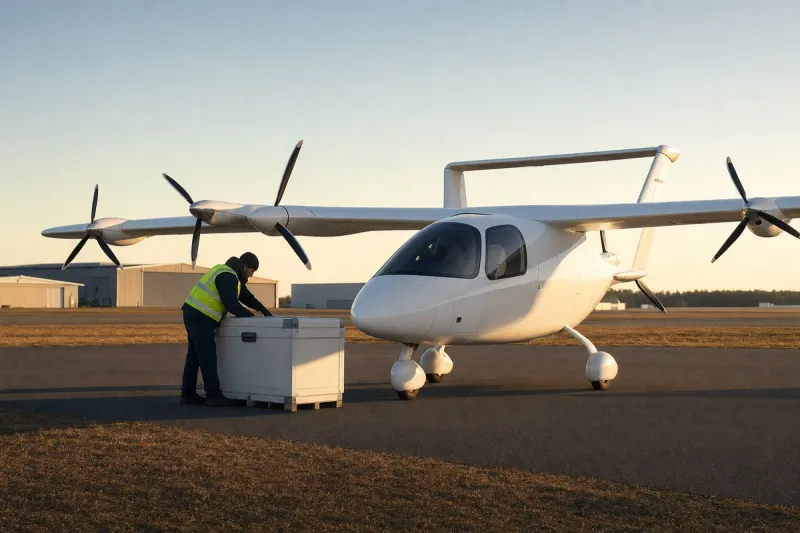
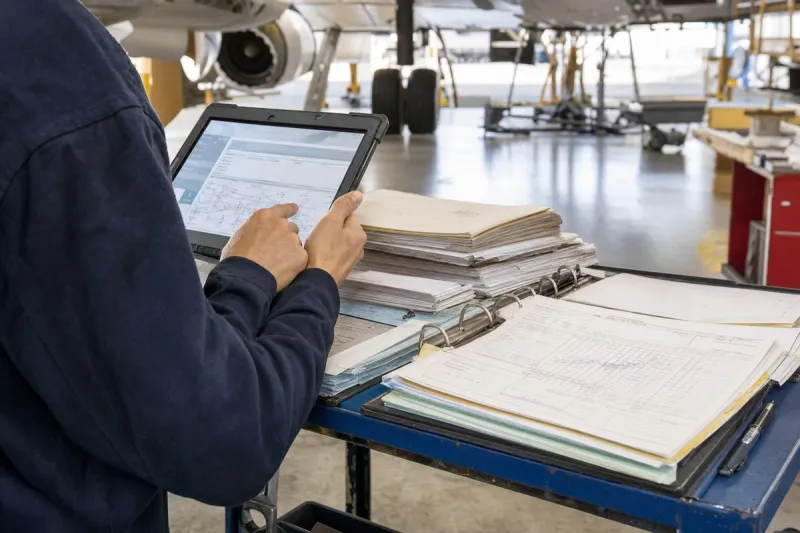
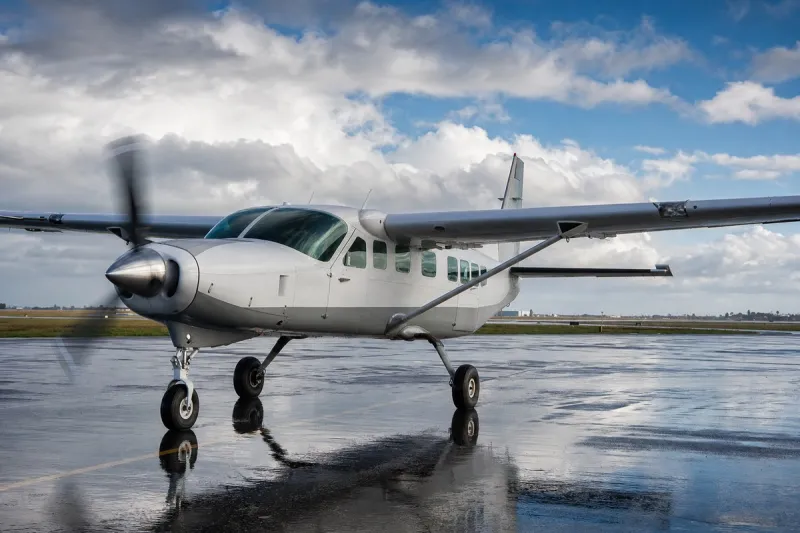
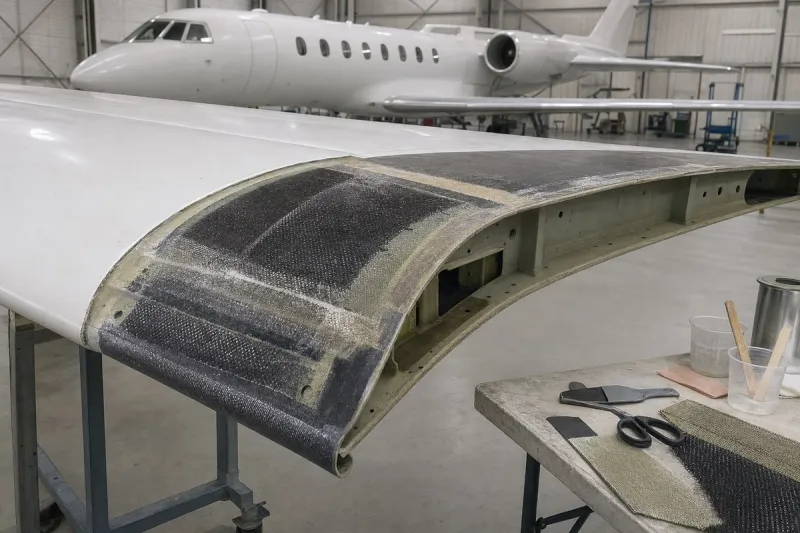
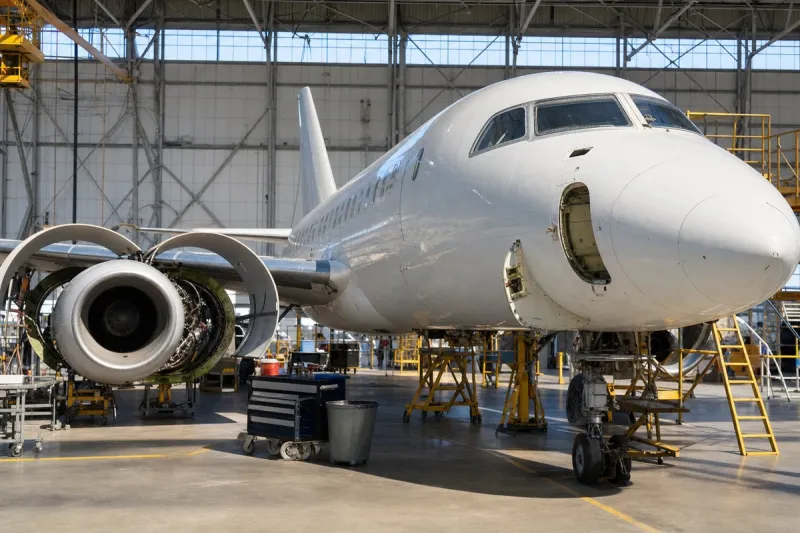
In mid-September 2026 Joby launched a week-long eVTOL demonstration series in the Dallas–Fort Worth area as part of its 2026 Electric Skies Tour, to be followed by a month-long, 10-state tour using its autonomous J208 aircraft, a modified Cessna 208B Caravan. FAA Administrator Bryan Bedford said the agency is using data from these flights to support its work. In late February 2026 Joby announced a partnership with Uber enabling air taxi bookings through the Uber app under the Uber Air brand, targeting New York City, Los Angeles and Dubai. On maintenance, Simi said Joby is developing a formal S4 type-rating program for technicians who already hold an A&P license, and is one of four U.S. organisations authorised to issue light-sport repairman certificates, adding that the country currently faces a more acute mechanics shortage than a pilot shortage.