Regent Craft Opens 255,000-Sq-Ft Seaglider Factory in Rhode Island, Secures $19.25M Marine Corps Partnership
Why It MattersThe project shows how a new aircraft category can advance through a mix of defense R&D funding, state incentives, and Coast Guard rather than FAA oversight before commercial certification is settled.
What happened
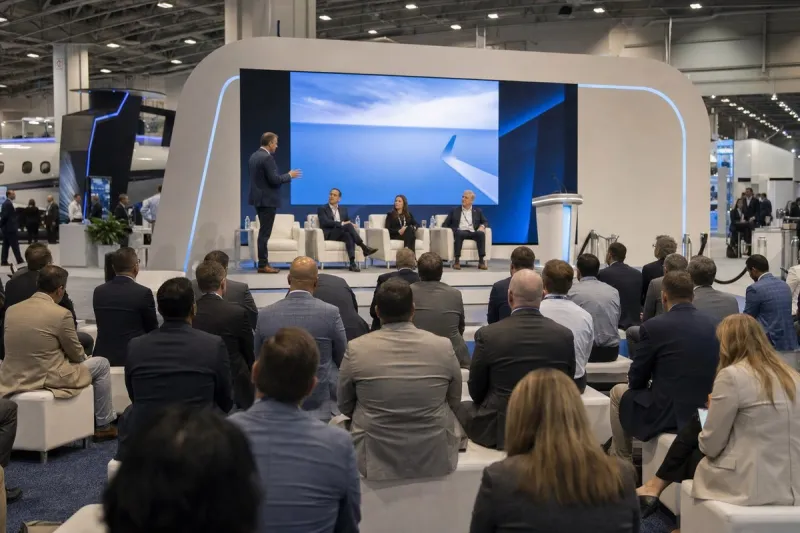
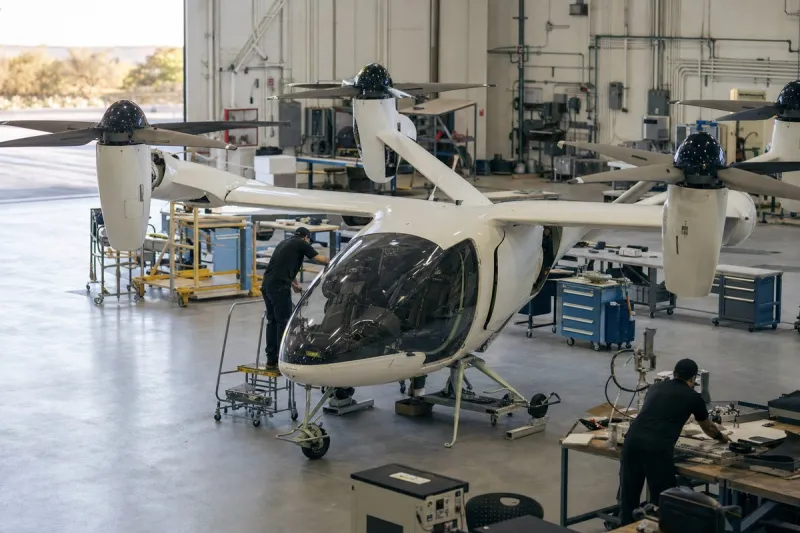
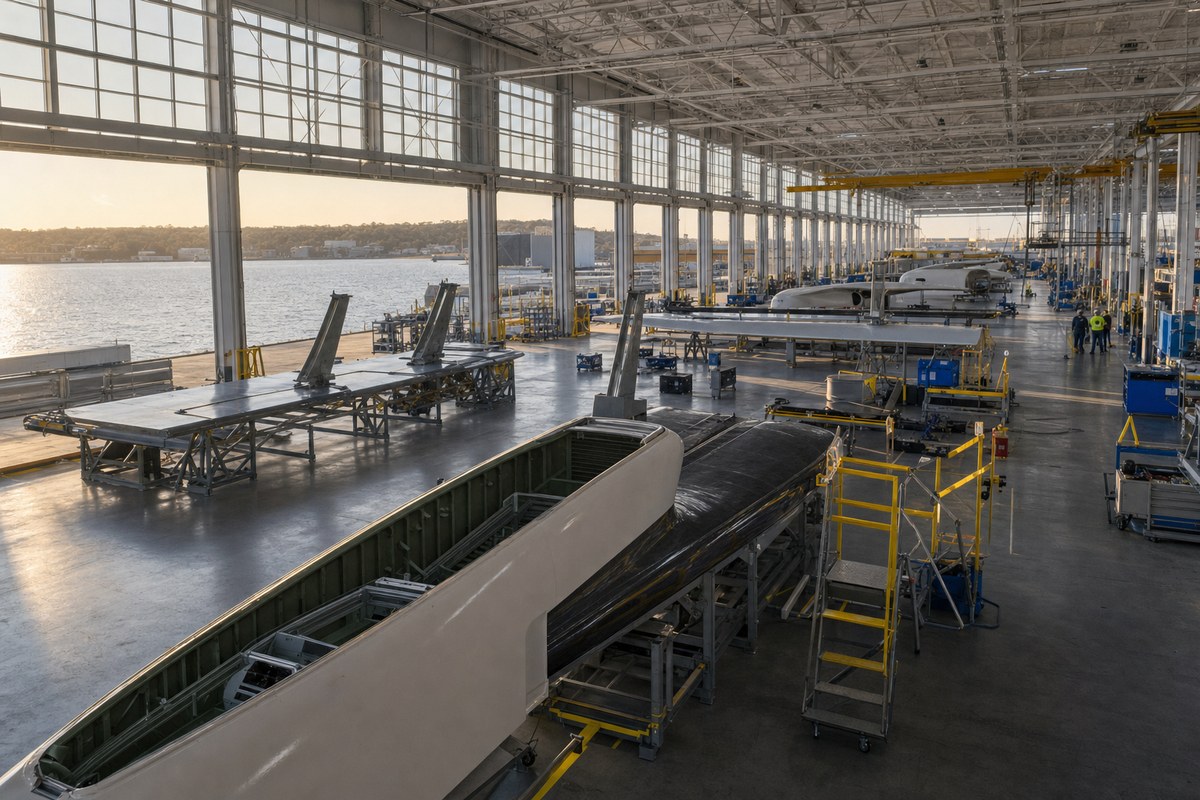
Regent Craft held a ribbon-cutting ceremony on October 1, 2026, at its new 255,000-square-foot Seaglider Manufacturing Facility at 1 Seaglider Way, Quonset Business Park in North Kingstown, Rhode Island, before approximately 600 investors, customers, and officials. The facility sits on the site of the former Quonset Point Naval Air Station and includes dedicated areas for structural assembly, wing and hydrofoil integration, battery and systems installation, and water-based acceptance testing.
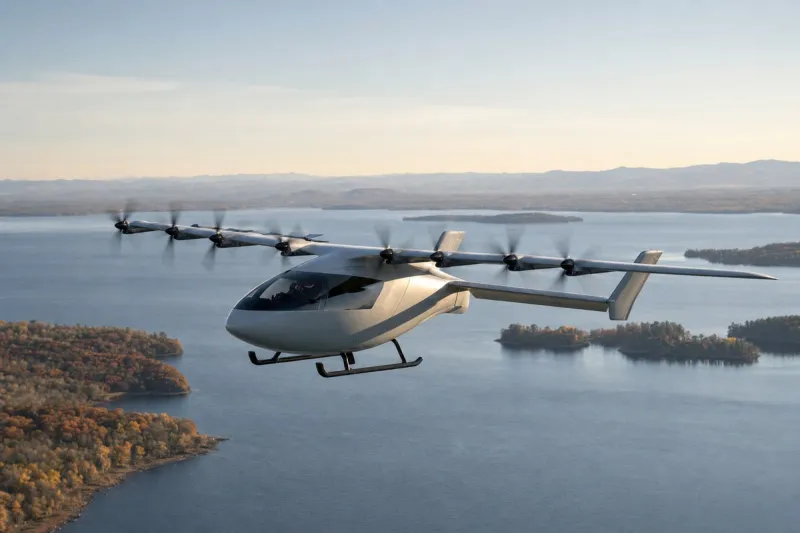
The opening coincided with a new $5 million Phase IV contract from the U.S. Marine Corps Warfighting Lab, announced the day before the ceremony, bringing the total value of that defense partnership to $19.25 million. Earlier on October 1, the Viceroy Seaglider prototype demonstrated its float-foil-fly sequence for the crowd; a first attempt was aborted when a tailwind of two to four knots made the vehicle unstable, and after about 15 minutes the crew tried again, with the Viceroy rising onto its hydrofoils, climbing clear of the water and flying in what was its fifth test flight overall.
The Viceroy had completed its first crewed flight on September 2, 2026, over Narragansett Bay, covering 1,956 feet at 33 feet of altitude with two captains aboard. The vehicle spans 57.5 feet in length, has a 65-foot wingspan, and weighs up to 15,400 pounds at max takeoff weight. It is classified as an IMO Type A wing-in-ground-effect craft, certified to fly only within ground effect, at most within one wingspan of the water surface. Regent says the Viceroy can travel 180 miles on a single charge at 180 mph, attributing this to lift-to-drag ratios of 20 to 30 in ground-effect flight compared with roughly 15 to 17 for a conventional turboprop commuter aircraft of similar capacity, and to the absence of the 30-minute fuel reserve mandated for conventional aircraft under maritime rules.
The Viceroy operates in three phases: floating on its hull at the dock, rising onto retractable hydrofoils that provide roughly two meters of wave clearance at speeds up to 50 knots before flight, and then transitioning into ground-effect flight. Twelve electric motors along the wing's leading edge use distributed electric propulsion to augment lift at modest speeds, and a triple-redundant fly-by-wire control system manages pitch, roll, and altitude during flight. In October 2025, during foil-mode testing in Narragansett Bay, the prototype's wing made contact with the water, slightly damaging the vehicle; the two captains and operations team were uninjured, and the company returned the vessel for repairs before resuming testing.
Because the Viceroy operates exclusively over water and never exceeds ground-effect altitude, it falls under U.S. Coast Guard jurisdiction rather than FAA certification. Regent submitted its Design Basis Agreement to the Coast Guard in March 2025, and as of October 2026 no public approval announcement has been made; crews will hold a U.S. Coast Guard Master Near Coastal 25-ton license rather than an FAA pilot certificate. Regent plans to hire at least 250 workers and begin building production Seagliders at the facility in 2027, targeting annual production capacity of 75 Viceroy vessels and 300 Squire Seaglider drones. Rhode Island committed up to $13 million in incentives tied to 300 jobs, with potential expansion to 750 positions over the decade. The company reports a commercial order book exceeding $10 billion across six continents, and luxury coastal travel operator The Twenty Five holds an agreement for up to 60 Viceroy units.
Regulatory path and testing record
The Viceroy's classification as an IMO Type A wing-in-ground-effect craft places its certification path with the Coast Guard rather than the FAA, a route tied directly to its operating envelope: it never flies beyond one wingspan above the water. That jurisdictional split also governs who can fly it, with crews slated to hold a Coast Guard Master Near Coastal 25-ton license instead of an FAA pilot certificate.
The October 2025 wing-strike incident during foil-mode testing, followed by repairs and a resumption of test flights, forms part of the same development record that led to the fifth test flight witnessed at the October 1 ceremony. The September 2 crewed flight over Narragansett Bay, covering 1,956 feet at 33 feet of altitude, marked the step before that public demonstration.
Industry impact & what to watch
A manufacturer opening a dedicated production facility before its core vehicle has cleared a formal certification approval is a sequencing choice common to emerging aircraft categories that sit outside conventional FAA rules: the company is building toward a stated 2027 production start and a target of 75 Viceroy vessels and 300 Squire drones per year, while the underlying Design Basis Agreement submitted to the Coast Guard in March 2025 still has no public approval attached to it as of October 2026.
The Marine Corps Phase IV contract, now totaling $19.25 million, shows how defense research funding can run in parallel with commercial fundraising and state incentives to carry a novel aircraft type through its flight-test phase. Rhode Island's up to $13 million commitment, tied to 300 jobs with room to grow to 750, reflects the same pattern of public money underwriting manufacturing capacity ahead of revenue from deliveries.
The reported order book exceeding $10 billion across six continents has not been broken down between firm orders and letters of intent, which leaves the real near-term demand signal undetermined. The next milestones worth tracking are a Coast Guard approval of the Design Basis Agreement and whether production deliveries begin on the stated 2027 timeline.