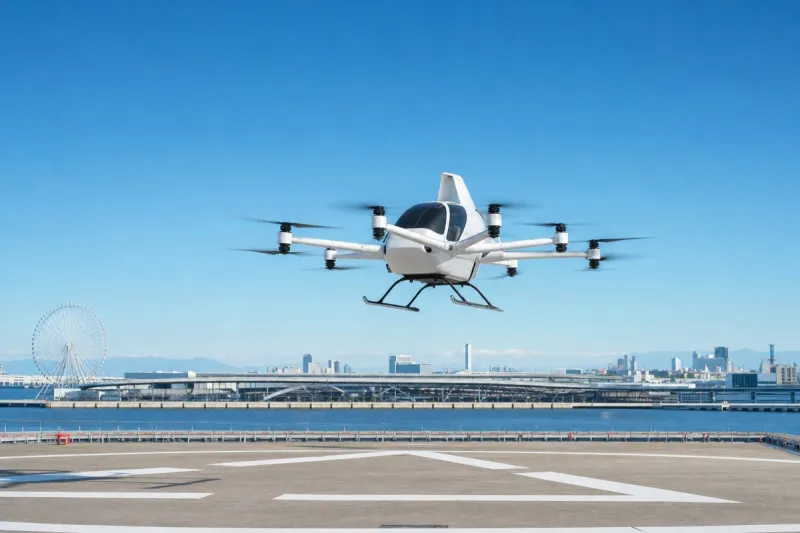
Vertiports Identified as Primary Constraint on eVTOL Market Growth as Sector Targets $110.64B by 2035
Why It MattersGround infrastructure costs and power-supply constraints, rather than aircraft certification timelines, are becoming the gating factor for how fast air-taxi operations can scale commercially.
Ground infrastructure, rather than vehicle certification, is emerging as the primary constraint on the eVTOL industry's expansion, according to an analysis of market data, U.S. government reporting, and company disclosures. Kings Research forecasts the global eVTOL aircraft market will reach USD 20.14 billion in 2030 and USD 110.64 billion by 2035, growing at a compound annual rate of 41.32% over 2031–2035.
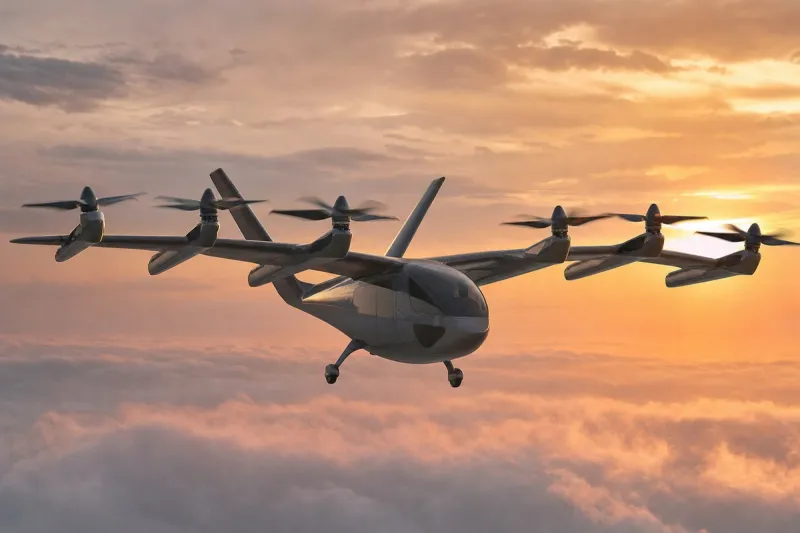
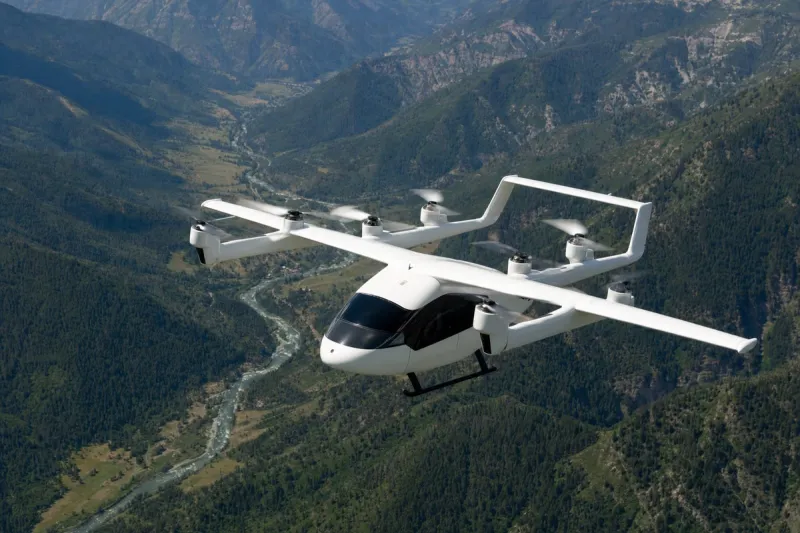
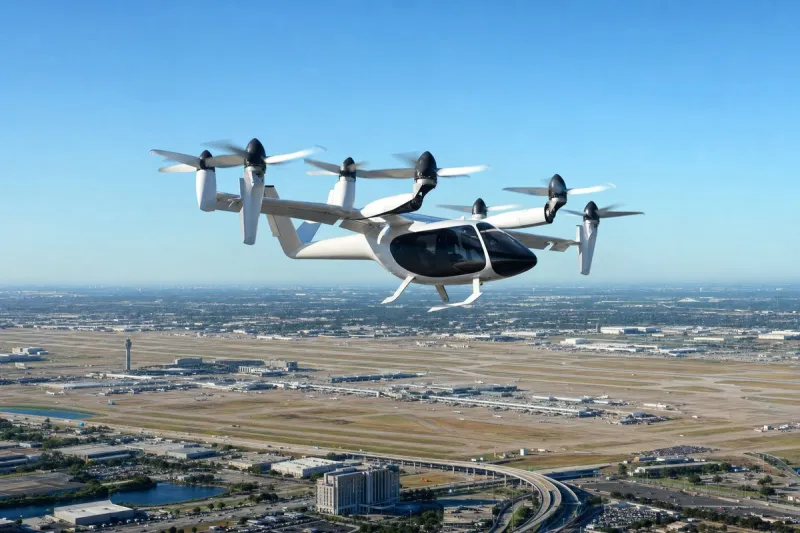
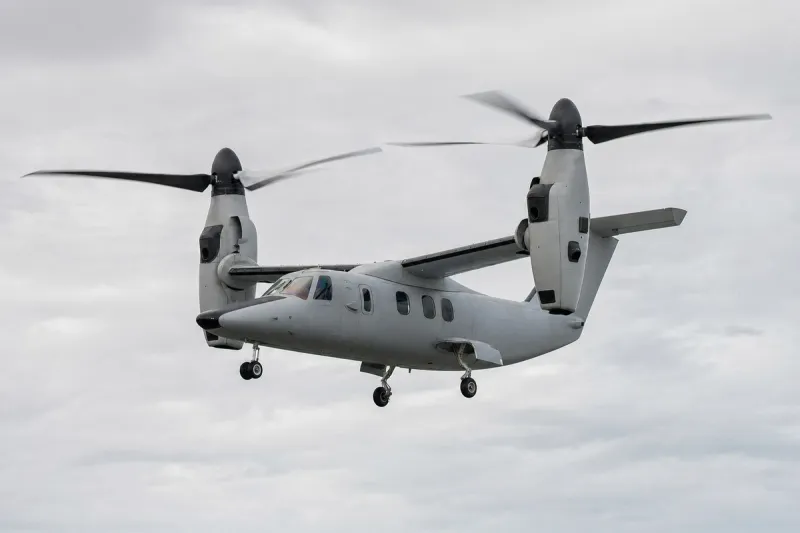
A May 2026 Government Accountability Office report said the FAA is evaluating 23 electric propulsion certification projects among 16,788 overall projects received since 2018, and has incorporated Advanced Air Mobility into its Aerospace Forecast FY 2026–2046. As of mid-2026, Joby Aviation is progressing through Stage 4 testing toward Type Inspection Authorization, while Archer Aviation became the first eVTOL company to close Phase 3 of the FAA's four-phase certification process for its Midnight aircraft, with U.S. operations expected in 2026 under the eVTOL Integration Pilot Program and plans to serve as Official Air Taxi Provider of the LA28 Olympic Games.
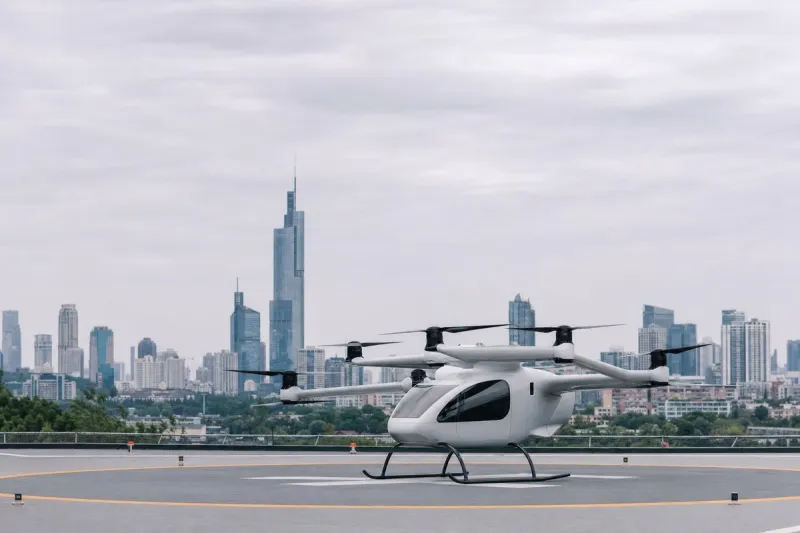
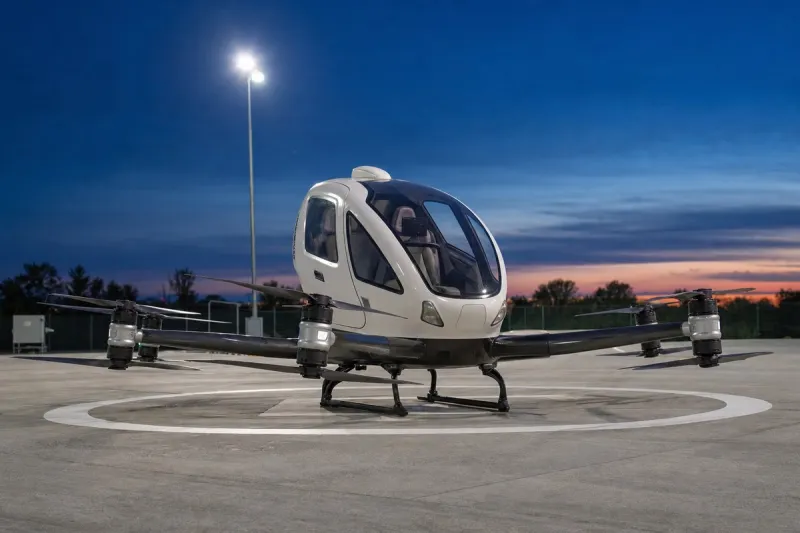
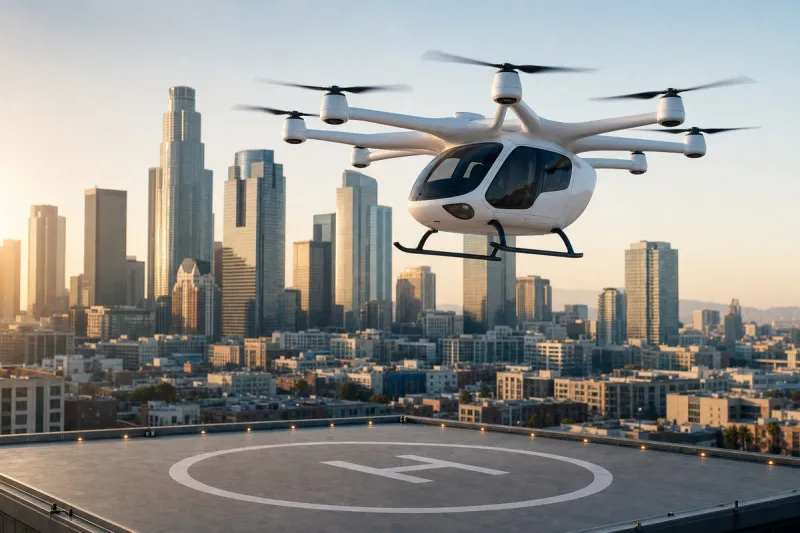
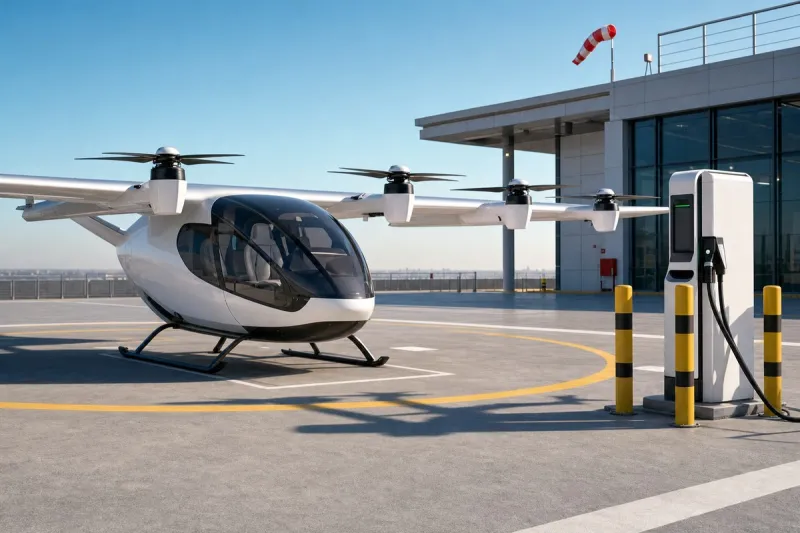
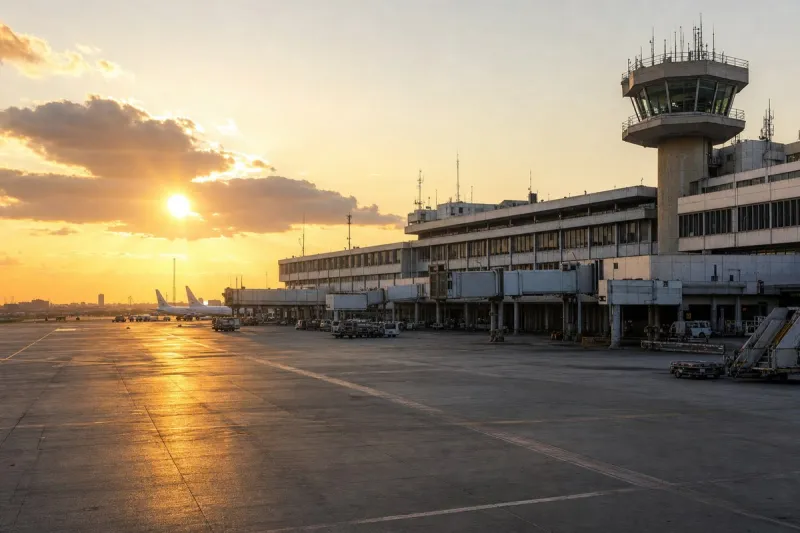
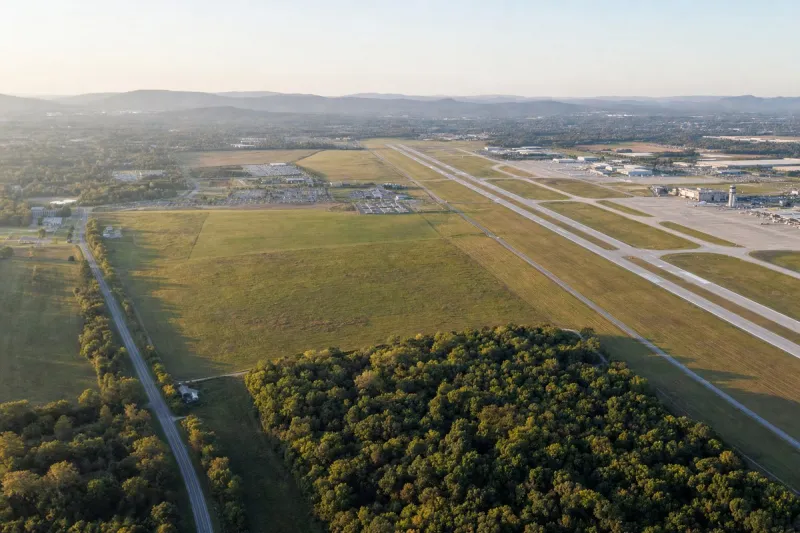
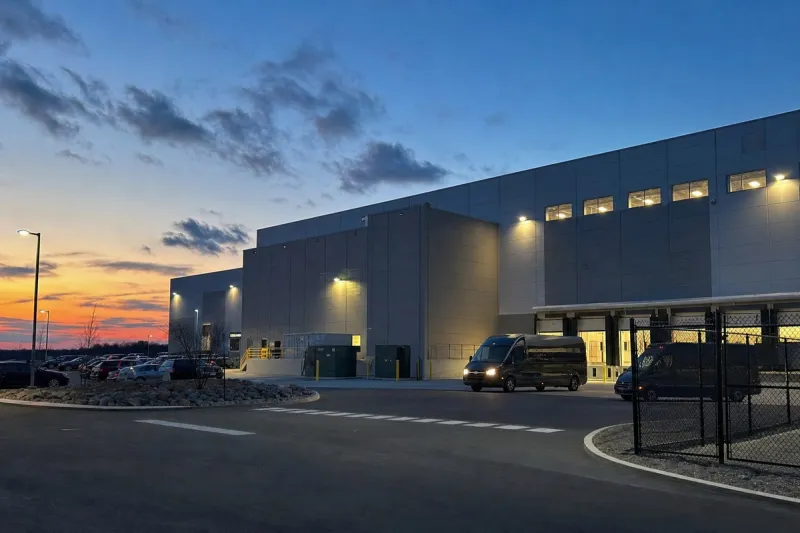
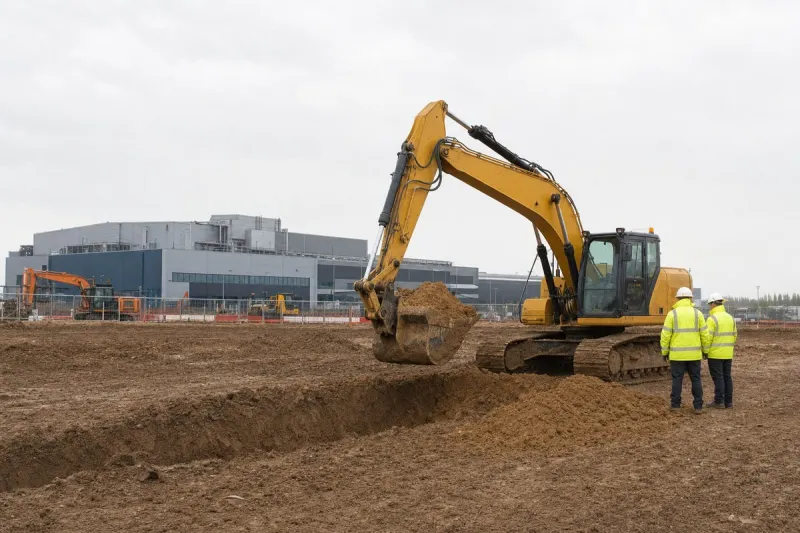
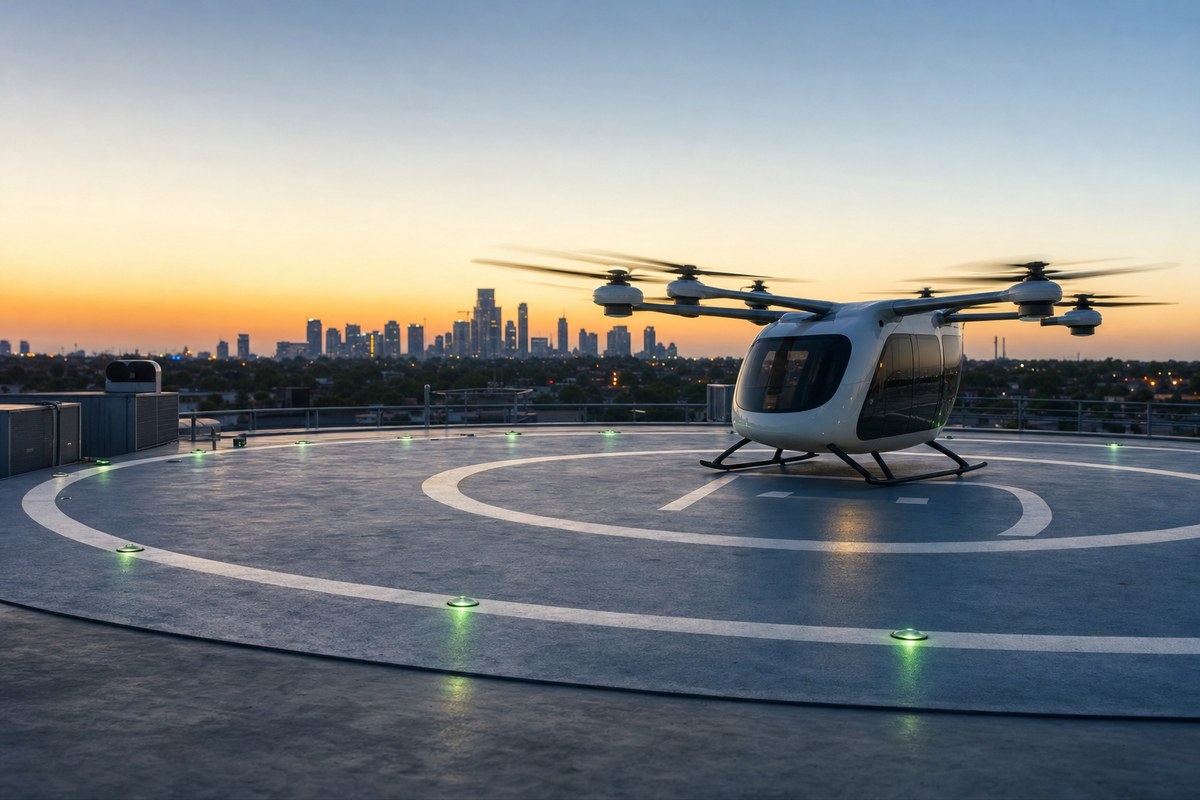
A UAM Geomatics study cited by the GAO projects cumulative vertiport construction and renovation costs could exceed $4.5 billion by 2045 across 38 large metropolitan areas, with standard vertiports costing $5 million to $15 million over two to four years, airport hubs $10 million to $25 million over three to five years, rooftop pads $2 million to $8 million over one to three years, and retrofitted helipads $500,000 to $2 million within six to twelve months. The GAO also reported that publicly disclosed worldwide Advanced Air Mobility investment grew from $180 million in 2019 to $5.8 billion in 2021.
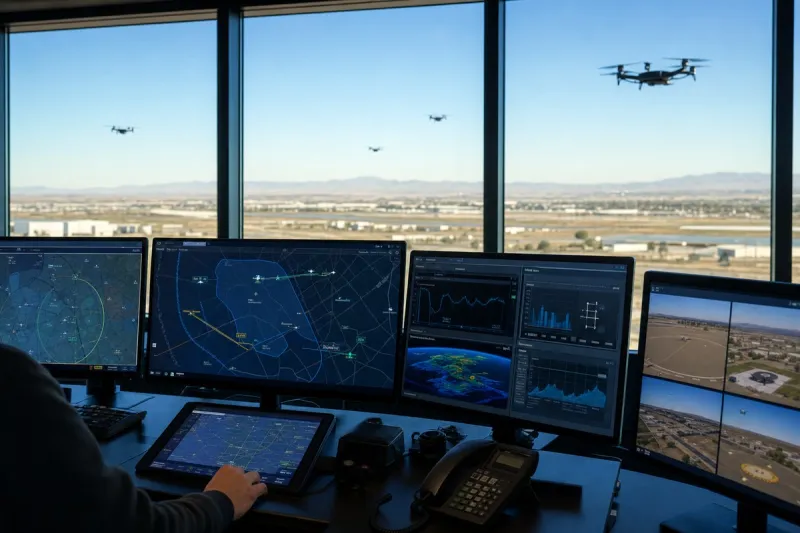
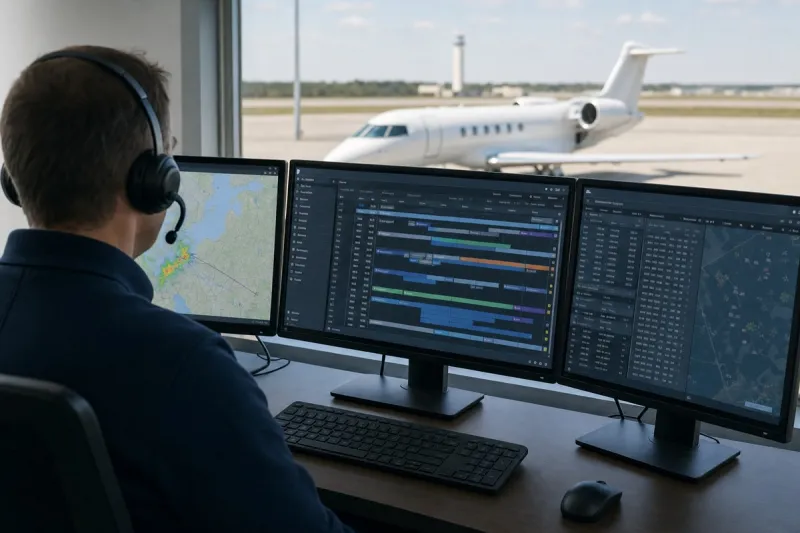
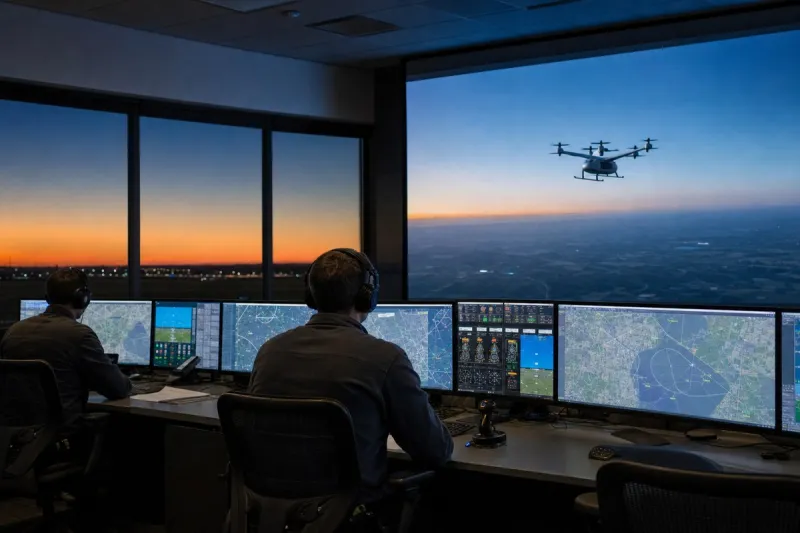
Analysts identify power supply, airspace integration, and regulatory clarity as additional hurdles, noting that a single vertiport requires megawatt-scale electricity, driving investment in on-site solar canopies, battery storage, and grid upgrades, while airspace management systems must be integrated with physical pads before safety certification can be granted. Infrastructure-as-a-service leasing, public-private partnerships, and integrating landing pads into commercial real estate developments are cited as the primary financing mechanisms under consideration.