Bain Capital expects blending mandates to drive long-term growth for EcoCeres SAF producer
Why It MattersSAF demand growth remains tied to government blending mandates rather than airline willingness to pay premiums, with policy timing in China and Hong Kong shaping producer investment decisions.
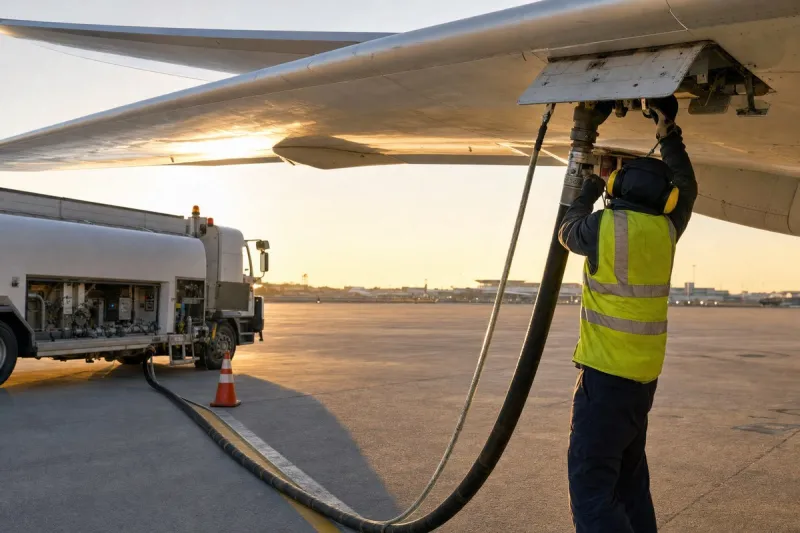
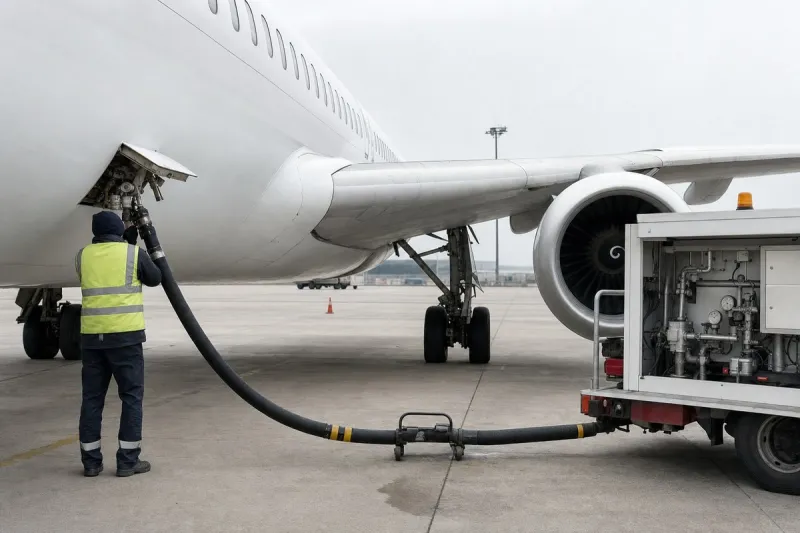
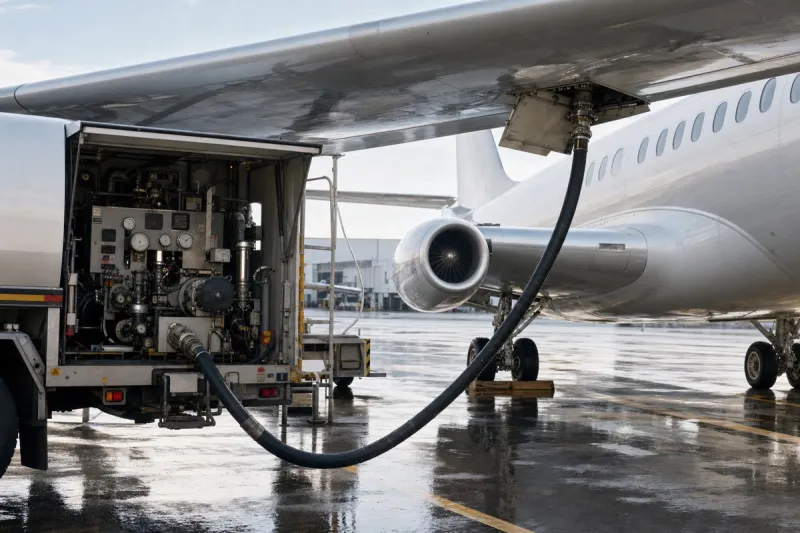
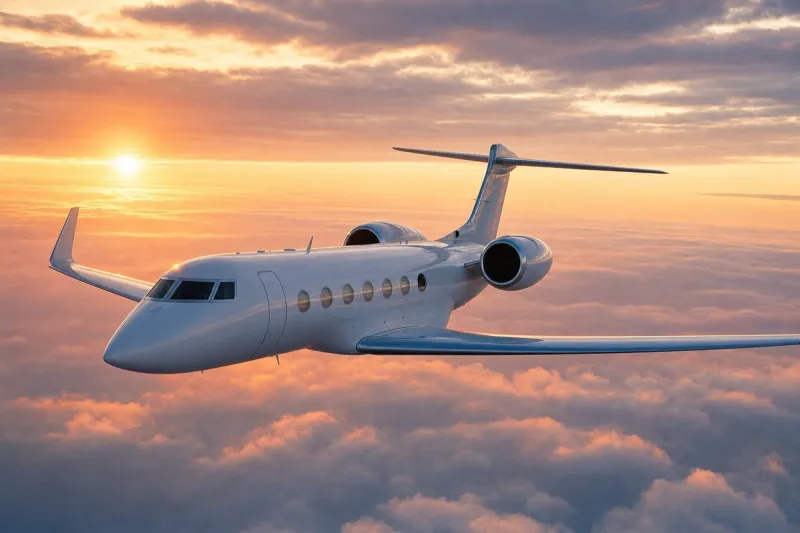
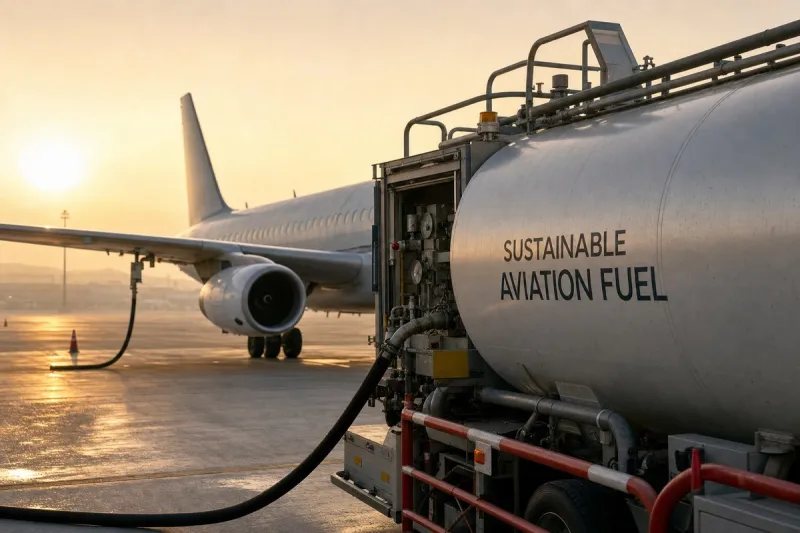
Bain Capital, a major shareholder in sustainable aviation fuel producer EcoCeres, expects blending mandates in multiple countries to drive long-term demand growth, with China likely to introduce such requirements in coming years, according to Bain partner James Tam, who also serves as co-chair of EcoCeres. Tam said the SAF sector is at the start of a multi-decade expansion as carbon-emission reduction rules for airlines spread from Europe to Asia, calling SAF "almost the only commercially available solution to decarbonise aviation" while noting hydrogen or electric propulsion for long-haul flights is not expected soon.
EcoCeres, described as the world's second-largest SAF producer by capacity, is preparing a Hong Kong IPO reported to potentially raise approximately US$1 billion, though Tam declined to comment on IPO details. The industry faces weak demand and spare production capacity as airlines resist paying large premiums for SAF, with the International Air Transport Association saying in June that an estimated 2.4 million metric tons of SAF will be produced in 2026, representing just 0.8 percent of global jet fuel demand.
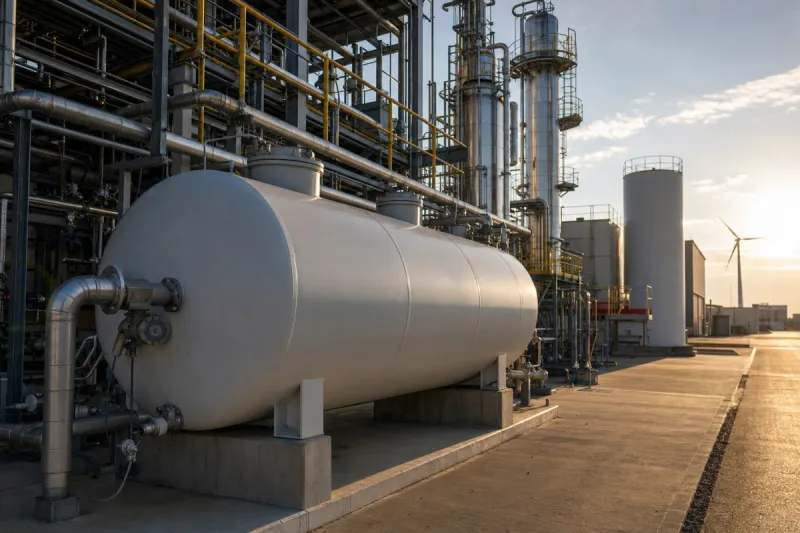
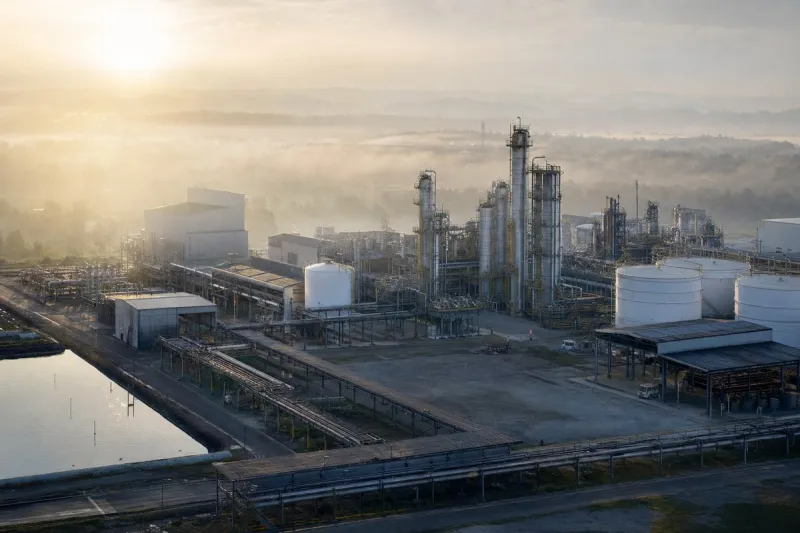
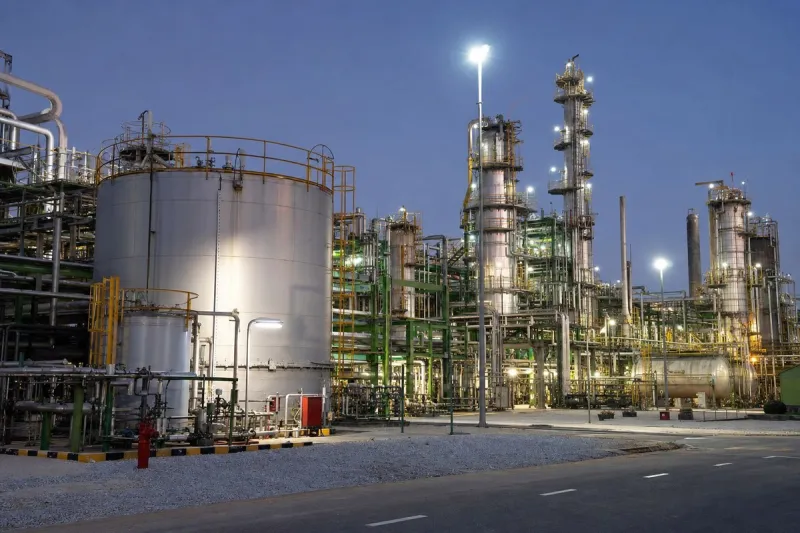
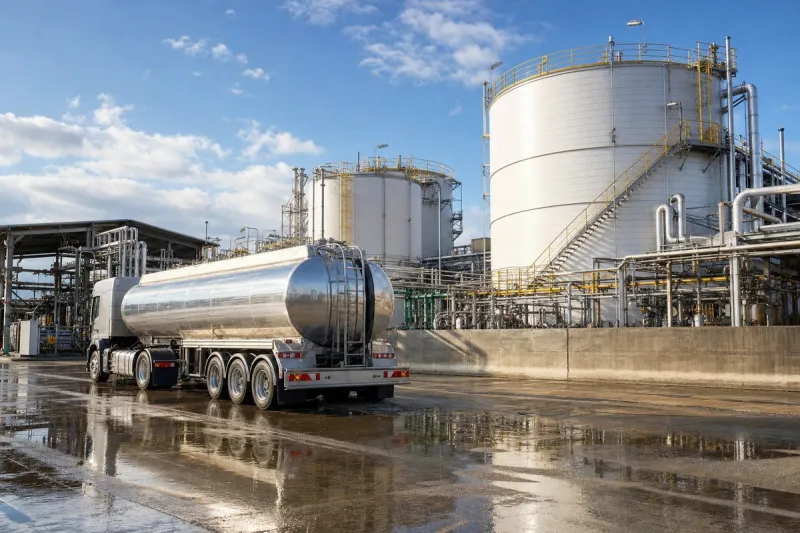
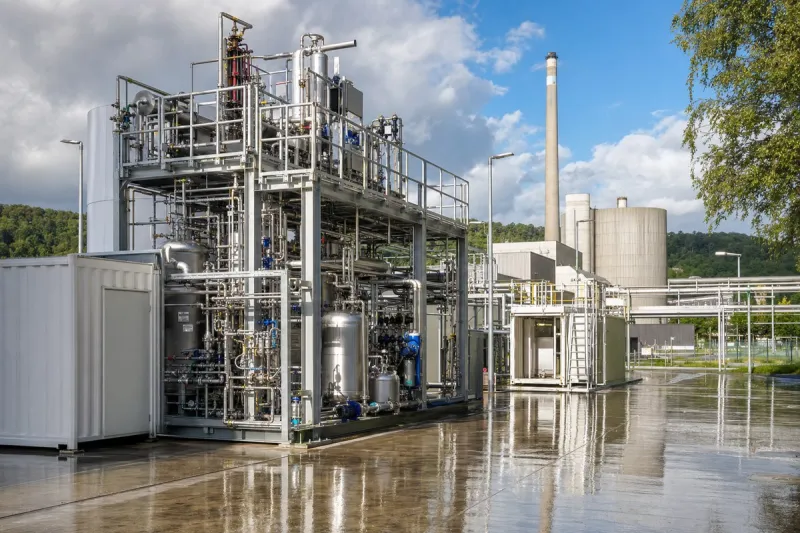
Bain invested more than US$700 million in EcoCeres in 2022, when the company became the second after Finland's Neste to commercialise SAF production. EcoCeres supplies airlines including Qantas, Air France, British Airways and Cathay Pacific, with combined renewable fuels capacity of approximately 770,000 metric tons per year at plants in Zhangjiagang, China, and Johor, Malaysia. Tam said SAF's inclusion in China's 15th Five-Year Plan (2026–2030), approved in March, signals domestic mandates are on the horizon, while Hong Kong's first Five-Year Plan targets SAF accounting for 1 to 3 percent of fuel for departing flights by 2030.
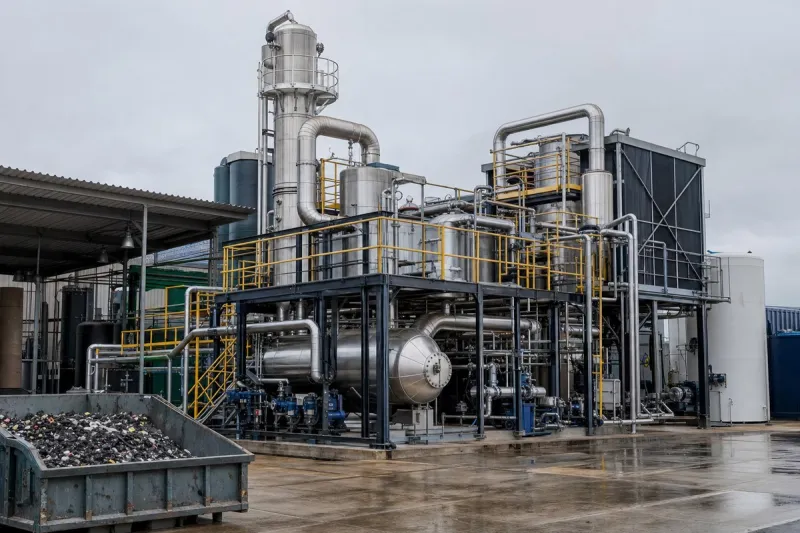
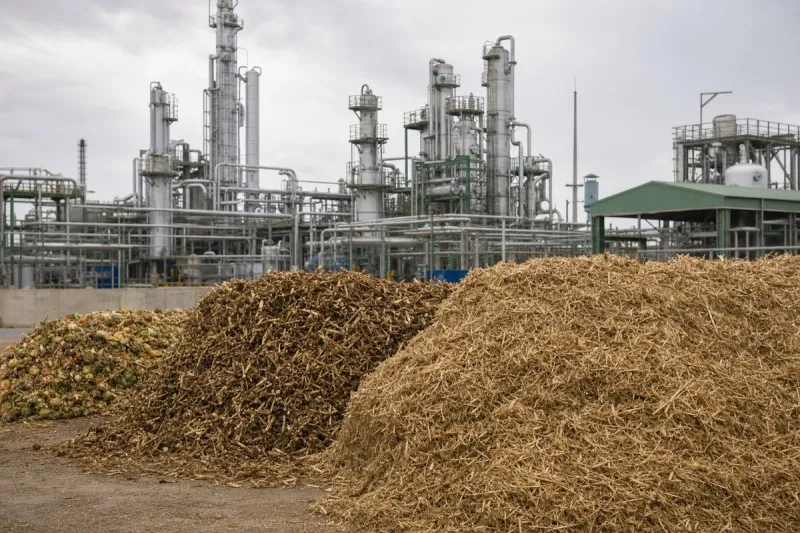
EcoCeres plans a 450,000-ton-per-year plant in Dongguan, due to open by 2030, to supply airports in Hong Kong, Shenzhen and Guangzhou, with Tam saying the timeline is firm and the reported HK$10 billion investment covers a 10-year build-out. Meeting the top of Hong Kong's 3 percent target would require nearly half the plant's output, with surplus potentially exported to Europe, where the EU has mandated 6 percent SAF by 2030. EcoCeres owns its full technology stack without reliance on third-party licensors or catalyst suppliers, and its feedstocks are entirely waste-based, including used cooking oil collected from 500,000 restaurants across China.