Philippines considers 1% sustainable aviation fuel blend mandate by 2030
Why It MattersA phased SAF mandate signals Southeast Asia moving toward local production capacity, potentially easing the region's dependence on costlier imported sustainable aviation fuel over time.
The Philippines is weighing a mandate that would require a 1 percent sustainable aviation fuel (SAF) blend by 2030, according to the Department of Energy, based on a recommendation from a government SAF committee headed by the Civil Aviation Authority of the Philippines (CAAP).
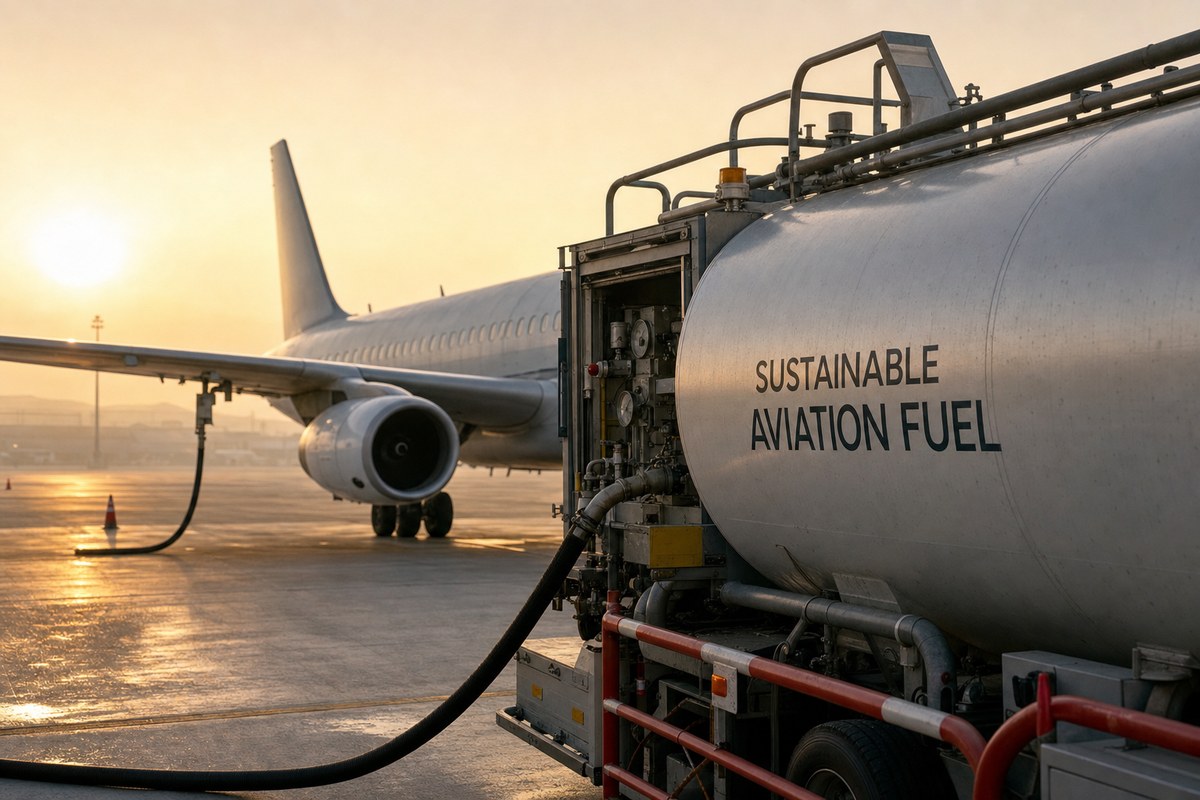
Energy Undersecretary Alessandro Sales said the 2030 target would give the industry three to four years to build local supply before any mandate takes effect, noting the country has resources to produce SAF and could become both a demand center and a producer. He identified cost as SAF's biggest obstacle, with current prices three to four times higher than conventional fossil fuel, a "chicken-and-egg" problem for investors, and said a gradual mandate rising from 1 percent to 2 percent would help the market support facility development and eventually lower costs.
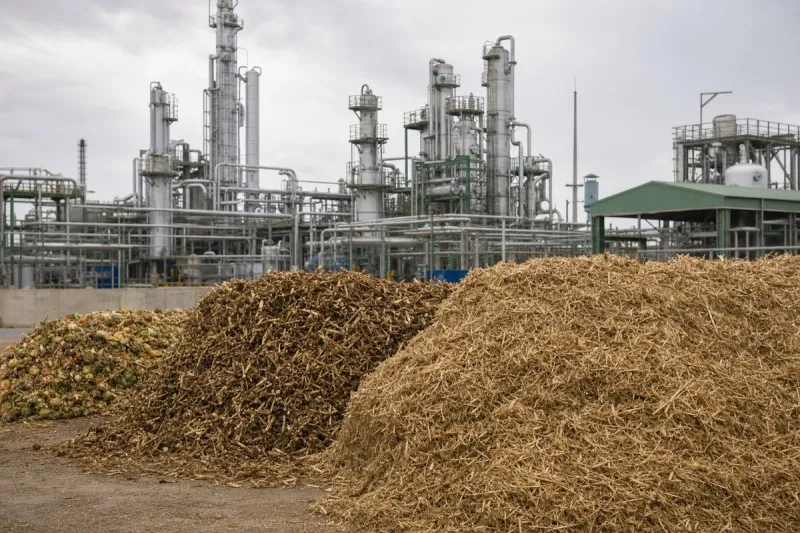
No investment estimate for local SAF production has been established yet, Sales said. He also indicated the Philippines could broaden permitted feedstocks beyond sugarcane molasses, with a proposal under consideration to add corn as a local feedstock for bioethanol production.