US Uses Aircraft Parts as Leverage in Trade Negotiations with China
Why It MattersTying aircraft parts supply to trade diplomacy deepens Chinese aviation's dependence on American suppliers while adding political-risk uncertainty to Boeing's position in Chinese tenders.
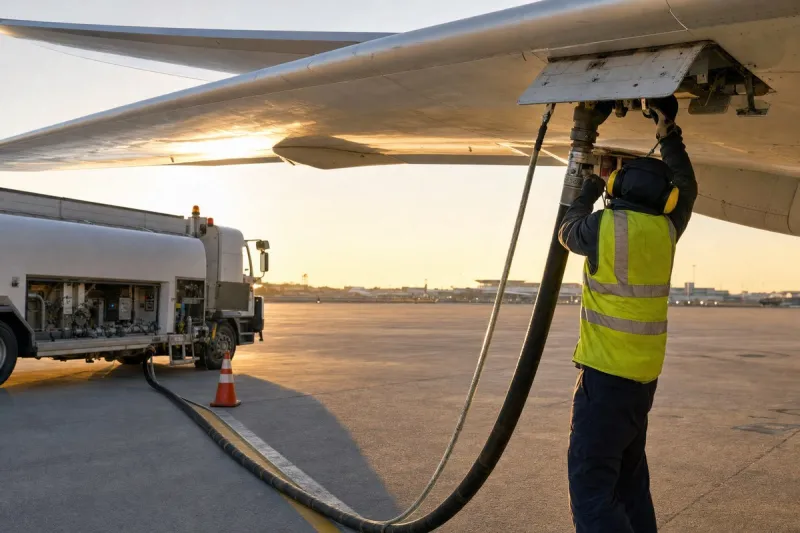
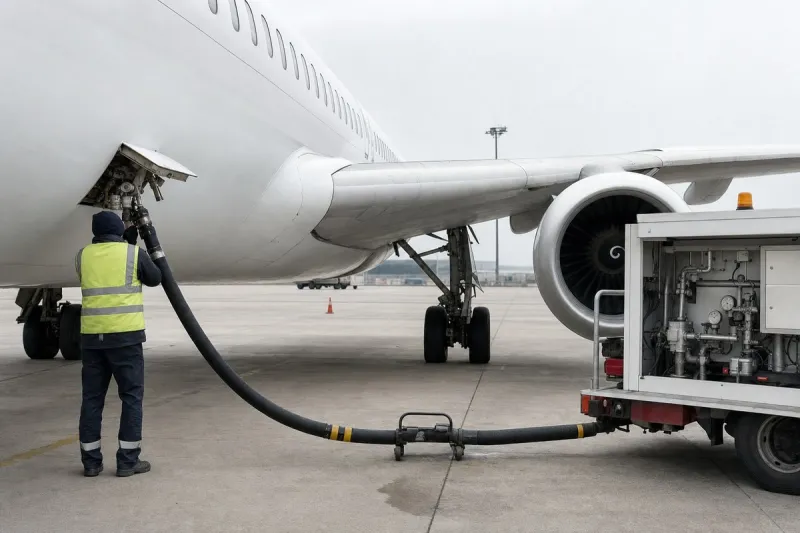
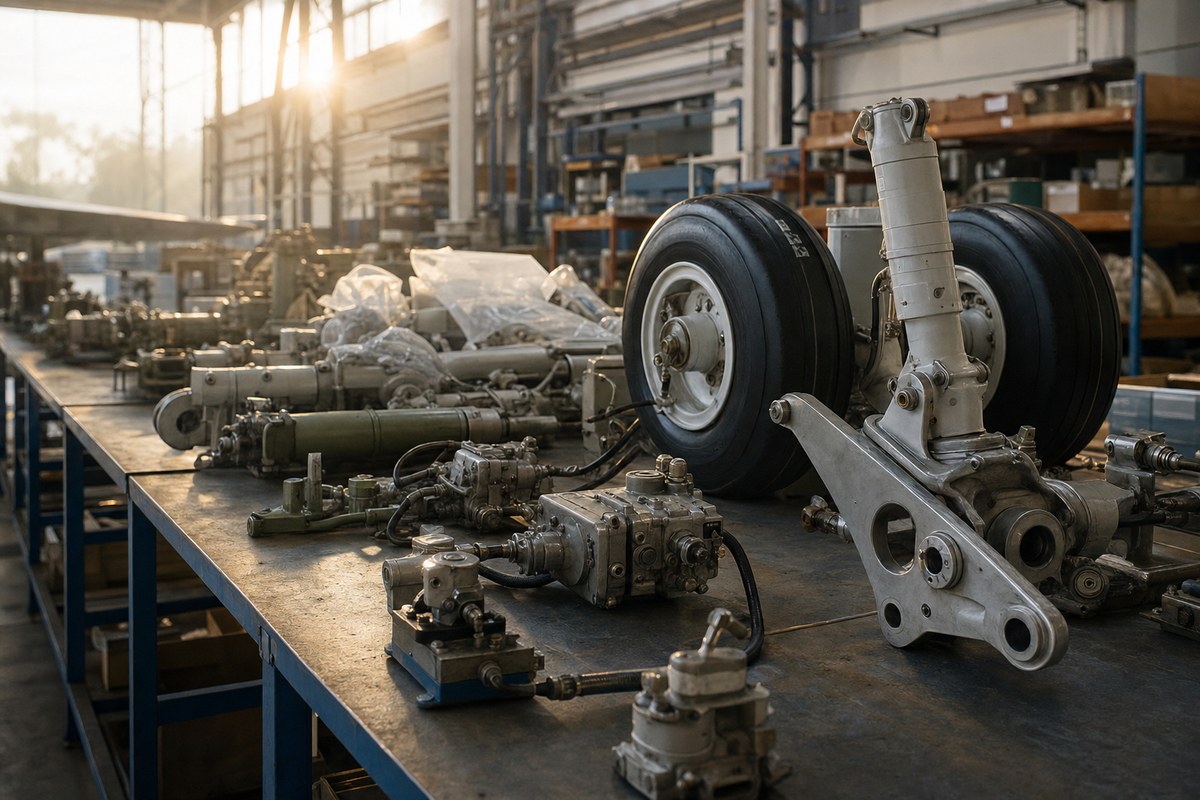
Washington is slowing the issuance of export licences for aircraft spare parts, including landing gear components, and is considering new regulations that would introduce a licence requirement for aircraft hydraulic fluid, using these measures as negotiating tools in its trade dispute with Beijing. The volume of parts approved for COMAC, the Chinese state-owned aircraft manufacturer, is being deliberately kept low to prevent the company from building large inventories, though the US government has not announced a blanket ban or publicly confirmed a broader cutoff.
Chinese President Xi Jinping visited Washington at the end of September, and the only concrete economic outcome was a two-month extension of the trade truce to 10 January 2027, short of the longer period Beijing had sought. The slowdown in parts permits is seen as preparation for negotiations that must conclude before that deadline. In May, during Trump's visit to Beijing, China agreed to purchase 200 Boeing aircraft, its first major commitment to the manufacturer since 2017, and has since asked to receive spare parts for those planes years in advance, while US officials resist firm guarantees and view the parts as leverage for future concessions.
COMAC's C919 relies on the American-built LEAP-1C engine from CFM International, a joint venture between GE Aerospace and Safran, along with US avionics and other systems; COMAC delivered only 15 C919s in 2025, far below the planned 75, and its domestic CJ-1000A engine is not expected to be certified until 2027 or 2028, with series production unlikely before 2030. Washington used a similar instrument in May 2025, suspending licences for GE Aerospace engines destined for COMAC and Honeywell navigation systems, before reauthorising engine deliveries after a July easing agreement; in October, following a Chinese move on rare-earth exports, Trump again threatened to restrict parts exports for Boeing aircraft.
China has required special permits for rare-earth exports since April 2025 and, after US tariffs of 145 per cent, ordered its airlines to halt acceptance of Boeing aircraft and stop purchasing US parts and equipment. Airbus received an order for 137 A320neo aircraft from China Southern and Xiamen Airlines in April, and its second Tianjin assembly line delivered its first aircraft in mid-September, though the A320neo also depends on CFM International's LEAP-1A or Pratt & Whitney engines. The first major test of these dynamics will be negotiations over the trade truce Trump and Xi agreed in Busan in October 2025, under which Washington eased some tariffs while Beijing postponed expanding rare-earth export controls.