University of Antwerp study warns night-flight restrictions at Brussels Airport could erode Belgium's appeal for time-critical sectors
Why It MattersThe findings highlight how cargo-sector operating hours at major hubs can shape broader economic ecosystems, adding pressure on regulators balancing noise policy against logistics-dependent industries.
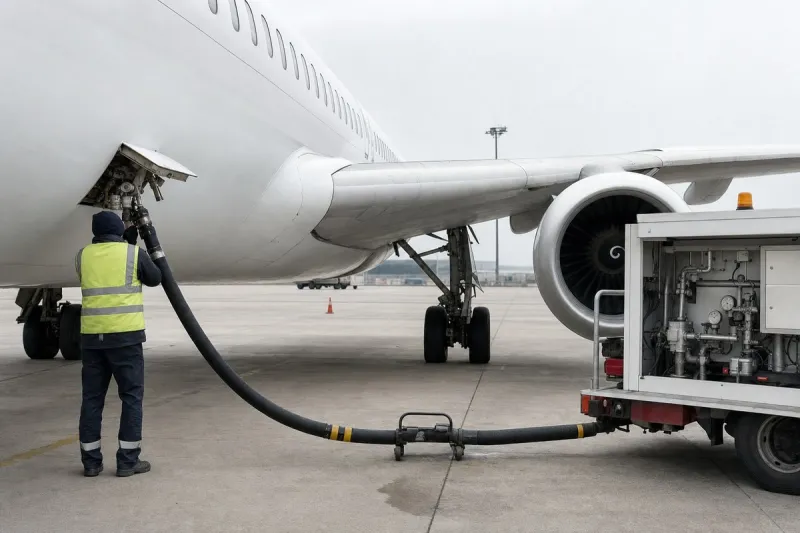
A study by the University of Antwerp's Department of Transport and Regional Economics, commissioned by DHL, warns that restrictions on night flights at Brussels Airport could erode Belgium's attractiveness for time-critical, export-oriented activities. The study notes that DHL, one of the largest operators at Brucargo, Brussels Airport's cargo division, conducts most of its flights in the evening and at night.
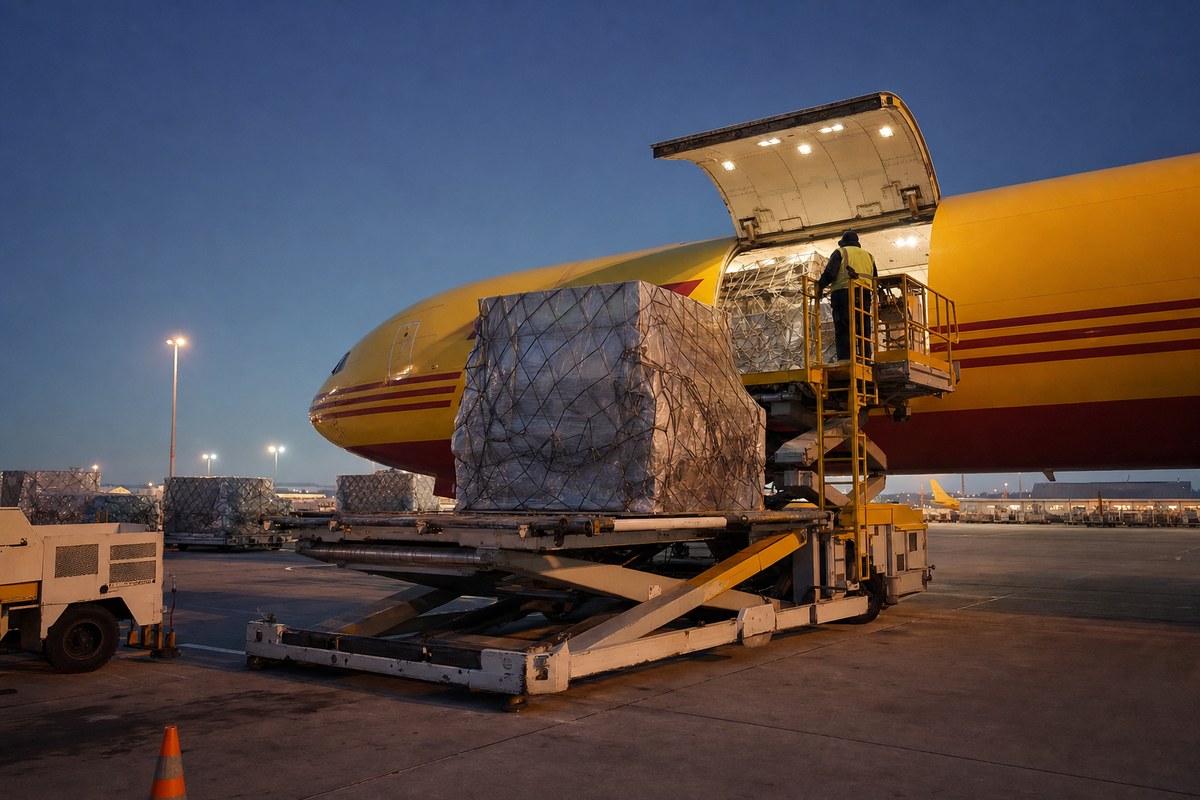
In 2025, DHL, a subsidiary of Deutsche Post, employed 2,083 people (1,876 full-time equivalents) at Brussels Airport and generated €315.5 million in added value; including indirect and induced effects, its total economic impact reached 5,580 full-time equivalents and €774 million in added value. The authors argue that DHL's late-night transport underpins a wider ecosystem of Belgian businesses, including clinical laboratories, pharmaceutical manufacturers and industrial spare-parts producers, that have organised operations around access to time-critical freight capacity, and that restricting night flights would directly affect these sectors.
The study was published amid a protracted process to secure a new operating permit for Brussels Airport. The Flemish government approved a new permit in March last year, but the Council for Permit Disputes annulled it two months later, leaving the government until mid-2029 to finalise a new permit. The authors acknowledge environmental and noise concerns but call for a balanced policy framework that also accounts for the broader economic impact beyond the airport itself.