NASA Awards Virginia Tech and Partners $5.8 Million to Build Certification Requirements Into Aircraft Design
Why It MattersElectrified-propulsion aircraft face certification as a major hurdle, so methods that build compliance into early design could shorten development cycles and cut redesign costs for next-generation platforms.
NASA has awarded Virginia Tech and partners Auburn University and Tuskegee University $5.8 million under the agency's University Leadership Initiative. The three-year project aims to integrate model-based systems engineering, multidisciplinary design optimization and uncertainty quantification into a unified approach for next-generation aircraft design. The goal is faster, more efficient design that incorporates certification and safety requirements from the earliest stages, rather than checking them after a design is largely complete, reducing costly redesigns later in development.
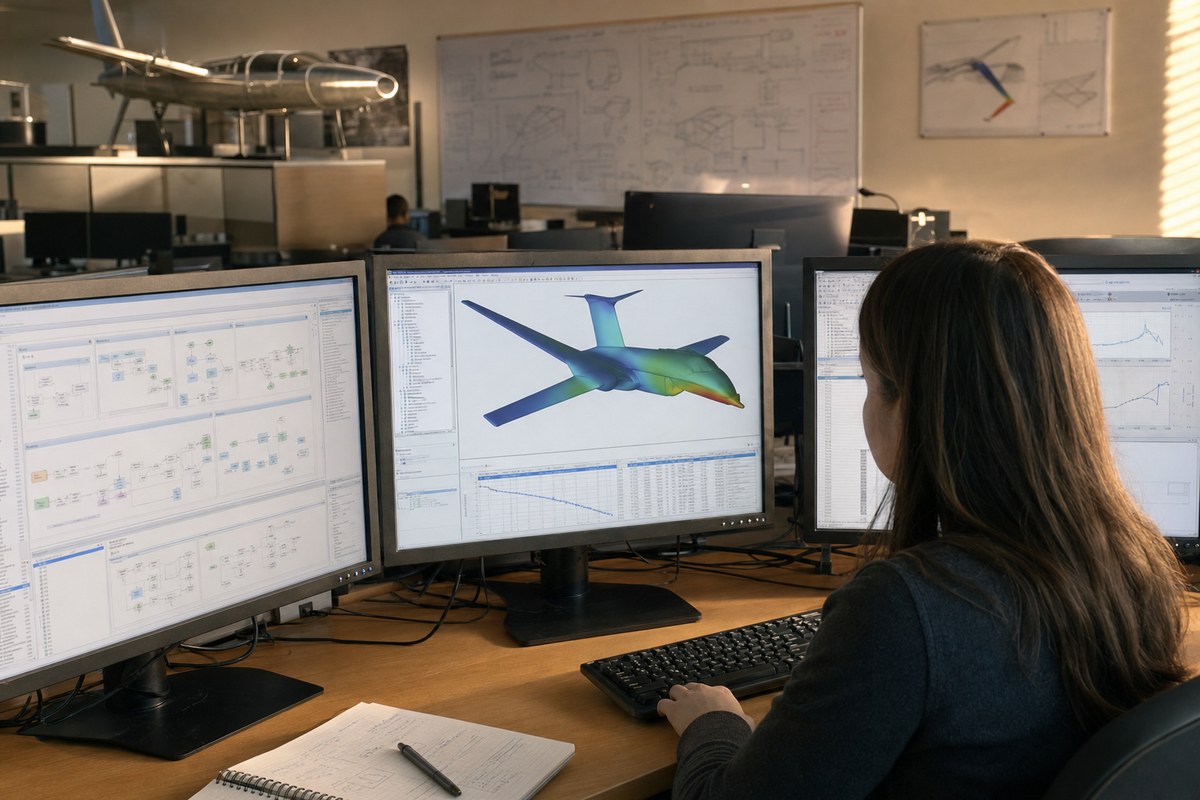
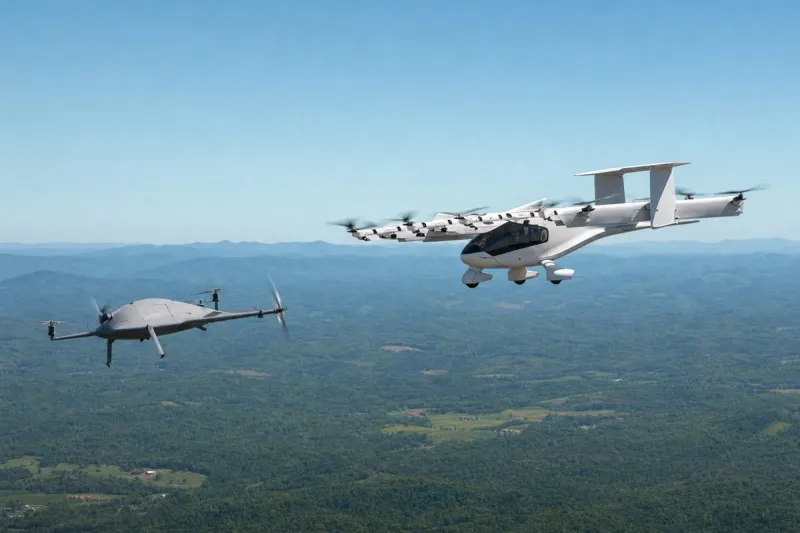
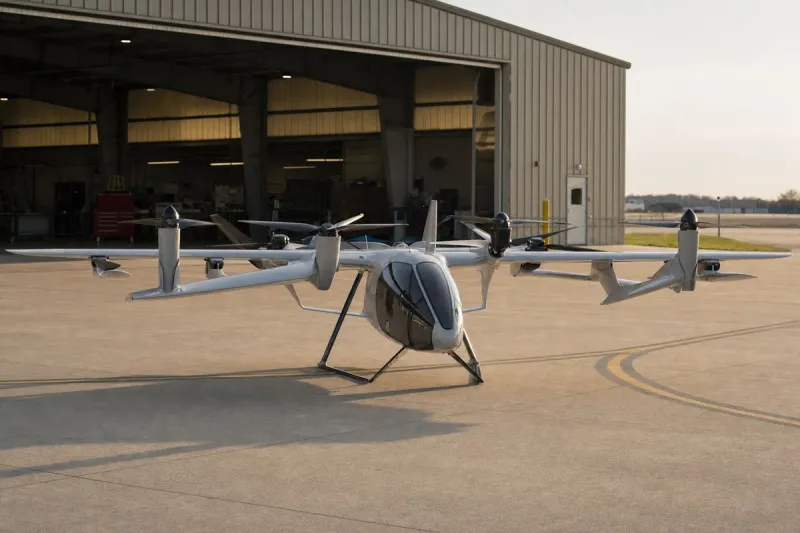
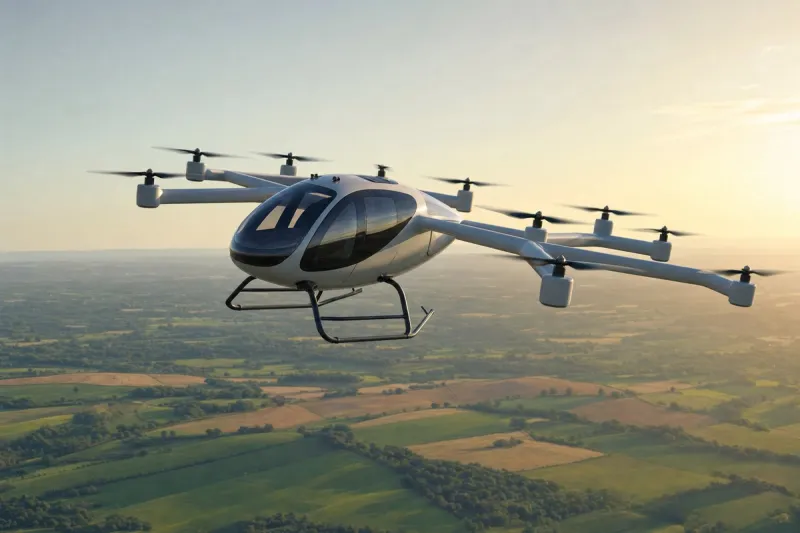
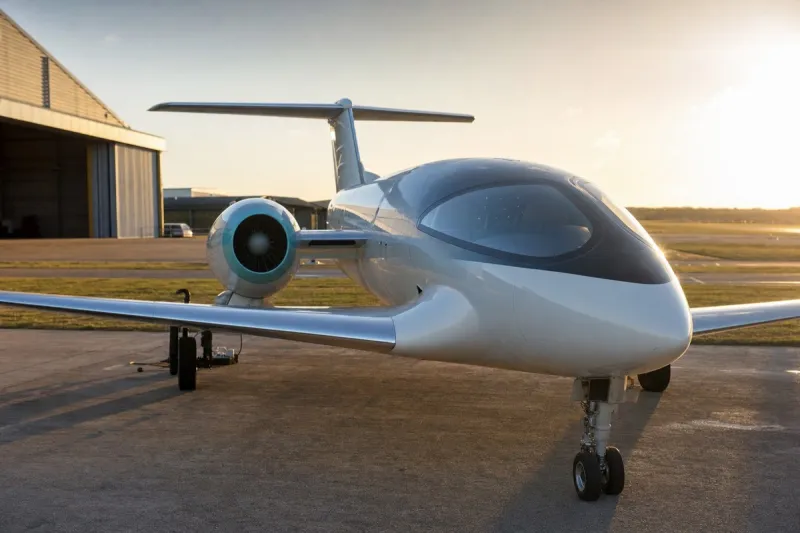
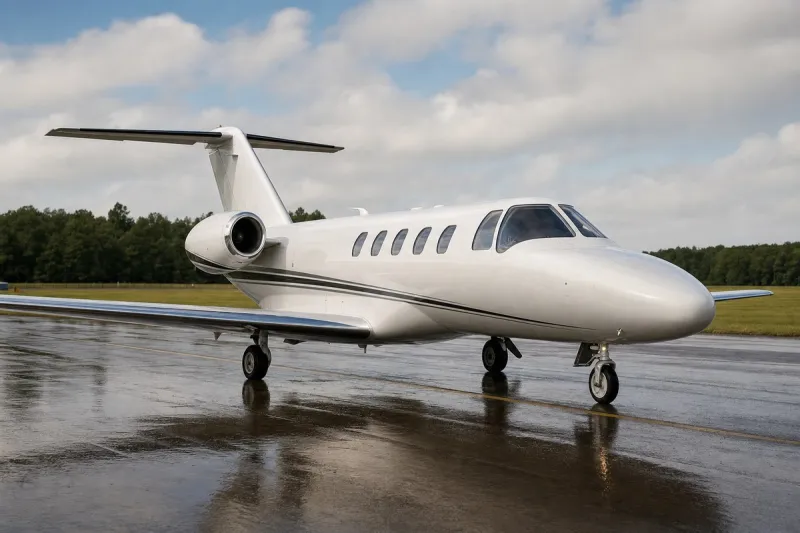
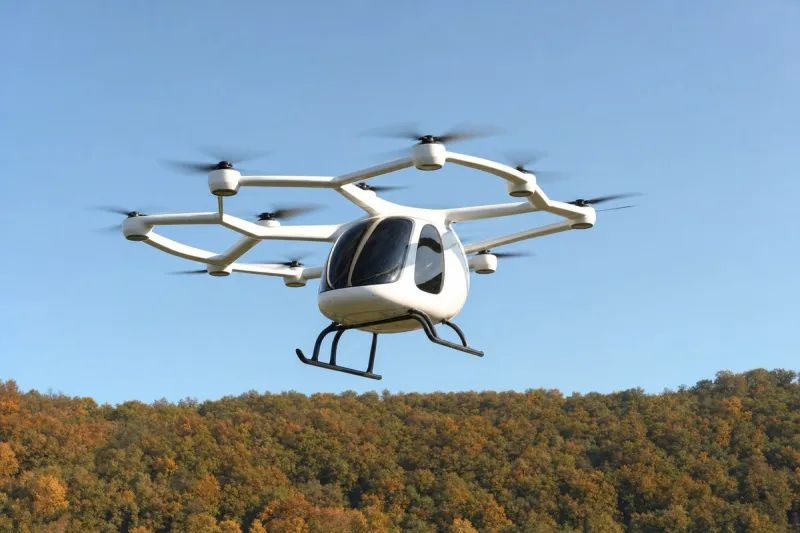
Electrified propulsion technologies, including hybrid-electric and distributed electric propulsion aircraft, have shown promise in reducing fuel use, emissions, noise and operating costs, but certifying them remains a significant hurdle. Darshan Sarojini, assistant professor of aerospace engineering and project lead, said managing uncertainty early in the design process is one of the greatest challenges, because redesigning components becomes increasingly expensive as development progresses, and emerging technologies have limited historical data and evolving regulations.
The project combines advanced computational design methods with experimental validation. Researchers will integrate model-based systems engineering and multidisciplinary design optimization approaches that traditionally operate in separate workflows. The team will use Virginia Tech's Mid-Atlantic Aviation Partnership, one of the nation's FAA-designated drone test sites, whose authorization and operational procedures for testing aircraft weighing more than 55 pounds allow designs to be evaluated under real-world conditions. Working with Auburn University and Tuskegee University, it will also support a verification and validation effort comparing simulation results with subscale flight-test data, to better understand how data from smaller test aircraft can inform larger designs.