UAE Sets Voluntary 1% Local SAF Goal for 2031; No Commercial Plant Operating as of 7 October 2026
Why It MattersUAE airlines meet binding SAF mandates at EU and UK airports while their home market relies on voluntary targets and optional incentives, leaving local SAF supply and demand unanchored by regulation.
The UAE Ministry of Energy and Infrastructure's General Policy for Sustainable Aviation Fuel, dated October 2023, sets a policy objective of about 700 million litres a year of production capacity by 2030 and a voluntary target that at least 1% of fuel supplied to UAE airlines at UAE airports comes from local SAF by 2031. Fee exemptions, reduced government fees and similar incentives are described as "optional and indicative" with no dates. No SAF mandate has been set; one is under assessment. The Ministry and the General Civil Aviation Authority lead, and airports must build facilities.
The UAE has said it could export at least half of the 700 million litres, and sales to markets such as the EU could bring in a cumulative $1.7 billion by 2030. At the Dubai Airshow in November 2025, Sharif Al Olama, the Ministry's undersecretary for energy and petroleum affairs, said the government was moving to the next phase of understanding the impact of a SAF mandate while remaining cautious about new mandatory requirements. An economic assessment is expected within a year, with meaningful progress by 2028.
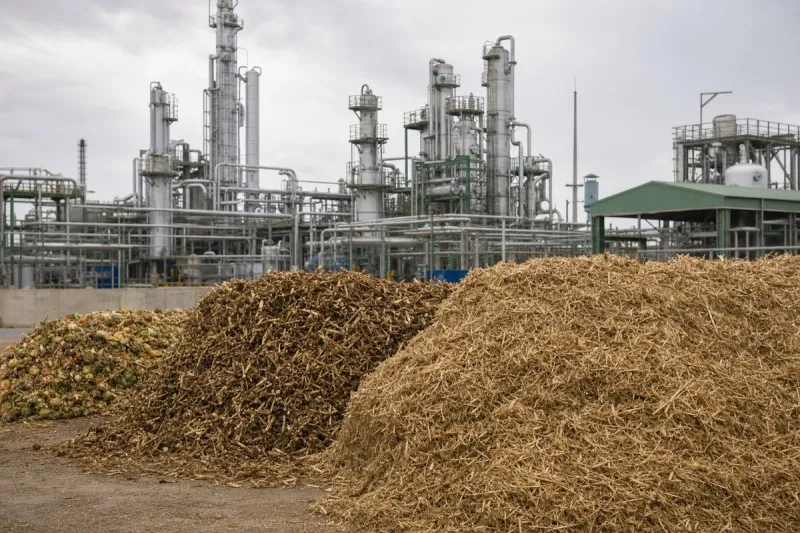
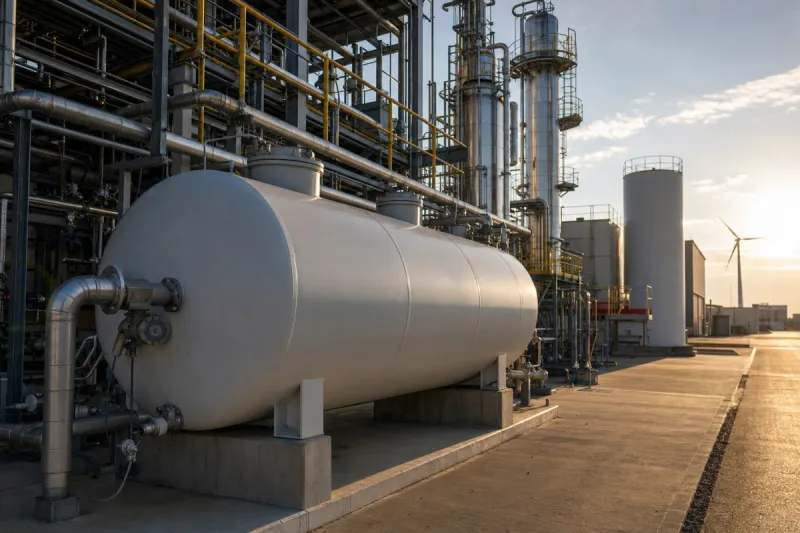
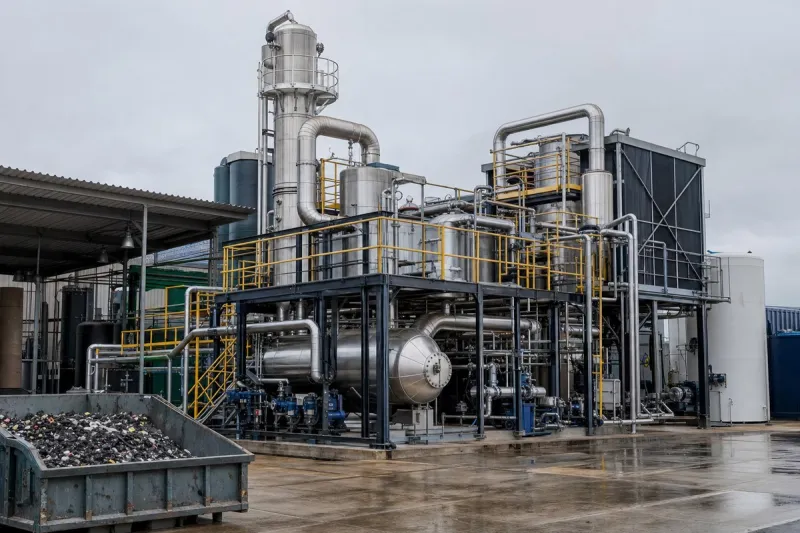
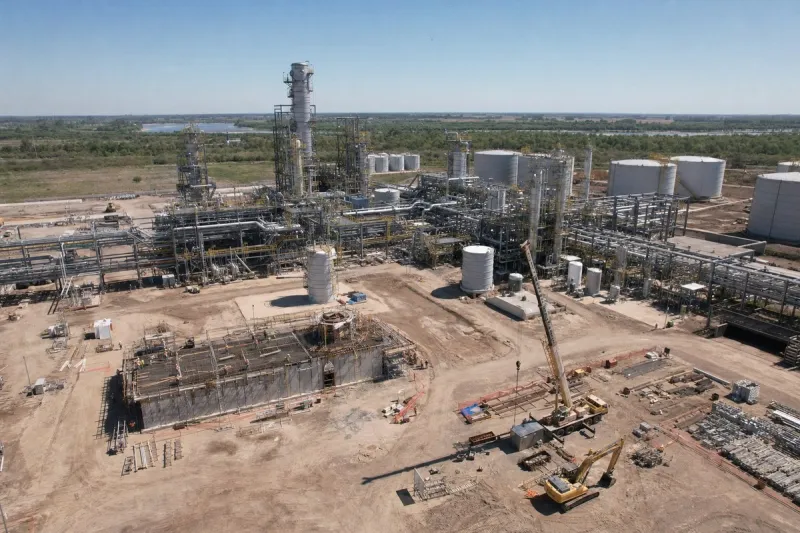
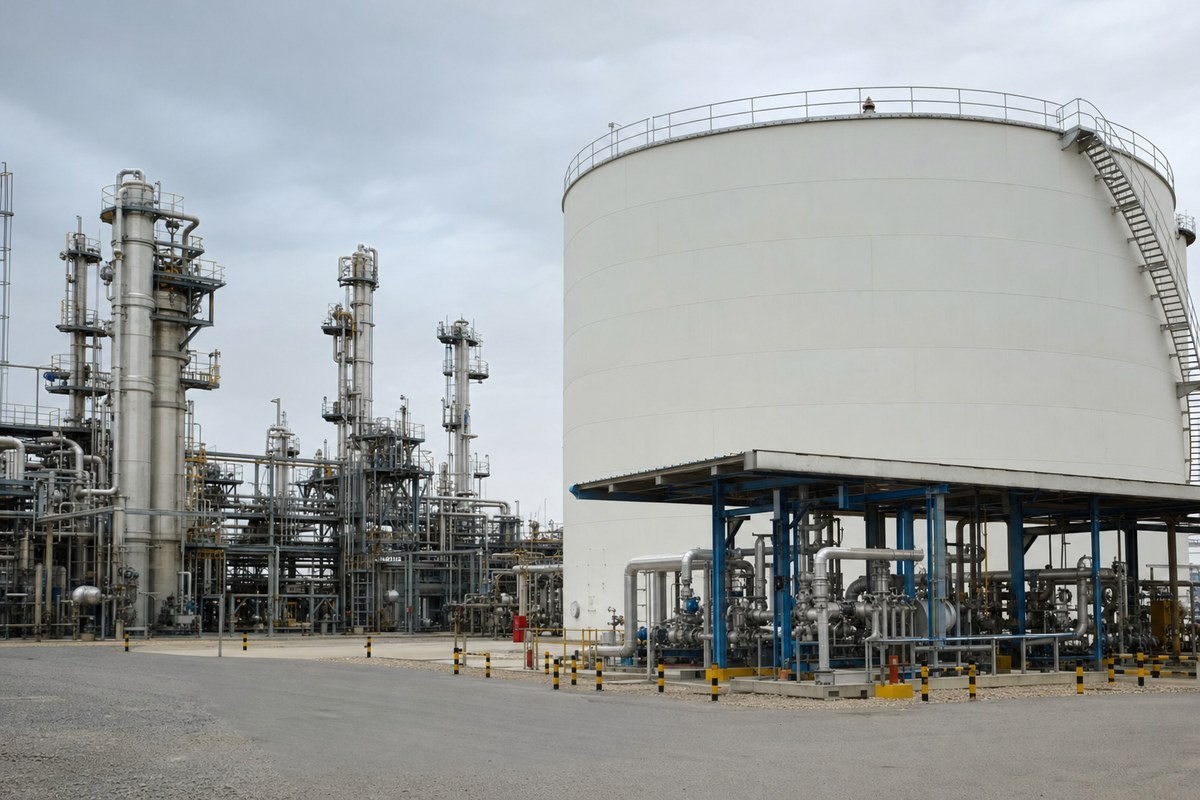
Four SAF projects are on the record, and only one has begun construction. The first commercial plant, in Fujairah, began implementation in November 2025 and is planned at 125 million litres a year for Phase I. Even if both Fujairah phases are built, they would cover about 36% of the 2030 objective, and no UAE commercial SAF plant was reported operating by 7 October 2026.
Emirates' named SAF purchases in 2024-25 were all outside the UAE. It procured 7,519 tonnes that year at airports including Amsterdam, London Heathrow, Oslo, Singapore, Paris, Lyon and Nice. Gulf News reported in July 2026 that it bought more than 28,000 tonnes in 2025-26, cutting emissions by more than 93,000 tonnes by the company's own figures, nearly four times the prior year. IATA estimated in June 2026 that global SAF would reach 2.4 million tonnes, or 0.8% of aviation fuel use, at a cost to airlines of $4.3 billion.
The UAE approach is softer and later than rules UAE airlines already meet abroad. ReFuelEU Aviation has required SAF to be 2% of fuel supplied at EU airports since January 2025, rising to 70% by 2050, with a separate 1.2% share of synthetic fuels from 2030. The UK mandate began at 2% in 2025 and rises to 22% by 2040. The bases differ: the UAE goal counts only locally produced SAF supplied to UAE airlines at UAE airports, while the EU rule covers all SAF supplied at its airports.