Argentina Extends 35-Airport Concession to 2049, Locks In $600 Million Ezeiza Investment With 75% Completion Required by 2031
Why It MattersLong-dated concession renewals increasingly tie extended operating rights to binding, milestone-based capital commitments outside incentive regimes, shifting construction risk onto the operator rather than the state.
What happened
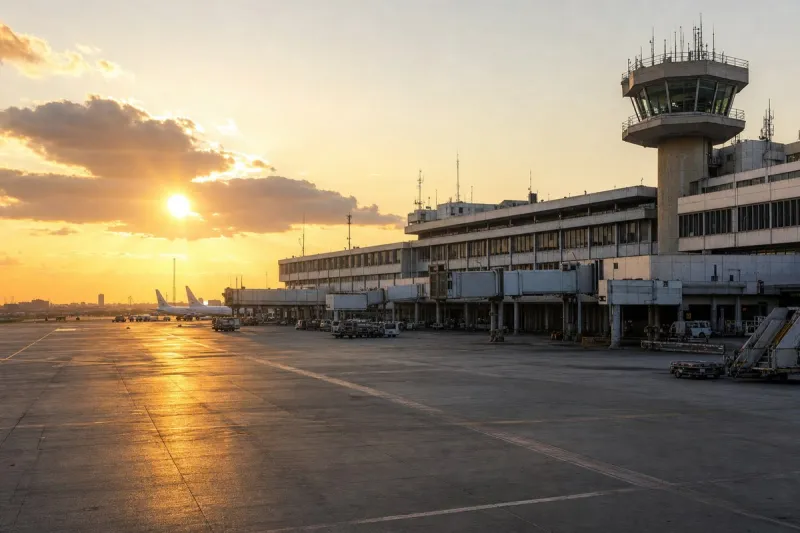
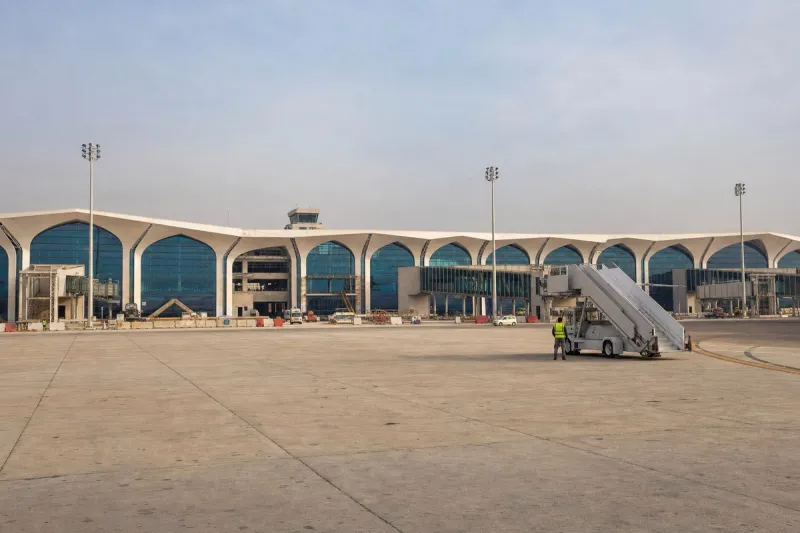
Argentina on September 28, 2026, finalized a renegotiated concession agreement with airport operator Aeropuertos Argentina, extending its control over 35 airports nationwide through February 13, 2049. The agreement requires Aeropuertos Argentina — controlled by businessman Eduardo Eurnekian through Corporación América Airports — to commit $600 million in new infrastructure investment focused entirely on Ministro Pistarini International Airport at Ezeiza. At least 75% of the committed construction must be physically completed before December 31, 2031, and the company must certify progress by June 30, 2027.
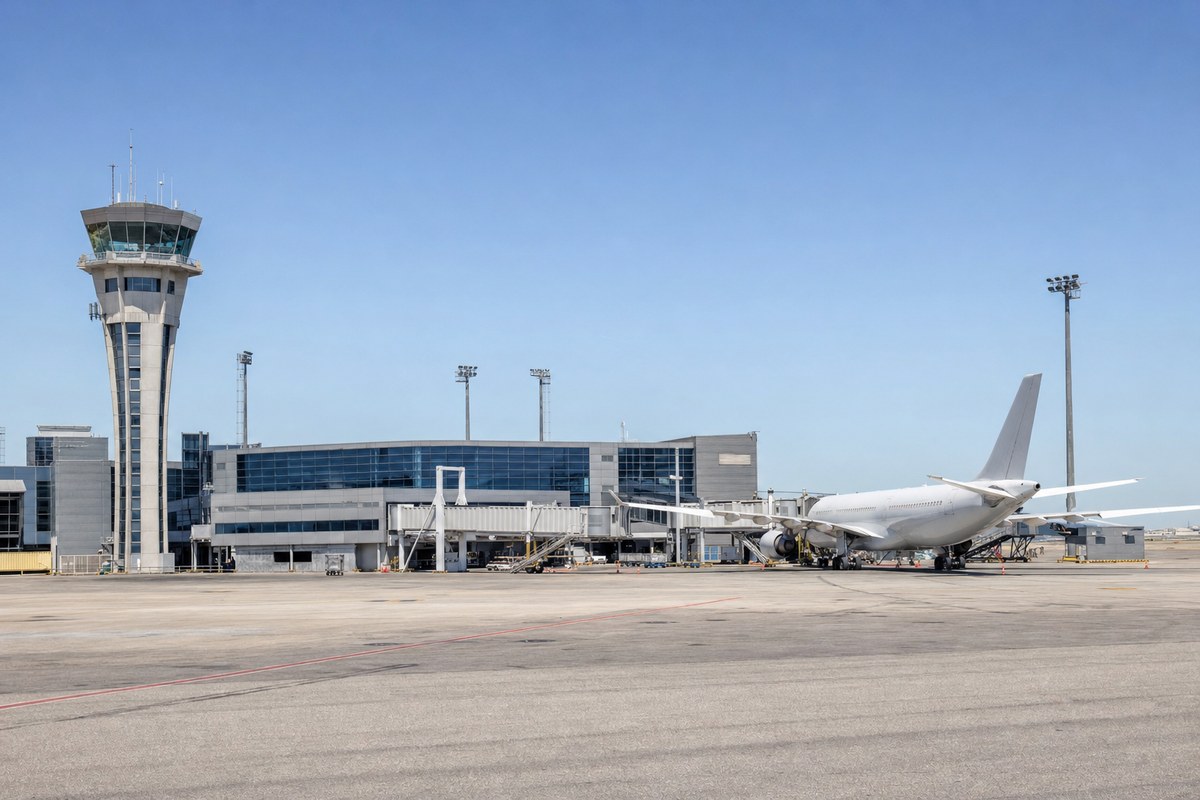
The $600 million obligation sits outside Argentina's Large Investment Incentives Regime (RIGI), meaning Aeropuertos Argentina must finance the works without access to the associated tax and regulatory benefits. Over the past five years, the company has accumulated more than $1 billion in investment across the network. A prior restructuring in 2020 — triggered by a 60% collapse in concession revenue between 2019 and 2020 — extended the original contract by roughly a decade and required approximately $606 million in new investment, all of which has since been delivered.
Ezeiza handled 12 million passengers in 2025, a 5.1% increase over the prior year. Thirty-one airlines currently operate there, serving 55 international and 35 domestic destinations. International aviation across Argentina grew 13.2% in 2025 year-on-year, while airports outside the Buenos Aires metropolitan area recorded international passenger growth of approximately 43% in mid-2025 compared with the same period in 2024. By November 2025, roughly 46 million people had traveled through Argentine airports for the calendar year — about 12% more than the same period in 2024.
Running alongside the concession extension is a separate federal program channeling more than $500 million into 13 airports across 11 provinces through a public-private arrangement between ORSNA and Aeropuertos Argentina, covering 15 infrastructure projects. A first phase completed in 2025 delivered $156 million in finished investment across seven airports, including work at San Juan, Viedma, Comodoro Rivadavia, Termas de Río Hondo, Río Cuarto, Aeroparque, and Ezeiza.
Runway work disrupts Ezeiza in the near term
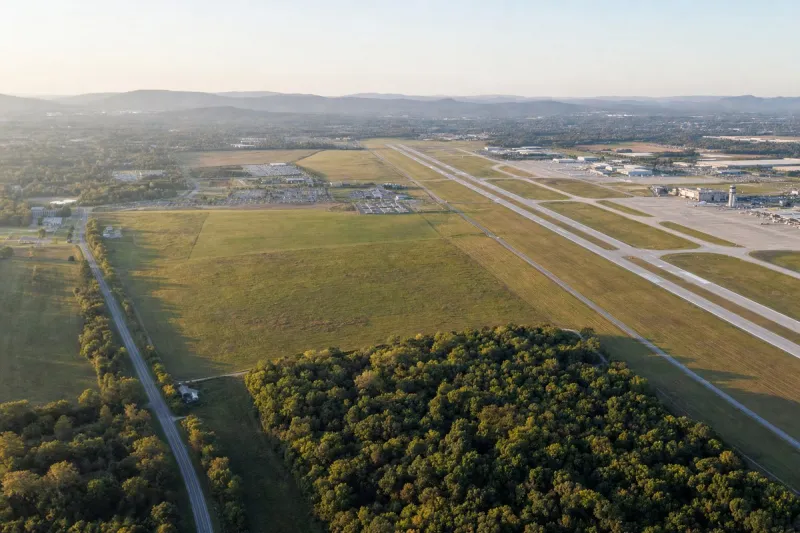
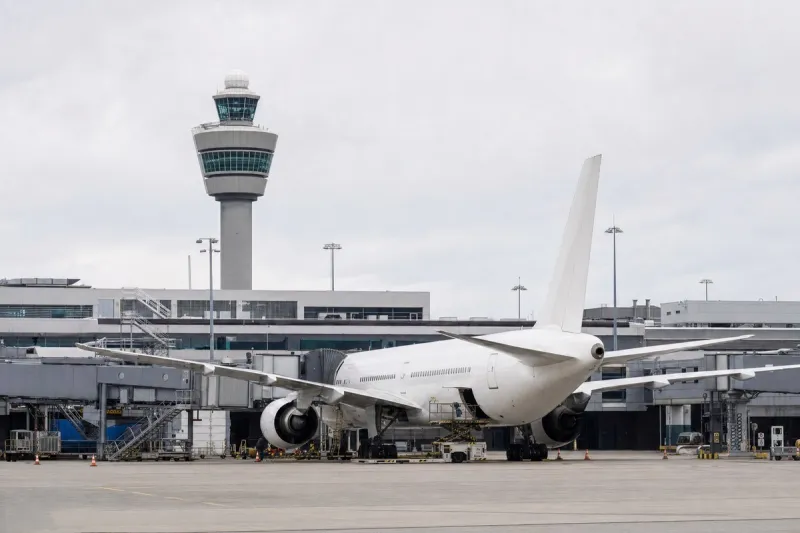
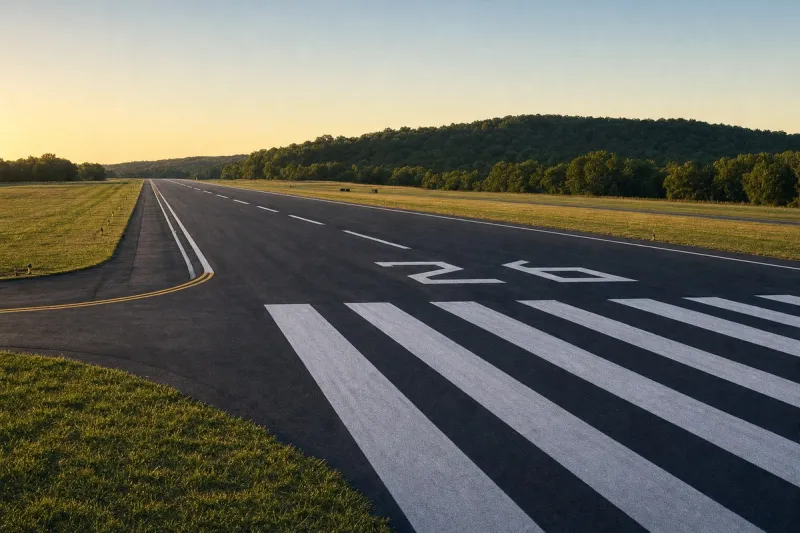
A $110 million project to resurface and maintain secondary runway 17-35 and its intersection with the main runway will limit Ezeiza to a single runway for 18 days between October 25 and November 11, 2026. Available runway length will be temporarily reduced from 3,300 meters to 1,850 meters during that window. The reduced length primarily affects long-haul and wide-body aircraft such as the Boeing 777, Boeing 787, and Airbus A350, which cannot take off at maximum weight on the shortened strip.
Industry impact & what to watch
The structure here — a long concession extension paired with a capital commitment excluded from the country's main investment-incentive regime — places financing risk squarely on the operator rather than on public incentive programs. Pairing a hard completion milestone (75% physically built by December 31, 2031) with an earlier certification checkpoint (June 30, 2027) gives the grantor two points to measure delivery well before the concession's distant 2049 endpoint, rather than relying on the operator's word alone.
Concessions of this length typically work by trading decades of operating certainty for front-loaded, verifiable capital obligations, since a government cannot otherwise compel investment once traffic and revenue recover. The 2020 precedent — a revenue collapse followed by a decade-long extension and a since-completed $606 million program — suggests the grantor has used this mechanism before and tracked it through to delivery.
The near-term runway closure at Ezeiza is the more immediate operational test: wide-body carriers flying the Boeing 777, Boeing 787 and Airbus A350 will need to manage payload or routing during the 18-day single-runway period in late October and November 2026. Whether the broader $600 million Ezeiza program and the parallel $500 million multi-airport initiative stay on schedule will show up first at the 2027 certification checkpoint.