Pentagon Reprograms $200 Million for Bell MV-75 After Stop-Work Order and Textron Self-Funding
Why It MattersThe episode shows a prime contractor carrying early development cost on a major military aircraft program while budget approvals lag, a funding pattern that places cash-flow risk on manufacturers.
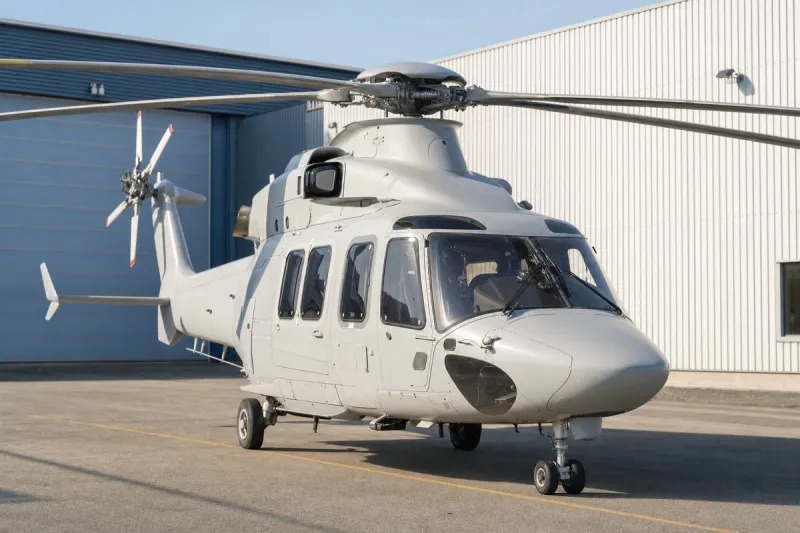
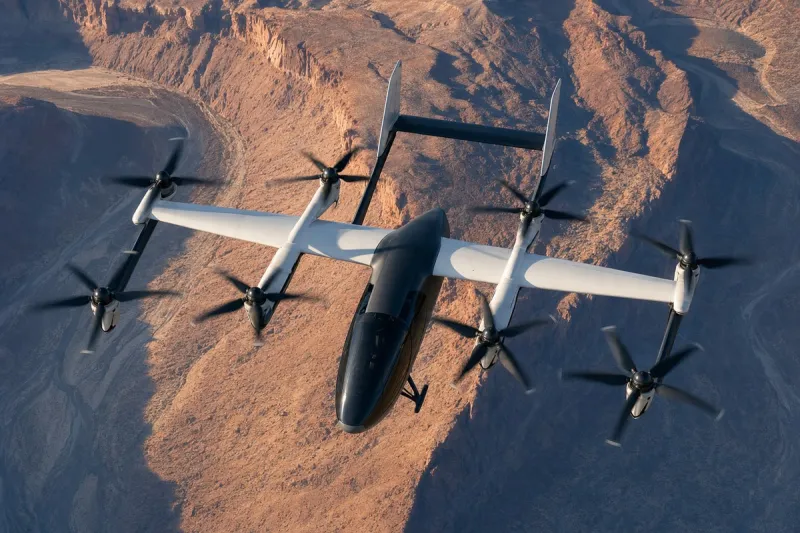
Two days before the fiscal year ended, the Pentagon applied $200 million in reprogrammed funding to the Bell MV-75 program, after Textron had been forced to spend internal funds to keep the effort going. The program faced a stop-work order in July as funding ran out, and the Pentagon that month requested approximately $230 million in fiscal 2026 funds for it. In a Sept. 28 notice, the department wrote that although the $230 million was approved in July, "Insufficient resources were approved to finance the requirement." As a result, $200.246 million was reprogrammed to the Army's Future Long Range Assault Aircraft effort.

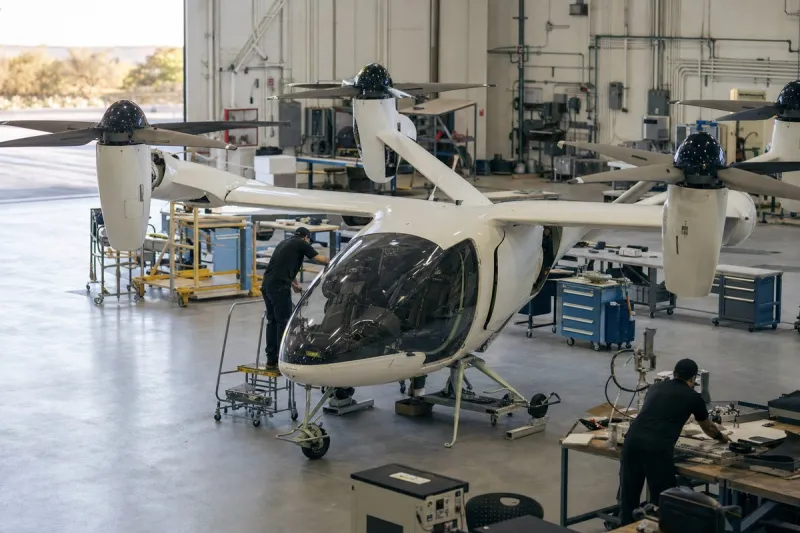
The Pentagon said the funds were required to continue development, testing and building of eight MV-75 prototypes in preparation for production in fiscal 2028. The program is expected to complete critical design review in fiscal 2026. It faced cost increases from the prime vendor and critical suppliers.
With the stop-work order looming, Textron CEO Lisa Atherton said on a July earnings call that the company would self-finance certain parts of the aircraft to keep it on schedule, calling continuing in the best interest of the program's long-term health. Chief Financial Officer Dave Rosenberg said that absent reprogramming, the company faced reduced full-year results of 20-30 cents per share and a potential cash impact of $150 million to $250 million.