Trump Leaves Door Open to U.S. Strikes After Houthi Missile Hits Riyadh Airport, Killing 13
Why It MattersMissile strikes on a major Gulf airport and a Houthi threat to Red Sea shipping lanes raise operating-risk questions for business aviation and charter flights into and across the Gulf.
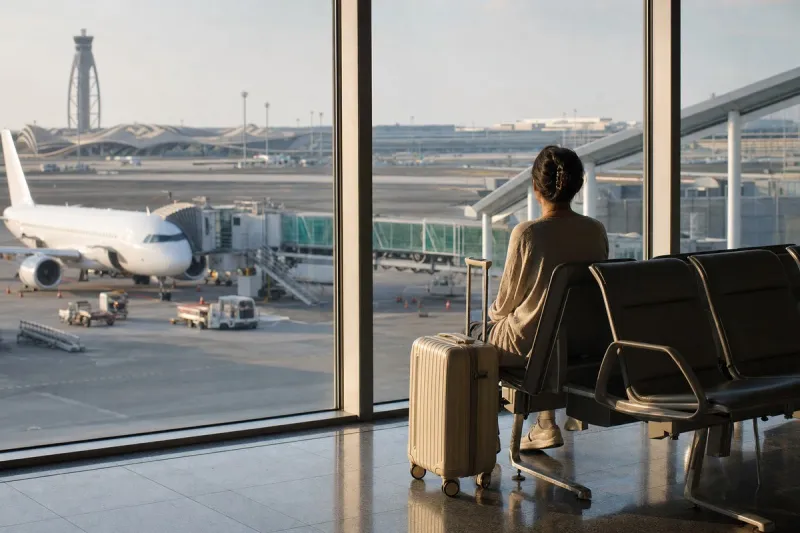
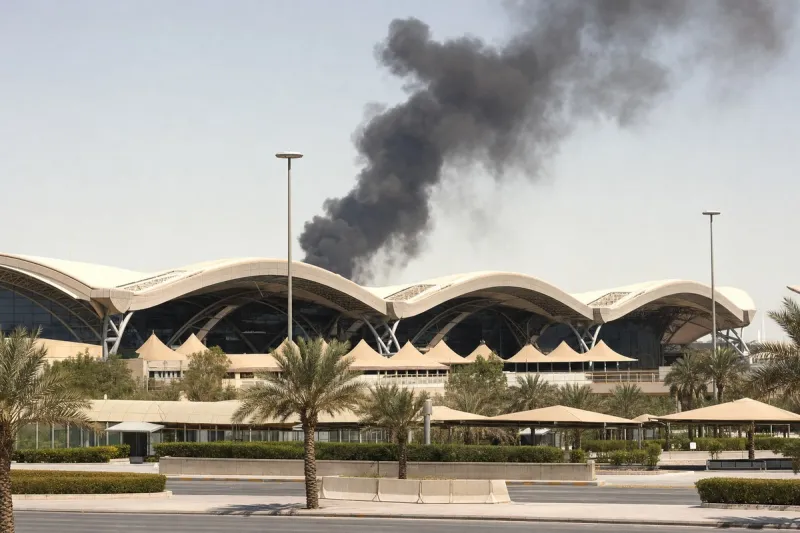
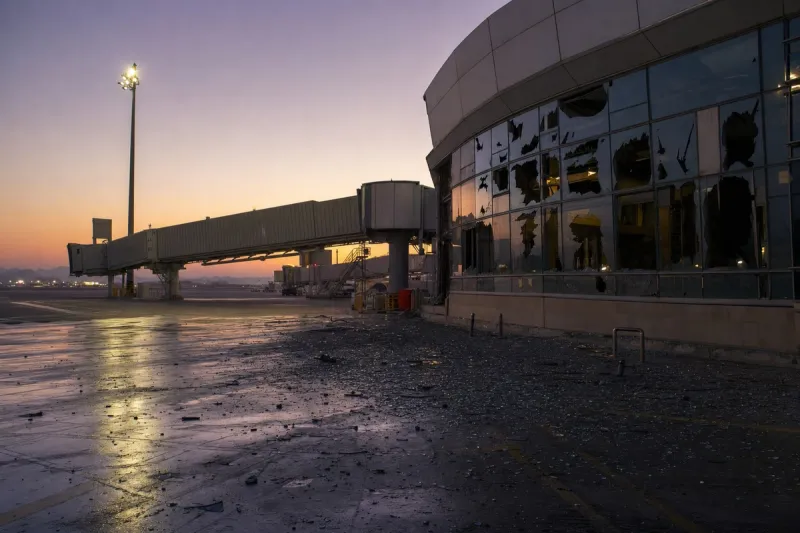
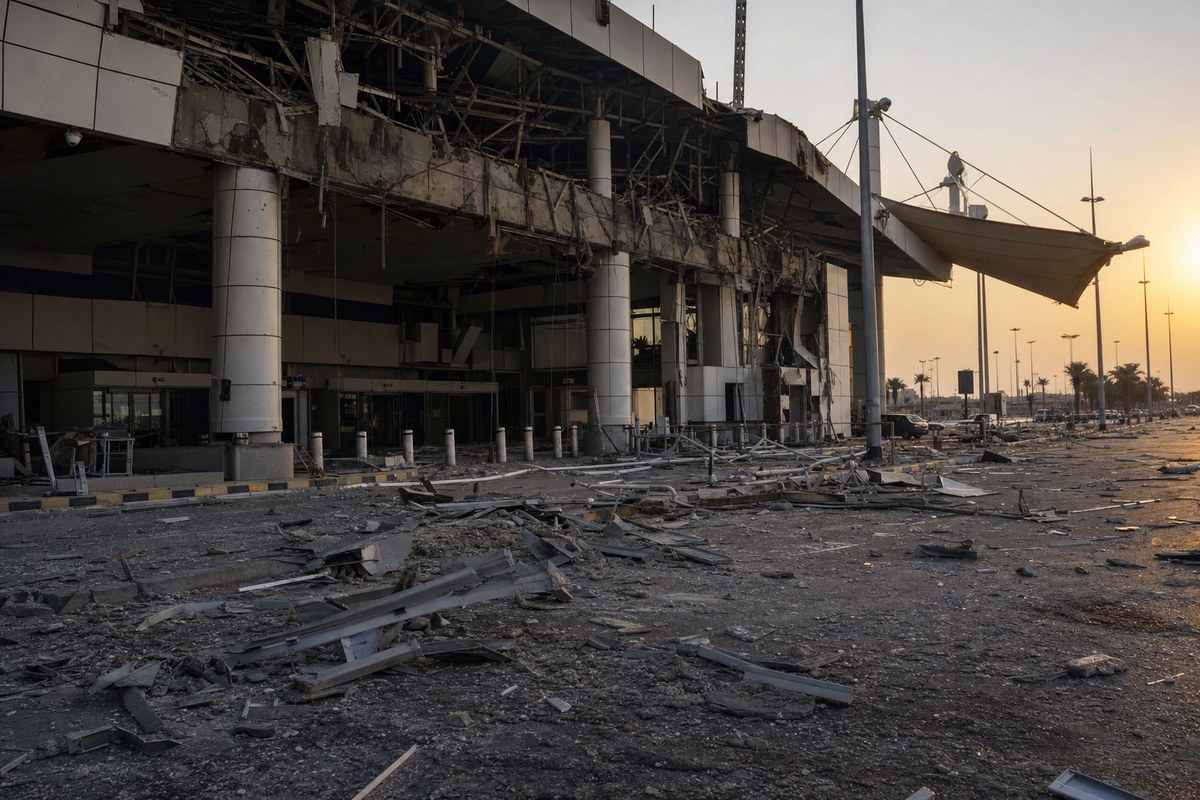
President Donald Trump has left open the possibility of U.S. strikes on Yemen's Houthis after a Houthi missile hit a passenger terminal at Riyadh's King Khalid International Airport on Saturday, killing 13 people, including an American, and wounding more than 300. Asked whether the U.S. would join Saudi strikes, Trump said: "We may." A second deadly strike hit the airport on Sunday, and Saudi officials have been seeking answers on why their air defenses failed.
The decision follows earlier refusals. Twice in the previous month, Trump rejected pleas from Saudi Crown Prince Mohammed bin Salman to bomb the Houthis, who were attacking oil fields and had seized key areas along the Red Sea shipping route. In September, Trump instead gave Riyadh intelligence and targeting data, with officials telling the Saudis his directive was to keep U.S. forces focused on Iran and the Strait of Hormuz. U.S. officials said Washington would not take military action as long as the Houthis did not interrupt non-Saudi ship traffic in the Red Sea.
Axios, citing two U.S. officials, reported that over the weekend Trump consulted senior advisers after the Saudis again asked for military action. One official said CENTCOM commander Adm. Brad Cooper prepared airstrike options and presented them to Defense Secretary Hegseth on Saturday, but Trump decided to hold off for now. Alex Plitsas of the Atlantic Council said the president did not want to risk the Houthis putting Bab el-Mandeb at risk and creating a second chokepoint that would push oil prices higher.
With Hormuz choked, Saudi Arabia relies on a pipeline to its Red Sea port of Yanbu, and the route to Asian buyers passes Bab el-Mandeb, where Saudi-backed forces are battling to reverse a Houthi advance. The Iran war, now in its eighth month, is stalled, with a U.S. blockade of Iranian ports continuing and Trump having promised no new strikes on Iran before the November 3 midterms.