Virginia Tech's Smart Airspace Project Flies Two Experimental Aircraft on New Southwest Virginia Routes and Vertiports
Why It MattersLow-cost vertiports tested outside conventional airports point toward advanced air mobility networks reaching towns that lack runways, though flights remain under experimental licenses rather than full FAA certification.
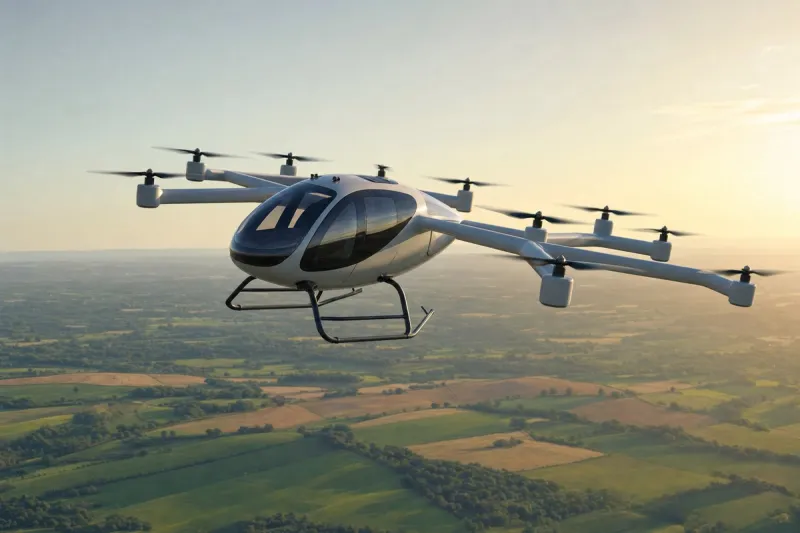
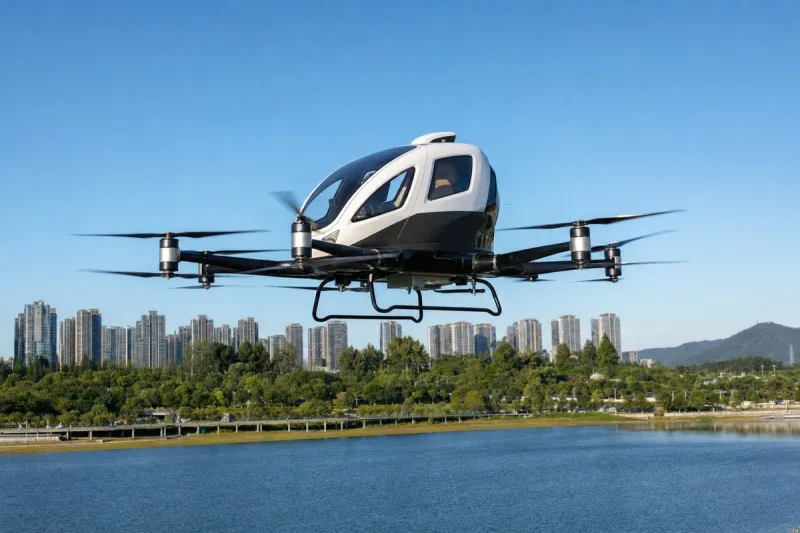
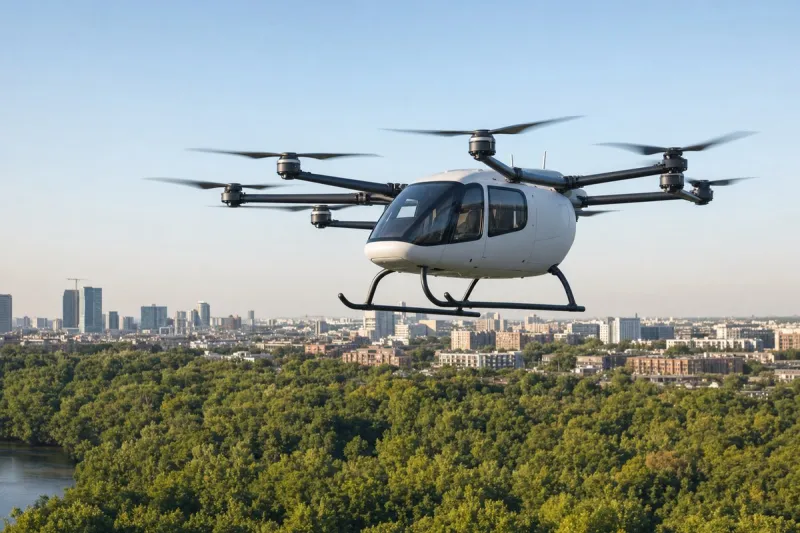
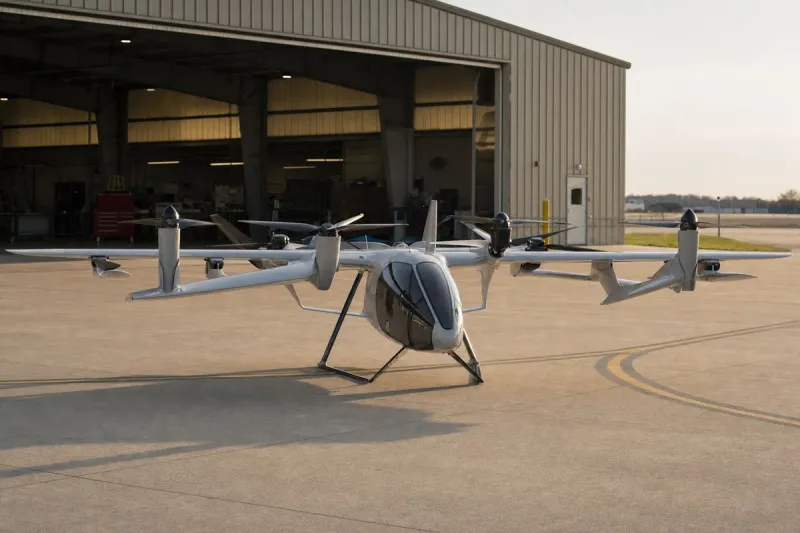
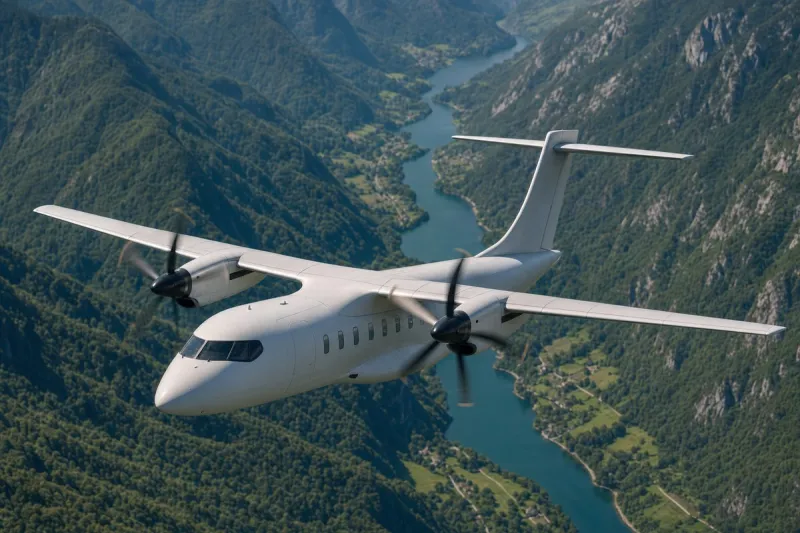
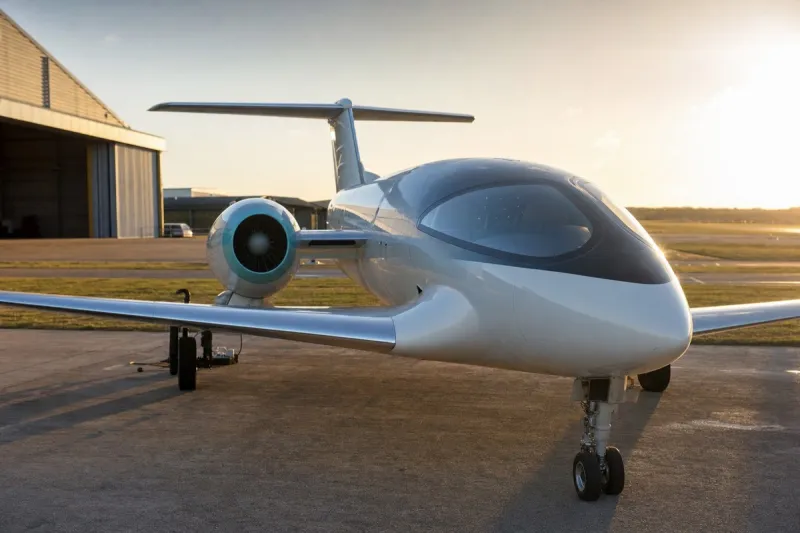
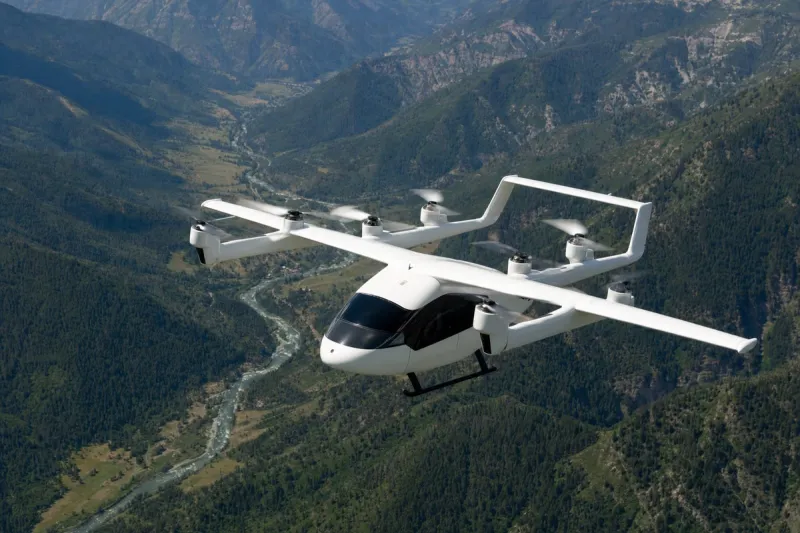
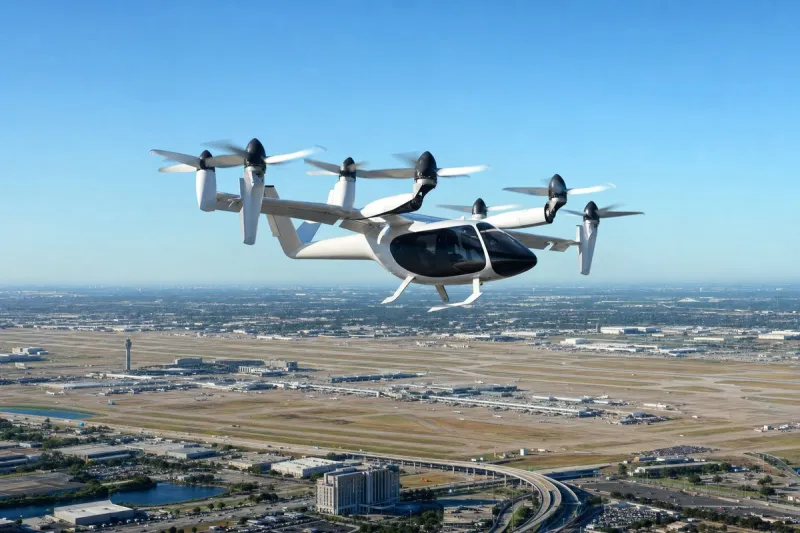
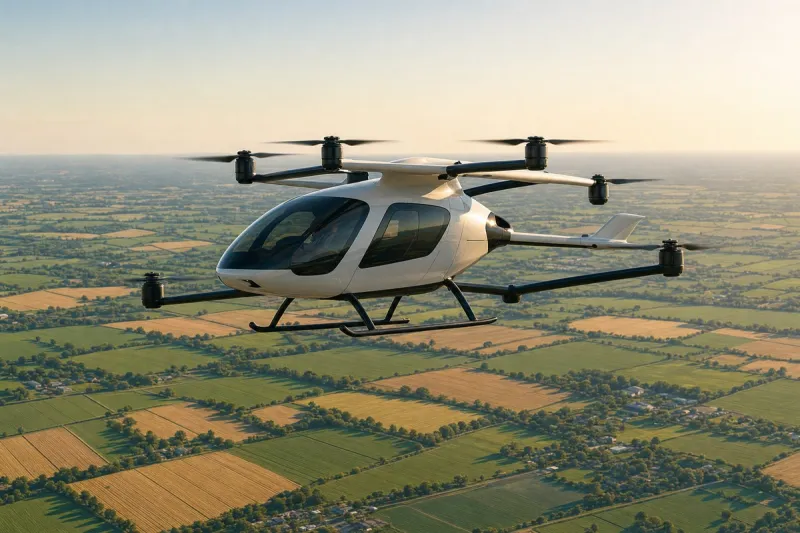
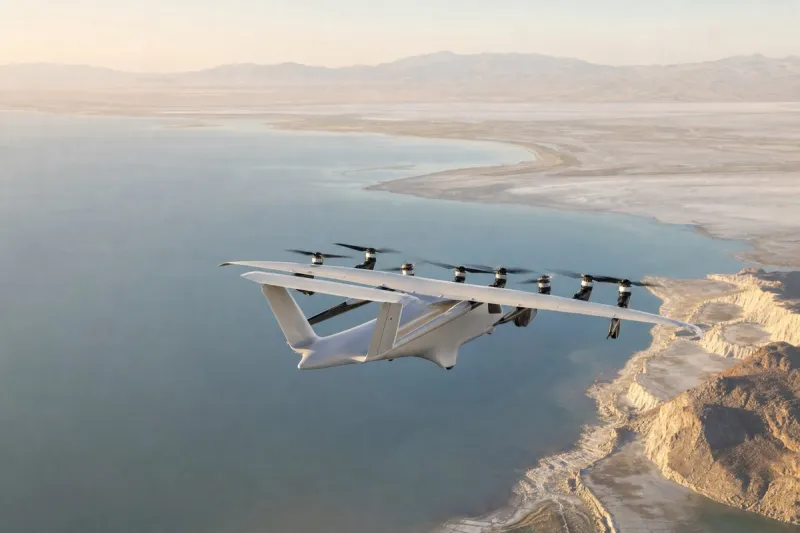
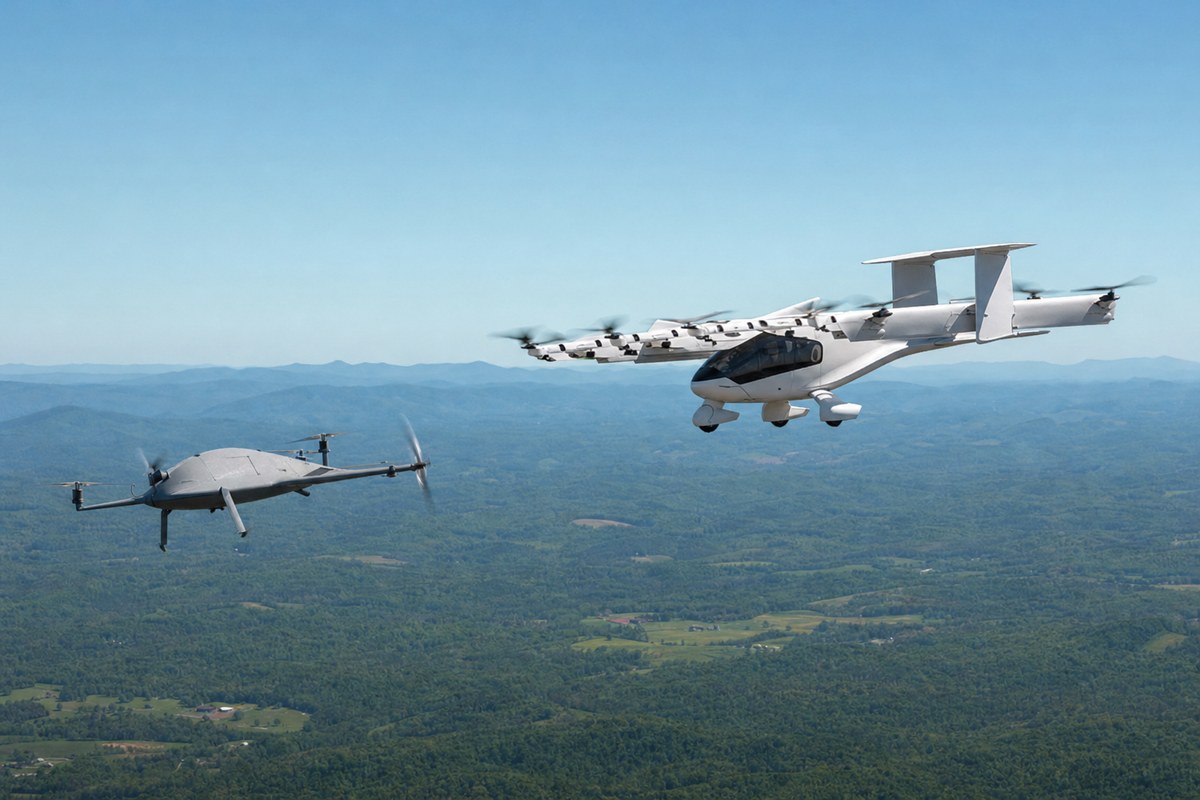
Virginia Tech's Mid-Atlantic Aviation Partnership flew two experimental aircraft in Southwest Virginia this summer as part of a project called Smart Airspace. The aircraft were the Textron Systems Aerosonde Mk. 4.7, a fully autonomous aircraft that takes off and lands vertically before transitioning to forward flight, and the Electra EL2 "Ultra Short," a hybrid-electric, fixed-wing passenger aircraft whose "blown wing" design gives it a very slow stall speed and allows very short takeoff and landing distances. Both landed on newly built flight routes and at vertiports, scaled-down landing pads.
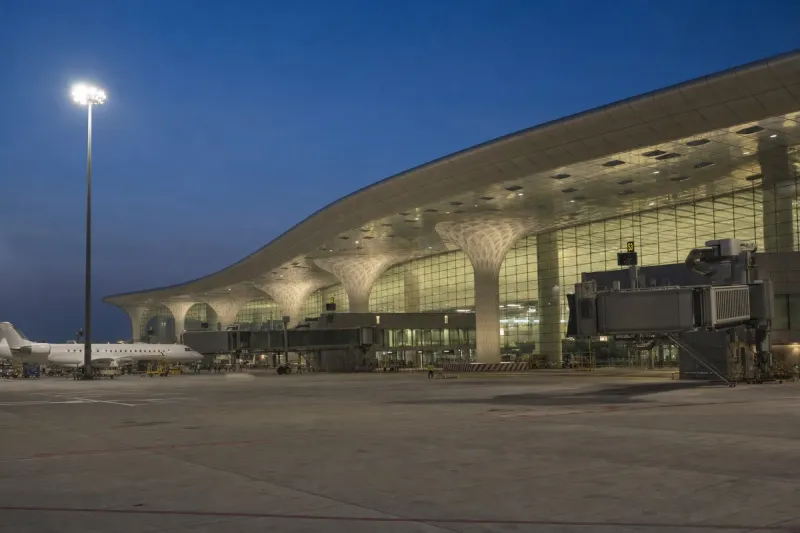
At the request of the Federal Aviation Administration (FAA), the partnership tested three scenarios: a standalone vertiport at Allen C. Perkinson Airport in Blackstone, a busy established airport in Roanoke, and a non-airport, urban-style site at the Virginia Tech Transportation Institute. The Roanoke vertiport used in the demonstration is shorter than a football field. Partnership director Tombo Jones said a vertiport would cost a fraction of an airport, so towns without airports could build one. He also said advanced air mobility aircraft could bring services such as rural clinics to underserved areas.
Jones said the project creates no new regulations and operates within the FAA's existing framework. The flights operate under an experimental license and have not received full FAA certification. They are connected to the federal eVTOL Integration Pilot Program, part of the national Advanced Air Mobility strategy released at the end of 2025; the project is a multi-state partnership with the application led by Pennsylvania alongside Virginia. Jones said he could not confirm whether the flights count toward the strategy's 2027 "initial operations" milestone or speak to FAA certification timing.
The next phase, Smart Airspace 2.0, will expand the network to new parts of Virginia and develop procedures for busier, more congested airspace near major airports. The project is funded by the Virginia Department of Aviation and the Virginia Small Aircraft Transportation Systems Lab, and flight procedures were developed by NAVOS.