Virginia Aviation Officials Detail Airport Infrastructure Push for Advanced Air Mobility
Why It MattersPreparing existing community airports, rather than building new vertiports, points to state aviation agencies shaping where electric and eVTOL aircraft can operate, using power and connectivity upgrades as the entry requirement.
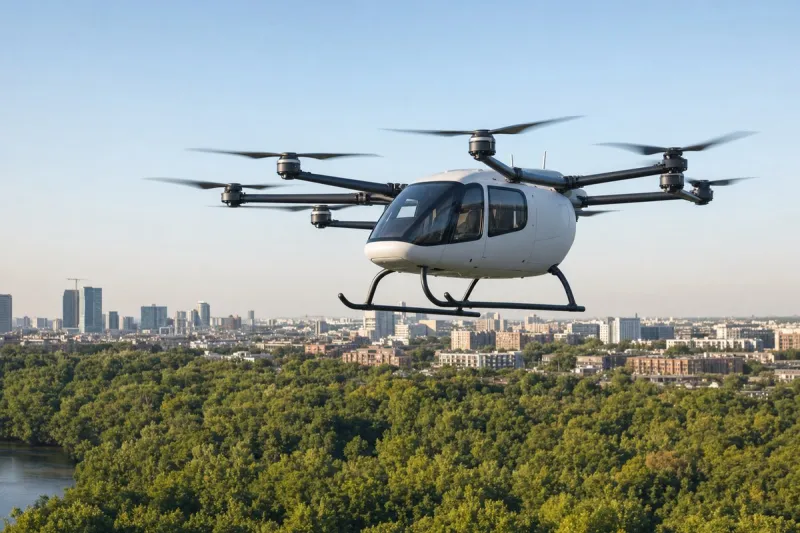
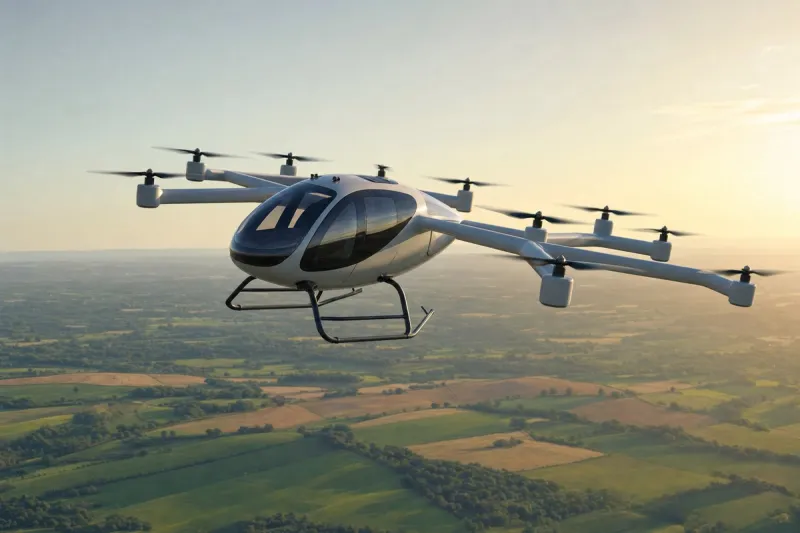
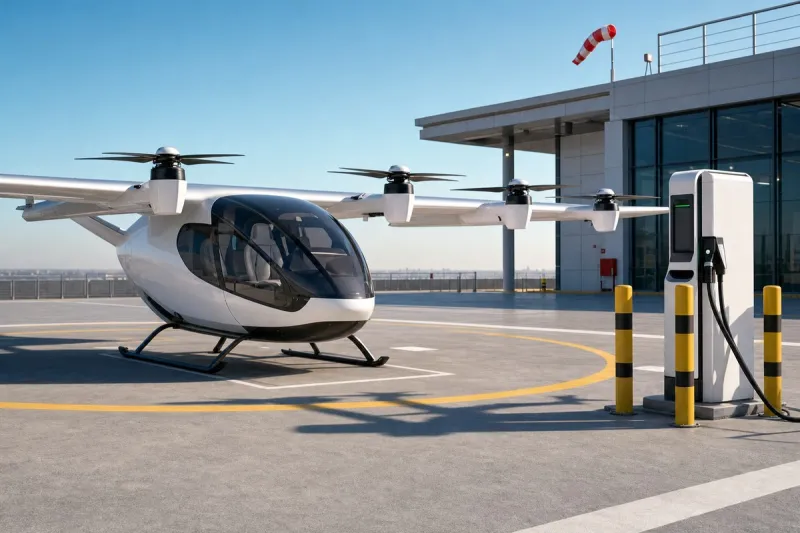
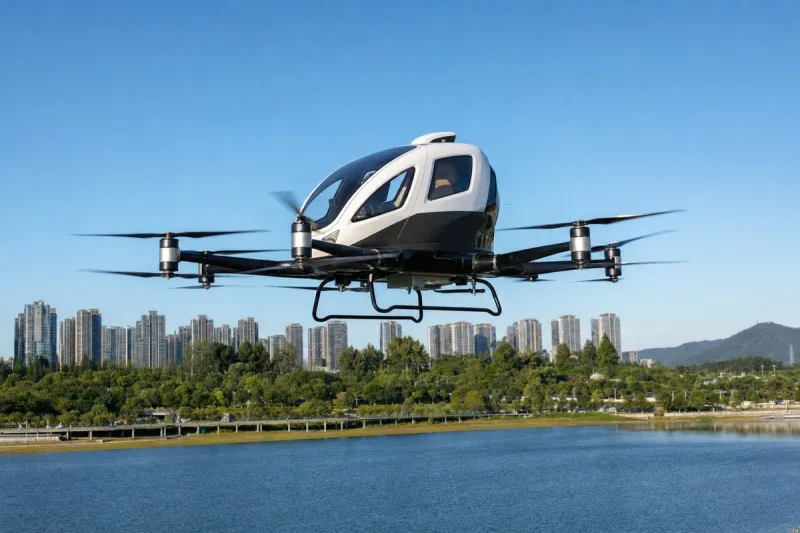
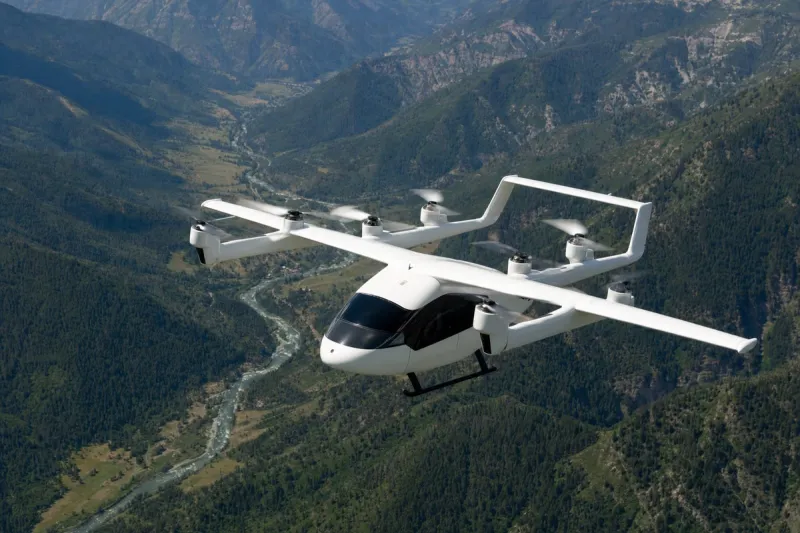
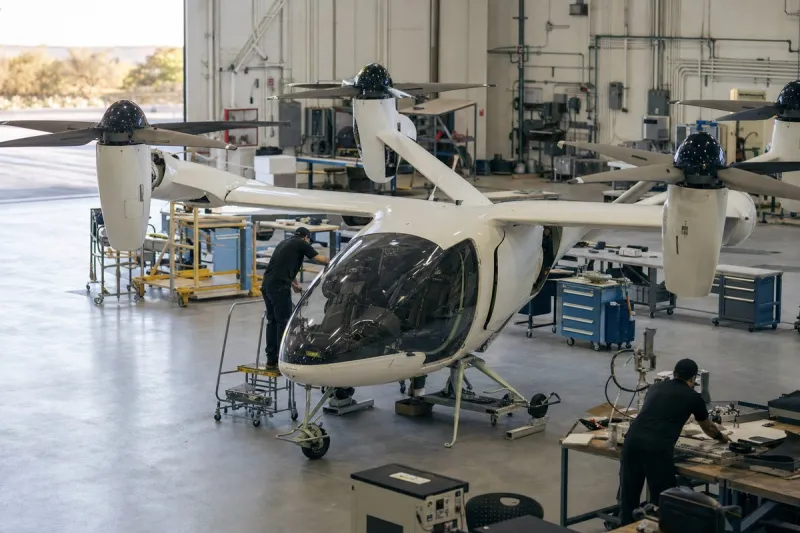
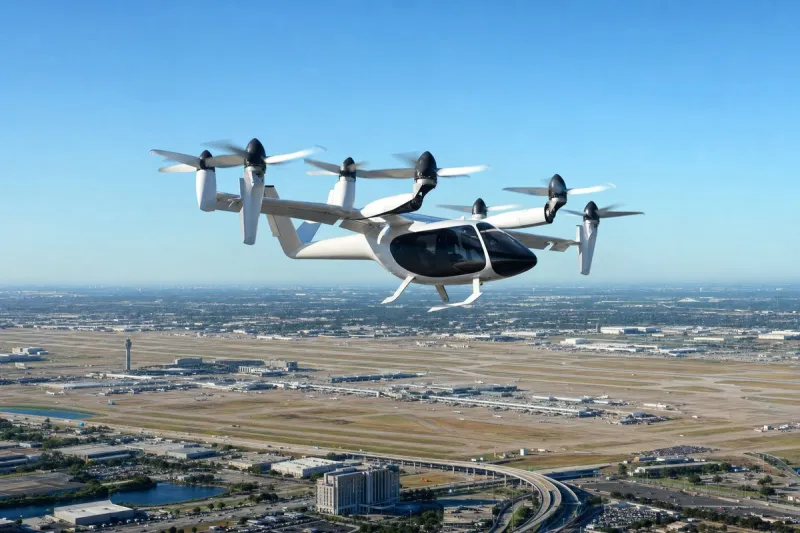
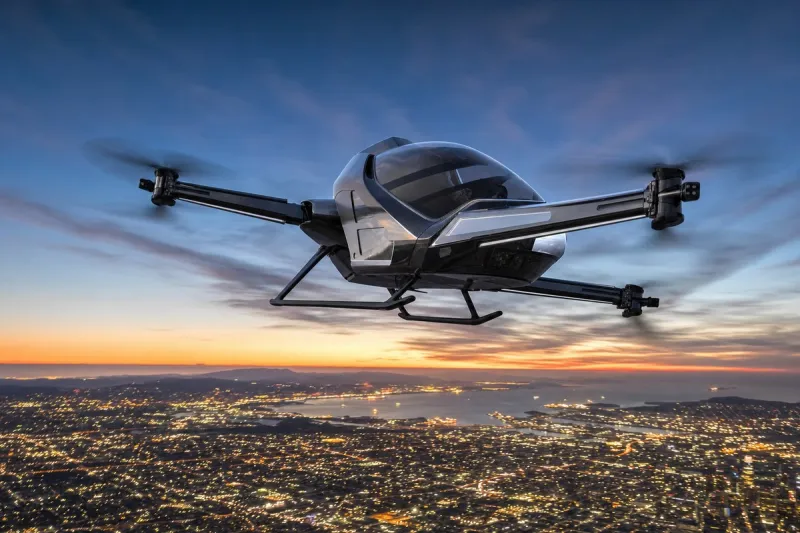
Virginia Department of Aviation (DOAV) Director Greg Campbell and Scott Denny, the agency's first senior program manager for advanced air mobility (AAM), discussed the Commonwealth's preparations for AAM in an interview with VEDP Managing Director of Aerospace and Defense Innovation Graham Griffith, published in the Virginia Economic Review, Third Quarter 2026. Denny described AAM as new aviation technologies, including electric aircraft, eVTOL aircraft, ultra-short takeoff and landing aircraft and drones, that are being integrated into the national airspace system. He said DOAV's primary role is infrastructure: working with localities on measures such as updating zoning ordinances to allow takeoffs and landings and providing sufficient electrical power at community airports. He added that AAM original equipment manufacturers have told DOAV they want to operate from Virginia's existing airport system.
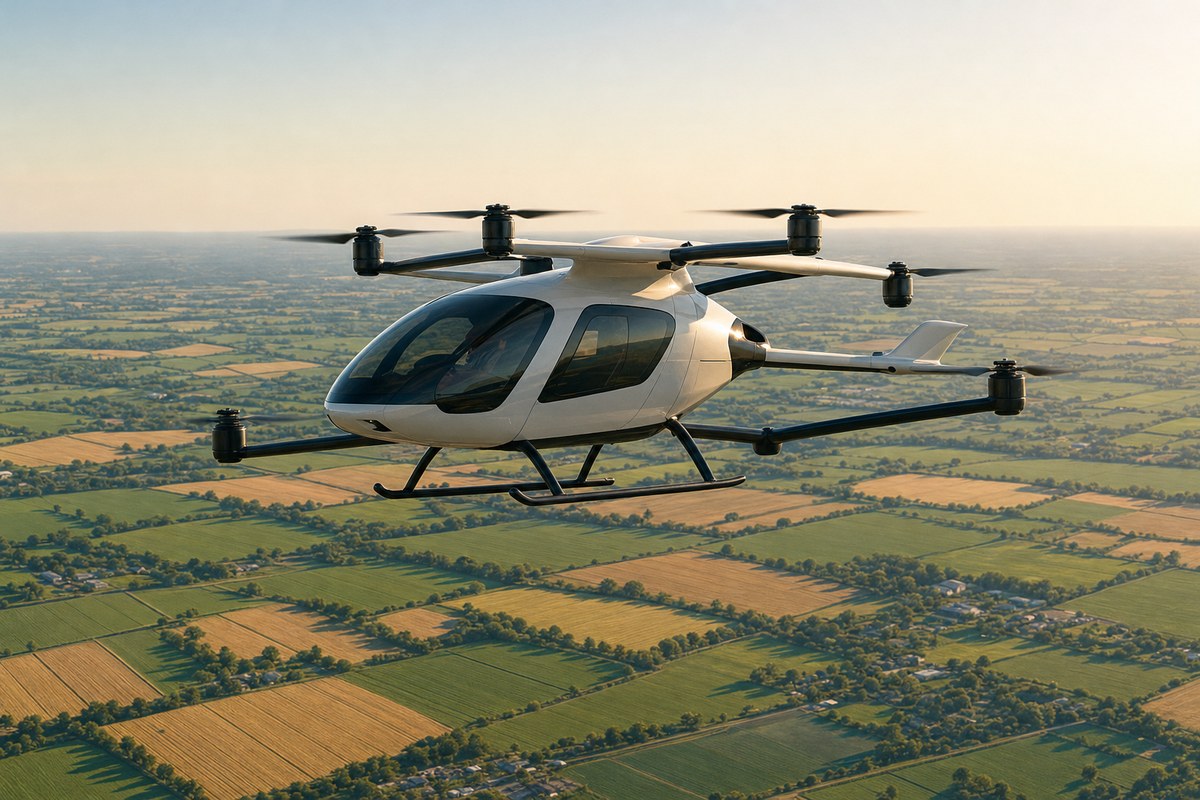
Denny noted that traditional single-engine aircraft typically need a 2,000–5,000-foot runway, whereas some eVTOLs can use a vertiport or heliport, which the FAA identifies as typically about 50 by 50 feet. Campbell said DOAV created a grant program to bring all 65 public-use airports up to the three-phase power standard needed for future aircraft, and ran a program to add broadband connectivity at the airports to support navigation and communication systems. He said about 93–94% of Virginia's population lives within 30 minutes of an airport, and that DOAV expects some new facilities may be needed later and is assessing existing gaps. Some of the 65 airports that lacked commercial service because of runway length or other limits may benefit from AAM, he added.
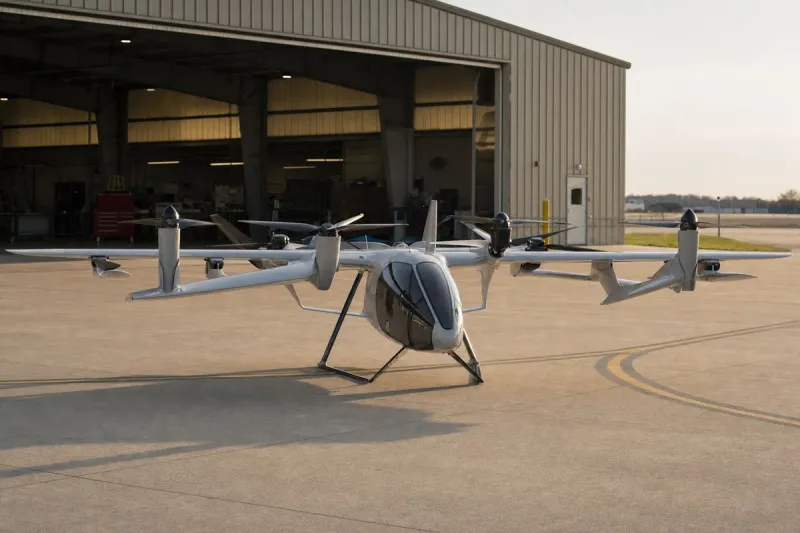
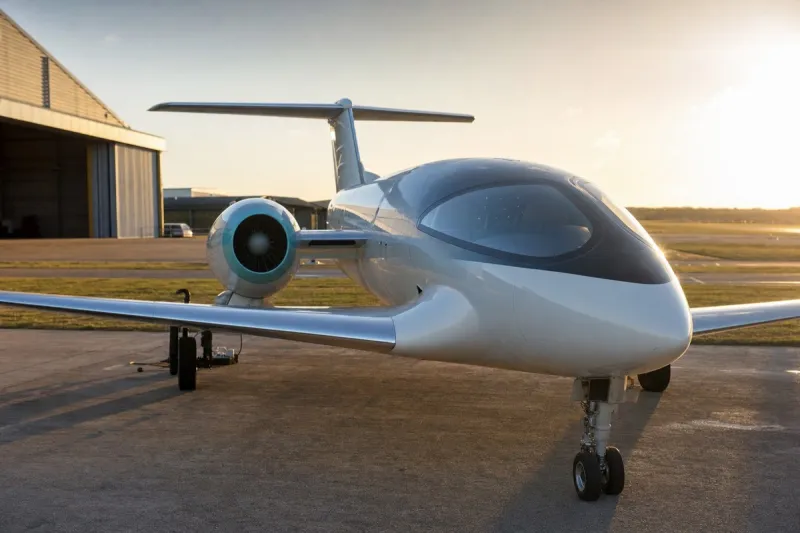
The officials cited several resources: Virginia Tech and the Mid-Atlantic Aviation Partnership (MAAP) in Blacksburg, one of about half a dozen FAA-approved test sites in the country for unmanned aerial systems and AAM, which produced a minimum viable infrastructure report that serves as DOAV's AAM strategy roadmap; NASA Langley; manufacturers such as Electra; and the AAM Multi-State Collaborative of the National Association of State Aviation Officials, used to harmonize policy across states.
On coastal air mobility, Denny said DOAV has always licensed water runways in Virginia, inspecting sites much as it does for public-use runways, and that this could open parts of the state to amphibious aircraft and cargo movement. Campbell said Virginia Tech and MAAP are working on a project, with help from several larger OEMs on test flying, to validate the new flight procedures AAM aircraft will use when approaching airports.