FAA Now Permits Remote Technology in Aircraft Maintenance, but Tactile Inspections Still Require Physical Presence
Why It MattersRepair stations and general aviation operators can adopt remote-inspection tools for hard-to-reach areas and training, but the continued physical-presence rule keeps certificated personnel essential to maintenance sign-off.
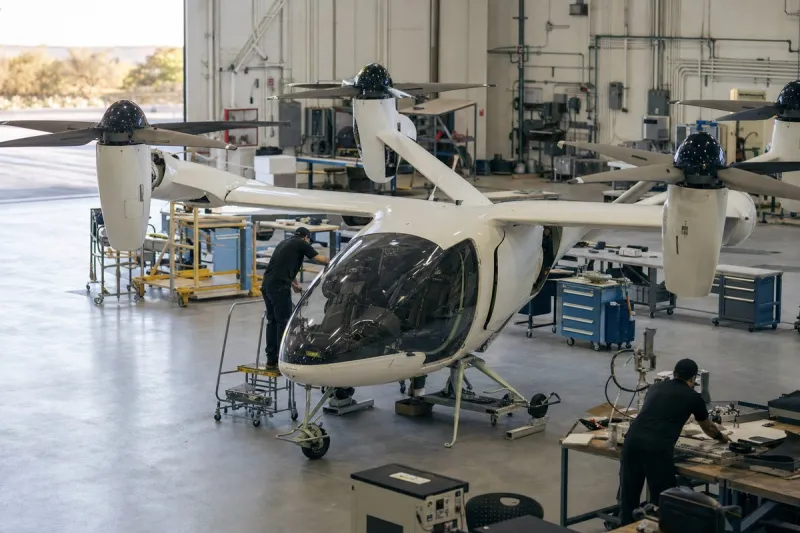
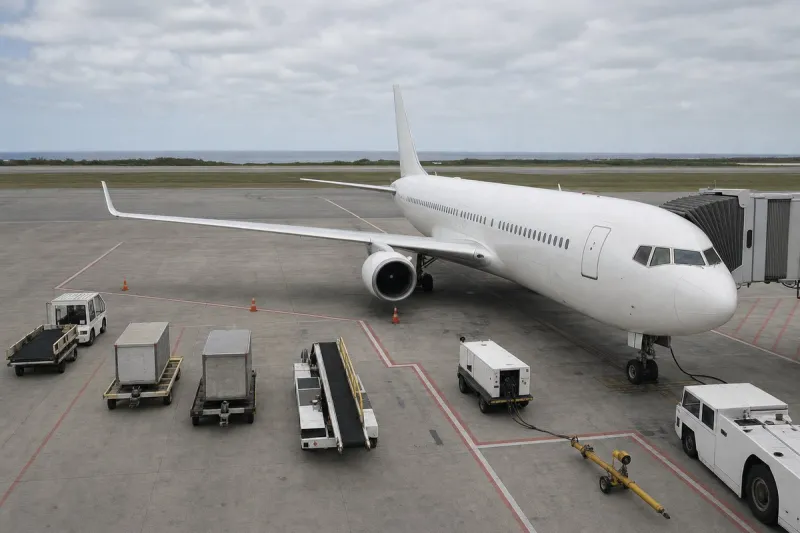
The FAA has issued a release titled "Aircraft Maintenance Under Remote Control" that moves the agency's position on remote technology in maintenance from effectively disallowing it to allowing it within limits. For decades, FAA field staff read the Part 145 repair station rules as incompatible with remote decision-making. Sections 145.151–145.157 require certificated, qualified personnel to perform and supervise maintenance; Section 145.213 requires physical inspection of maintenance and alterations; and Section 145.201(b) prohibits approving work when required facilities, equipment or personnel are not available.
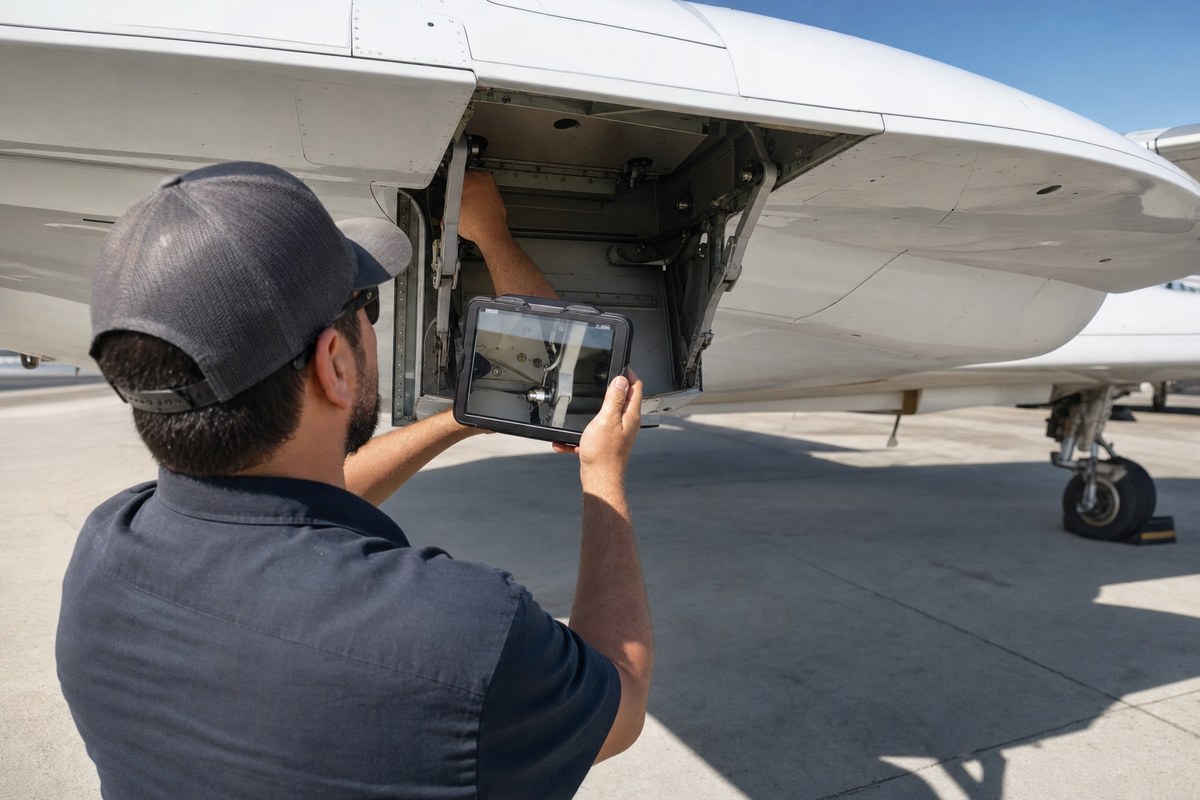
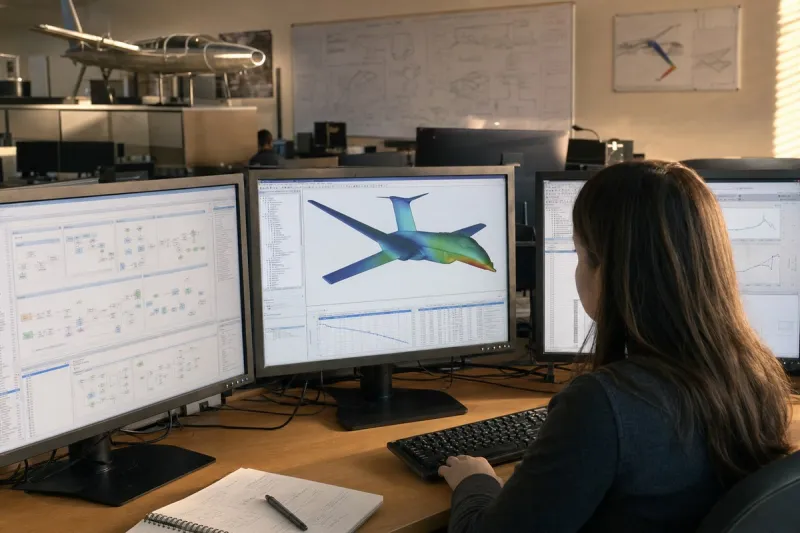
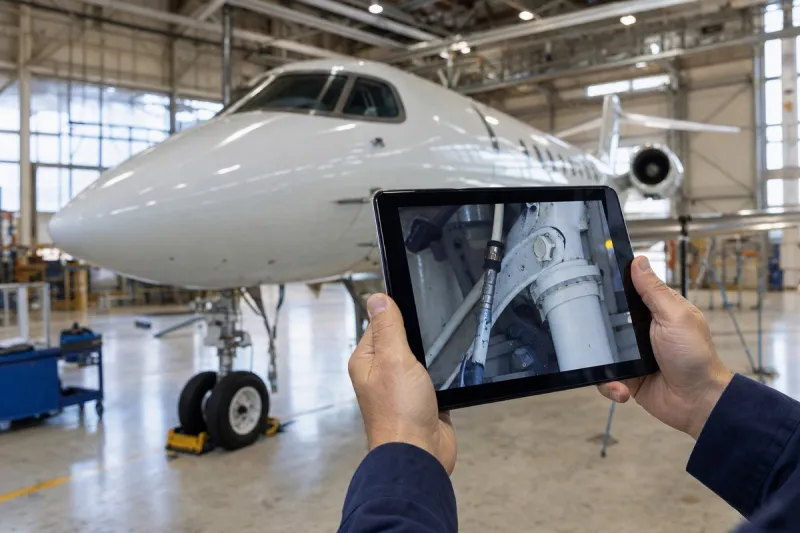
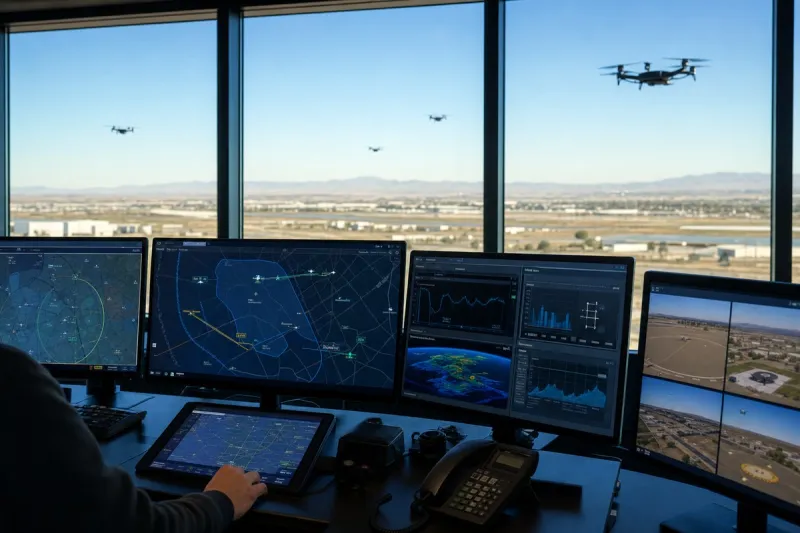
The release describes remote technology as video, audio, imaging or communication systems that support maintenance or inspection work performed from a location other than the immediate inspection area. The technologies it cites include robotic systems, augmented reality (AR), virtual reality (VR), remote visual inspection equipment, remote diagnostic systems, virtual maintenance technologies and small unmanned aircraft systems (sUAS). Used in accordance with applicable regulations and approved procedures, they can give access to elevated, confined or hard-to-reach inspection areas.
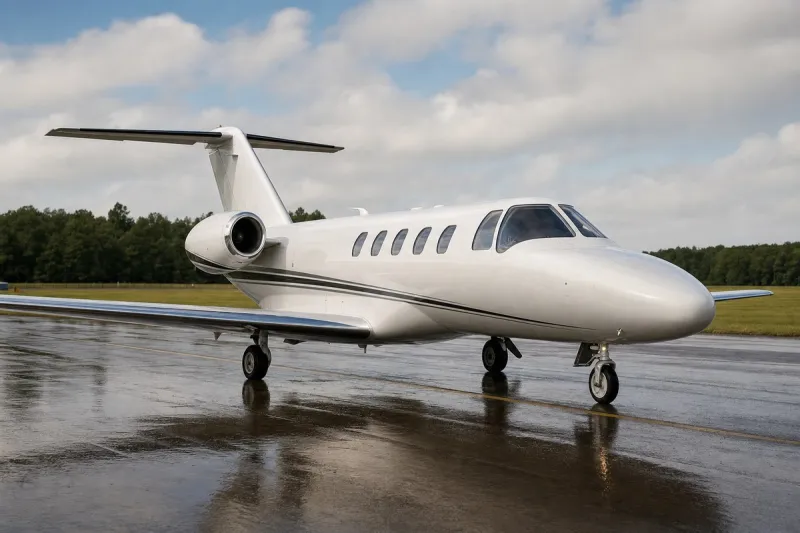
For general aviation operators and small repair stations, the release points to compact, cost-effective tools. These include tablets or lightweight smart glasses for AR overlays of wiring layouts and torque specifications with real-time collaboration with off-site technicians; VR headsets for training and procedural familiarization; and lightweight drones for visual sweeps of elevated structures such as vertical stabilizers, rudders and upper fuselage and wing surfaces. Any sUAS operations around the hangar or ramp must comply with 14 CFR Part 107.
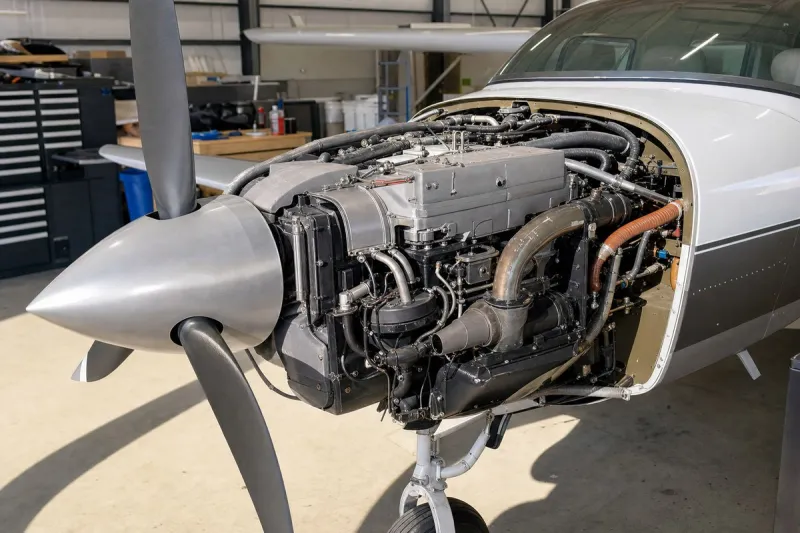
The limits are explicit. Remote tools cannot replace required tactile inspections, manual manipulation such as checking cable tension or control surface play, or non-destructive testing where Part 43 or Part 145 require physical presence. Required certificated personnel must still perform and approve work. Unless specifically authorized by applicable regulations, approved maintenance programs or approved maintenance data, remote technology does not replace required inspection methods, maintenance procedures or personnel qualifications.
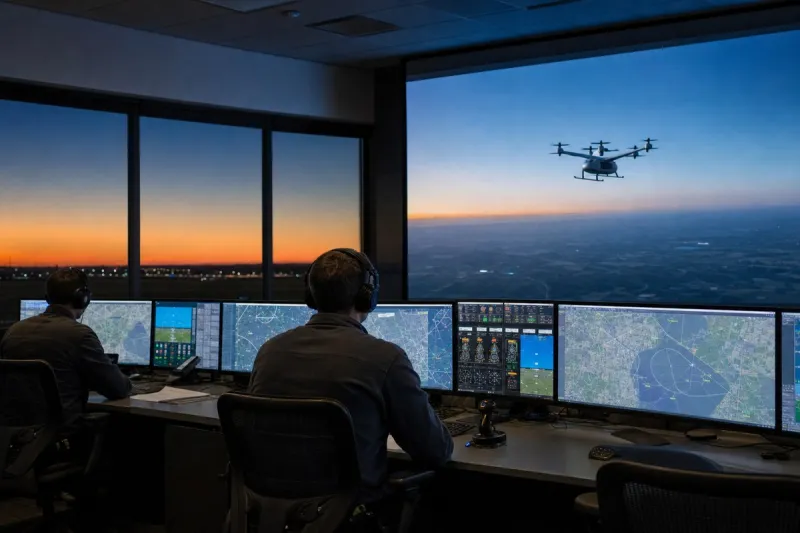
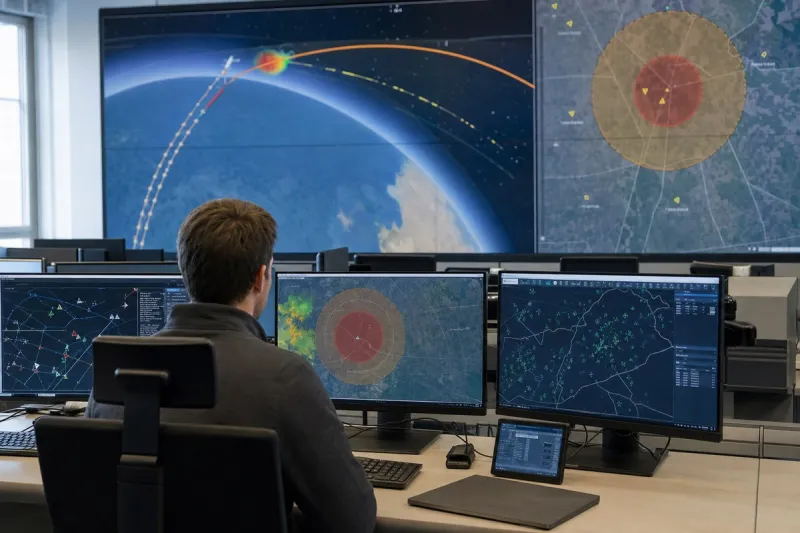
The commentary ties the shift to FAA Administrator Bryan Bedford's Flight Plan 2026 rollout and his public remarks that the agency must adopt new technologies quickly and safely. It also cites the FAA's existing acceptance of remote monitoring and control for air traffic control systems. Bedford was sworn in as FAA Administrator in July 2025; he previously served as president and chief executive officer of Republic Airways.